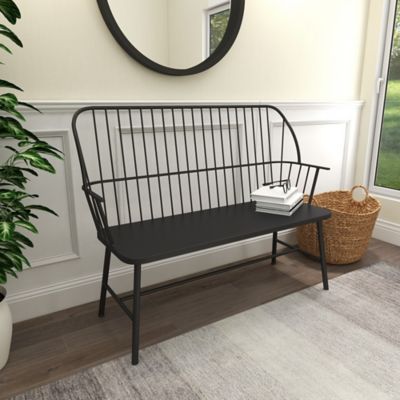
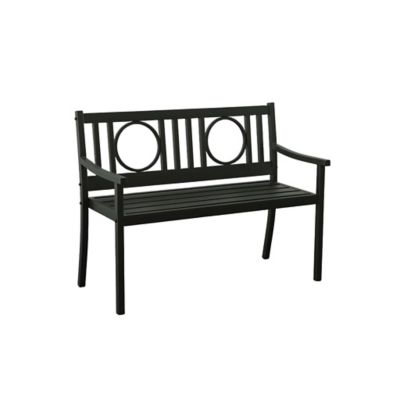
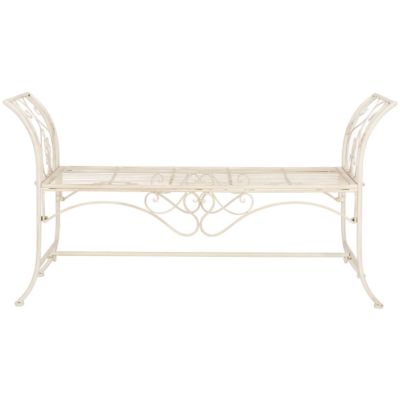
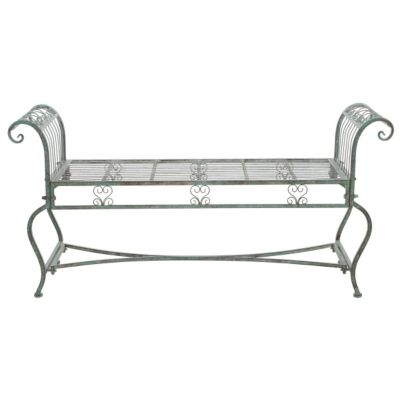
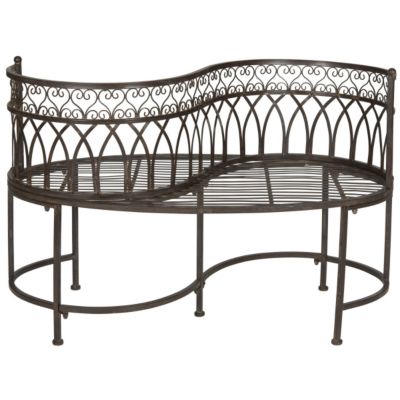
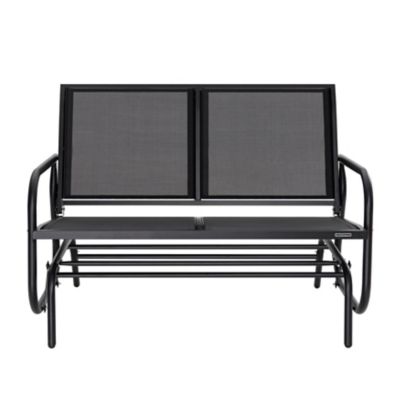
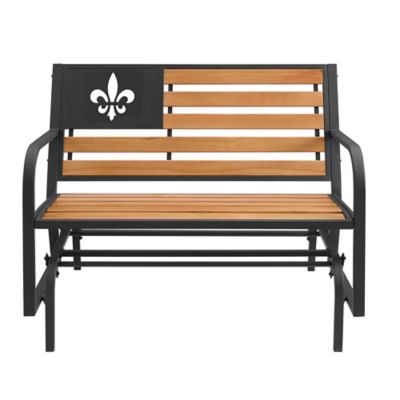
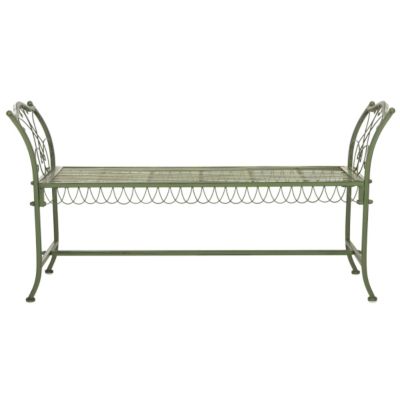
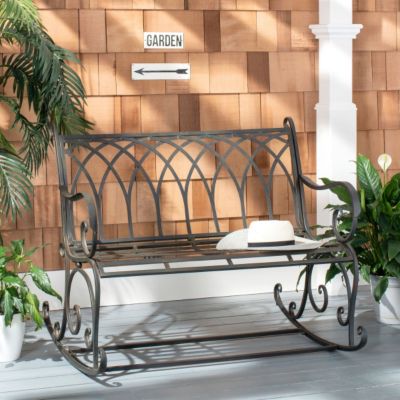
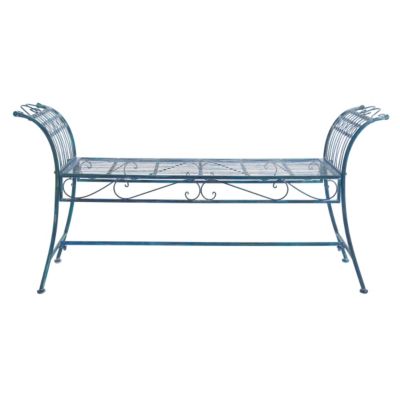
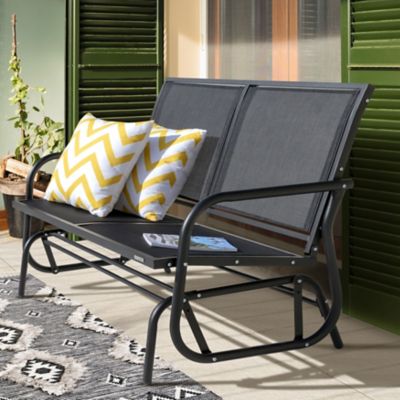
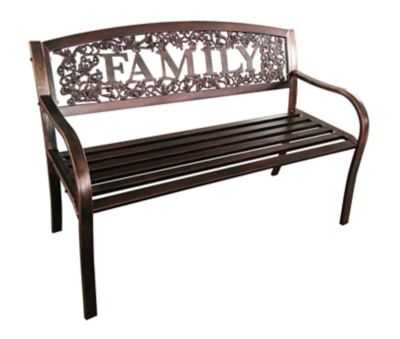
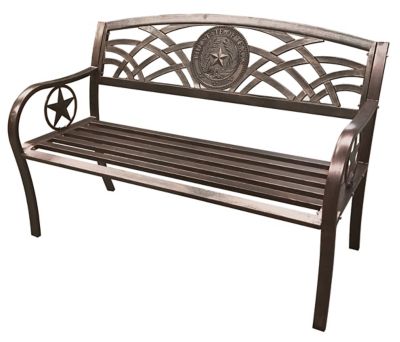
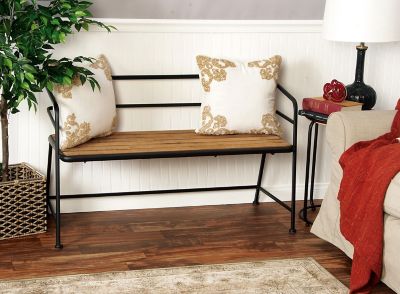
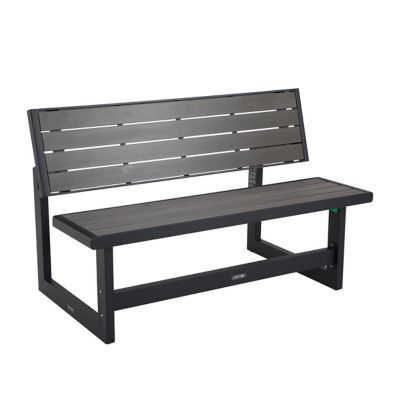
Wrought iron garden benches bring sturdy seating and graceful metalwork to the places where folks like to slow down: beside a flower bed, along a gravel path, or near the porch with a view of the yard. Their appeal comes from the balance of substance and detail. A substantial frame gives the bench a grounded look, while open scrollwork, curved arms, and slender rails keep it from looking too heavy among plants and stonework. Some designs lean toward elaborate curves and garden-inspired patterns; others have straighter lines that suit a simple farmhouse setting. Black finishes create a clear outline against greenery, while lighter finishes stand out against brick or dark foliage. Beyond appearance, a garden bench gives an outdoor space a purpose. It can make a quiet corner into a reading spot, provide a place to rest after tending raised beds, or bring two people together for a visit without carrying chairs across the yard. Wrought iron traditionally refers to iron shaped through working rather than poured into a mold, and the term also appears in descriptions of a broader garden-furniture style. Material descriptions matter because benches with a similar appearance may have wrought iron, cast iron, steel, or a combination of metal and wood components. Those differences affect weight, upkeep, and how easily the bench can be moved. A metal frame with a wood seat offers a different feel and maintenance routine from an all-metal design, while a fully open seat lets loose leaves and small debris fall through more easily. For a coordinated yard, the lines of a bench can echo nearby gates, railings, or
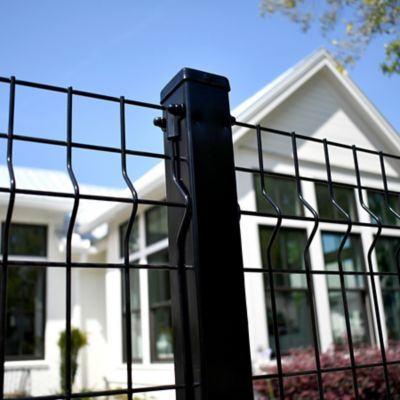
Wrought Iron Fences without matching every curve. Repeating a finish or a simple arch is often enough to tie the setting together. Whether placed near a busy back door or tucked beyond the vegetable patch, the right bench should look at home and give people a comfortable reason to stop.
Fit starts with both the sitting space and the ground beneath it. Overall width determines whether a wrought iron garden bench will fit between porch posts or beside a walkway, but the usable seat width tells more about how much room people actually have. Wide arms and sweeping side details can take up space without adding seating room. Seat depth, seat height, and backrest angle also shape the experience, especially for anyone planning to sit longer than a few minutes. A gently contoured seat may feel different from flat metal slats, and a higher back can offer more support during a long conversation. Armrests provide a place to rest forearms and may help with standing, though the bench should remain stable when someone presses down on them. For an older family member or anyone with limited mobility, a seat that does not require a deep squat may be more comfortable. Stated weight capacity deserves attention as well; the number of people pictured on a bench is not a substitute for its load rating. Heavy construction alone does not establish capacity or prevent tipping. Firm, level footing matters, particularly where narrow bench legs could settle into loose soil or gravel. A paved pad or evenly set stones can provide a better base while keeping the seat close to the garden. There should also be room to step around the bench, stretch out feet, and open nearby gates without bumping an armrest. Along a working garden path, leaving enough clearance for a wheelbarrow helps keep the seating area from becoming an obstacle. Cushions can soften a metal seat, but their dimensions should match the space inside the arms rather than the bench’s overall width. Ties or straps help keep them in place, and removable covers make routine cleaning simpler. A thicker cushion raises the sitting position and changes how the arms and back feel, so its thickness belongs in the fit calculation alongside its length and width.
Long service from an iron garden bench depends on construction, protective finishes, placement, and regular attention. Sound joints, secure hardware, and well-supported seat rails matter more than an ornate pattern when the bench will see frequent sitting. Assembly requirements vary, and a frame with several bolted sections needs every connection tightened according to its instructions before anyone takes a seat. Checking those connections periodically can catch movement before it becomes a larger problem. Powder coating and painted finishes create a protective barrier over metal, but neither makes iron immune to rust. Chips, scratches, exposed edges, and spots around fasteners deserve a closer look because breaks in the finish can allow moisture to reach the metal underneath. Gentle cleaning with a soft brush or cloth, mild soap, and water usually handles ordinary dirt; the manufacturer’s care directions should take priority for a particular finish. A thorough rinse and drying help keep soap residue and trapped moisture from lingering in joints. Abrasive pads and harsh cleaners can damage the surface, while dragging the legs over paving can scrape their protective coating. When a finish needs repair, compatible touch-up materials and the recommended surface preparation help protect the exposed area. Wood components need their own care routine, which may include an appropriate sealer or finish rather than the same treatment applied to the metal frame. Keeping a bench clear of sprinkler spray, damp leaf piles, and direct contact with soil can also reduce unnecessary wear. If a cover is part of the setup, a breathable fit with room for air circulation is preferable to wrapping the frame tightly and trapping moisture. Substantial benches can be awkward to relocate, so having another person help lift the frame protects both the seating and the surrounding path. For gardeners, homeowners settling into a new place, or family members who enjoy gathering outside, a wrought iron garden bench can also make a thoughtful gift when its size, weight, and care needs suit the recipient. Its value in daily life is straightforward: a lasting place to pause, pull off garden gloves, and enjoy the patch of ground that takes so much tending.