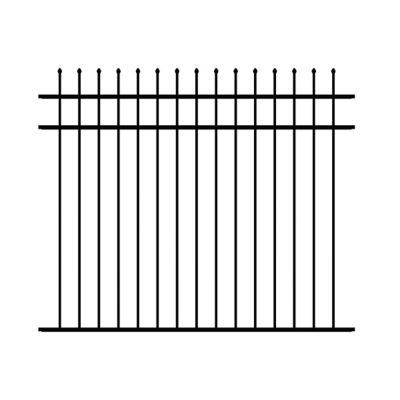
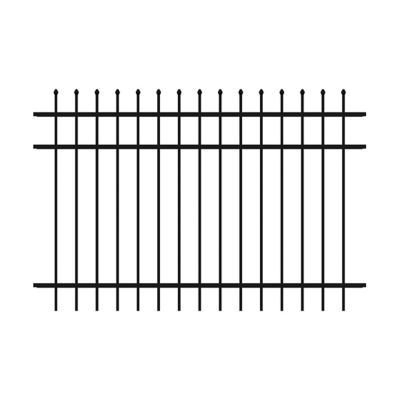
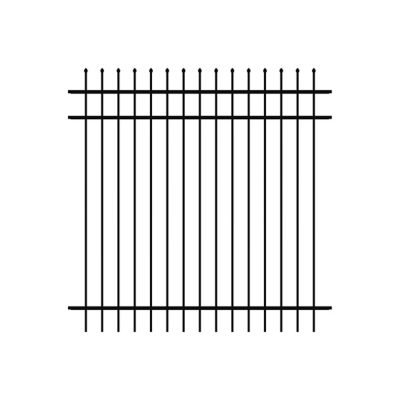
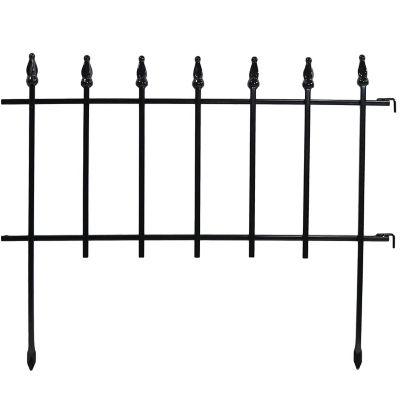
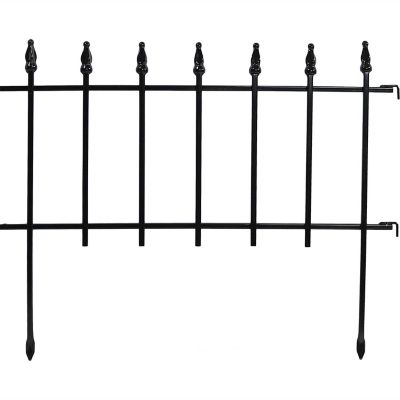
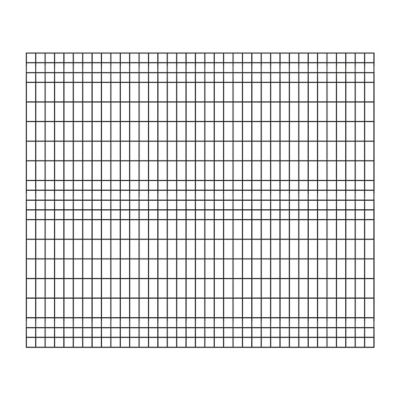
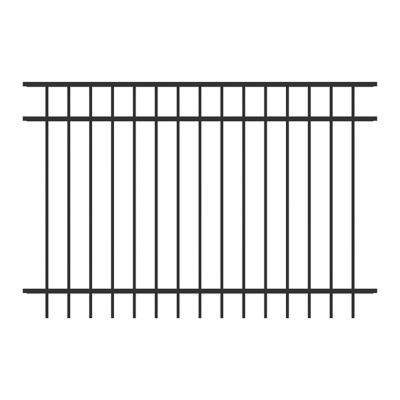
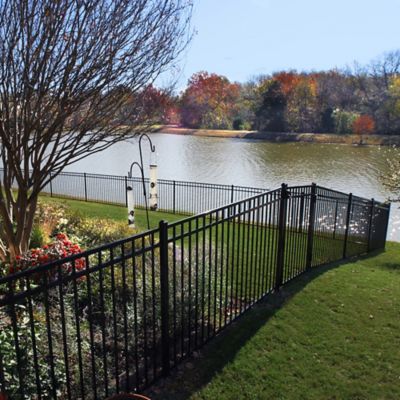
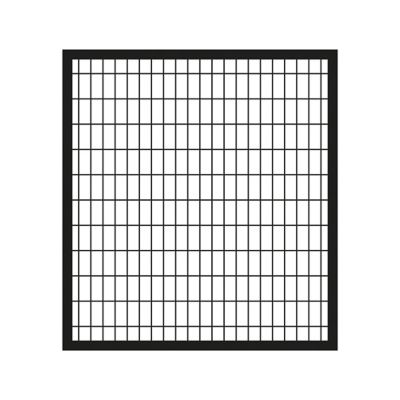
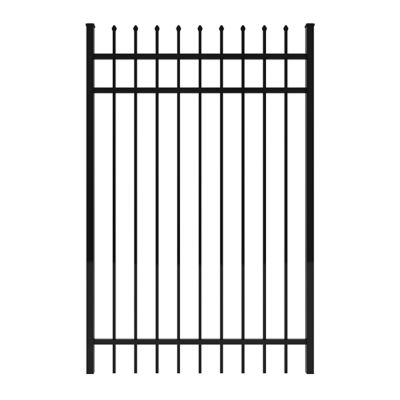
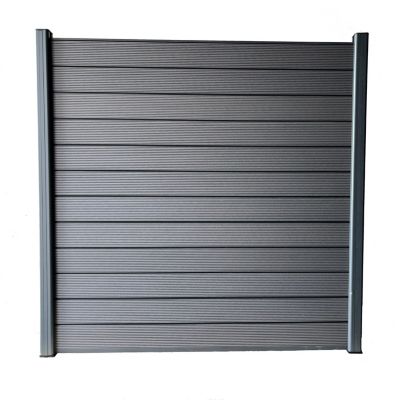
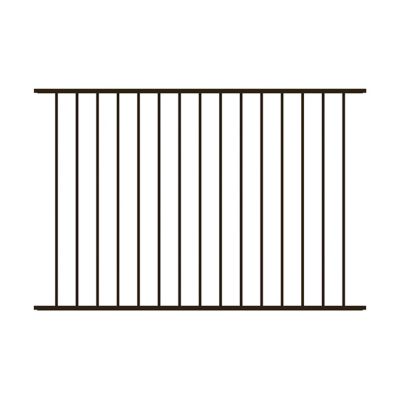
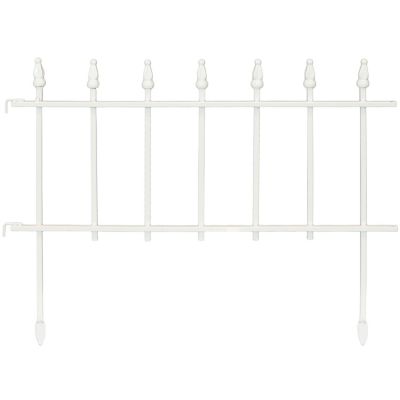
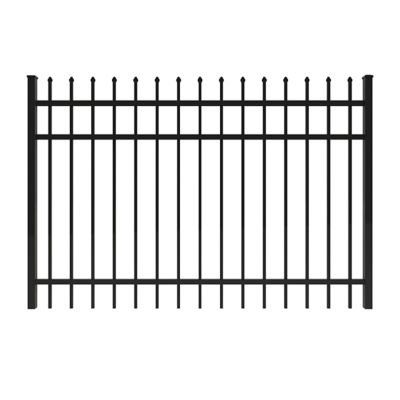
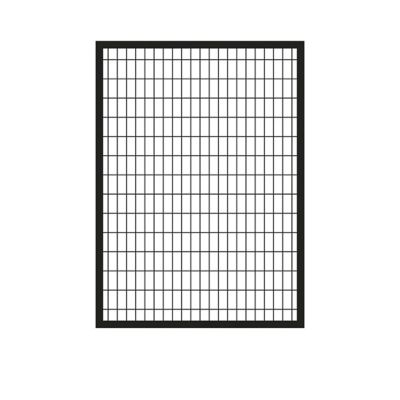
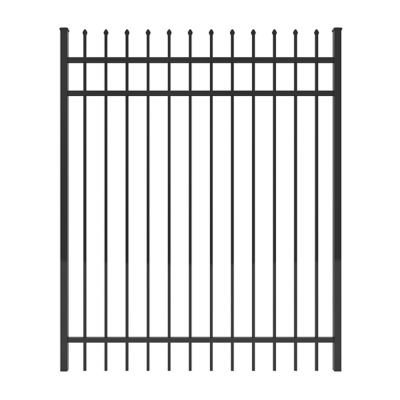
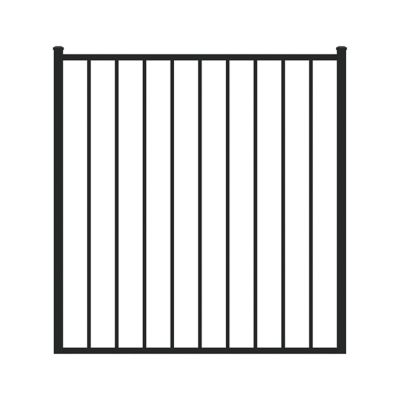
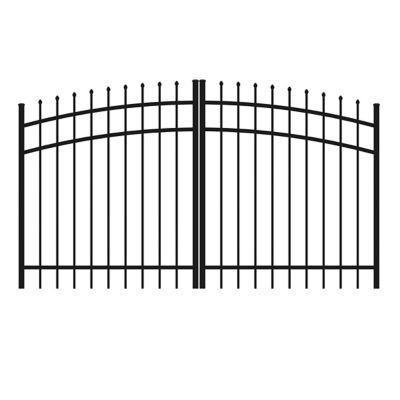
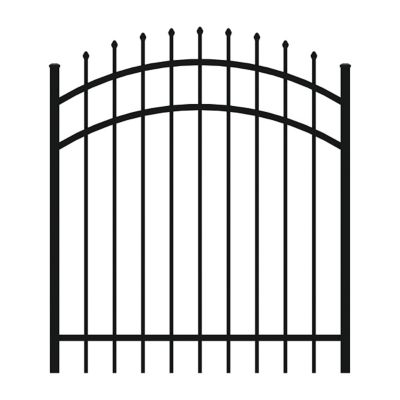
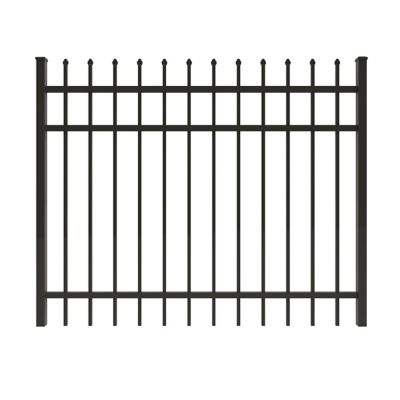
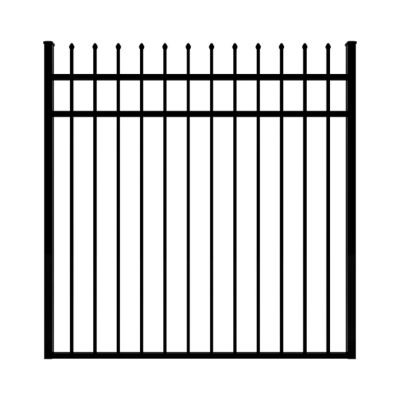
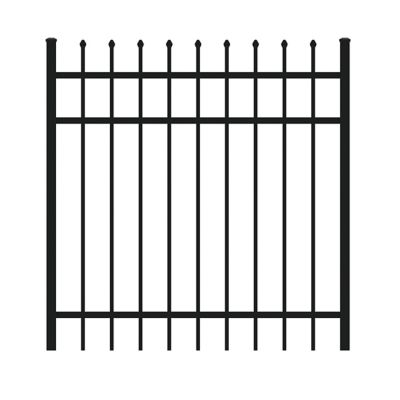
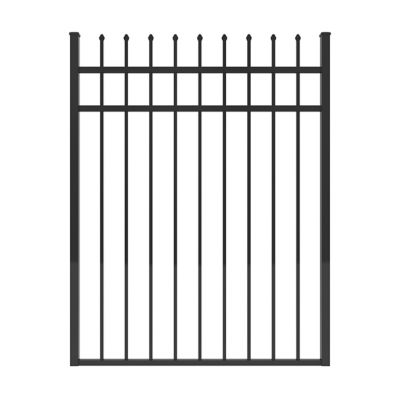
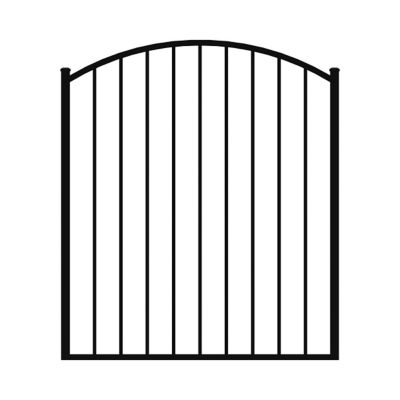
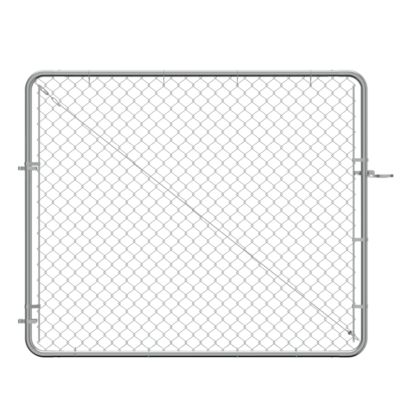
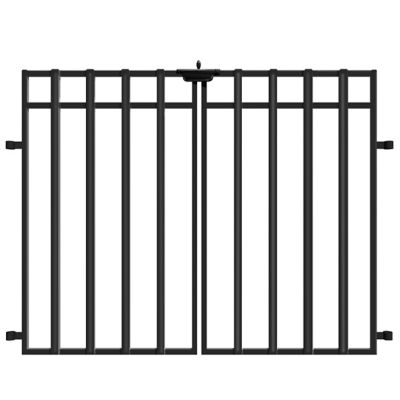
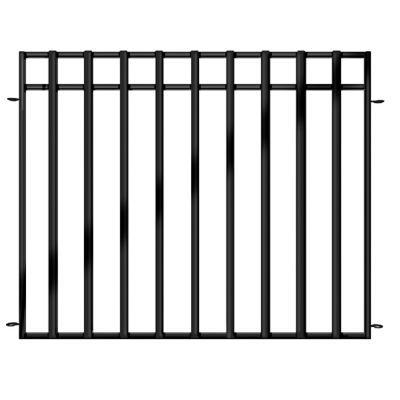
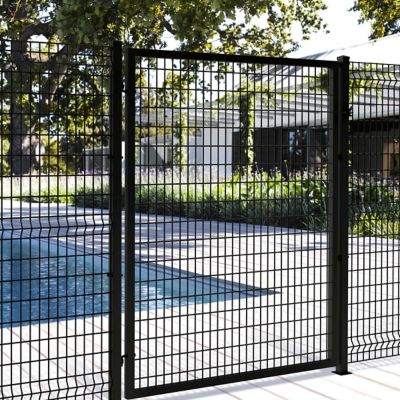
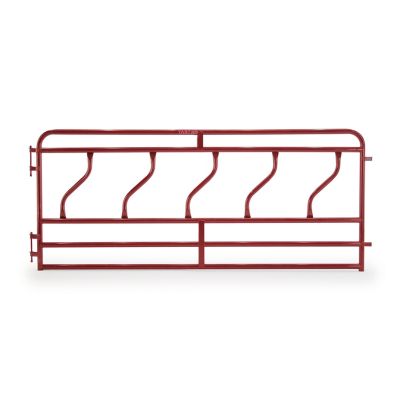
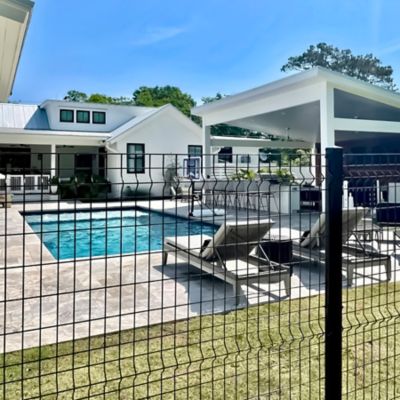
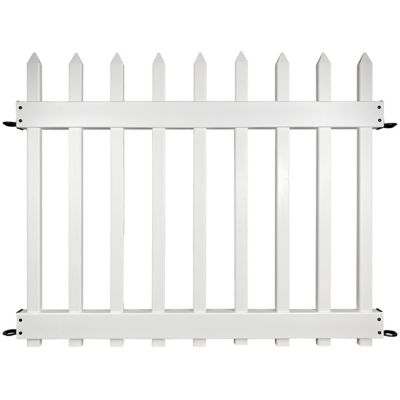
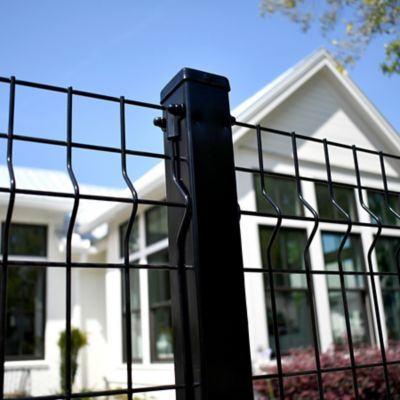
Wrought iron fence panels bring a sturdy, finished look to a property while helping define boundaries, guide foot traffic and add a little extra peace of mind around the yard. Their familiar look fits comfortably in all kinds of settings, from a country home with a gravel drive to a town property with a small garden out back. Open picket spacing keeps the fence from feeling heavy or closed in, while the strong metal construction gives it a more substantial feel than many lightweight decorative barriers. Use wrought iron fence panels to outline a front walk, frame a porch, separate a patio from the rest of the yard, or create a clear edge around flower beds and landscaped areas. They can also help organize larger properties by marking the approach to a barn, garden, pond or other feature without blocking the view across the land. Before choosing panels, take a careful look at the space and measure the full run, including corners, gates and any changes in direction. A quick sketch on paper can save a lot of back-and-forth once you begin setting posts. Pay attention to the height, panel width and picket spacing, since those details affect both the appearance and the job the fence will do. A lower panel can add definition along a walkway or planting bed, while a taller fence may be better suited for creating a more noticeable boundary. If you are keeping a dog in a certain area, check the spacing between pickets and consider your pet’s size, habits and ability to squeeze or jump through openings. Wrought iron fencing is generally valued for its strength and classic appearance, but it still needs proper support. Posts, brackets, connectors, hinges and other hardware should be compatible with the panels and suitable for the surface where they will be installed. Solid, level footings matter, especially in areas with soft soil, heavy rain or repeated freeze-and-thaw conditions. On sloped ground, panels may need to step up gradually or follow the grade, and corners deserve extra attention so the finished line stays neat. For a larger project, it helps to lay out the entire fence line with stakes and string before digging. That simple step lets you spot buried obstacles, confirm property lines and see how the fence will look from the house, driveway and street. When the weather is cooler and outdoor projects move at a steadier pace, it can be a good time to plan measurements, gather materials and make repairs before the ground becomes difficult to work.
A well-chosen finish can make wrought iron fence panels blend with existing features or stand out as an intentional part of the property. Black is a traditional choice that pairs easily with brick, stone, wood siding and green landscaping, while other finishes may coordinate with gates, railings, mailbox posts or outdoor lighting. Look closely at the coating and construction details, and choose panels made for the kind of exposure they will receive. Fencing near sprinklers, ponds, wet ground or salt used on nearby roads may need more frequent inspection than fencing in a dry, sheltered location. During the wetter and colder parts of the year, walk the fence line from time to time and watch for chipped paint, loose hardware, standing water or soil shifting around the posts. Small maintenance jobs are easier when handled early: clean off dirt and plant debris, touch up damaged areas with an appropriate metal coating, and tighten connections that have started to move. Keeping vines and fast-growing shrubs from wrapping tightly around the metal can also help protect the finish and make the fence easier to inspect. Wrought iron panels are a practical choice for homeowners, landlords, landscapers, small farm owners and anyone improving a property’s curb appeal without hiding the character of the land. They can be used around a farmhouse garden, along a driveway entrance, beside a pool or patio, or near a porch where a decorative boundary adds structure without cutting off the view. They also make a thoughtful housewarming or property-improvement gift for someone who enjoys working outdoors, although a fence project usually involves personal measurements and installation plans, so a gift card or help with materials may be more useful than choosing panels without knowing the layout. For properties that call for a similar decorative appearance with a focus on steel construction, compare these options with
Ornamental Steel Fence Panels as you narrow down the right material and style. Whether the goal is to keep visitors on a clear path, give a garden a tidy border or add a strong finishing touch along the front of the property, the best fence is one sized for the space, supported for the local ground conditions and chosen with everyday maintenance in mind. A little planning before installation helps the finished fence look like it belongs there, from the first warm stretch after winter through the cooler seasons that follow.