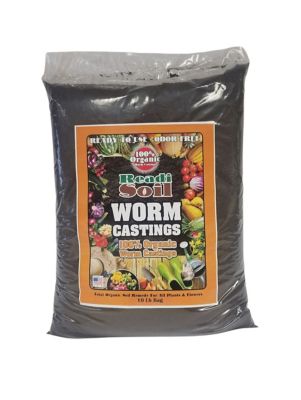
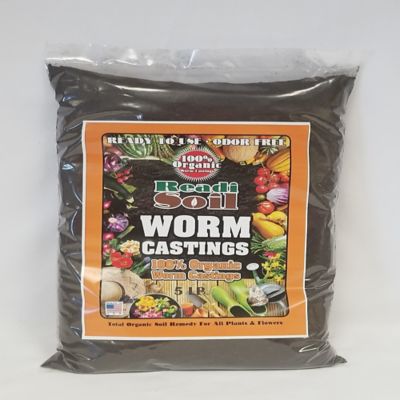
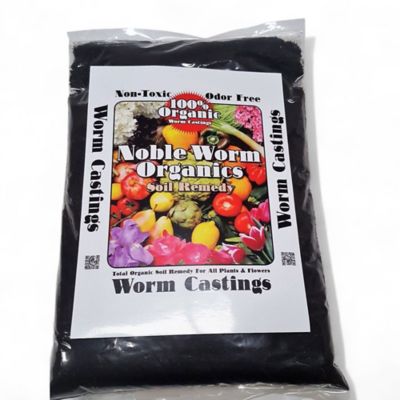
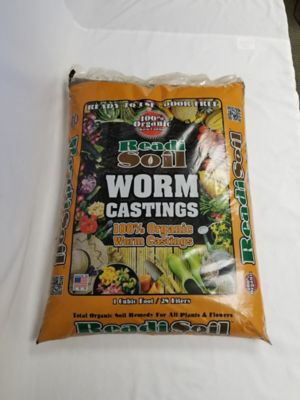
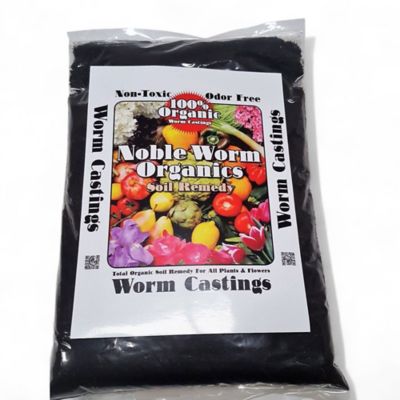
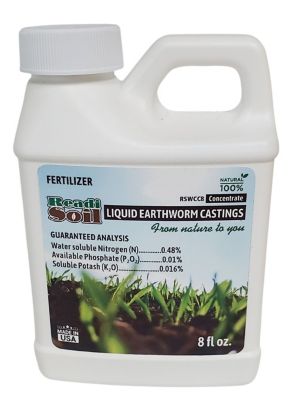
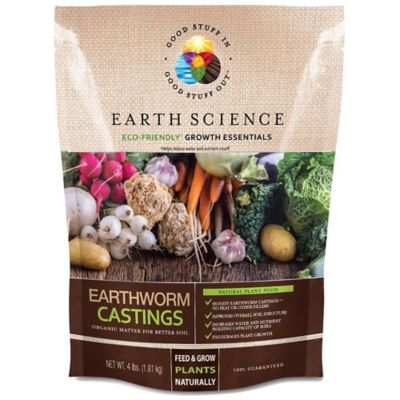
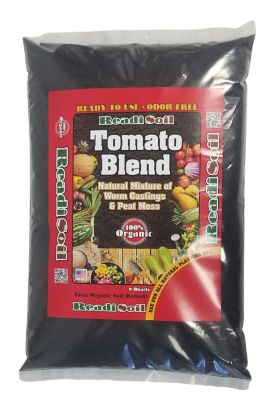
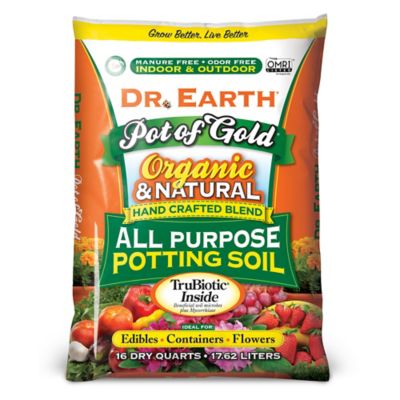
Worm castings are the dark, crumbly material earthworms leave behind after digesting organic matter. Often called vermicast, they serve as a soil amendment that adds organic matter, modest amounts of plant nutrients, and microorganisms to garden soil and potting blends. Their fine, granular texture looks a little like coffee grounds, making them easy to spread around a tomato plant, blend into a container mix, or work into a small raised bed. For folks tending a backyard vegetable patch, keeping herbs by the kitchen window, or filling planters along the porch, worm castings offer a straightforward way to support the soil beneath their plants. The nutrients can include nitrogen, phosphorus, and potassium, along with smaller amounts of other elements, but the amounts vary with what the worms eat and how the material is processed. That makes the package label more useful than a broad promise about nutrient content. Castings are generally better understood as a soil-building addition than as a complete feeding program for every plant. They can contribute to soil structure and nutrient cycling, while plants with heavier feeding needs may still need supplemental fertilizer. Finished castings typically have a mild, earthy smell rather than the sharp odor associated with fresh manure. They also differ from ordinary compost: compost forms through microbial decomposition, while castings pass through a worm’s digestive system. Vermicompost can contain both castings and decomposed bedding or feed materials, so those terms do not always describe exactly the same contents. When comparing worm castings for plants, the ingredient statement helps distinguish a concentrated casting material from a blend containing compost or other amendments. Both can have a place in the garden, but their application amounts and intended uses may differ. The best fit depends on whether the goal is refreshing a few houseplant pots, improving the planting area around vegetables, or adding organic matter across a larger growing space.
Texture, processing, and package size all matter when choosing worm castings for a particular job. Screened castings generally have a finer, more even consistency, which is handy for small pots and mixes where larger pieces of bedding would get in the way. Material with a coarser texture may be a practical match for outdoor beds, provided its ingredients suit the planting area. A bag’s weight does not tell the whole story about coverage because moisture content affects how heavy the material feels. Volume, label application rates, and the size of the bed or container give a clearer picture of how much a project requires. For a gardener with several porch planters, that might mean comparing the amount needed for a light surface application with the amount needed to blend into fresh potting mix. For a vegetable grower, it may mean separating the needs of individual planting holes from those of an entire raised bed. Worm castings can help soil hold moisture and encourage the formation of soil aggregates, the small clusters that influence pore space and water movement. Results depend on the original soil, the application amount, and the rest of the growing mix. Castings do not replace drainage holes, loosen a deeply compacted bed on their own, or turn heavy clay into loose garden soil overnight. In containers, they belong alongside materials that provide the right balance of moisture retention and air around roots, rather than serving as the entire potting medium. They generally present a lower risk of fertilizer burn than concentrated soluble fertilizers, but that does not mean unlimited amounts are appropriate. Salt levels and nutrient content can vary, and tender seedlings deserve particular care. Label directions are the starting point, especially for seed-starting blends and small indoor pots. If organic growing standards matter for the project, look for a stated certification or input approval rather than assuming that every casting product meets the same requirements. Organic matter describes the material itself; it does not automatically establish certification.
Worm castings fit several everyday planting routines without requiring a worm bin or the space to process compost at home. As a top dressing, they form a light layer over existing soil, where watering helps move some soluble nutrients into the root zone. Around established plants, that layer should leave stems and crowns clear instead of piling material against them. As an ingredient in a planting blend, castings distribute organic matter through the mix before roots spread into it. Some labels recommend modest proportions for container blends, but there is no single percentage that suits every casting material, plant, and potting medium. A leafy houseplant in a small pot has different needs from a tomato vine carrying a heavy crop, and both need a growing medium that drains appropriately. For plants that need additional feeding,
garden fertilizer can complement castings by supplying nutrients in labeled amounts matched to the crop and soil conditions. A soil test is especially helpful in established garden beds, where repeated additions of compost and fertilizer can leave some nutrients higher than necessary. Castings may bring microorganisms that participate in decomposition and nutrient cycling, but they should not be treated as a guaranteed remedy for insects, plant diseases, or poor growing conditions. Light, watering, drainage, and suitable plant spacing still do much of the heavy lifting. Care between applications matters, too. Following package storage directions, keeping the material away from food and animal feed, and protecting the bag from contamination help keep a planting supply ready for its next job. Prolonged drying or waterlogging can change the material’s biological activity, so storage conditions deserve attention when that is part of the reason for choosing castings. Gloves and handwashing are sensible when handling any soil amendment, particularly before harvesting or preparing food. Whether the growing space is a row of beans beside the barn or a collection of houseplants near a sunny window, worm castings offer a manageable addition to a broader soil-care routine, with the most useful results coming from a material and application rate suited to the plants.