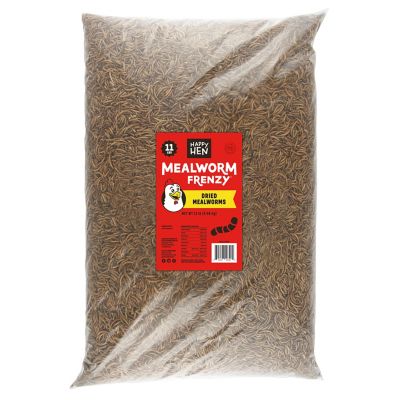
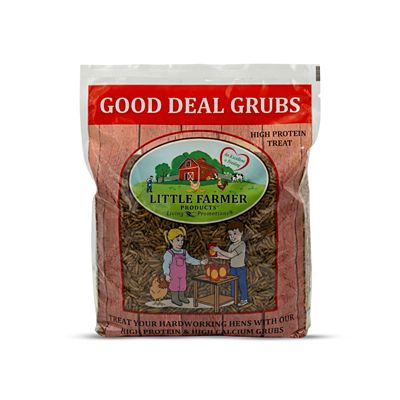
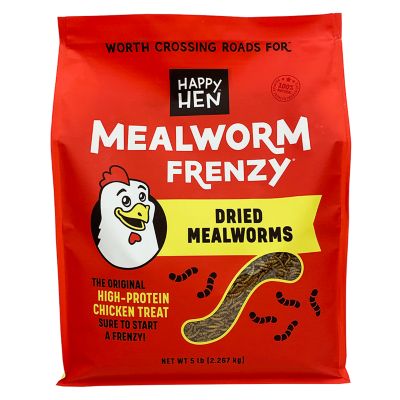
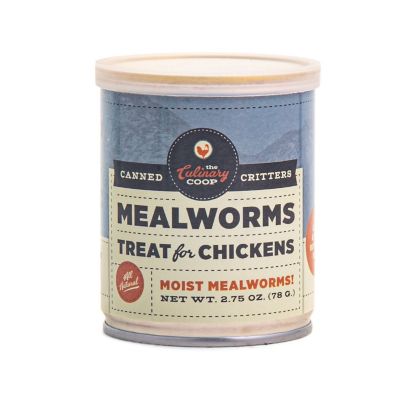
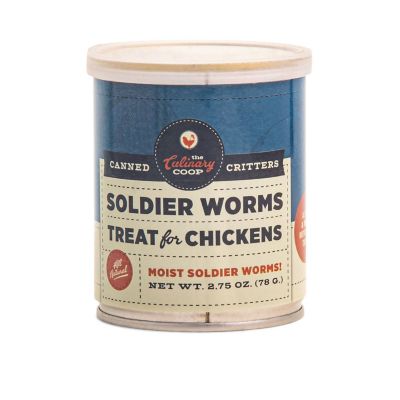
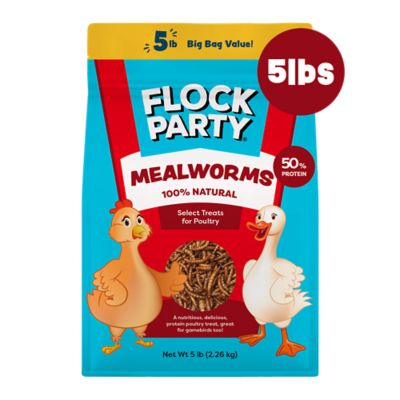
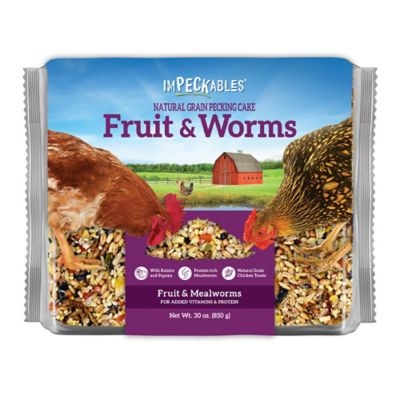
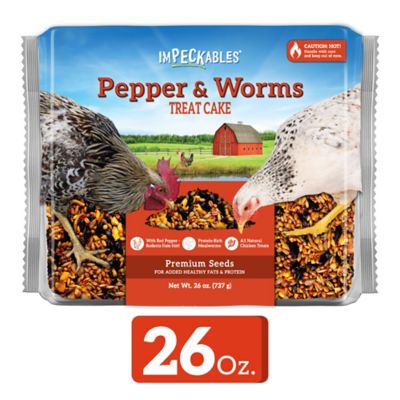
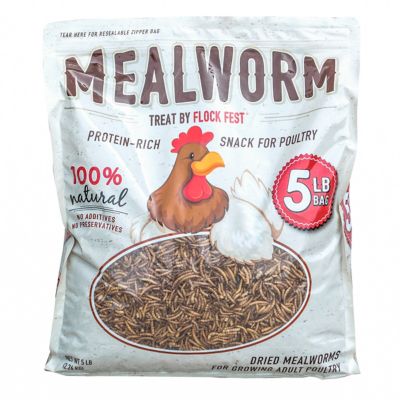
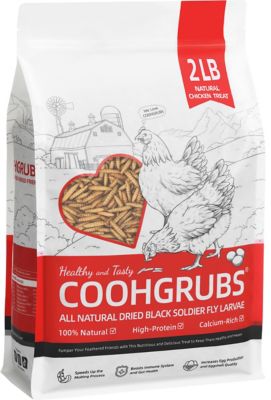
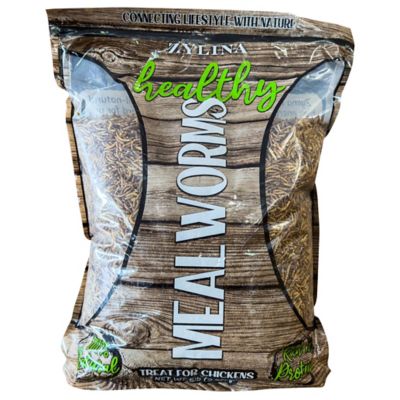
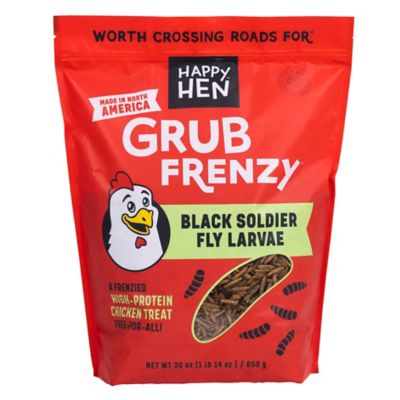
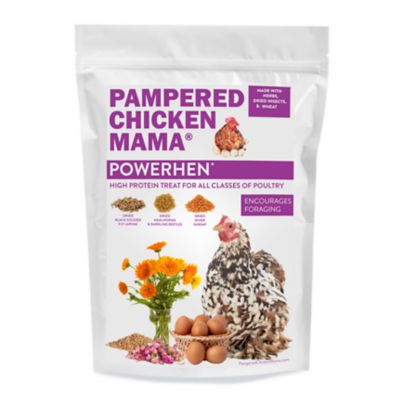
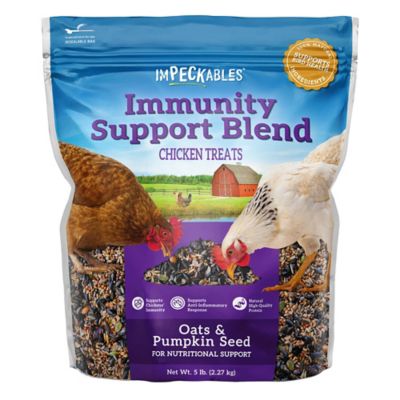
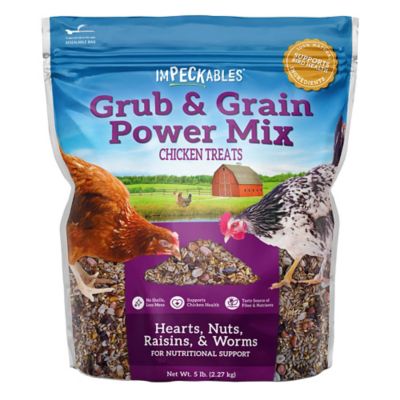
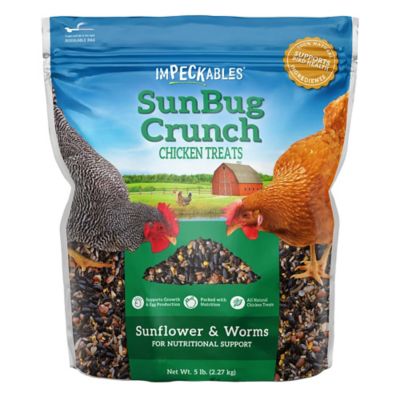
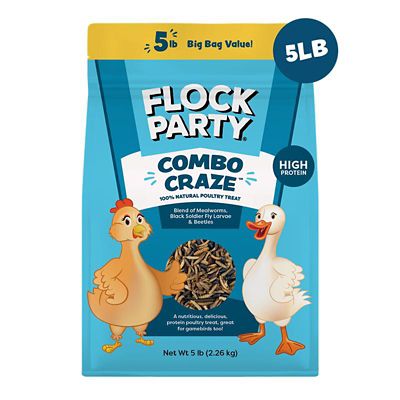
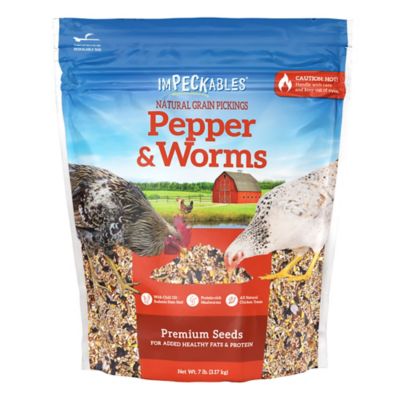
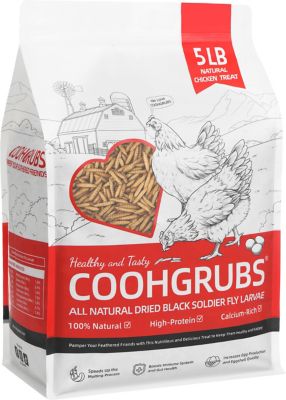
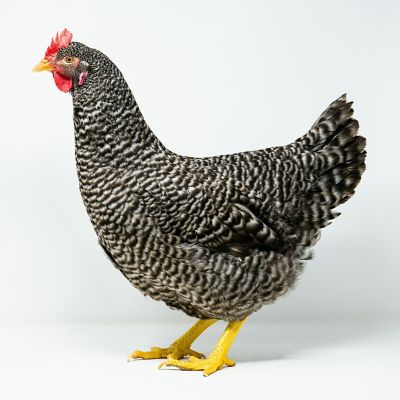
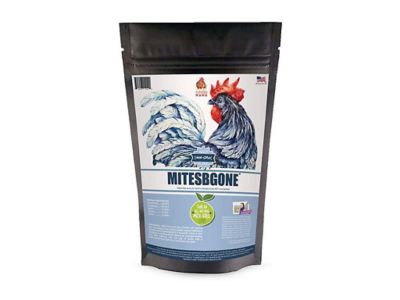
Worms for chickens can be a handy way to add variety to a flock’s routine, especially when the ground is frozen, muddy, or short on natural forage. Chickens naturally scratch through soil, leaves, and bedding looking for insects, and worms fit right into that instinctive behavior. Mealworms, earthworms, and black soldier fly larvae provide protein and fat that can support feather growth, body condition, and normal laying when offered as an occasional treat alongside a complete poultry ration. Live worms encourage pecking and chasing, while dried worms are easy to scoop into a feeder, scatter across the run, or mix with a small amount of regular feed. They can be a welcome treat for backyard hens, growing pullets, small homestead flocks, and poultry keepers who want to add interest to the daily routine. A handful scattered over clean litter can turn a quiet afternoon into a lively round of scratching, and a small serving may help keep birds engaged during cooler weather when they spend more time in the coop. Treats should stay limited so the flock continues to get balanced nutrition from its main chicken feed; a common rule is to keep treats at no more than about 10% of a chicken’s daily intake. Provide fresh drinking water, remove damp or spoiled food, and follow the feeding directions on the package. Store dried worms in a cool, dry place with the container closed, and keep live products according to their care instructions. If worms are offered as a gift to a chicken keeper, they are a practical choice for someone who enjoys tending a few hens, raising pullets, or adding enrichment to a backyard run. They are simple to portion, easy to share with a flock, and useful during seasonal changes when insects are harder for chickens to find on their own. Pairing occasional treats with steady access to feed, grit when appropriate, shelter, and clean bedding helps keep the flock’s routine on track. Some keepers also explore
Probiotic Chicken Feed as part of a broader feeding plan, but no treat should replace a complete ration made for the bird’s age and purpose.
It is important to tell the difference between worms that chickens eat and internal worms that can make them sick. A dried mealworm or black soldier fly larva is a feed treat; it is not a dewormer and will not clear a parasite infection. Chickens may pick up internal parasites while foraging in damp soil or eating infected insects and other small hosts. Roundworms, tapeworms, and gapeworms are among the concerns poultry keepers may hear about, but similar signs can come from many different health problems. Weight loss, pale appearance, low energy, reduced egg production, coughing or difficulty breathing, loose droppings, or visible worms in droppings call for prompt attention. A bird that stays apart from the flock, sits with its feathers puffed, or stops eating also deserves a closer look. Because treatment depends on the parasite and the bird’s condition, a poultry veterinarian or local extension professional can help confirm the cause, often with a fecal float test, before a dewormer is given. Avoid treating the entire flock based only on a guess, and follow all label directions, egg-withdrawal instructions, and local guidance for poultry medicines. Good flock care can lower risk without replacing veterinary advice: keep feeders and waterers raised and clean, remove wet bedding, give the birds enough space to scratch without heavy manure buildup, and limit contact with wild birds when possible. Rotate or refresh outdoor areas when practical, and pay attention to muddy spots where chickens gather. During the cooler months, birds may spend more time indoors, so clean litter and ventilation matter even more. When the weather warms and the flock returns to longer days outside, inspect the run for standing water, compacted soil, and areas where droppings collect. Worm treats can add variety and encourage natural foraging, but they work best as one small part of a steady poultry-care routine. Choose a form that suits your flock, consider whether live or dried feed fits your setup, check serving guidance, and watch how each bird responds. A calm, observant keeper will notice changes in appetite, droppings, feathers, and egg production early, making it easier to enjoy the fun side of feeding treats while taking health concerns seriously.