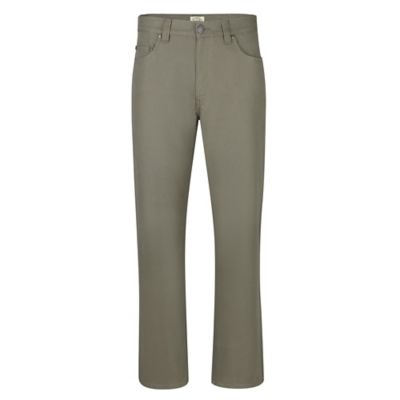
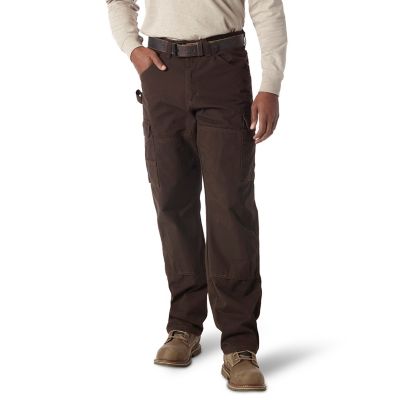
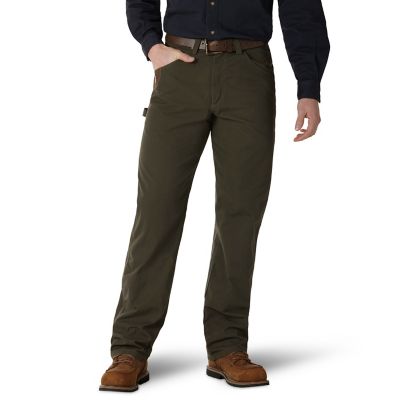
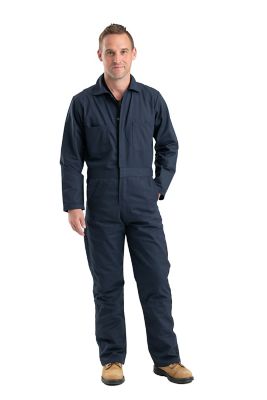
Workwear and boots in Birmingham, Alabama, serve folks whose days can run from a shop floor or construction site to a fence line outside town. Birmingham’s steelmaking roots and the hands-on work across its surrounding communities make practical clothing and supportive footwear a natural part of everyday life. For mechanics, equipment operators, carpenters, warehouse crews, and people tending acreage, the right combination starts with the tasks ahead rather than looks alone. Work pants need room for climbing steps, kneeling beside a trailer, and getting in and out of a truck without pulling tight across the seat. Shirts should allow an easy reach overhead while staying tucked when the job calls for it. Cotton duck and canvas have a firm feel suited to repeated contact with rough surfaces, while denim offers familiar comfort for everything from barn chores to time at the workbench. Fabric weight, weave, and construction all affect how clothing wears; heavier material is not automatically the better choice for every task. Stretch blends can make crouching and stepping easier, and reinforced knees add another layer of fabric where pants often take the most punishment. Double stitching, secure pocket corners, and sturdy belt loops are worth a close look when clothing will carry tools or see frequent washing. Pocket placement matters, too. A phone pocket that sits clear of a tool belt or a rule pocket within easy reach can make a long day less fussy. Loose fabric and hanging loops can create hazards around moving equipment, so workplace rules should take priority over extra storage. For Birmingham shoppers moving between paid work and chores at home, workwear earns its place by fitting both the body and the job. A good everyday fit leaves space to move without so much extra material that sleeves catch or pant legs drag beneath a heel. Waistbands should stay comfortable when seated, and shoulder seams should not bind when lifting. Those details become especially noticeable after hours of bending, carrying, and walking.
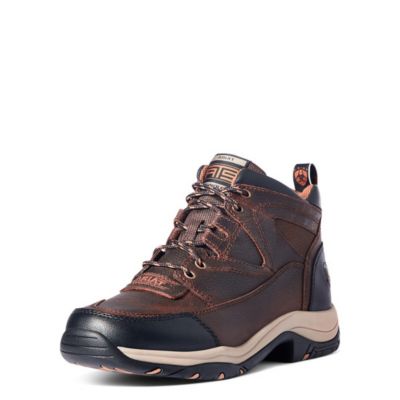
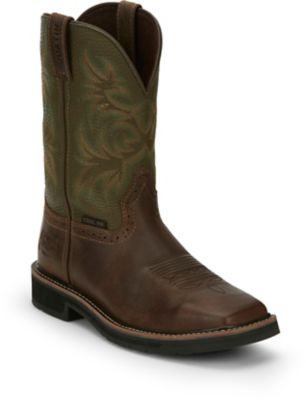
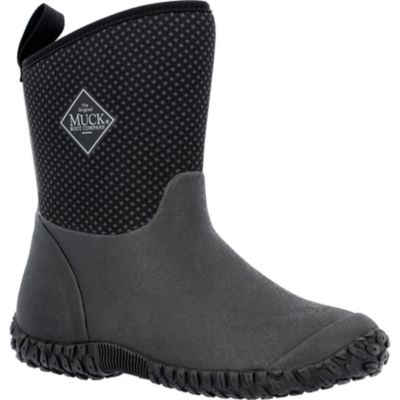
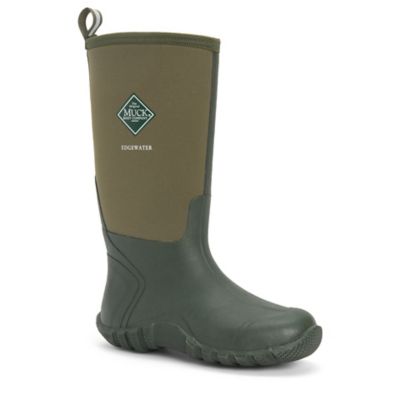
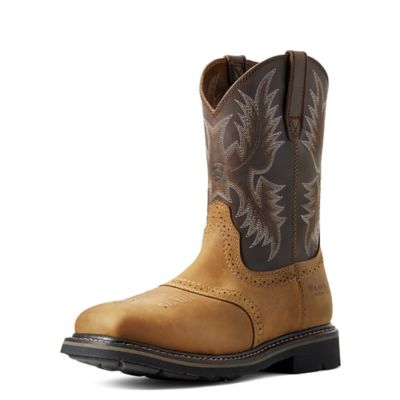
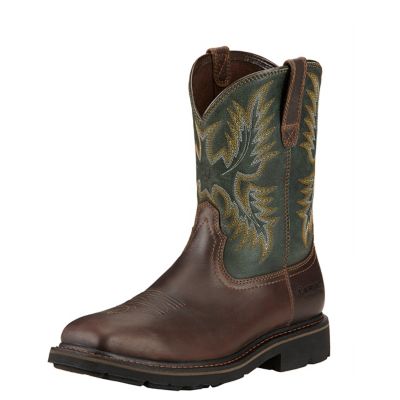
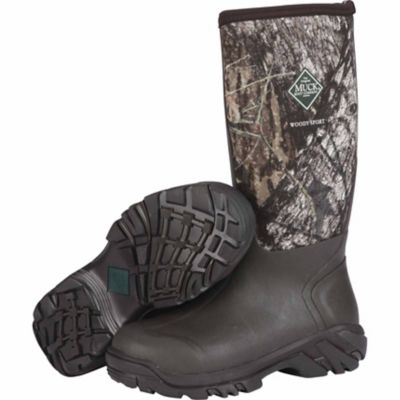
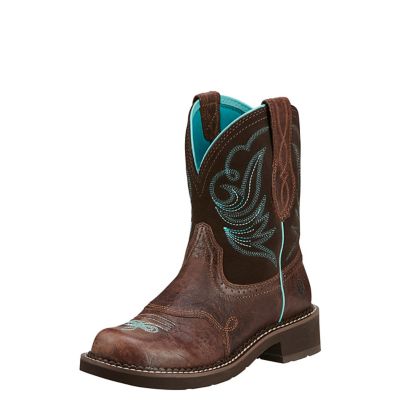
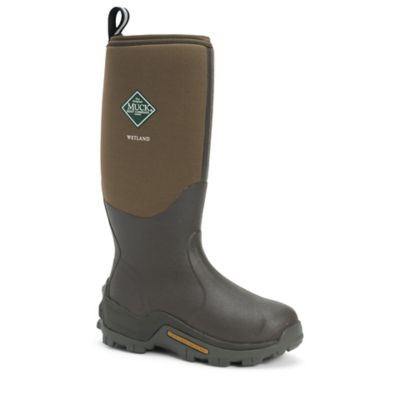
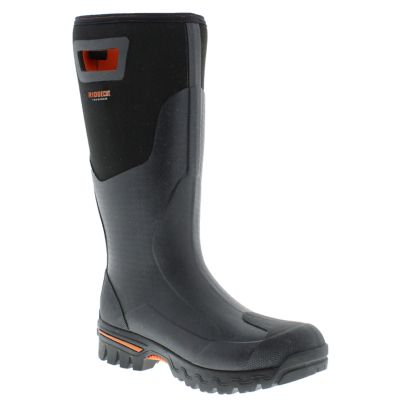
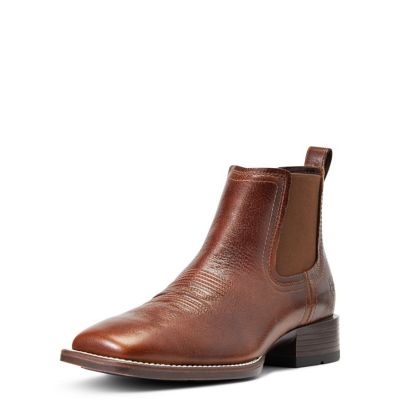
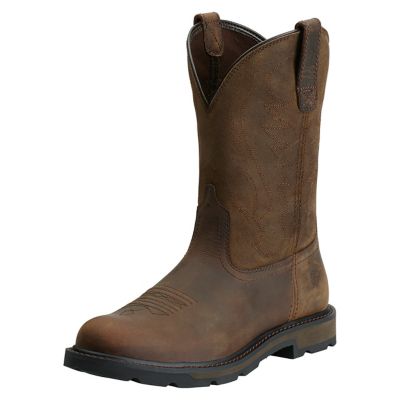
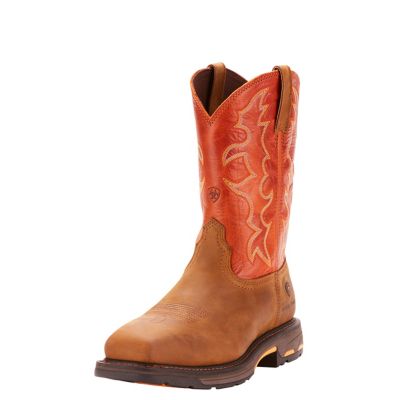
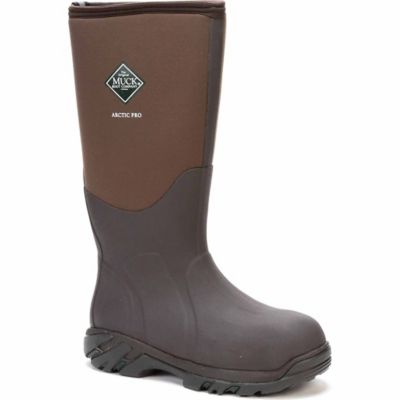
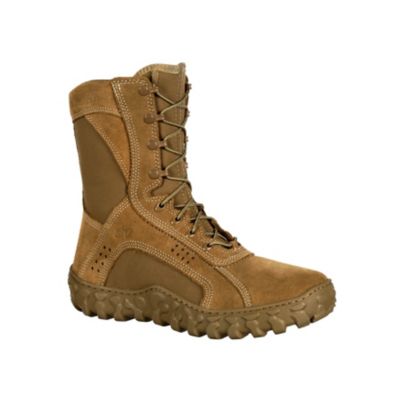
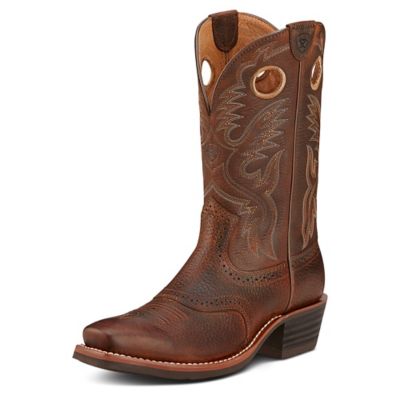
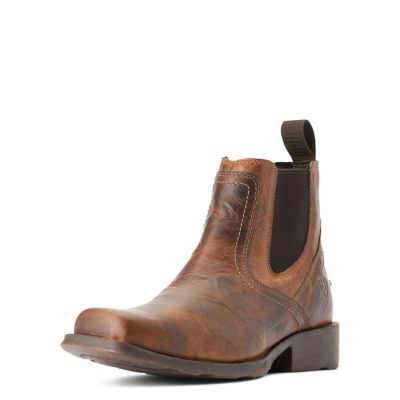
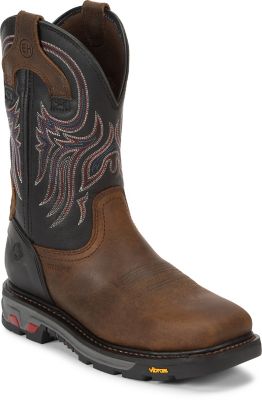
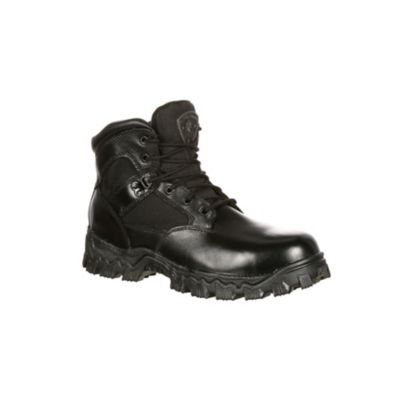
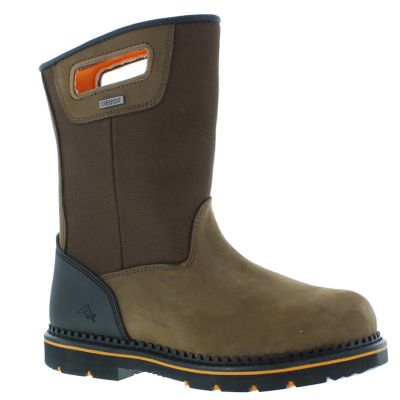
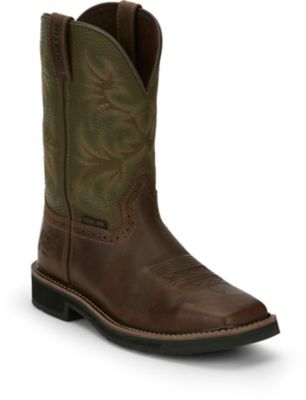
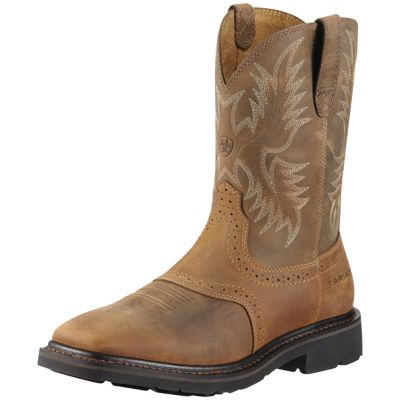
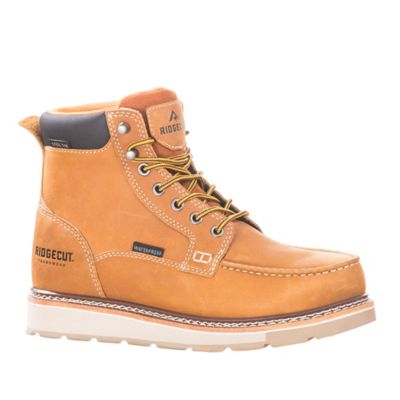
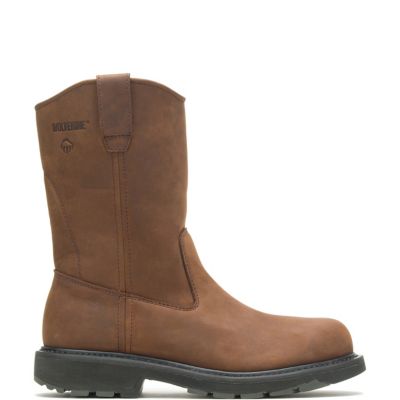
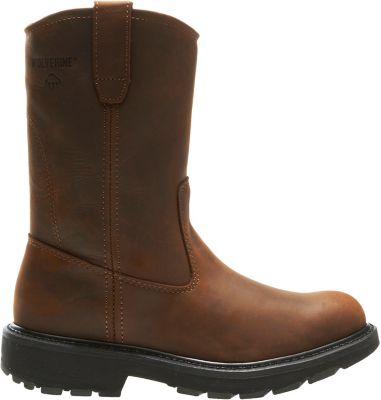
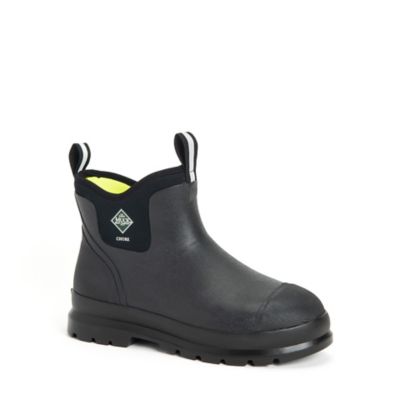
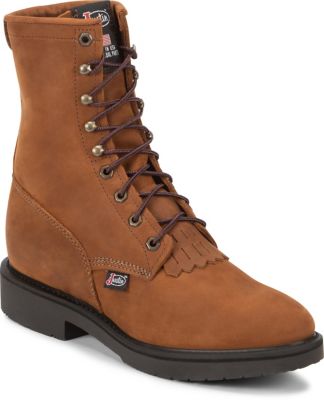
Work boots bring their own set of decisions, starting with the ground underfoot and any protection the job requires. Concrete floors, gravel yards, uneven pasture, and ladder rungs put different demands on footwear. A cushioned midsole may help with comfort during long stretches on hard floors, while outsole tread affects footing and how readily small stones or packed dirt collect underneath. Broad, relatively flat soles spread contact across the ground; defined heels may suit certain tasks, but heel shape should match the equipment and work involved. Slip-resistant footwear can improve traction on specified surfaces, though no sole prevents every slip, especially where oil, loose debris, or other contaminants are present. Safety-toe boots are another task-based choice. Steel and composite toe caps can both meet workplace protection requirements when properly tested and marked; the label and employer’s requirements matter more than assumptions about the material. Electrical-hazard protection, puncture resistance, and metatarsal protection are separate features, not benefits that come with every safety toe. Birmingham workers on industrial sites should match footwear to the required safety standard and the hazards identified for their role. Fit deserves just as much attention as the rating. Toes need room without pressing against the front or sides, and the widest part of the foot should line up with the widest part of the boot. A safety cap will not stretch to relieve pressure. Trying boots with the socks normally worn for work helps reveal crowding, rubbing, or excess movement. Lace-up styles allow adjustment across the instep and around the ankle, while pull-on styles depend more heavily on the shape of the heel and instep for a secure feel. Some heel movement can occur in a new pull-on leather boot, but repeated rubbing or a foot that slides around calls for a closer look at size and shape. Leather uppers can soften with wear, yet a break-in period should never mean putting up with pinched toes, numbness, or sharp pressure. Removable footbeds may offer flexibility, provided any replacement leaves enough space inside the boot.
Western workwear fits naturally into the mix for people whose responsibilities include livestock, trailers, and property upkeep alongside trips into Birmingham. The same practical details matter in
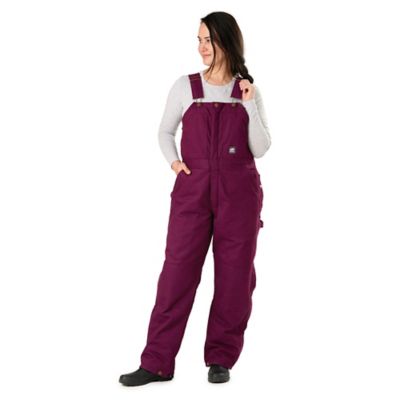
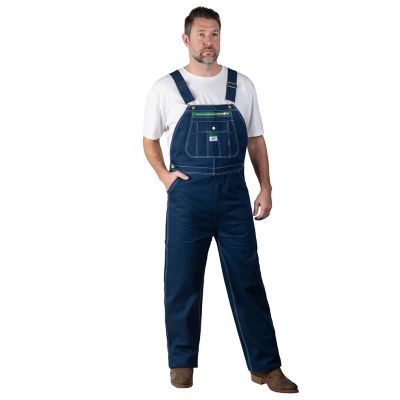
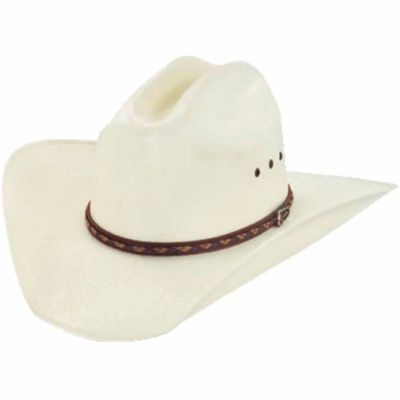
Cowboy Workwear, where Western cuts and pull-on boots need to support movement rather than get in its way. A shirt that stays put while lifting feed sacks and jeans that fall neatly over a boot shaft can feel at home in the barn and around town. For anyone riding as part of the day’s work, footwear should suit the stirrups and riding activity; a walking boot is not automatically a riding boot. Bib overalls offer a different approach, with torso coverage and adjustable straps, but their length and looseness still need to suit the task. Where flame-resistant clothing is required, fabric appearance alone tells very little. Garments need the appropriate rating for the identified hazard, and ordinary cotton clothing is not a substitute for required protective apparel. Care is part of keeping any work outfit ready for another round. Shake loose dirt from clothing, check pockets, close fasteners as directed, and follow the sewn-in washing instructions. Oil, grease, and other jobsite residues may need special handling, particularly on protective garments. Avoid bleach, fabric treatments, or alterations when the care label prohibits them, and inspect cuffs, knees, seams, and closures before small failures become bigger problems. Boots benefit from regular attention as well: brush away grit, clean them with a method suited to the upper material, and let them dry away from direct heat. Leather conditioner should match the leather finish rather than be applied indiscriminately, and worn tread, separating soles, or exposed safety components deserve prompt attention. Workwear can also make a thoughtful gift for someone starting a trade, taking on a first acreage, or spending weekends in the workshop. Knowing their measurements, preferred fit, and job requirements makes the choice more useful. Boots call for an especially personal fit, while everyday clothing still needs to accommodate the reaching, lifting, and kneeling that shape a working day.