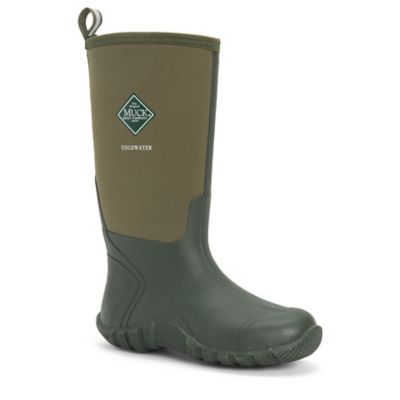
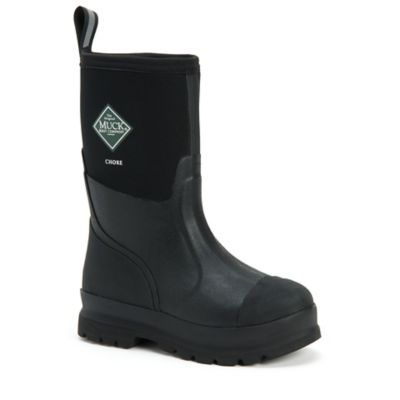
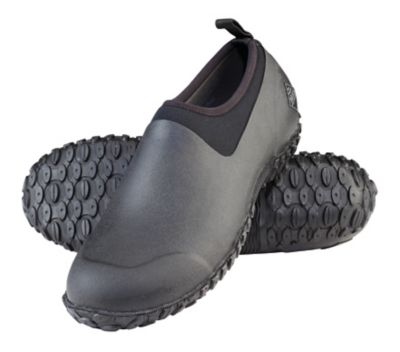
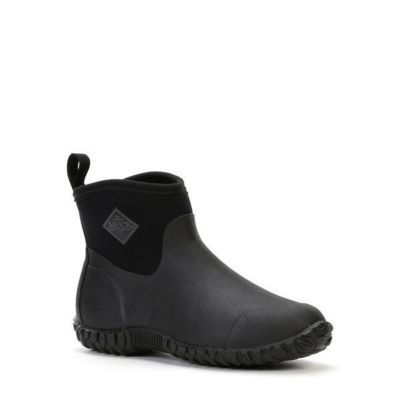
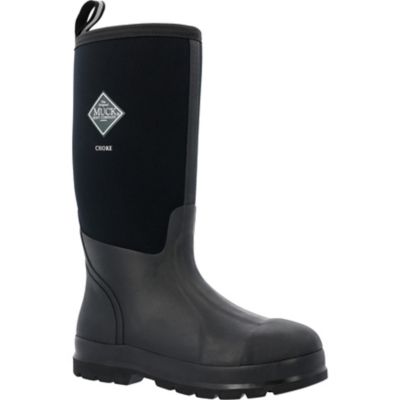
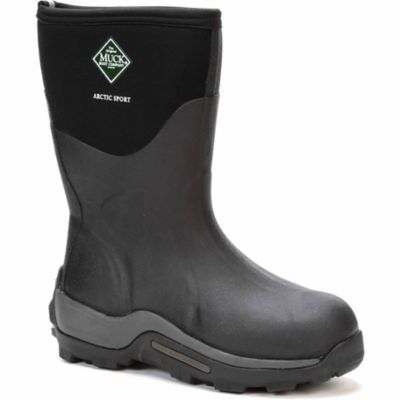
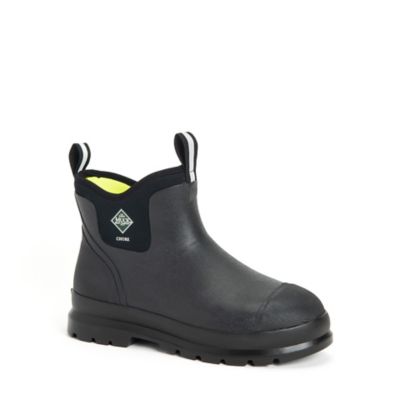
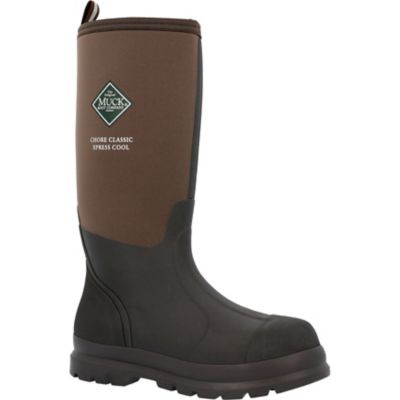
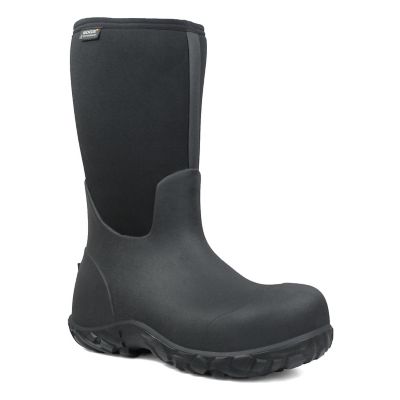
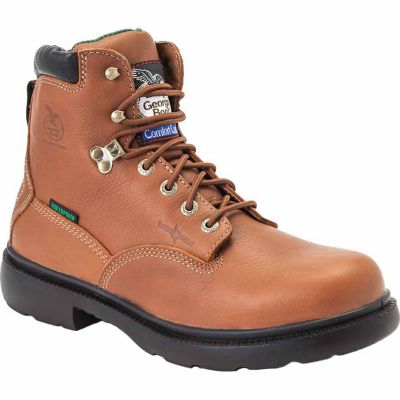
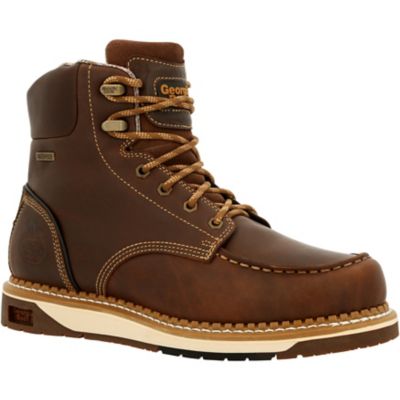
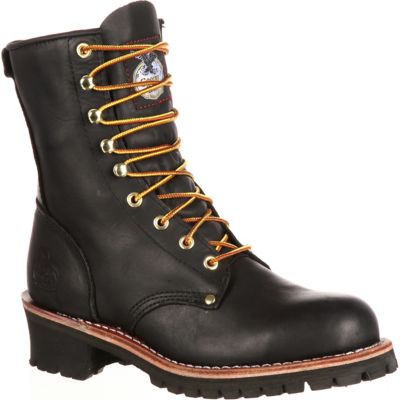
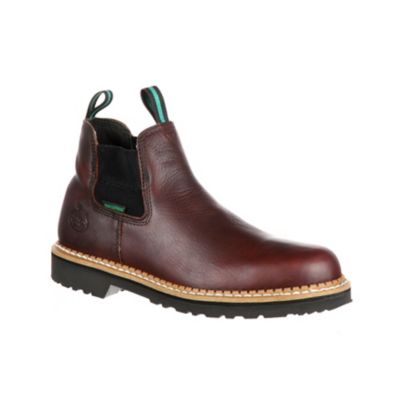
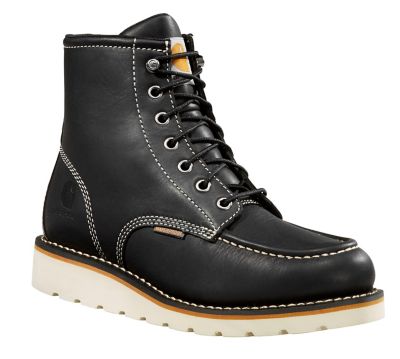
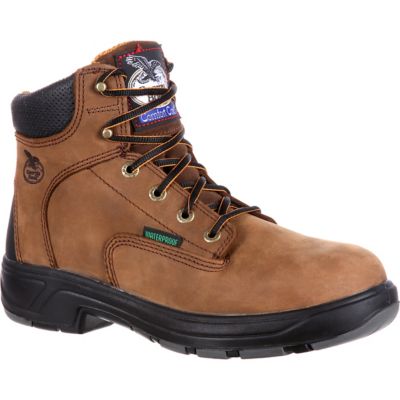
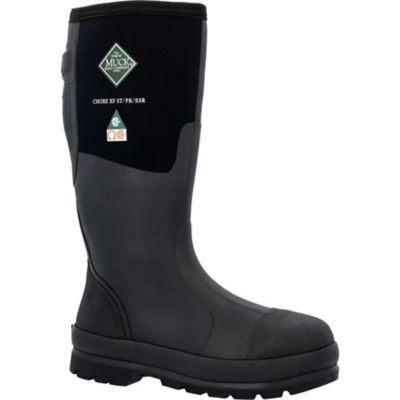
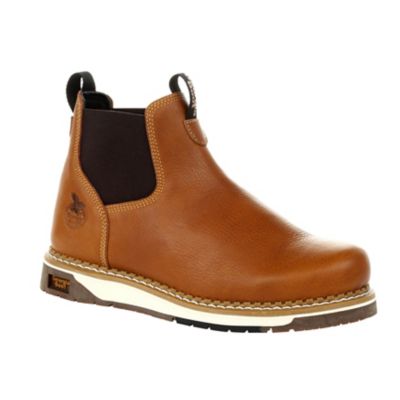
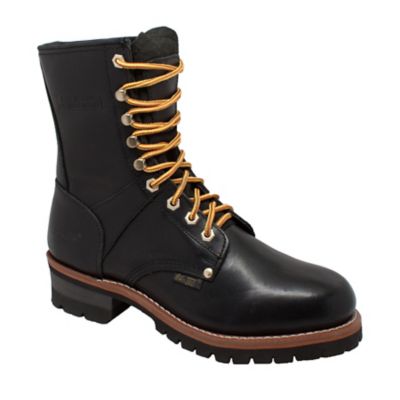
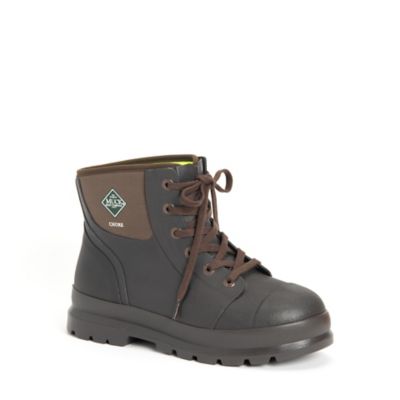
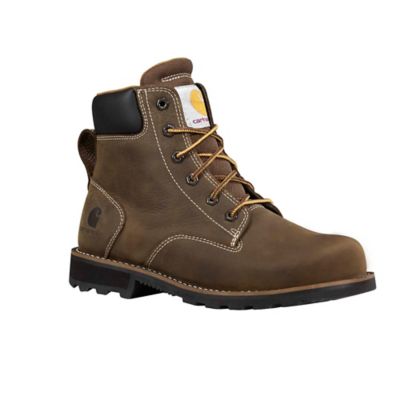
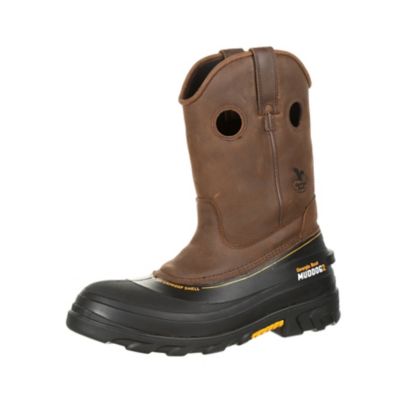
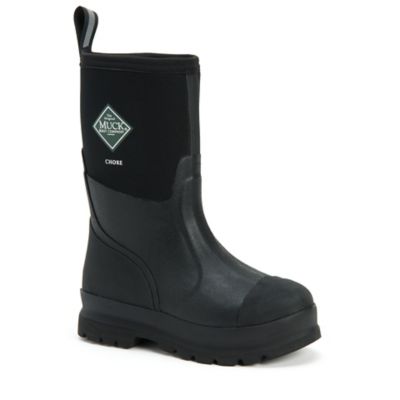
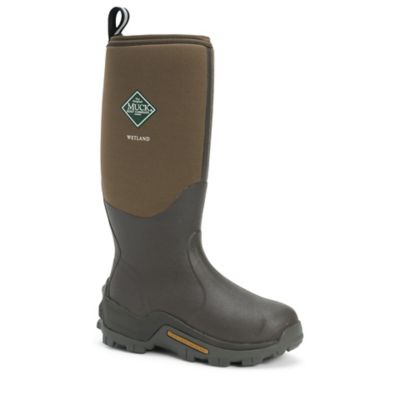
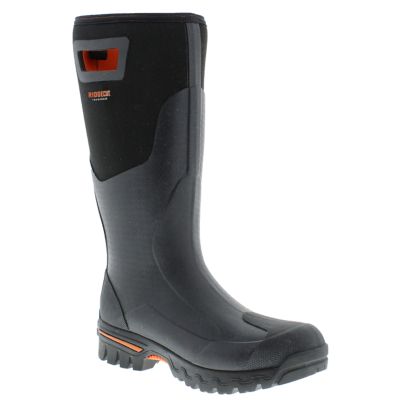
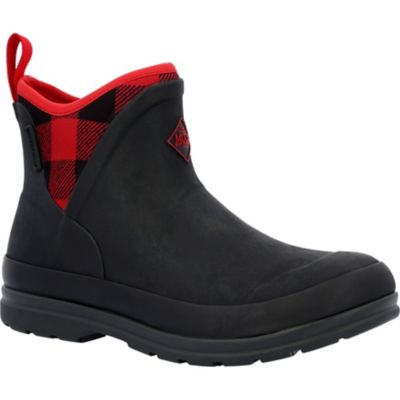
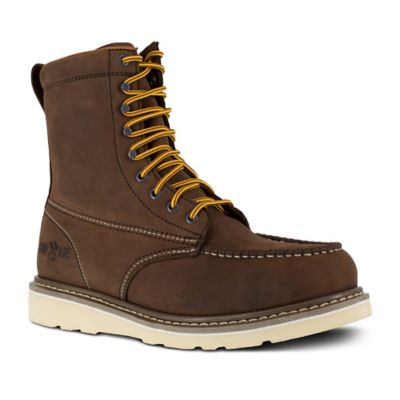
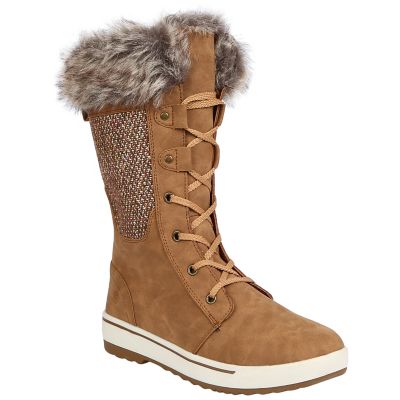
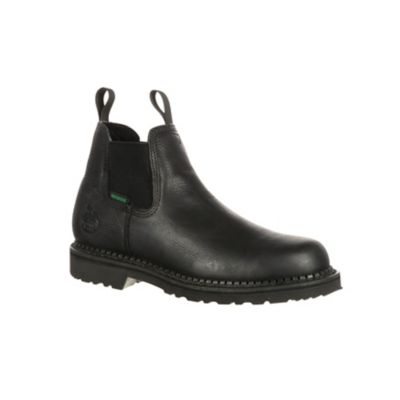
Holiday workwear boots are a practical gift for anyone who spends long hours on their feet, works outdoors, or needs dependable footwear for chores around the farm and home. During the cooler months, a good pair of work boots can make early mornings, muddy lots, frosty feed runs, and busy jobsite days a whole lot more comfortable. They’re useful for farmers, ranchers, landscapers, mechanics, construction crews, warehouse workers, delivery drivers, and do-it-yourselfers, as well as folks who simply want sturdy boots for splitting wood, checking fences, walking the dog, or clearing snow. When shopping for a holiday gift, start with the work the wearer actually does. A boot for indoor shop work may need a different sole and level of insulation than one used in wet fields or on uneven ground. Pay attention to fit, too. Work boots should feel snug around the heel without slipping, leave enough room for toes to move, and allow space for the socks the wearer normally uses. If the boots are intended as a gift and you’re unsure of the size, checking an existing pair of boots or choosing a retailer with a helpful return policy can save some holiday-season guesswork. Many shoppers also compare the price of workwear boots by construction and safety features, with dependable options commonly ranging from about $130 to $310. Spending more may make sense for someone who wears boots every day and needs premium materials, added cushioning, or specialized protection, while a simpler pair may be a better fit for occasional chores and general outdoor wear.
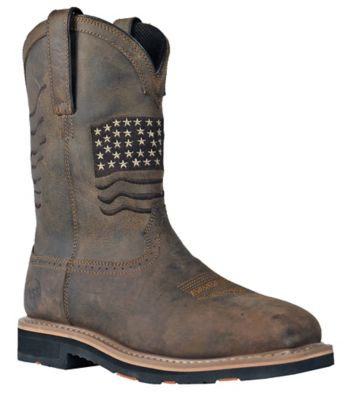
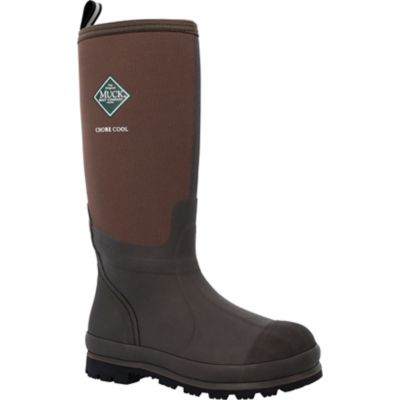
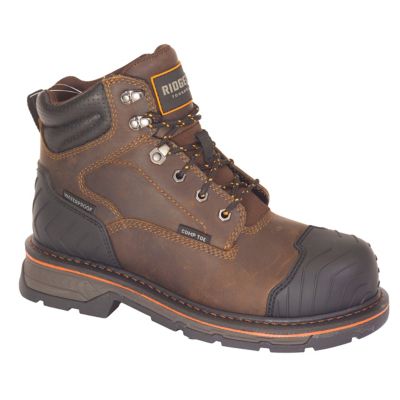
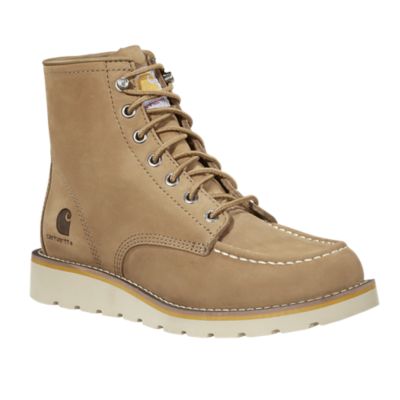
The toe style is one of the most important choices. Steel-toe boots offer sturdy protection against falling or rolling objects and are a familiar choice for demanding jobs, while composite-toe boots can provide similar protective coverage with less weight and without conducting cold as readily in some conditions. Soft-toe boots are often comfortable for everyday chores and jobs that do not require a safety toe, with a more flexible feel for walking, driving, and moving between tasks. Always check the safety requirements for the wearer’s workplace before buying, since not every boot meets every jobsite standard. An electrical hazard rating may be important for certain trades, while slip-resistant outsoles can add confidence on wet concrete, slick shop floors, or muddy ground. Waterproof construction is helpful when the day includes rain, puddles, snow, or damp grass, but look closely at how the boot is built. A waterproof membrane, sealed seams, and a gusseted tongue can help keep moisture out, while a treated leather or synthetic upper may make routine cleanup easier. For cold-weather work, insulation can help hold in warmth, though heavily insulated boots may feel too warm for active indoor work. A removable footbed, breathable lining, and moisture-wicking socks can make a noticeable difference when boots stay on from sunup through the afternoon. An eight-inch shaft offers extra coverage around the ankle and lower leg, which can be useful in brush, slush, or deep mud, while a shorter boot may be easier to pull on and more comfortable for driving or lighter chores. Western work boots, moc-toe styles, and traditional lace-up boots each have their own fit and feel, so think about how the wearer moves through a normal day rather than choosing by appearance alone.
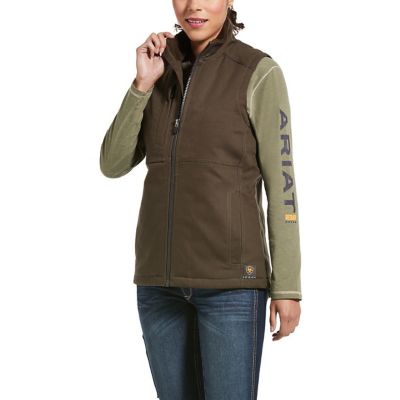
Durability and comfort matter just as much as safety when a pair of boots will be worn day after day. Look for sturdy stitching, a supportive midsole, a heel that feels stable, and an outsole with enough traction for the surfaces where the boots will be used. Full-grain leather can offer a tough, broken-in feel and often develops character over time, while other materials may be lighter, easier to clean, or more flexible straight out of the box. New boots usually need a little time to soften, so wearing them for short periods before a full shift can help prevent sore spots. Keep laces tied securely, brush off dirt after muddy work, and let wet boots dry naturally away from direct heat, which can damage leather and adhesives. A boot dryer, conditioning treatment, or fresh pair of work socks can round out a holiday gift for someone who already has a favorite style. For women who need warm layers and job-ready clothing to go with their boots, browse
Winter Workwear For Women for additional cold-weather workwear ideas. Whether the boots are headed to a barn, a shop, a construction site, or a back step covered in morning frost, the right pair should match the wearer’s work, fit comfortably for the long haul, and provide the protection needed for the ground beneath their feet.