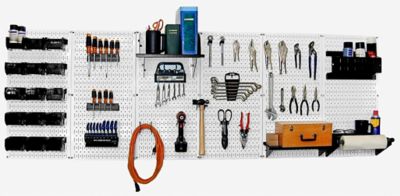
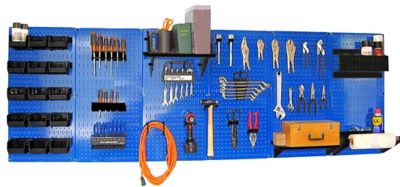
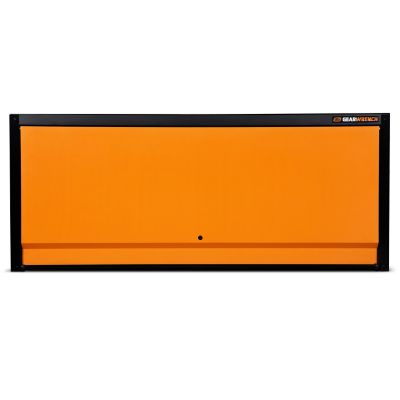
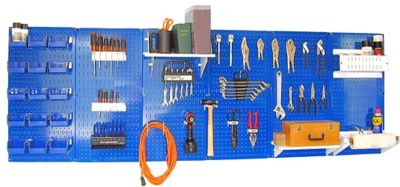
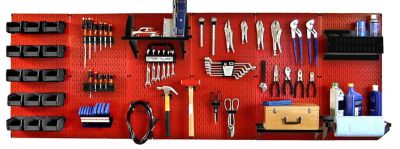
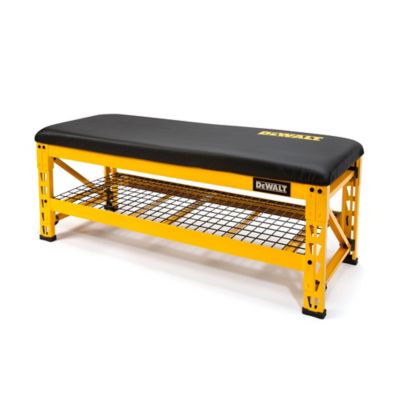
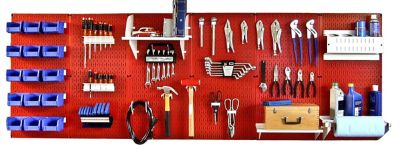
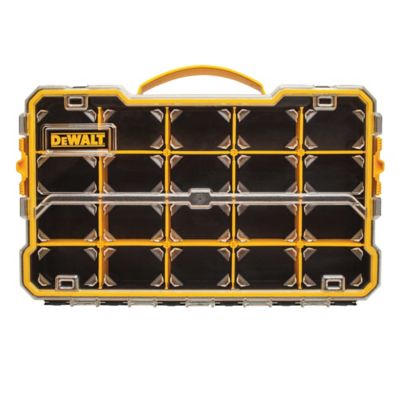
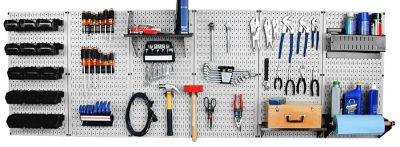
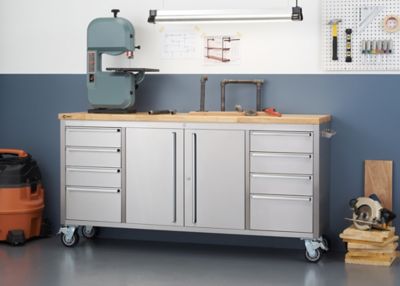
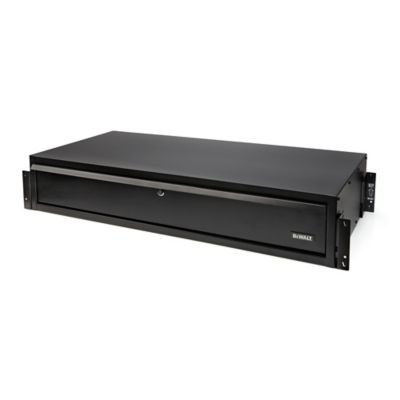
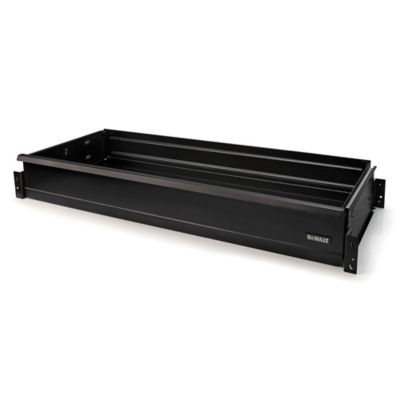
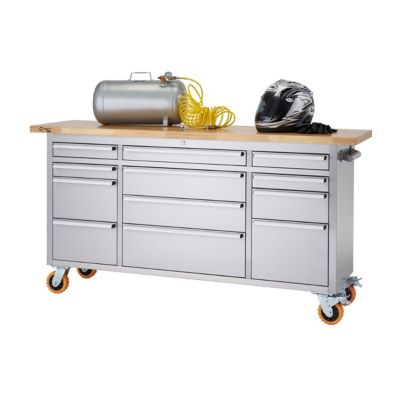
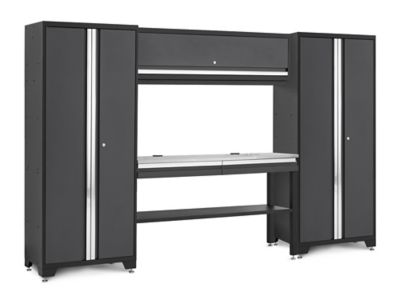
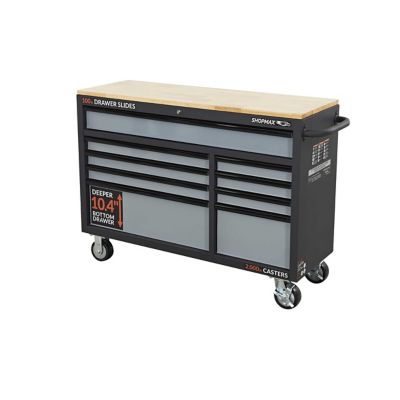
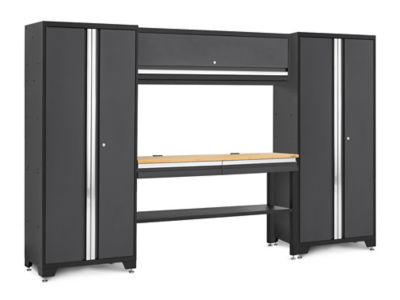
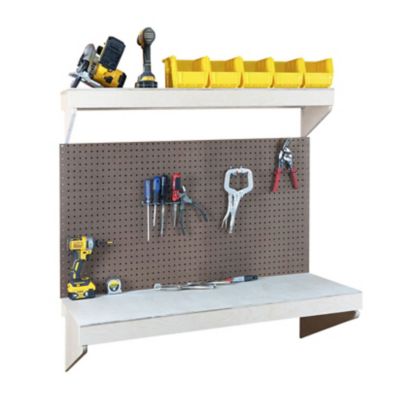
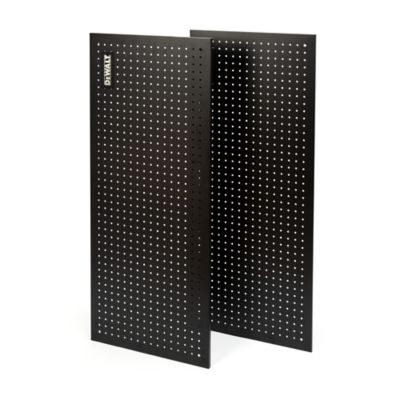
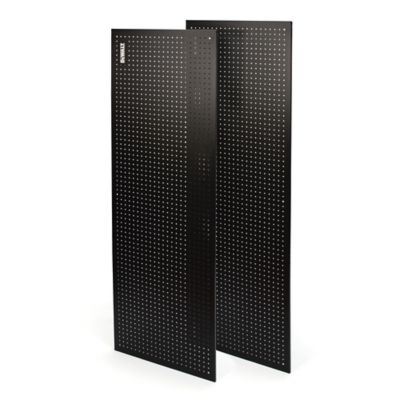
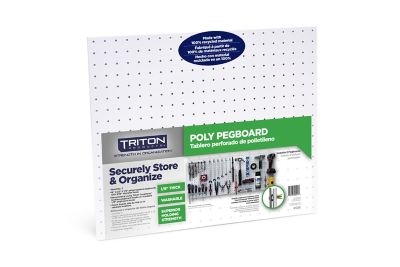
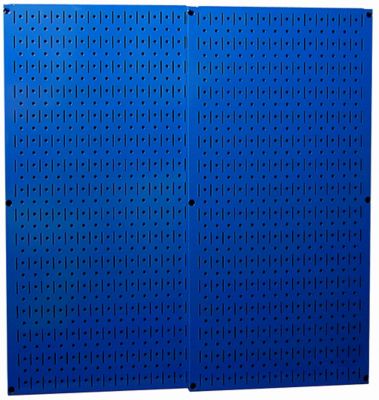
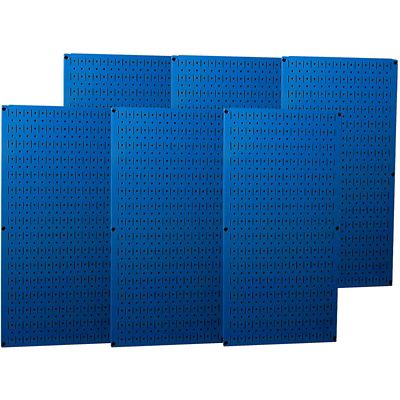
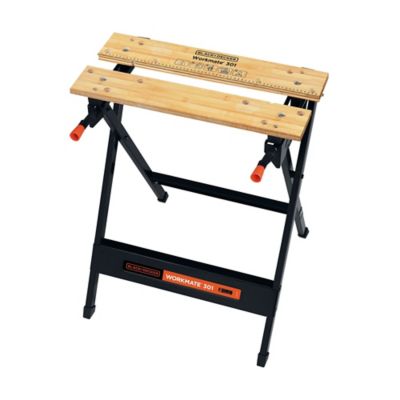
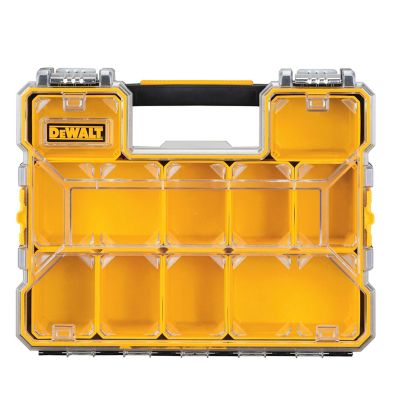
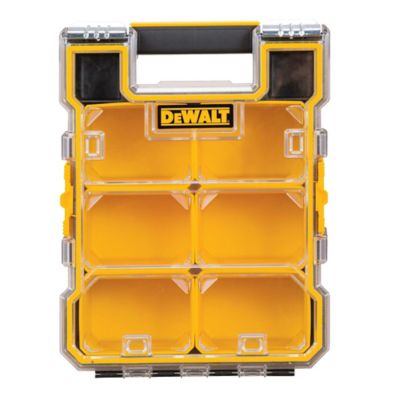
Workbench organizers help keep the working part of a shop ready for the next repair, adjustment or build. When sockets have a place and loose fasteners stay sorted, there’s more room to set down a mower part, clamp a board or spread out a small engine assembly without pushing a pile aside first. These storage options suit farm shops, garages, equipment sheds and home workspaces where several jobs may pass across the same surface. Wall-mounted panels put hand tools within sight, while drawer organizers separate smaller pieces that tend to disappear beneath larger tools. Open bins make it easy to reach for everyday hardware, and enclosed compartments help keep tiny parts together between jobs. Shelf organizers can make better use of the space above or below a
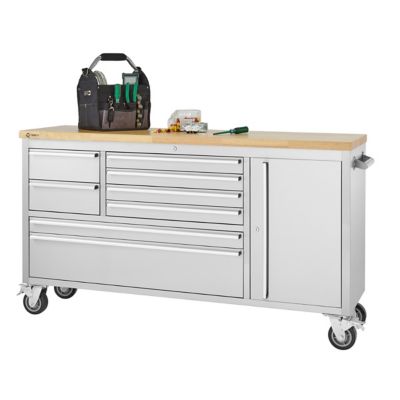
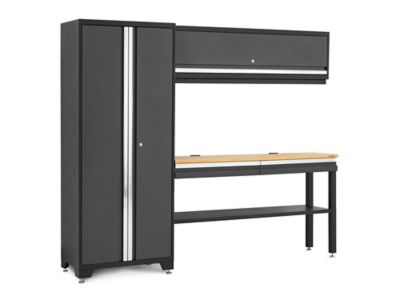
work bench, leaving the main surface open for hands-on work. The best arrangement depends on what happens at that bench. Equipment maintenance often calls for room for sockets, wrenches, fittings and replacement hardware. Woodworking calls for access to measuring tools, pencils, clamps and sanding supplies. A general-purpose household bench may need a little of each, with clear separation between tools, repair parts and project materials. Organizer depth matters just as much as width: a deep bin can hold more, but shallow compartments keep small pieces from getting buried. Drawer clearance, shelf height and the distance between the wall and the front edge of the bench all affect how comfortably everything fits. Storage that stays within easy reach helps keep a familiar rhythm going, whether the job takes ten minutes or most of an afternoon. For shared workspaces, visible tool positions and readable labels also make it easier for the next person to find a wrench and return it to the same spot. That simple order can matter more than having a complicated storage arrangement, especially where the bench handles everything from gate hardware to a loose handle on a kitchen drawer.
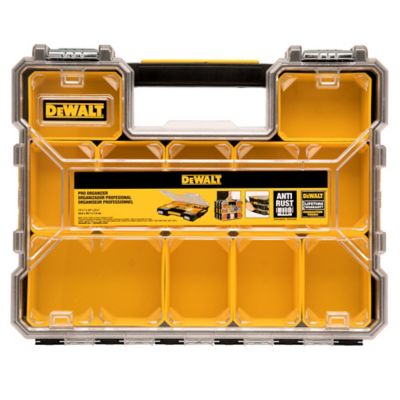
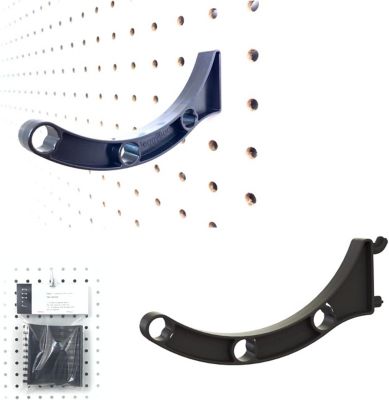
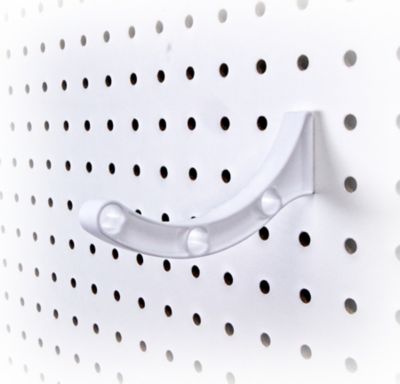
Material and construction play a big part in how workbench organizers hold up to everyday shop life. Steel organizers often suit heavier hand tools and busy work areas, with finishes that help protect the underlying metal. Scratches, worn edges and contact with shop liquids still deserve attention, and finish care should follow the manufacturer’s directions. Molded plastic organizers can be lighter to carry and easy to wipe down, though weight limits and resistance to oils or solvents vary by material. Clear compartments let small contents show through at a glance, while opaque bins offer room for a label on the front. Wood organizers bring another option for fitted tool spaces and open compartments, with care needs that depend on the surface finish. Smooth edges, sound joints and well-supported dividers are worth considering wherever tools move in and out all day. Mounting details matter, too. A wall organizer’s capacity depends on the complete installation, including the backing surface, brackets and fasteners, not simply the strength of the panel. Peg spacing, hook shape and accessory connections need to match the organizer system so holders sit properly and tools stay supported. For drawer inserts, inside measurements count more than the outside size of the cabinet. Drawer slides, raised edges and handles can reduce the room available for a tray, while tall tools may need more clearance than a shallow drawer provides. Adjustable dividers offer flexibility as the mix of hardware changes, but fixed compartments can make sense for parts that need consistent separation. Cleaning is another practical consideration: removable trays, accessible corners and washable surfaces can make clearing sawdust, filings and oily residue less of a chore. Metal shavings and fine dust are easier to manage when they cannot collect beneath a complicated set of fixed partitions. No organizer replaces the proper storage requirements for sharp tools, chemicals or other materials that need their own safeguards.
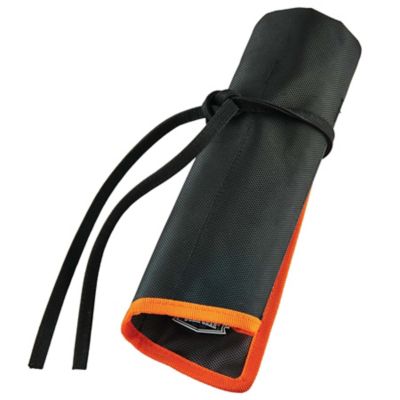
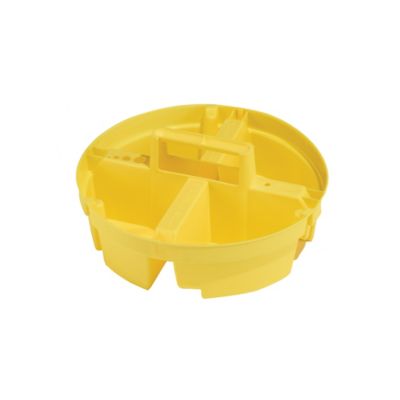
Different jobs call for different ways of keeping track of the small stuff. During a mower repair, a compartmented tray can keep the hardware from one cover separate from the fasteners on another, making reassembly less of a guessing game. At a woodworking bench, a rack that holds measuring and marking tools apart from heavier gear helps protect their edges and keeps them easy to grab. For fence and gate repairs, portable organizers can carry selected hardware from the shop to the job, then return to a shelf without another round of sorting. Lids, latches and carrying handles deserve attention when storage needs to travel; a tray that works well inside a drawer may not keep its contents separated on the move. Removable bins offer another practical middle ground, letting a small selection of parts come to the work while the rest stays put. Capacity should match the contents rather than the urge to fill every opening. Nuts, bolts and washers get heavy in a hurry, and a deep container can become awkward to lift even before it looks full. Labels that identify size, thread or purpose help distinguish similar-looking parts without opening every compartment. Leaving some space for incoming hardware also makes an organizer easier to maintain as projects change. For someone setting up a first shop, a straightforward organizer that fits the existing bench can be a welcome gift, especially when the compartment sizes suit the tools already on hand. More experienced tinkerers may appreciate storage that fills a particular gap, such as better separation inside a crowded drawer or more room for everyday hand tools along the wall. Across these setups, the goal stays practical: tools within reach, parts kept together and enough clear bench space to get the job done without hunting through a heap first.