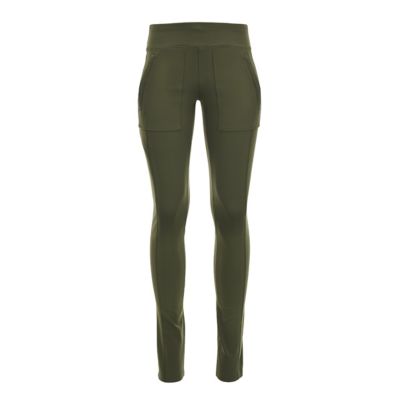
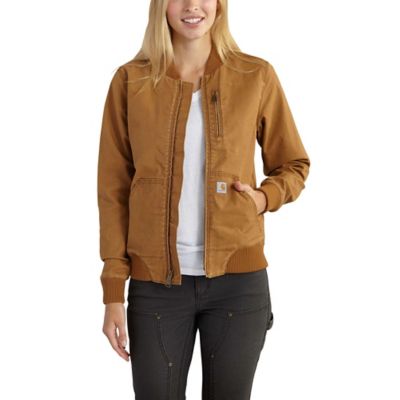
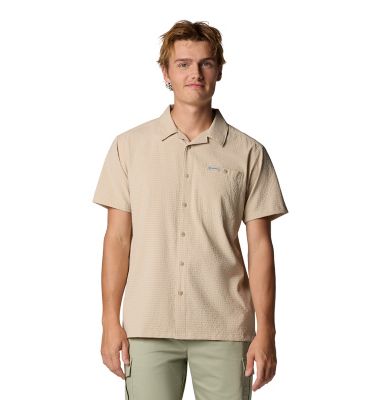
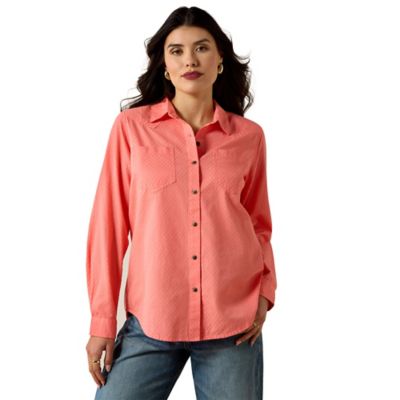
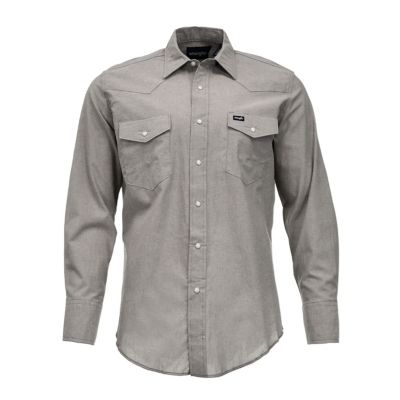
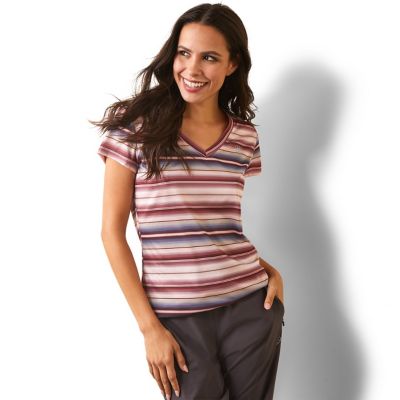
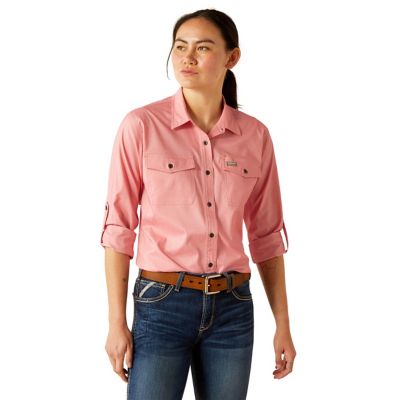
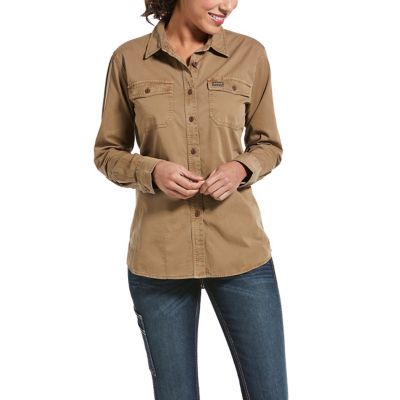
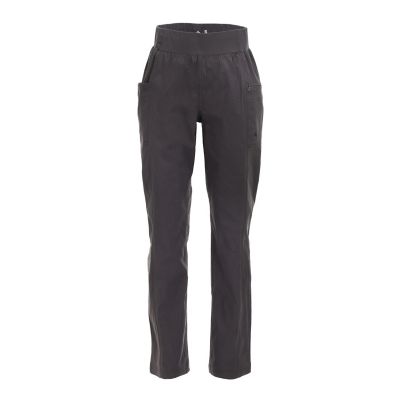
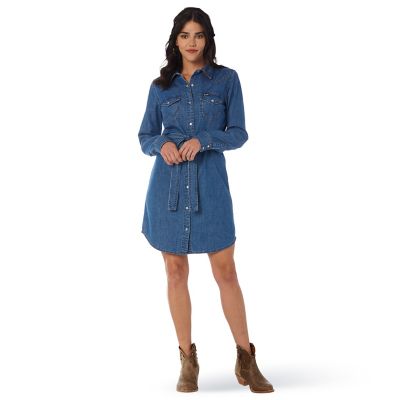
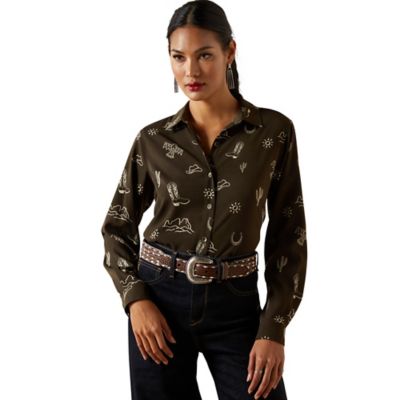
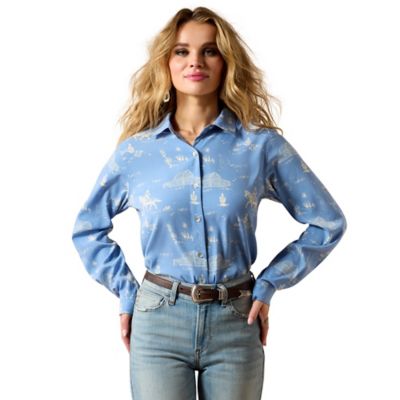
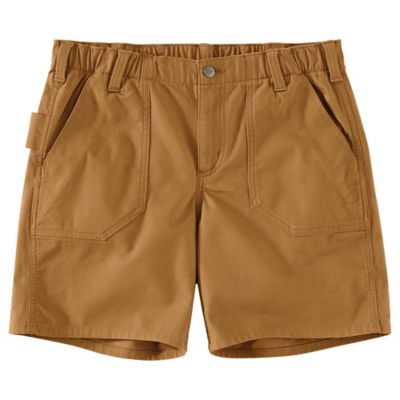
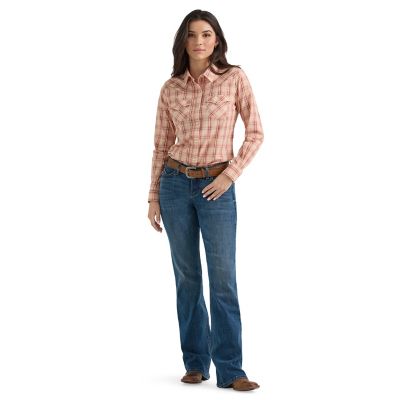
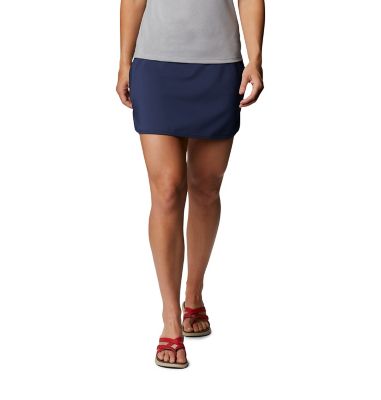
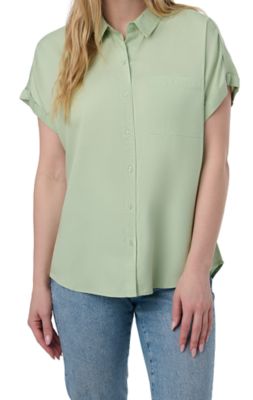
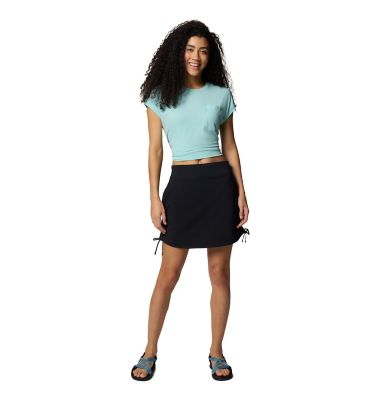
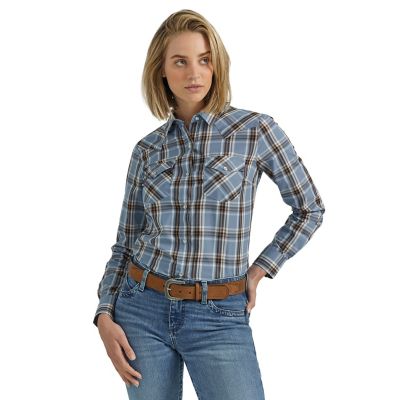
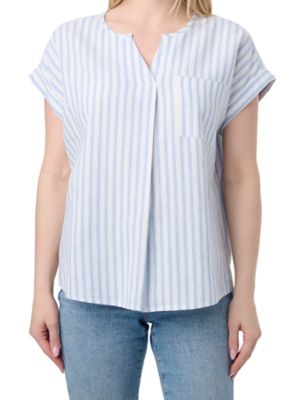
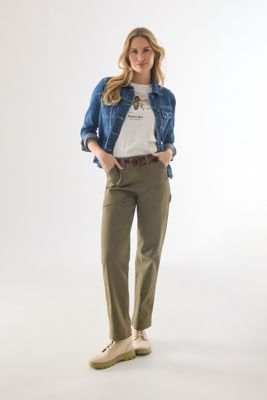
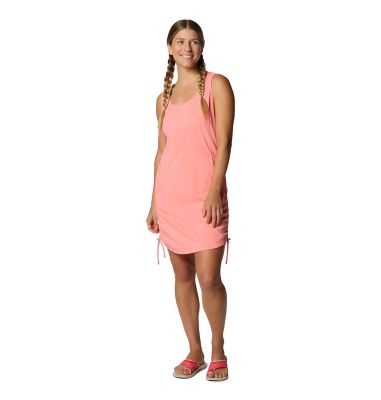
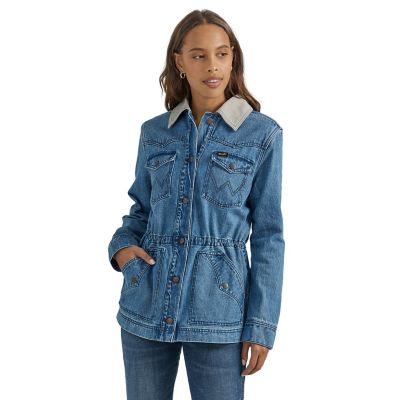
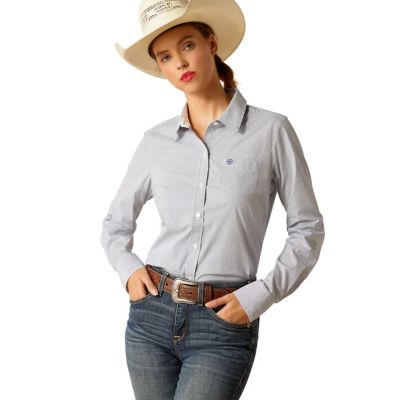
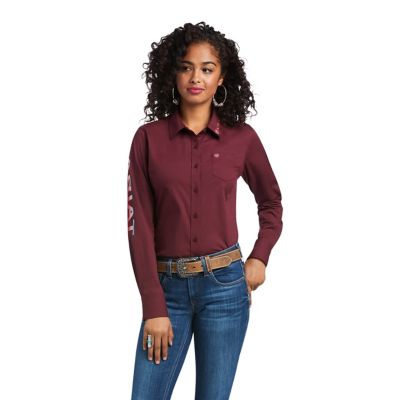
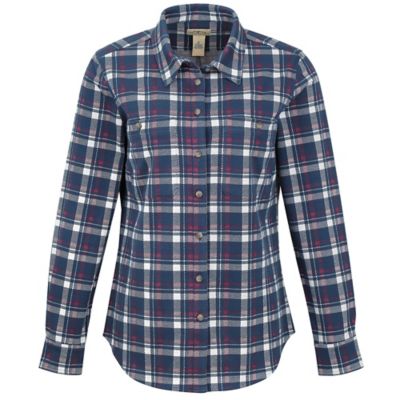
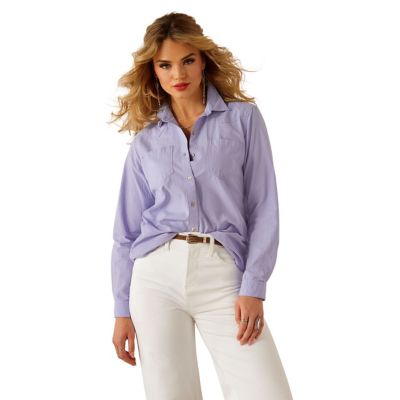
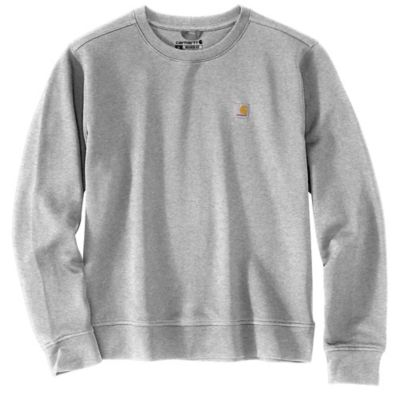
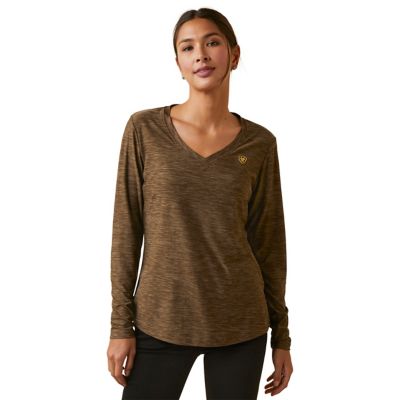
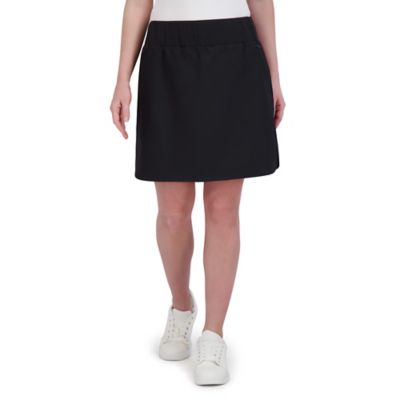
Work outfits for spring bring together breathable fabrics, comfortable fits, and light layers that look right for the job at hand. A cotton button-down with straight-leg trousers makes a practical starting point for an office, a front counter, or a day that includes meeting clients. A lightweight blazer adds structure without the weight of a heavy coat, while a fine-knit sweater offers a softer look for a relaxed workplace. Wide-leg trousers, simple blouses, and midi-length dresses can also suit spring office outfits when their shape, coverage, and fabric match the dress code. Out on a property or around a shop, workwear has a different job to do: sleeves need to move freely, knees need room to bend, and hems need to stay clear of equipment. The common thread is clothing that lets someone get on with the day rather than fuss with a waistband or keep tugging a shirt back into place. Spring can mean a chilly drive to work, a sunny lunch break, and a damp walk across the parking lot, so separate layers make more sense than one heavy piece. An unlined jacket or a light overshirt can come off easily once the day gets going. Neutral shades such as navy, tan, olive, gray, and cream help shirts, pants, and outer layers work together, while a muted check or a small floral print adds a little color where the setting allows it. For someone who splits time between a farm office and errands in town, dark denim with a neat woven shirt can bridge those settings if jeans fit the workplace rules. More formal offices may call for tailored pants and a structured jacket instead. The best spring work outfits suit the actual day ahead, whether that means sitting through appointments, standing behind a service desk, or heading outside to check a fence before the paperwork starts.
Fabric and construction make a noticeable difference over a full workday. Cotton feels familiar against the skin and allows airflow, though its weight and weave matter: a light poplin shirt feels quite different from a tightly woven canvas jacket. Linen blends offer an airy feel and a relaxed appearance, with some wrinkling part of their character. Cotton blends can balance breathability with easier care, while fabrics containing a little stretch may make reaching, driving, and crouching more comfortable. For jobs that involve frequent movement, extra room through the shoulders, seat, and thighs matters more than the size printed on a tag. A shirt should allow an easy reach across a desk or up to a shelf without pulling across the back. Pants should sit comfortably when seated, with enough room for bending but no excess fabric hanging near moving parts. Articulated knees, reinforced seams, and sturdy pocket edges are useful considerations for physical work, where repeated kneeling and contact with rough surfaces put clothing through its paces. Office clothing has its own demands, including seams that lie flat, waistbands that stay comfortable through a long meeting, and fabrics that keep a tidy appearance after the drive in. Lighter colors and thin weaves can need extra attention to opacity, especially in bright daylight. Pockets deserve a closer look, too: a secure place for keys or a phone is handy, but a heavily loaded pocket can pull a lighter garment out of shape. Care requirements also affect how well an outfit fits everyday life. Machine-washable fabrics can simplify the routine after a muddy walk or a dusty afternoon, while some tailored layers need gentler cleaning. Following the care label, closing fasteners before laundering when directed, and treating stains promptly can help clothing hold its shape and appearance. A rotation of pieces with compatible washing needs makes it easier to keep work clothes ready without turning laundry into another big chore.
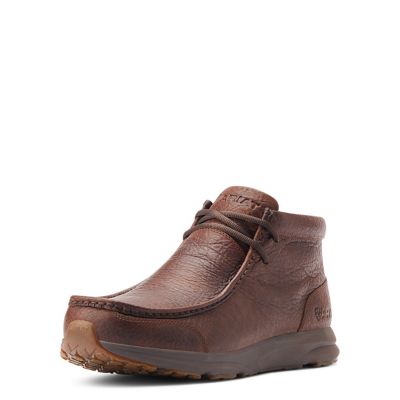
Footwear and finishing layers help spring work clothing feel complete, but their purpose goes beyond appearance. Leather loafers, closed-toe flats, and low heels can pair well with trousers or a work dress in an office setting, provided they meet workplace expectations and feel comfortable for the amount of standing involved. A secure heel fit and enough space through the toe area matter on a long walk from the parking lot just as much as they do behind a counter. For outdoor chores, uneven ground, or shop work, footwear needs to match the surface and the hazards, with job-required toe protection, traction, or other protective features where appropriate. A casual work outfit is not a substitute for required safety clothing, and ordinary fabric should never be assumed to provide protection from flames, chemicals, or electrical hazards. Loose sleeves, dangling accessories, and wide hems also need special consideration around machinery. Where the work is less hands-on, a simple belt and a light jacket can pull together an outfit without making it feel dressed up for the wrong occasion. Rain resistance can be helpful for brief trips between buildings, although water-resistant and waterproof materials do not offer the same level of protection. Breathability matters alongside coverage when a day includes both indoor tasks and outdoor walking. For a broader mix of everyday pairings beyond the workplace,
Spring Outfits For Women offers a related starting point. Work clothing can also make a thoughtful gift for someone beginning a job, helping with the family business, or returning to a role that keeps them on their feet. Knowing that person’s measurements, dress code, and care preferences makes the choice more personal and practical. Across office days, customer-facing roles, and work around the property, spring outfits earn their place through comfort, freedom of movement, and details that serve a real purpose. Clothing that fits the task and feels like the person wearing it leaves more attention for the work itself.