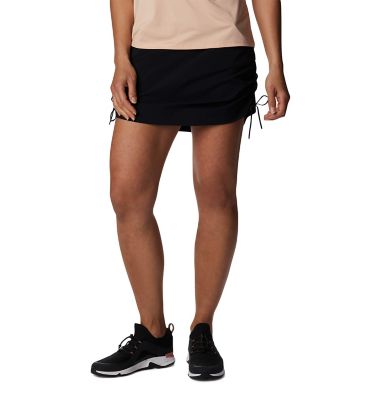
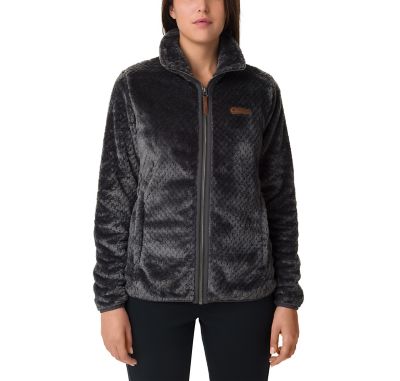
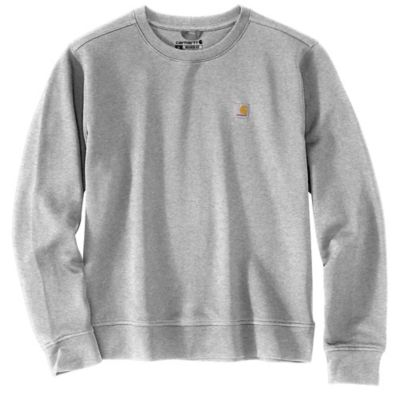
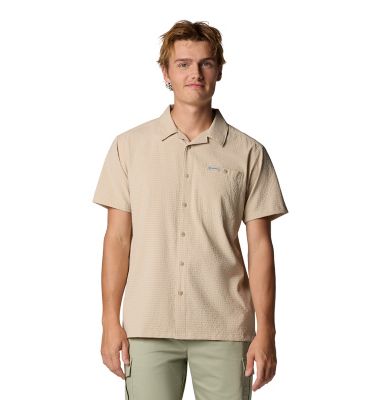
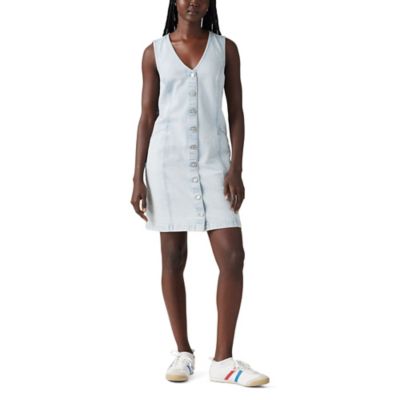
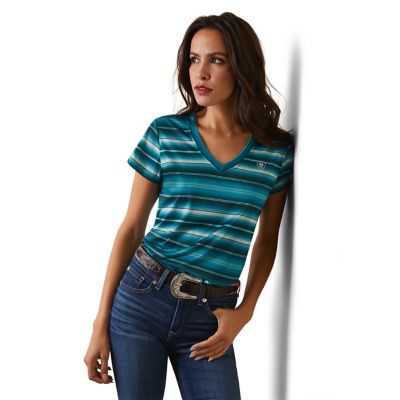
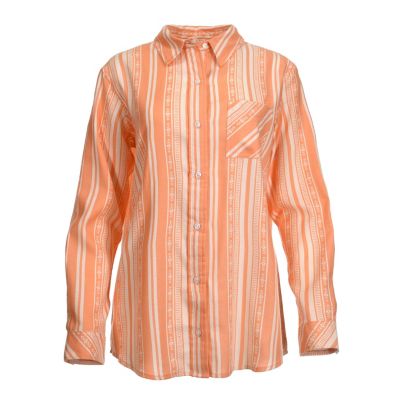
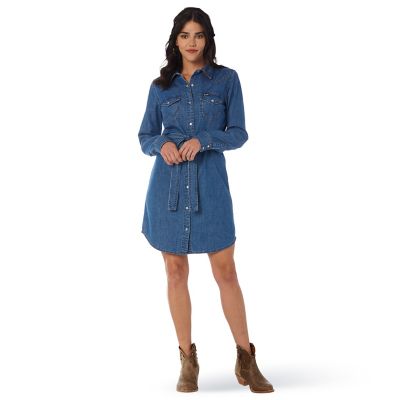
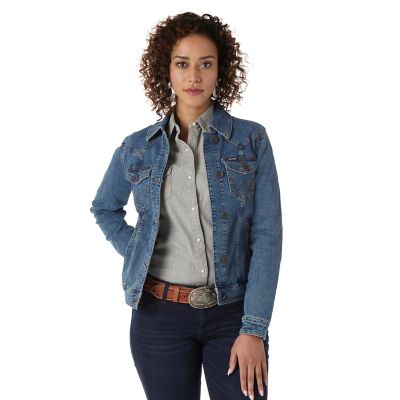
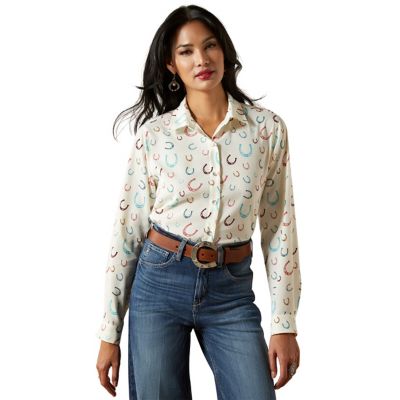
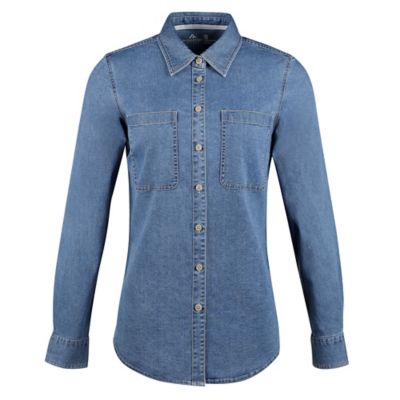
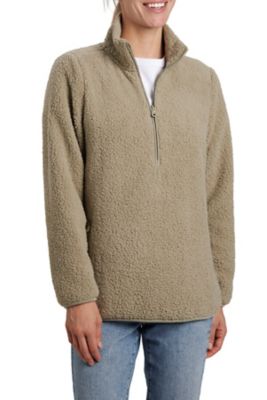
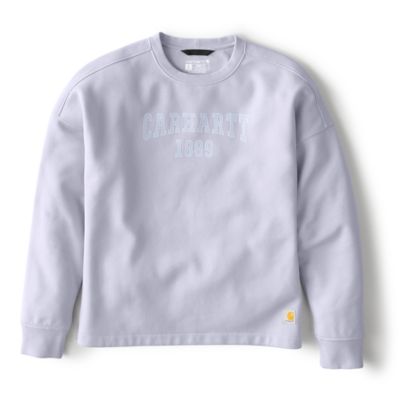
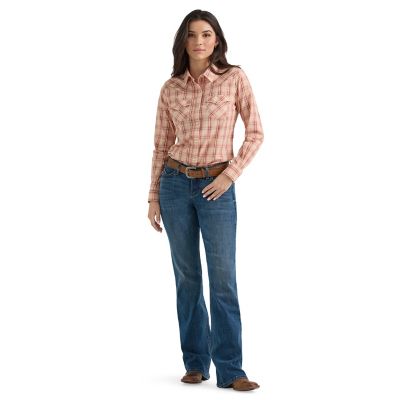
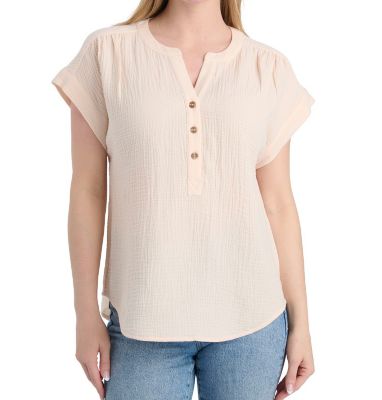
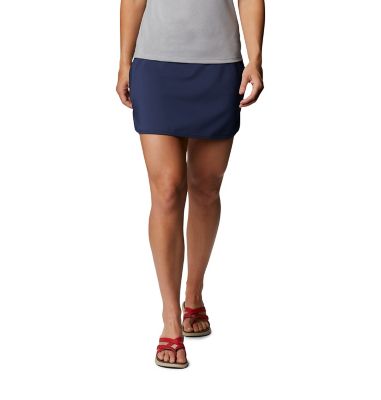
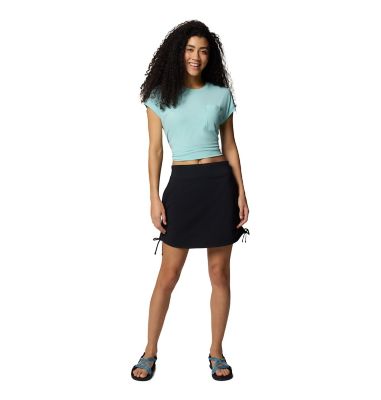
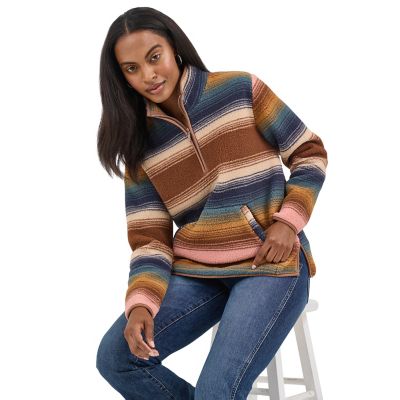
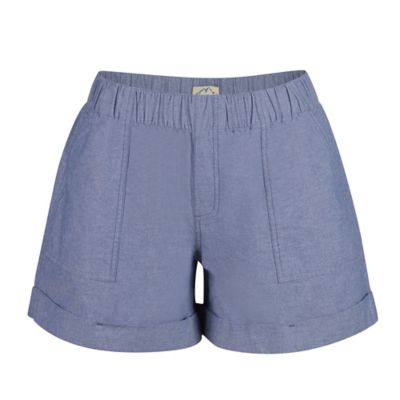
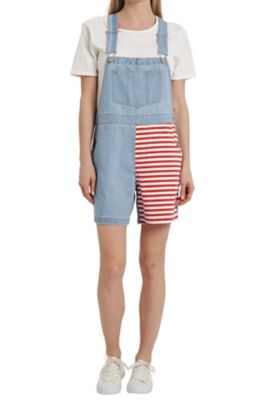
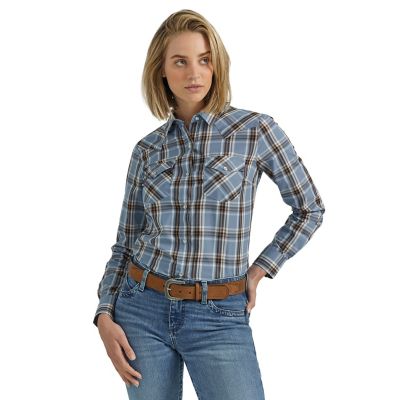
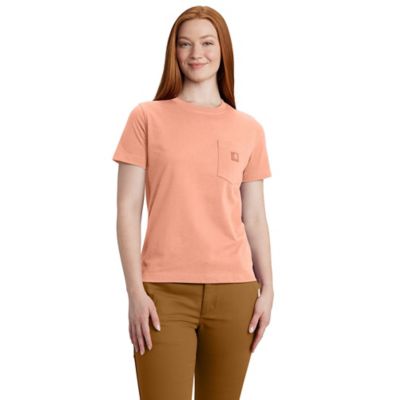
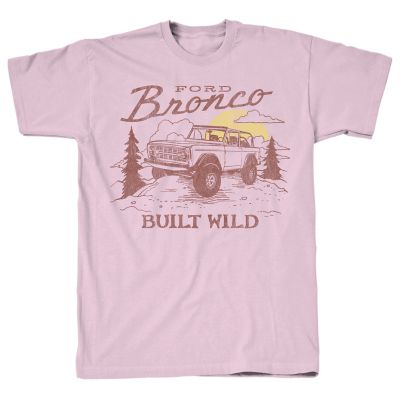
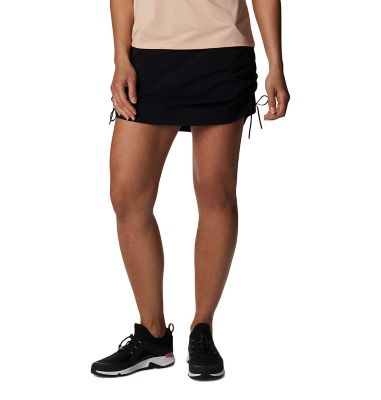
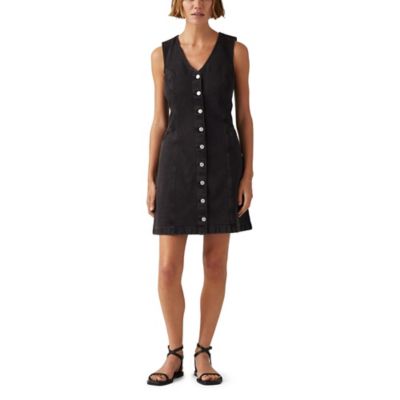
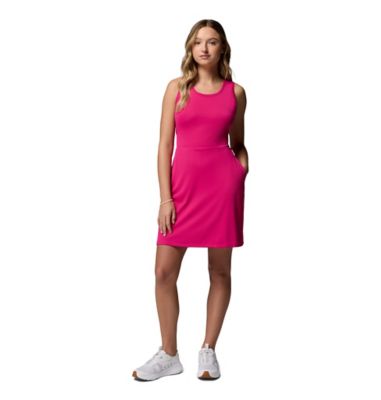
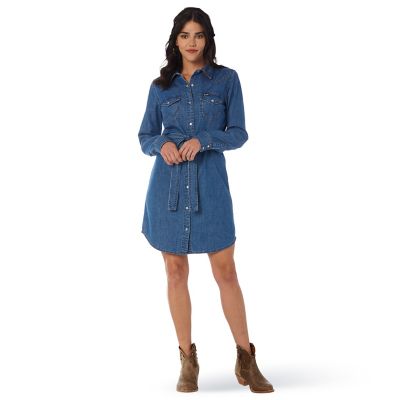
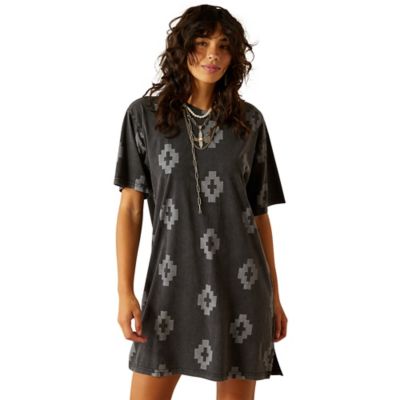
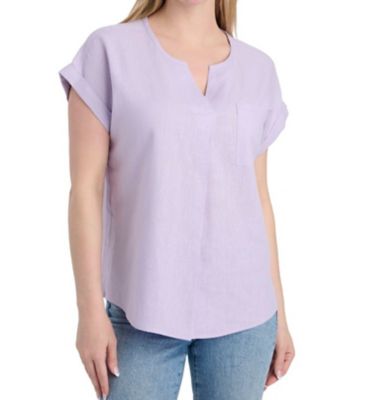
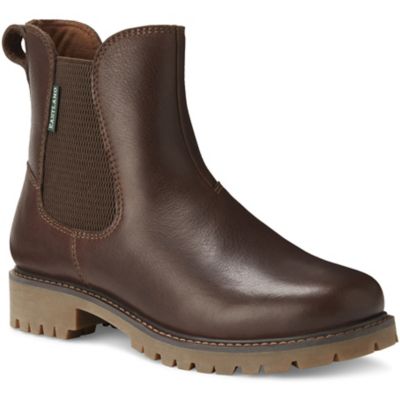
Casual spring outfits for women bring together breathable fabrics, comfortable fits, and light layers that make sense for everyday plans. A cotton tee with straight-leg jeans and a light jacket is an easy combination for a trip into town, while a floral dress with flat shoes feels right for a porch visit or a laid-back lunch. The common thread is clothing that lets you move comfortably without feeling overly dressed up. Spring can bring a chilly start, a sunny afternoon, and a breeze that picks up before supper, so separates that work together give an outfit some flexibility. Button-front shirts, lightweight sweaters, and unlined jackets add coverage without the weight of heavier outerwear. A shirt worn open over a knit top also makes a practical layer for a long drive or a morning spent browsing a farmers market. Cotton is a familiar choice for its soft feel and breathability, though fabric weight and weave affect how light it feels against the skin. Linen has an airy feel and a naturally rumpled appearance that suits relaxed outfits; linen blends can offer a similar look with a different drape or less pronounced wrinkling, depending on the fiber mix. Gauze brings a softly crinkled texture, while lightweight jersey stretches easily and packs without much fuss. These fabrics lend themselves to simple combinations, from pull-on pants with a tucked-in tee to a knee-length skirt with a loose button-front shirt. Soft greens, faded blues, cream, and earthy browns pair easily with denim, while stripes and small floral prints bring a little variety without making an outfit hard to coordinate. For a broader look at everyday layers and easygoing combinations,
Spring Outfits For Women brings the same seasonal focus to different ways of dressing. Whether the day includes errands, a family get-together, or a quiet afternoon on the porch, the appeal is simple: pieces that feel comfortable together and look pulled together without much fuss.
Fit makes a big difference in how casual spring clothing feels after several hours of sitting, walking, and getting in and out of a truck. A relaxed cut leaves breathing room, but it does not have to mean extra fabric everywhere. Shoulder seams that sit comfortably, sleeves that bend easily at the elbow, and waistbands that stay in place help clothing feel settled rather than distracting. Straight-leg denim offers a familiar shape that works with many casual shoes, while a wider leg gives more room through the thigh and calf. A small amount of stretch can make jeans easier to move in, although how well they keep their shape depends on the fabric blend and construction. Rise matters, too: a waistband that feels fine while standing may press or gap when seated. Pull-on pants offer another easygoing option, especially when the waistband lies flat and the drawstring adjusts without bunching. With dresses and skirts, length and fullness influence both coverage and freedom of movement. A midi hem can feel comfortable for lunch outdoors, but enough room through the skirt helps when taking a long stride or climbing steps. Lighter fabrics may be more sheer in bright daylight, so lining and fabric density are worth a look. Pockets are handy for small essentials, provided their placement does not pull at the hips or weigh down a thin fabric. Proportion gives these relaxed pieces a little shape: a shorter jacket can balance wide-leg pants, and a lightly tucked shirt can define the waist without feeling stiff. Footwear should suit the ground as much as the outfit. Low-profile sneakers work well for walking around town, while flat sandals suit dry, easygoing outings. Ankle boots can pair naturally with jeans or dresses when more coverage is preferred. For gravel lanes and uneven paths, secure closures, comfortable cushioning, and an outsole suited to the surface matter more than a dressy finish. Everyday casual clothing is meant for everyday wear, not as a substitute for protective gear when chores call for it.
Clothing that earns a regular place in the weekly rotation needs to fit the day and be manageable on laundry day. Care labels tell the clearest story, since two tops that look alike may need different washing and drying routines. Some cotton garments can shrink with heat, linen may call for gentle handling, and stretch fabrics often benefit from avoiding high dryer temperatures when the label allows. Giving clothes enough room in the wash, fastening zippers, and separating rougher fabrics from delicate knits can help limit snags and friction. Turning dark denim inside out may help reduce surface abrasion, while prompt attention to spills gives stains less time to settle. Air-drying can be useful for some pieces, but the recommended drying method takes priority; certain knits keep their shape better when laid flat. Construction matters alongside care. Even stitching, secure buttons, neatly finished seams, and reinforcement around pocket openings are practical details in clothing worn often. A tightly woven fabric may stand up to rubbing better than a loose, open weave, though a heavier fabric will not always be the most comfortable choice for a mild spring afternoon. The right balance depends on the setting. Lunch in town calls for something different from a walk along a damp gravel driveway, and a long car ride puts more emphasis on soft waistbands and seams that do not dig in. A light cardigan that fits neatly over several tops or jeans with enough room to sit comfortably can make getting dressed simpler across those plans. Casual spring clothing can also be a thoughtful gift for someone who enjoys relaxed family visits, weekend outings, or traveling back roads, especially when their size, preferred fit, and laundry habits are familiar. Familiar colors and easy-to-coordinate layers are often more useful than a bold style that does not feel like them. The most satisfying outfits leave room for personal taste while staying grounded in comfort, practical care, and the things a normal day brings.