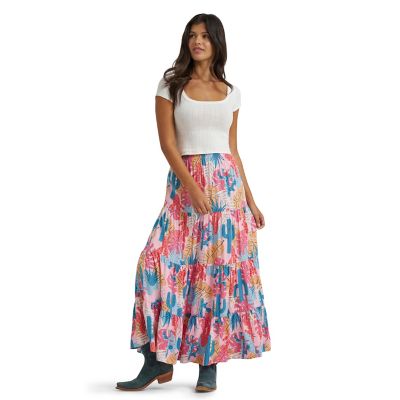
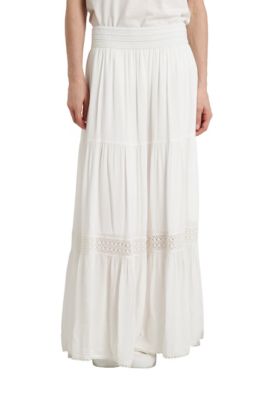
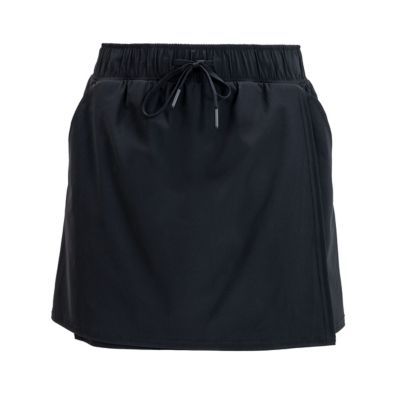
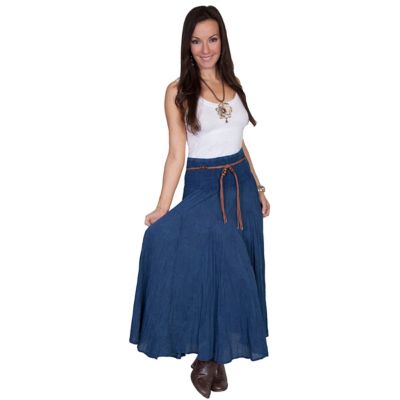
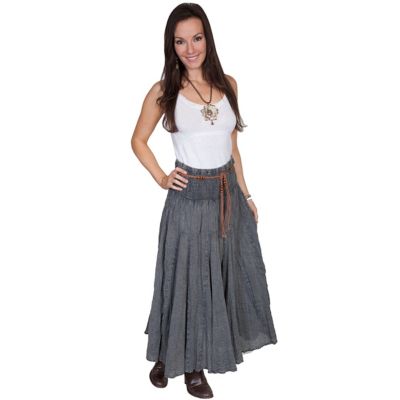
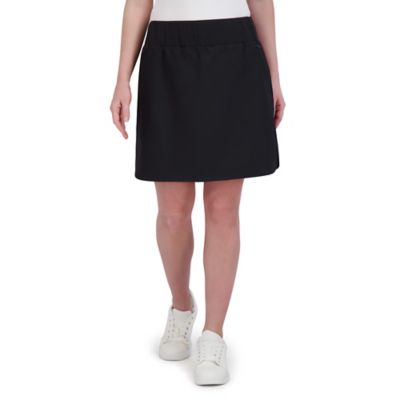
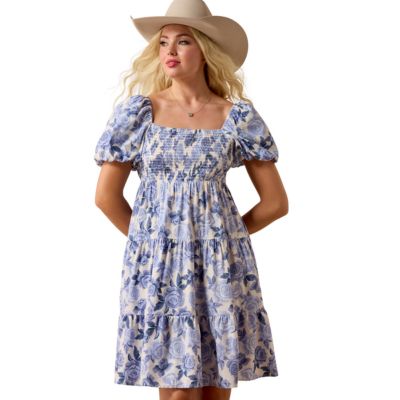
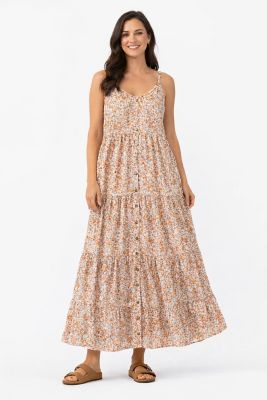
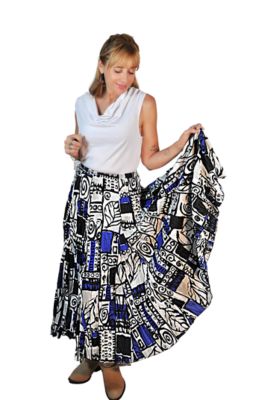
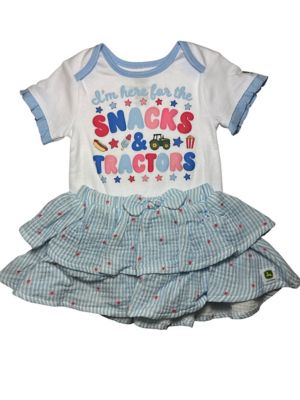
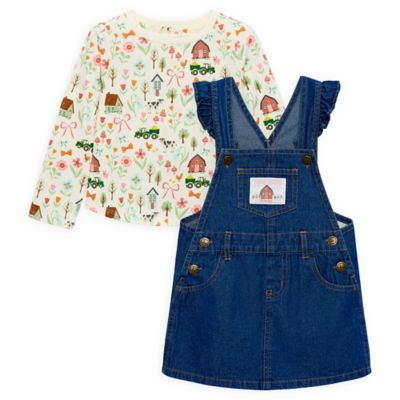
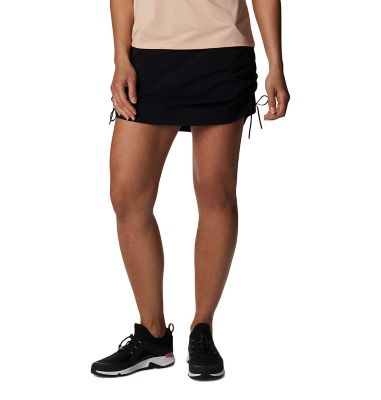
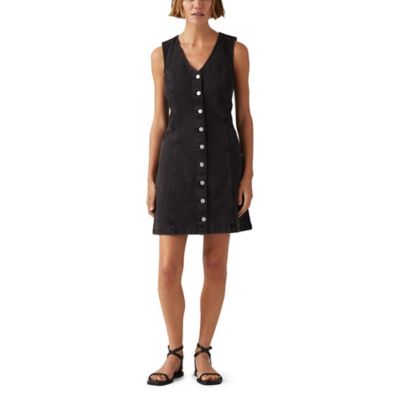
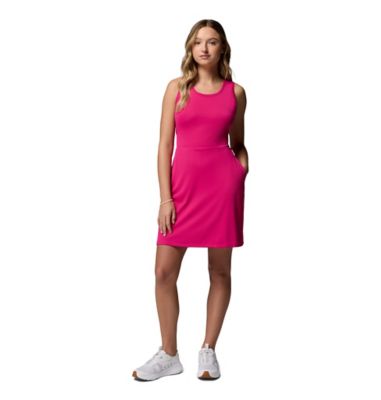
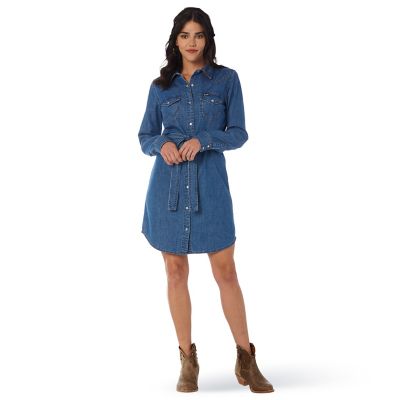
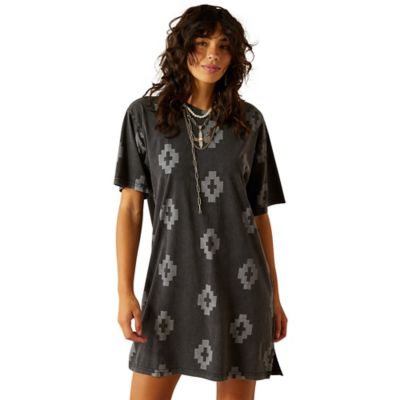
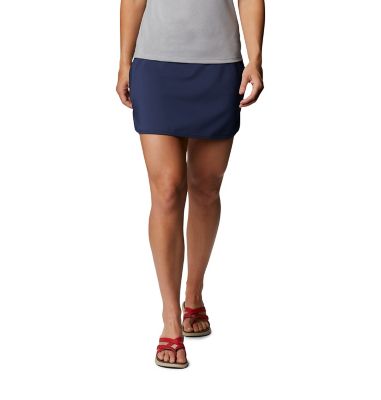
Skirts for spring bring together lighter fabrics, easy movement, and lengths that work for everything from a Saturday trip into town to a family gathering on the porch. Common spring skirt styles include cotton A-line skirts, flowing midi skirts, tiered maxi skirts, and wrap silhouettes, with floral prints, soft colors, and straightforward solids all fitting the season. Each shape has a different feel: an A-line skirt widens gently from the waist, a straight skirt follows the body more closely, and a gathered or tiered skirt adds fullness through the hips and hem. Small floral patterns offer a little color without taking over an outfit, while larger blooms make the skirt the main attraction. Solid shades pair easily with plaid shirts, chambray, and simple knit tops already hanging in the closet. Fabric makes just as much difference as the pattern. Cotton poplin has a crisp feel that gives pleats and gathers some definition, while cotton jersey stretches and falls more softly. Linen and linen blends have an airy feel and a naturally rumpled appearance that suits relaxed days. Rayon often offers fluid drape, though its washing requirements deserve a close look before purchase. Denim provides more structure and coverage, with lighter-weight versions feeling less stiff than heavier ones. A lining can add coverage beneath pale fabrics, but an extra layer may also make a skirt feel warmer or heavier. For an outdoor lunch or a walk across the town square, a fabric that moves easily without feeling too sheer can be a practical middle ground. Spring days can include a chilly morning and a sunny afternoon, so a skirt that pairs comfortably with a light sweater or jacket earns its place in a seasonal wardrobe. The most versatile choice is often one that feels right with familiar footwear and does not need a whole new outfit to go with it.
Fit starts with the waistband, but comfort depends on how the whole skirt behaves when sitting, walking, and bending. A waistband should lie comfortably at its intended position without digging in or slipping, whether that is near the natural waist or lower on the hips. Elastic waists offer flexibility, while flat waistbands and zipper closures create a more structured shape. An adjustable tie on a wrap skirt allows some flexibility in fit, though enough overlap through the front matters for coverage when seated or walking into a breeze. A pull-on style can simplify getting dressed, but the opening still needs to pass comfortably over the hips. Size charts and garment measurements help make sense of differences between cuts, especially when a skirt fits closely through the seat. Length deserves the same attention. Shorter skirts leave more of the leg uncovered and pair easily with casual sneakers, while knee-length styles offer a familiar option for everyday outings. Midi skirts generally fall between the knee and ankle; the exact landing point depends on height and the garment’s measurements. Maxi skirts extend toward the ankle or below, making hem clearance worth checking with the shoes likely to accompany them. A long hem should not drag across gravel, catch beneath a boot heel, or require constant lifting on porch steps. For fitted shapes, a back vent or side slit can make walking easier, although its height affects coverage. Pockets are handy for a key or a small necessity, but their placement and depth influence how the skirt hangs when filled. These details matter on ordinary days: sitting through a school program, climbing into a pickup, or carrying a dish to a potluck. A skirt with room to take a natural stride and a waistband that stays comfortable through lunch is more likely to become a regular choice than one that needs adjusting every few minutes.
Spring skirts can lean casual or dressier without losing their down-to-earth feel. A flowing floral midi with a plain tee and sneakers suits a farmers market stroll, while a solid A-line skirt with a tucked button-front shirt and low boots can feel right for a lunch meeting or an afternoon in town. A denim skirt pairs naturally with a soft knit top, and a tiered maxi can balance a closer-fitting shirt without making the outfit feel fussy. For a desk-based workplace that permits skirts, an opaque fabric, comfortable seated length, and secure closure help keep the focus on the day ahead. The
Work Outfits For Spring page offers another place to explore clothing for spring workdays. Skirts are not a substitute for protective workwear, and loose hems do not belong near moving machinery or equipment that could catch fabric. For social plans and everyday errands, though, choosing footwear and layers around the skirt’s shape makes getting dressed simpler. Care requirements also affect how well a skirt fits into a regular routine. Check the care label for washing temperature, drying instructions, and any need for hand washing or dry cleaning. Some cotton fabrics can shrink with heat, rayon may need gentle handling, and pleats may require particular care to hold their shape. Closing zippers before washing, separating colors, and keeping delicate fabrics away from rough fasteners can help reduce snags and abrasion. Sound seams, neatly finished edges, and firmly attached buttons are useful signs to inspect when thinking about repeated wear. A loose thread or shifting button is easier to address before it becomes a bigger repair. Storage matters, too: woven skirts often hang neatly from a skirt hanger, while soft, stretchy knits may do better folded to avoid stretching. As a gift, a spring skirt is easiest to choose when the recipient’s measurements, preferred length, and favorite colors are known. For personal wear or gifting, familiar styling and manageable care matter long after the first outing.