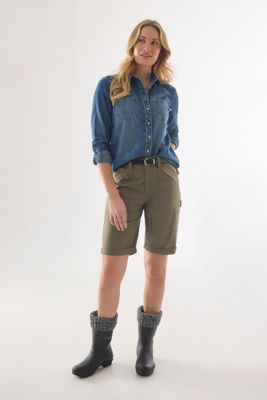
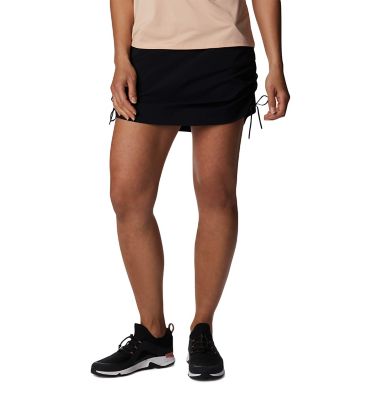
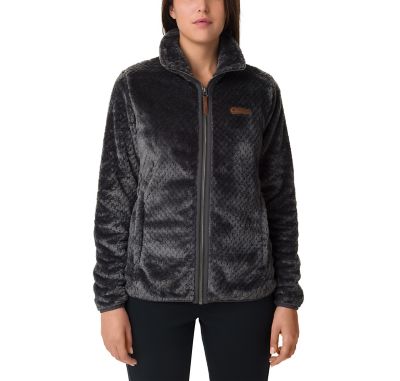
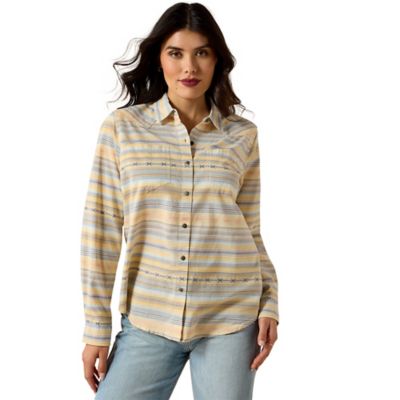
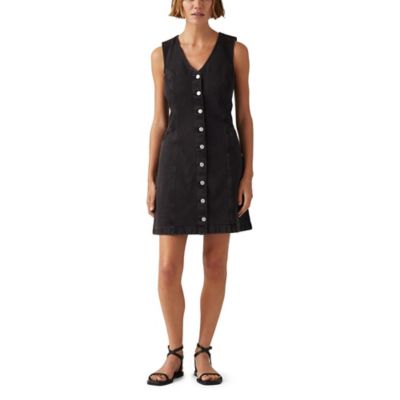
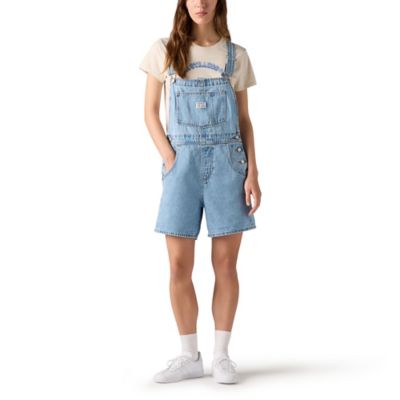
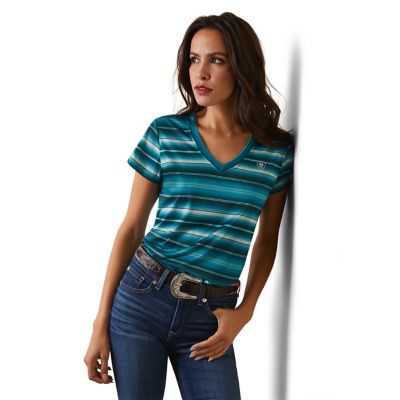
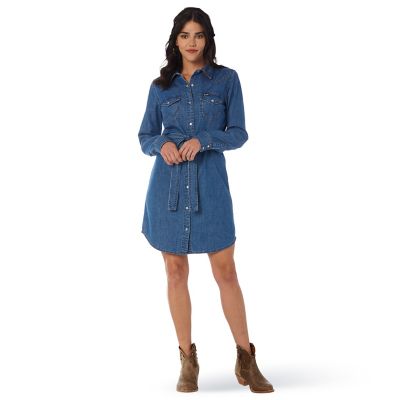
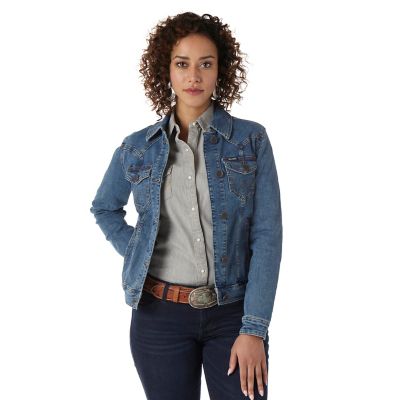
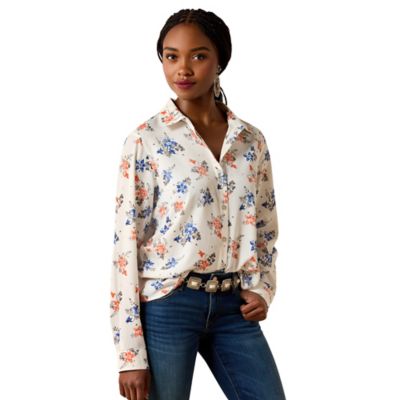
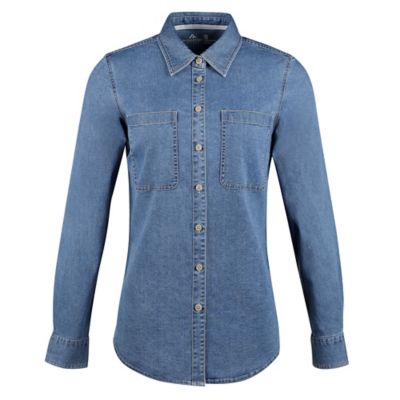
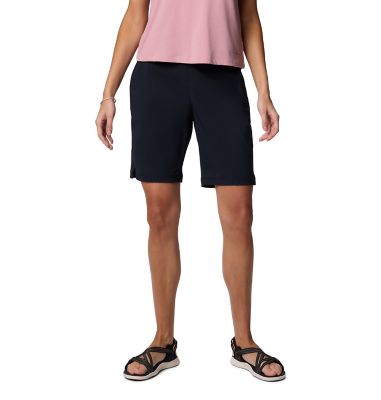
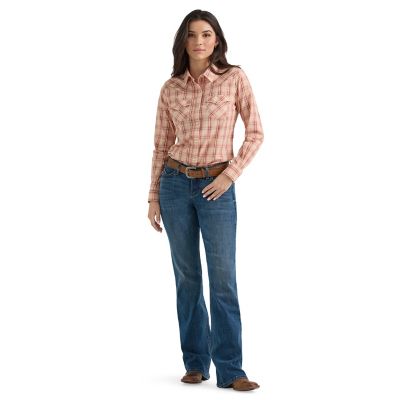
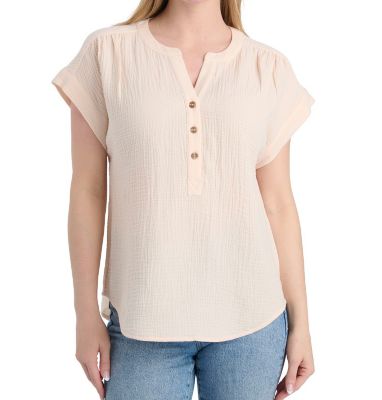
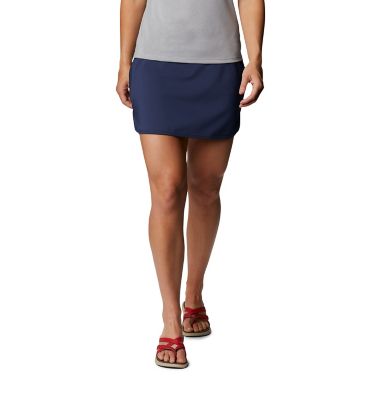
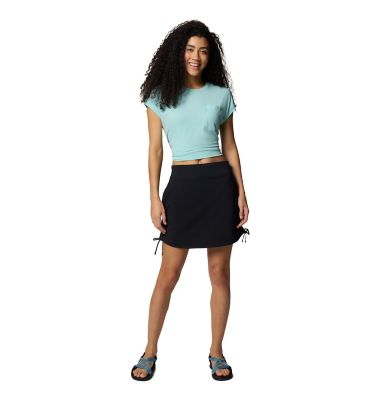
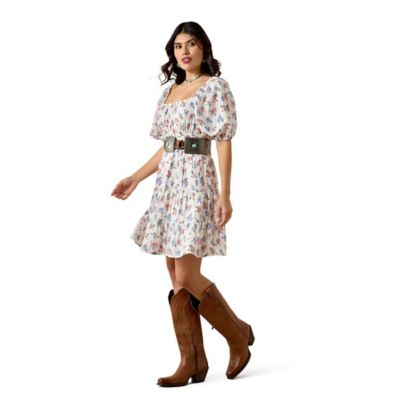
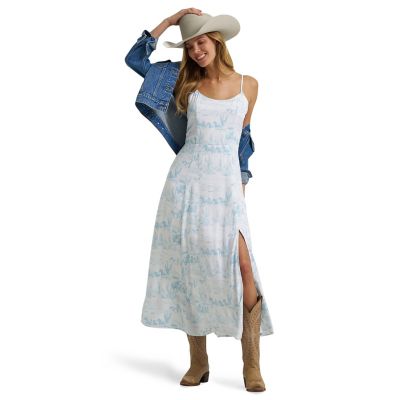
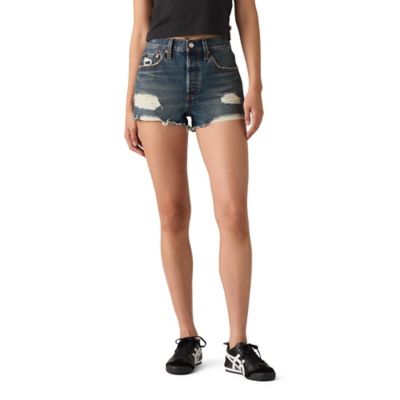
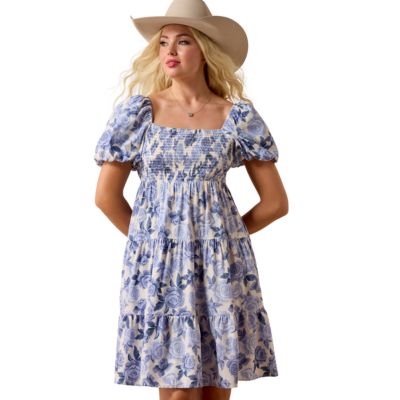
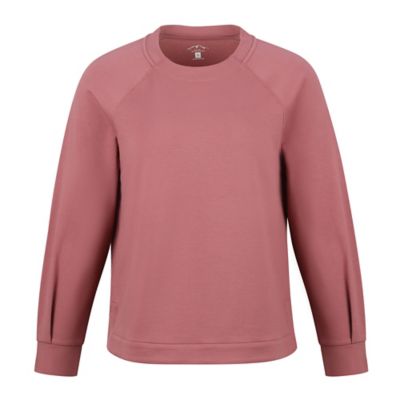
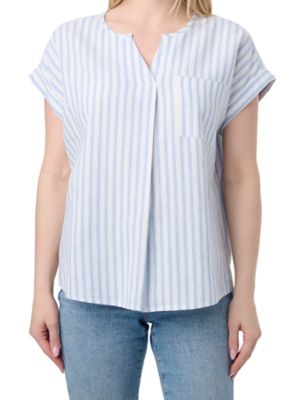
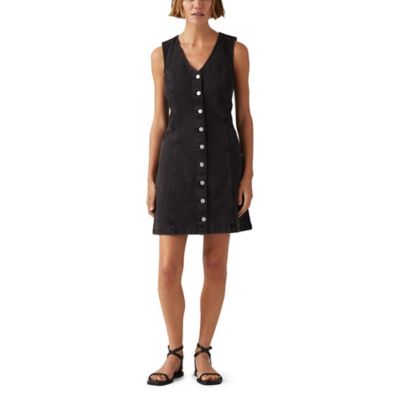
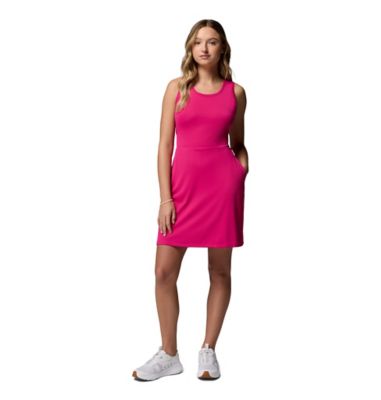
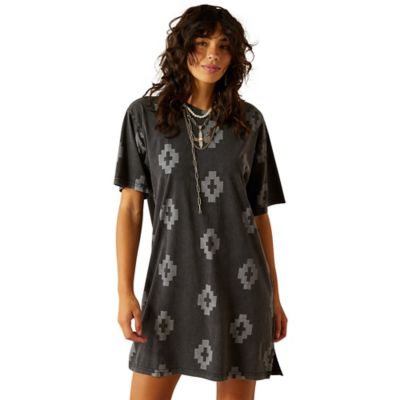
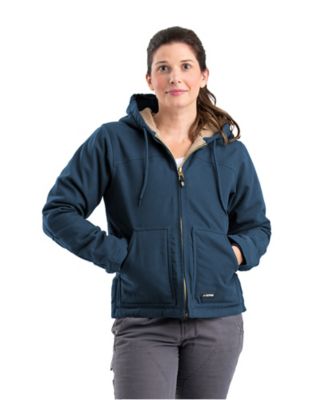
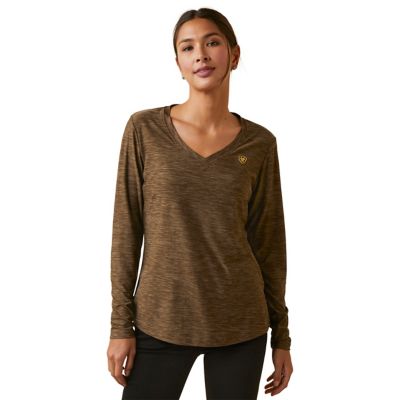
Spring outfits for women bring together lightweight layers, comfortable jeans, casual tops, and easy-moving dresses for days that might include a little work outside and a trip into town. The best combinations feel comfortable behind the wheel, on a porch swing, or walking across a gravel parking lot, without needing a complete change of clothes between stops. A cotton T-shirt and straight-leg denim make a simple everyday pairing, while a button-front shirt adds coverage and a slightly neater finish. Soft cardigans work well over tanks and short-sleeve tops, and a floral midi dress offers another option for lunch with friends or a family gathering. Spring clothing often needs to handle a cool morning, a sunny afternoon, and a breeze that picks up before supper, so layers that come off easily earn their place. Lightweight denim jackets, shirt jackets, and unlined outer layers add warmth without the weight of heavier coats. A longer jacket can pair nicely with slim pants, while a shorter cut leaves room to show the waistline of a dress or higher-rise jeans. A look through
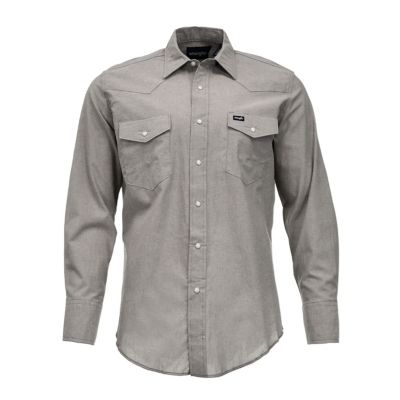
spring jackets for women helps bring that outer layer into the rest of the outfit. Color and pattern give these combinations plenty of personality: soft greens, washed blues, cream, and earthy shades sit comfortably alongside checks, stripes, and small florals. Western details such as snap fronts, yokes, and boot-friendly denim fit naturally into a country wardrobe, but they do not have to appear in every part of an outfit. A patterned shirt with plain jeans or a simple dress with boots keeps the look relaxed rather than overly matched. For women who spend the day moving between home, errands, and casual plans, pieces that work in several combinations make getting dressed less of a production. An outfit can look pulled together and still leave room for real life, whether that means carrying groceries, settling onto the bleachers, or stopping by a neighbor’s place.
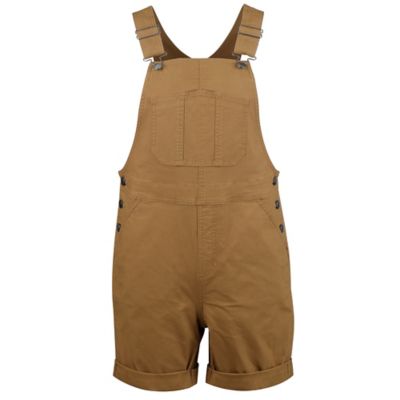
Fabric and fit make a big difference in how spring clothing feels after several hours of wear. Cotton tops can feel soft against the skin, and lighter woven shirts allow a less bulky fit beneath a jacket or cardigan. Linen and linen-blend fabrics have an airy feel and a naturally relaxed appearance, with wrinkles that become part of the look rather than something to fight all day. Knit fabrics offer flexibility for reaching and sitting, while woven pants and shirts tend to hold a more defined shape. Denim with a little stretch can make bending and driving more comfortable; denim with less stretch usually feels firmer and may need more room through the hips and thighs. Neither feel is right for everyone, and an outfit that suits a desk-and-errands day may not suit a morning spent planting or carrying feed. For hands-on tasks, freedom of movement, secure closures, and fabric that stands up to repeated wear matter more than extra trim. Reinforced seams and well-finished hems can help clothing hold together through regular washing and everyday friction. Fit also changes how separate pieces work together. A shirt should allow a comfortable reach without pulling sharply across the shoulders, and pants should stay comfortable when seated rather than fitting well only when standing. The rise, waistband, and inseam all affect that feel. Straight-leg and bootcut jeans leave different amounts of room around footwear, while ankle-length pants create a lighter-looking combination with casual shoes. Dresses benefit from enough room through the shoulders and waist to sit, walk, and lift an arm comfortably. A tie waist can define the shape without requiring a close fit everywhere, and a lining can add coverage to lighter fabrics. Practical details deserve attention, too: pockets large enough for keys, buttons that stay fastened, and sleeves that sit comfortably beneath another layer. When those details suit the wearer, an outfit feels easier from the first chore to the last stop in town.
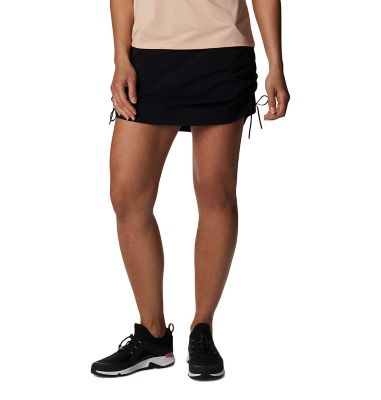
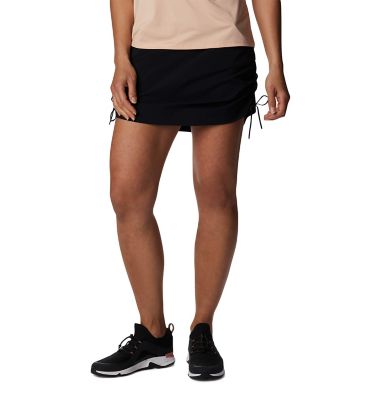
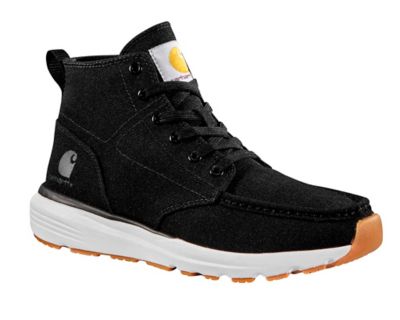
Spring outfits can lean casual, work-ready, or a little dressier without losing that easy country feel. Jeans and a knit top suit everyday errands, while a woven blouse and clean, well-fitting pants can carry the same wardrobe into a casual workplace or a sit-down meal. A knee-length or midi dress with a cardigan works for church, a graduation gathering, or a family celebration, depending on the setting. Smaller floral prints and simple solid colors are easy to pair with layers, and a skirt with enough room at the hem feels more comfortable on stairs or when climbing into a truck. Footwear helps set the direction of the outfit. Boots pair naturally with denim and many dresses, while sneakers or flats suit outings with plenty of walking. Sandals fit relaxed plans on dry days, but closed-toe footwear makes more sense around gravel, garden tools, or animal-care tasks. The ground underfoot matters as much as the look: a steady sole and comfortable heel height can make a difference between enjoying an afternoon outside and watching every step. Simple accessories, such as a belt or a small crossbody bag, add function without getting in the way. Keeping clothing looking good also depends on care that matches the fabric. Care labels provide the right washing and drying directions, especially for stretch denim, soft knits, and garments with mixed materials. Excess heat can affect shape or fit in some fabrics, while smoothing collars and seams before drying helps many woven pieces keep a tidy appearance. Separating colors and treating marks promptly can help everyday favorites stay presentable for town as well as home. Spring clothing can also make a thoughtful gift for a mother, sister, daughter, or friend when her size, preferred fit, and usual activities are known. Pieces that fit her everyday routine are more likely to become favorites than something chosen only for a single outing. Comfortable fabrics, useful layers, and cuts that feel good in motion give a spring wardrobe plenty of room for both everyday responsibilities and time spent enjoying good company.