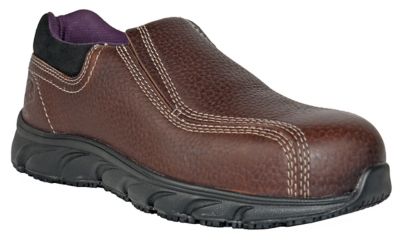
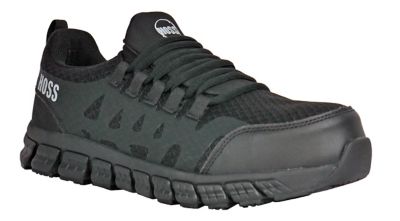
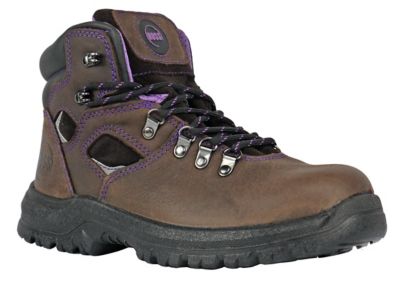
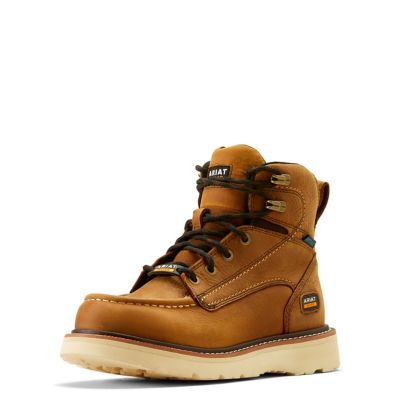
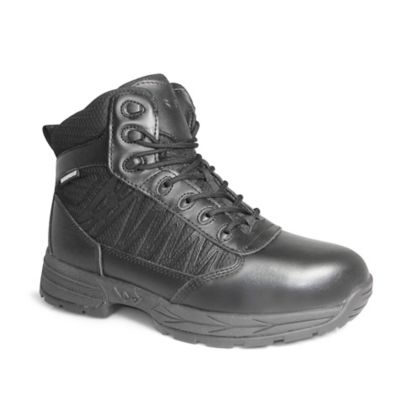
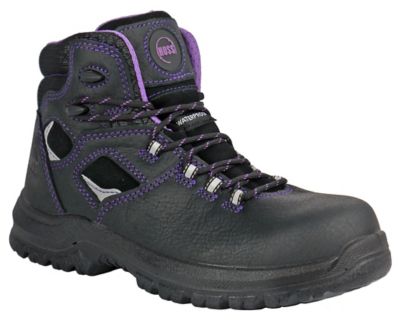
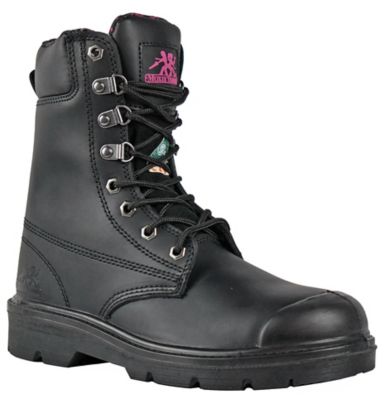
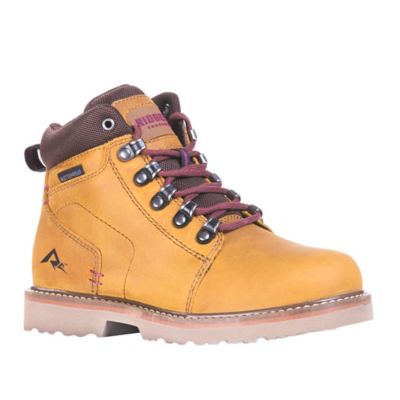
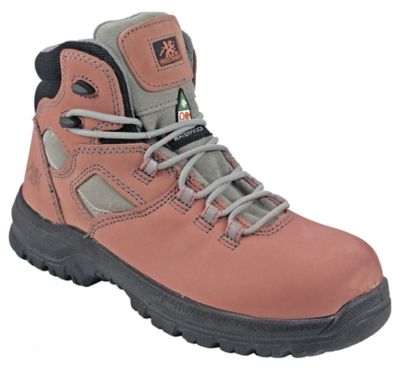
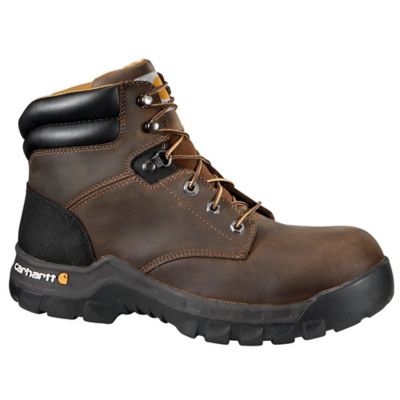
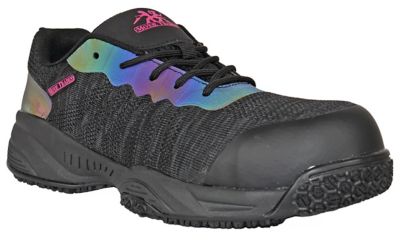
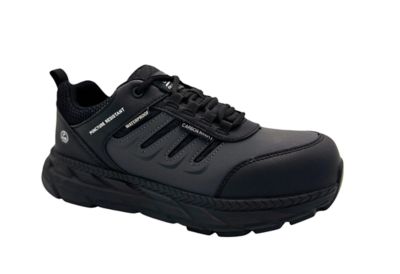
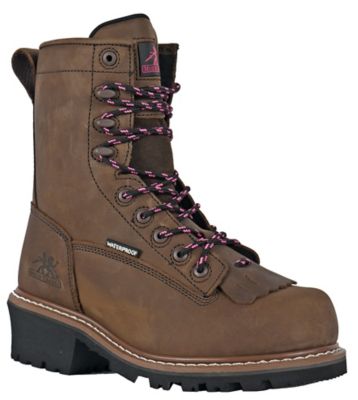
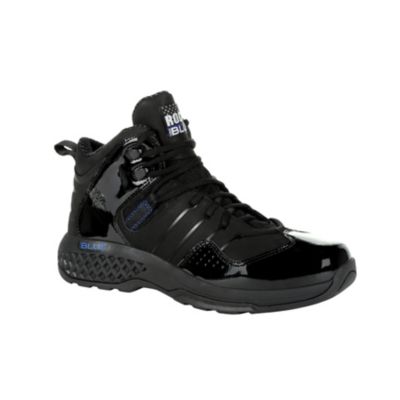
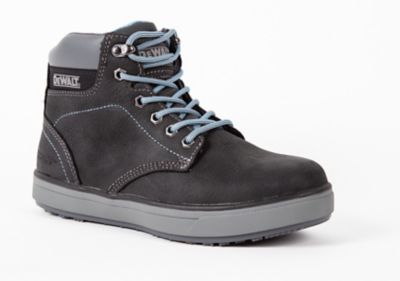
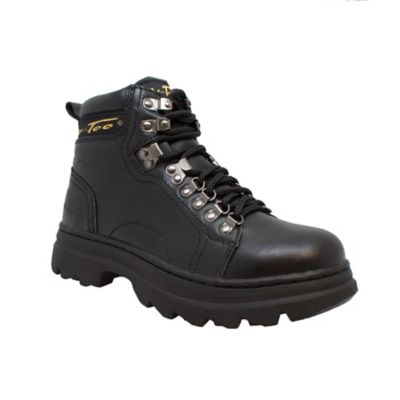
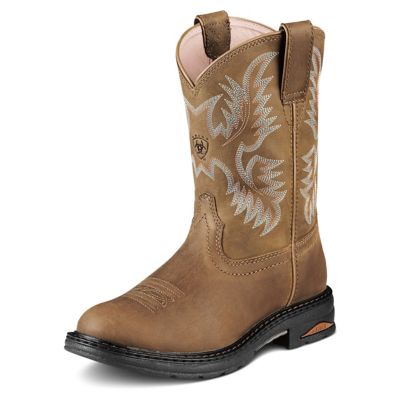
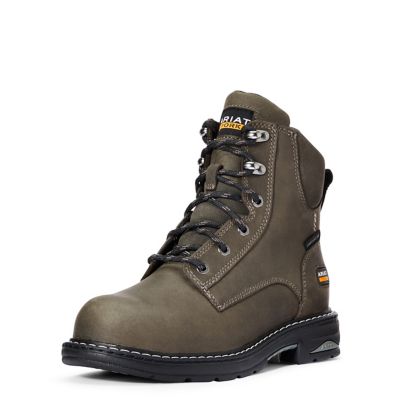
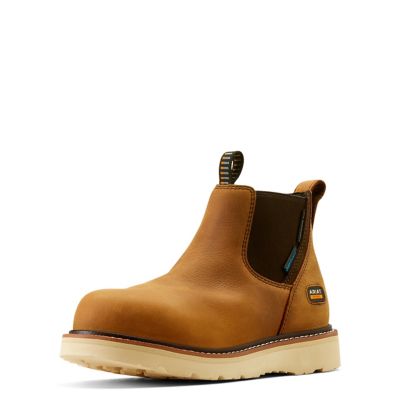
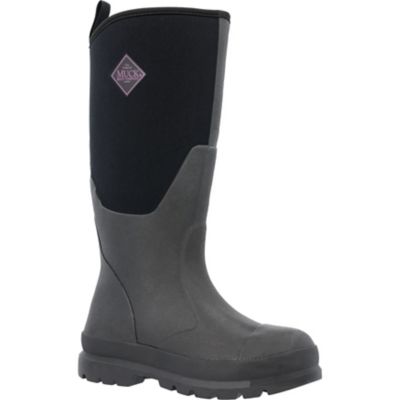
Work footwear for women includes work boots and shoes built for different tasks, from hauling feed and handling materials to walking warehouse aisles or standing through a kitchen shift. The right match depends on workplace hazards, footing, hours on your feet and any required safety ratings. Safety-toe footwear serves jobs with impact or compression hazards, while slip-resistant shoes address traction needs on surfaces such as food-service floors. For teaching, office duties or front-counter work, cushioning, fit and a neat appearance may matter more than a protective toe, unless workplace rules say otherwise. A day spent carrying buckets across a concrete barn aisle puts different demands on footwear than a shift moving between a desk and a sales floor. Low-cut work shoes allow easy movement around the ankle, while taller boots provide more coverage against dirt and abrasion. Neither shape alone tells the whole story about protection. Steel, alloy and composite safety toes can meet recognized impact and compression standards, so the footwear’s marked rating and the employer’s requirements matter more than the toe material alone. Soft-toe footwear suits tasks where protective toe caps are not required, but it is not a substitute where safety-toe protection is mandatory. Puncture resistance is a separate feature worth noting around sharp debris; a safety toe does not establish protection underfoot. Electrical-hazard protection also carries its own requirements and should never be assumed from a thick rubber sole. Outsole design matters just as much when the work involves frequent walking, turning or carrying. Deeper tread can provide purchase on loose ground, while other sole patterns are intended for smoother work surfaces. Slip resistance is not slip prevention, and oil, spilled feed or packed dirt can still interfere with traction. These differences make women’s work footwear a task-focused category rather than a single style that suits every job. Practical details count when the route runs from a feed room to a loading area several times a day.
Women's Work Boots offer a range of materials and constructions, with leather, textile panels and rubber each bringing something different to the workday. Leather uppers provide coverage against everyday scuffs and can soften with wear, though their care needs depend on the finish. Textile sections can reduce weight and allow airflow, making them useful for jobs that involve plenty of walking. Rubber footwear can suit messy chores and frequent contact with water, but its weight, flexibility and interior lining affect how it feels over a full shift. Water-resistant materials handle limited exposure differently from waterproof construction, and openings at the top still allow water inside. A waterproof lining can help keep outside moisture out, while breathability affects how readily moisture from perspiration can escape. Fit deserves equal attention because even the right protective features cannot make up for pinched toes or a heel that rubs with every step. Women’s sizing can include different widths and foot shapes, and the same size label may feel different across footwear designs. The toe area needs room for natural movement without letting the foot slide forward, especially while walking down ramps or stepping off equipment. A safety-toe cap should not press against the toes, and it will not stretch to resolve a cramped fit. Lace-up designs allow adjustment across the instep, while pull-on styles depend more on the shape of the opening, heel and instep to hold the foot comfortably. Shaft height and opening size also affect how boots fit around the ankle or calf. Work socks, prescribed inserts and removable footbeds all take up space, so the fit needs to account for what actually goes inside the footwear. Cushioning can soften the feel of repeated steps, while a supportive midsole and stable platform help footwear feel less wobbly underfoot. Weight and flexibility also matter: a pair that feels manageable for a quick chore may feel quite different after hours of walking concrete.
Service life depends on construction, the demands of the job and regular care, not simply how heavy a boot feels in the hand. Reinforcement around the toe and heel can help with abrasion from kneeling, squatting and brushing against rough surfaces. Strong stitching and well-secured sole connections matter where footwear bends repeatedly, while some welted constructions may allow resoling when the upper remains sound. Repair options depend on the particular construction rather than appearance alone. The work environment also shapes maintenance needs. Fine dust can settle into seams, manure can cling to tread, and grease can leave a slick film that deserves attention before the next shift. Removing loose dirt and following the maker’s cleaning directions help keep those materials from building up. Leather care should match the finish, since an unsuitable treatment can change its appearance or interfere with certain materials. Textile uppers, waterproof membranes and rubber footwear have their own cleaning requirements, so one treatment does not suit every pair. Damp footwear needs time to air out away from direct heat, which can damage leather, adhesives or other components. Removable footbeds can be taken out for drying when the care directions allow, and keeping the inside clean helps manage everyday odor. Regular checks of the tread, seams, laces and sole edges can reveal wear before it becomes hard to ignore. Worn-smooth tread, a separating sole or exposed protective components call for attention; patches should not be assumed to restore required safety performance. Having footwear suited to the task also keeps an office shoe from taking on barn chores or a heavy chore boot from doing every indoor shift. As a gift, women’s work footwear makes the most sense when the recipient’s size, fit preferences and workplace requirements are already known. For someone who spends the day tending animals, running equipment or working on her feet, those details matter far more than looks alone.