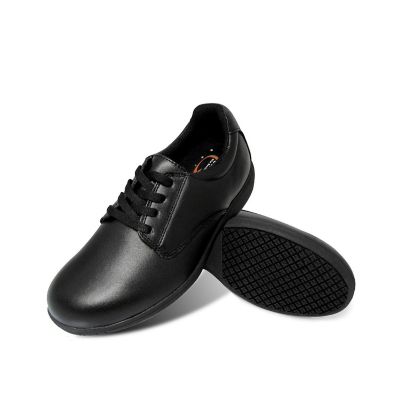
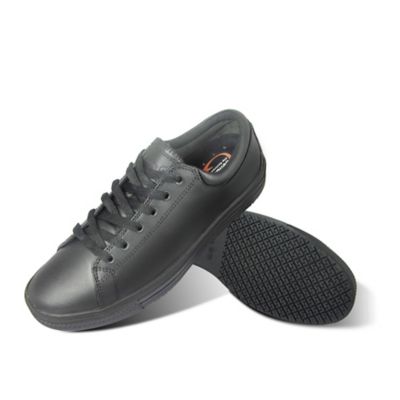
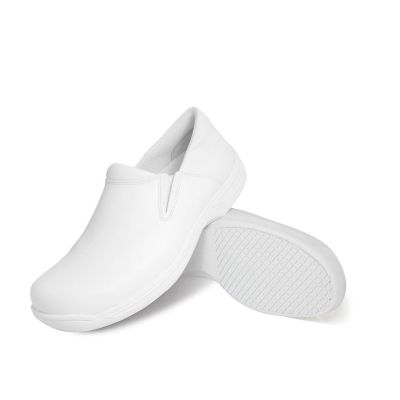
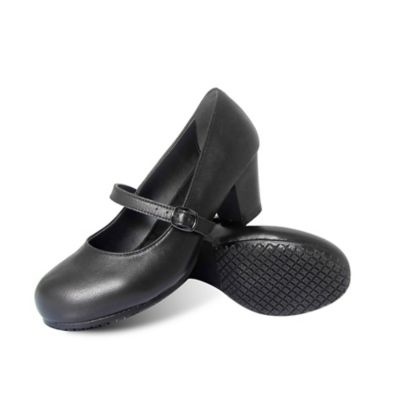
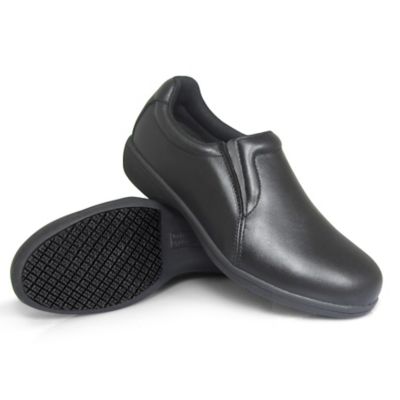
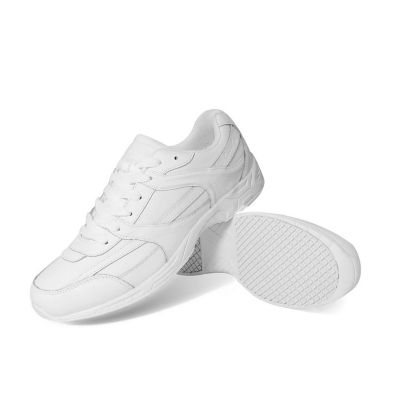
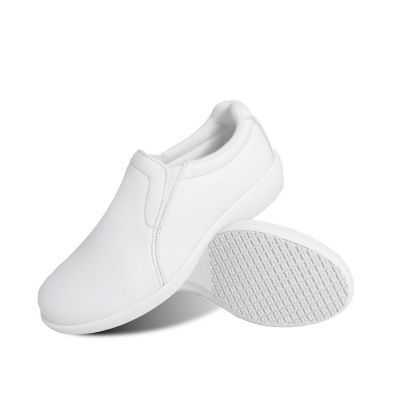
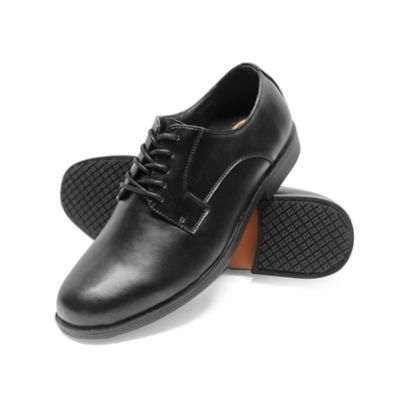
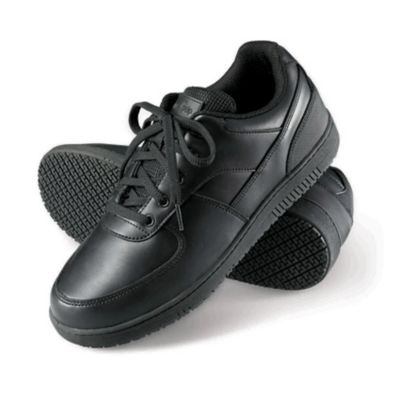
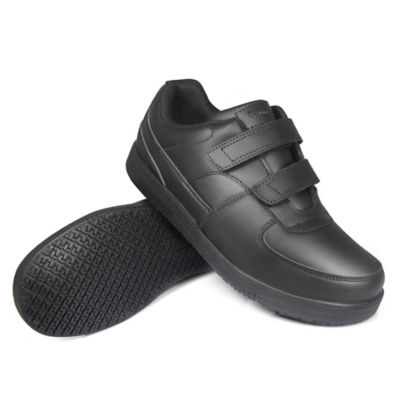
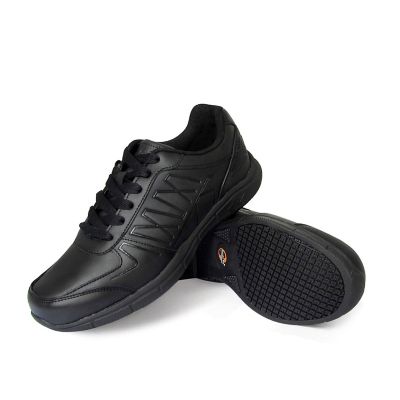
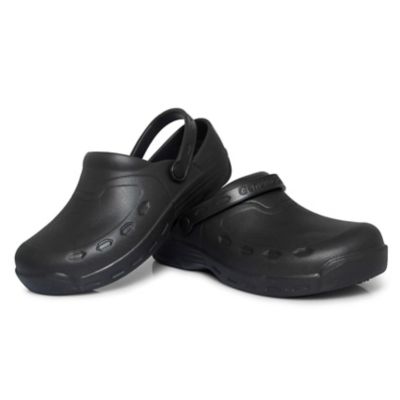
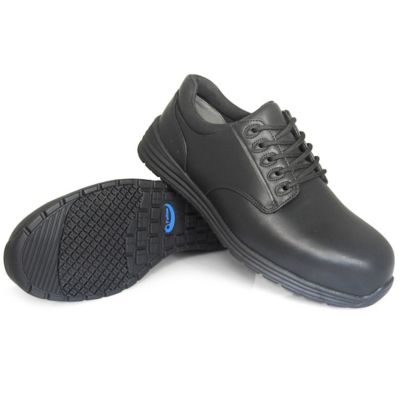
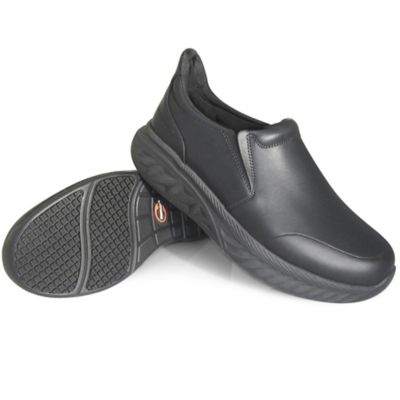
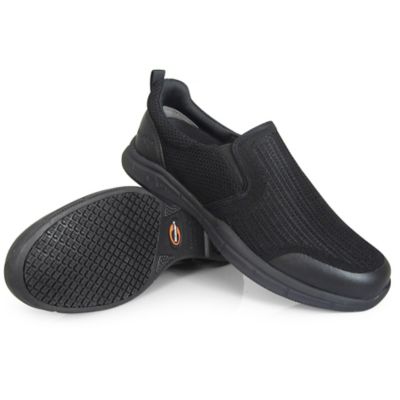
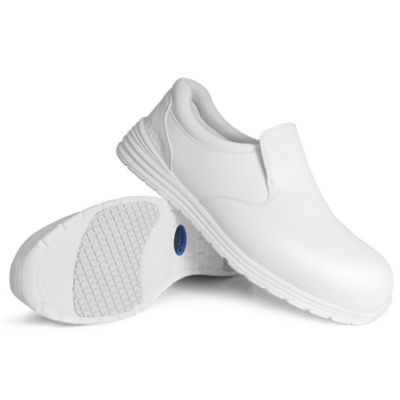
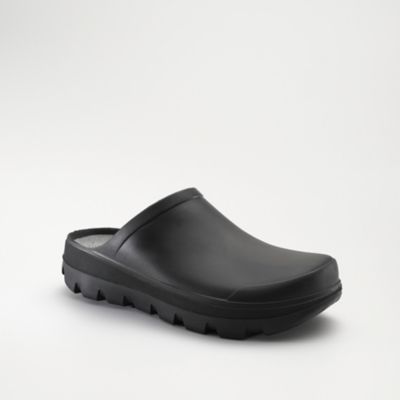
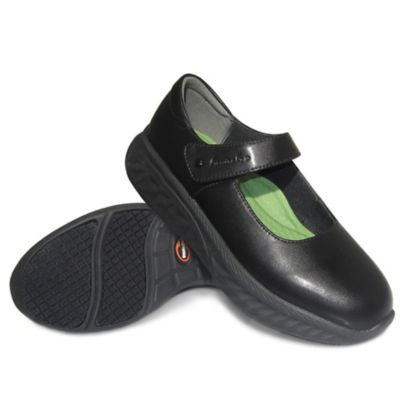
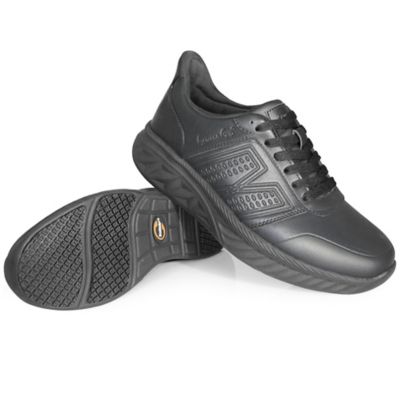
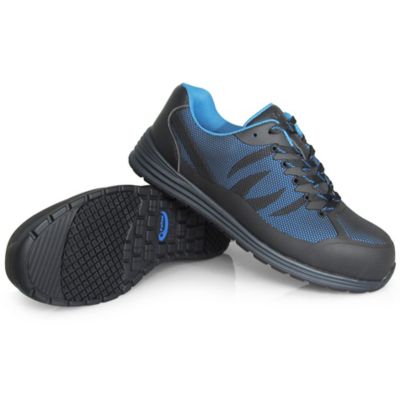
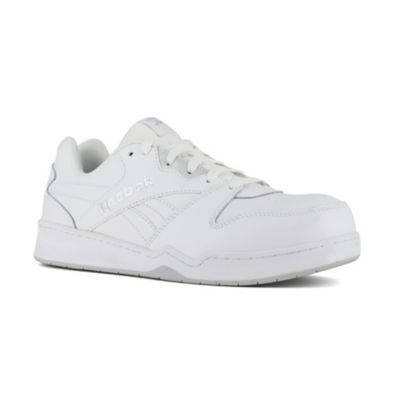
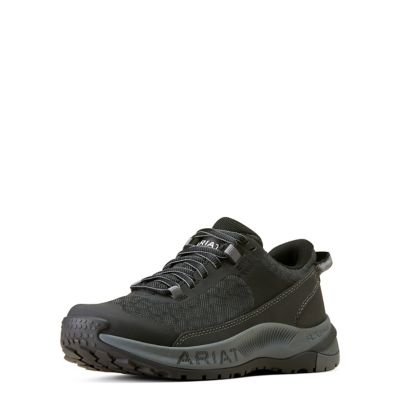
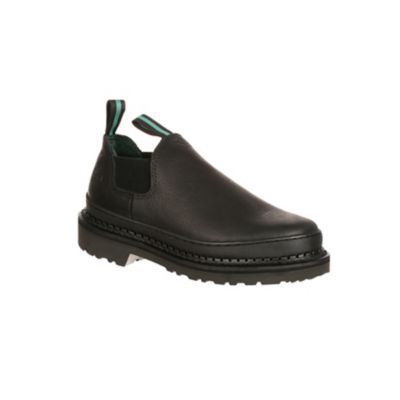
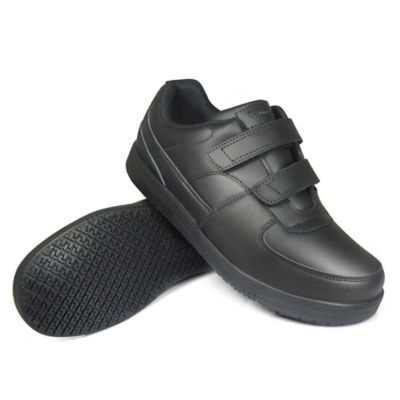
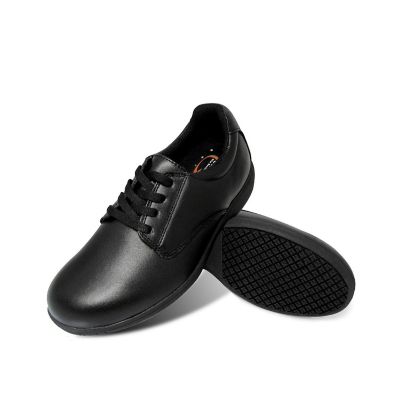
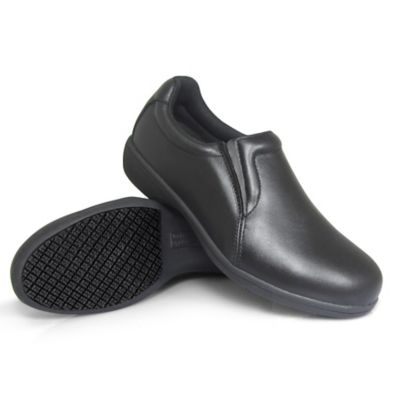
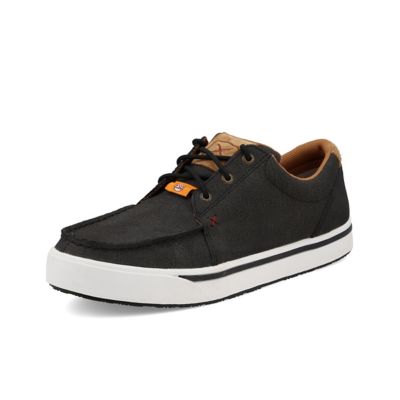
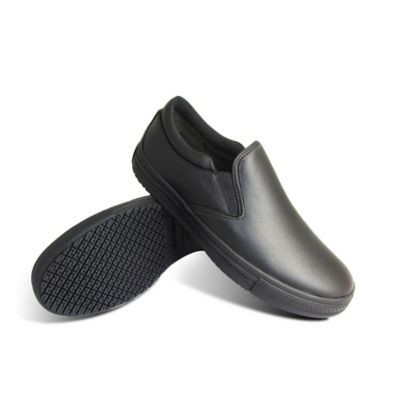
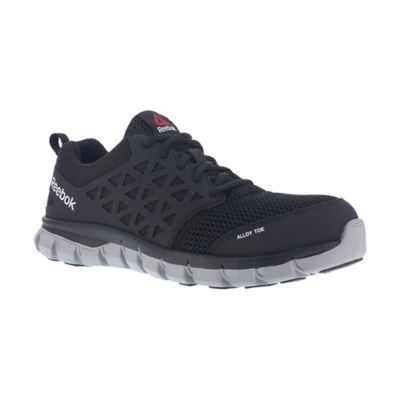
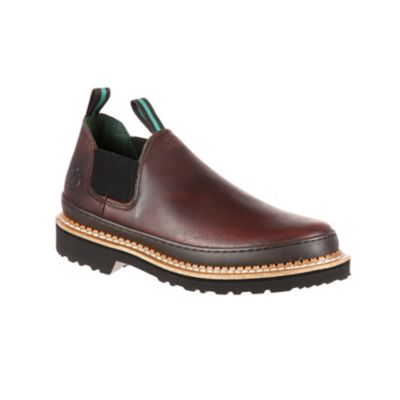
Women’s restaurant work shoes bring together three everyday needs: slip-resistant traction, support through long shifts and materials that are easy to clean. From a breakfast counter to a busy kitchen, the right footwear needs to suit both the job and the floor beneath it. Servers cover plenty of ground between tables, cooks spend long stretches at a station, and dishroom crews work around frequent splashes. Each setting puts a different demand on a pair of shoes. Slip-resistant outsoles are an important consideration wherever water, grease or food spills may reach the floor, but no shoe can prevent every slip. Traction depends on the outsole material, tread pattern, floor surface, contaminants and the condition of the sole. Documented slip-resistance testing and an employer’s footwear requirements offer a firmer basis for comparison than an athletic appearance alone. Oil resistance is a separate feature: it describes how a material stands up to oil exposure, not necessarily how well it grips an oily floor. Uppers matter just as much when a dropped spoon sends sauce across the prep area or a drink splashes beside the service station. Smooth leather and suitable synthetic materials can offer surfaces that wipe clean without much fuss. Leather may soften with wear, while synthetic uppers vary in flexibility, weight and resistance to moisture. Mesh can allow more airflow, though open fabric may offer less protection against spills and can take more effort to clean. Water-resistant construction can help with incidental splashes, but it is not the same as waterproof construction, and neither term alone establishes protection from hot liquids. Closed toes, secure heels and coverage across the top of the foot may also be part of workplace rules. The most suitable women’s restaurant work shoes balance these practical details with the amount of walking, standing and cleanup a shift involves, whether that means carrying plates across a dining room or tending a line through the supper rush.
Comfort starts with fit rather than the softest footbed. A shoe that feels pleasant for a few minutes can feel quite different after hours of standing beside a grill or making repeated trips to the walk-in. Toes need room to spread without pressing against the front or sides, while the heel should stay settled instead of lifting with every step. Width matters throughout the shoe, not just at the toe box; pressure across the ball of the foot or instep can turn into a distraction before the shift is over. Work socks and any prescribed orthotics also affect the space inside the shoe. Removable footbeds can make room for an appropriate replacement insert, provided the resulting fit remains secure and the heel does not sit too high. Cushioning helps soften the feel of hard floors, while a supportive midsole and stable platform can make standing and walking feel more settled. Arch contours vary, so a pronounced shape is not automatically better than a gentler one. The right amount of support depends on the wearer’s foot and comfort needs. Athletic-style work shoes often appeal to servers, hosts and counter staff who keep moving, while work clogs may suit employees who prefer a roomier shape and spend more time at a station. Neither style replaces the need to check traction and workplace requirements. Lace-up closures allow adjustment across the instep, though the laces need to stay secured and clear of the floor. Slip-on designs save the trouble of tying laces, but they still need enough hold to stay on during quick turns, bending and stair climbing. A backless shape may not meet a restaurant’s dress or safety rules. Shoe weight and sole flexibility also affect the feel of repeated steps. A lighter shoe may feel less cumbersome, but enough structure is still needed for the work at hand. For anyone moving between dining areas, storage rooms and kitchen entrances, comfort is the combination of a good fit, steady footing and support that does not get in the way.
Restaurant footwear also needs to stand up to the less glamorous parts of the shift: crumbs caught in tread channels, grease along the outsole edge and repeated cleanup after closing. Construction details such as secure stitching, well-bonded soles and reinforcement at high-flex areas can influence how shoes hold up over time. Smooth uppers with fewer seams may be simpler to wipe down, while textured panels and fabric sections can collect residue. Care depends on the material, so the maker’s cleaning directions matter more than a one-size-fits-all routine. A damp cloth and an approved cleaner may suit some surfaces; others need a brush or a material-specific treatment. Machine washing, soaking or strong cleaning chemicals can damage certain uppers, adhesives and footbeds. Food particles lodged in outsole grooves can interfere with contact between the tread and floor, making regular tread cleaning part of keeping work shoes ready for the next shift. Shoes should dry thoroughly away from direct heat before going back on, and removable insoles may need separate drying when the care directions allow it. Rotating between pairs can give damp interiors more time to air out. Regular checks can reveal flattened tread, uneven heel wear, separating soles or cushioning that no longer feels supportive. Those changes matter even when the upper still looks presentable. Women’s restaurant work shoes serve a wide range of jobs, from café counters and catering kitchens to dish stations and full-service dining rooms, but workplace rules remain the starting point for choosing an appropriate style. A role involving heavy supplies or other hazards may call for additional protective features beyond standard foodservice footwear. For jobs outside the kitchen or dining room,
Women's Comfortable Work Shoes provides a broader place to look. Within restaurant work, the priorities stay practical: a secure fit, suitable traction, manageable cleanup and construction that can handle the demands of the shift.