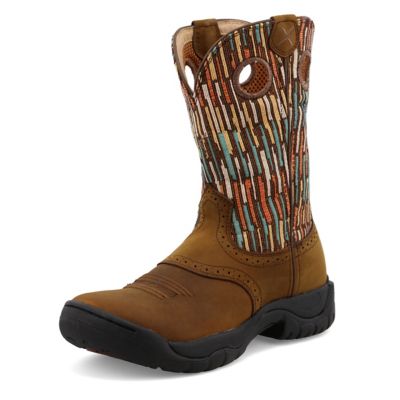
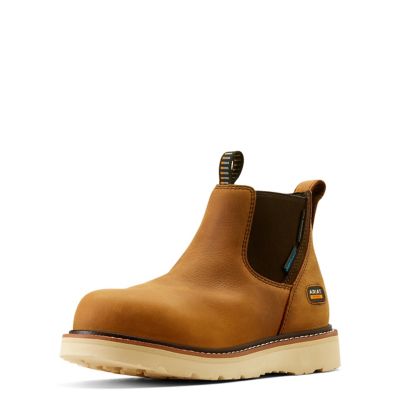
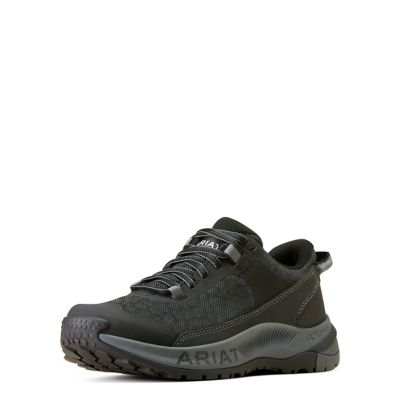
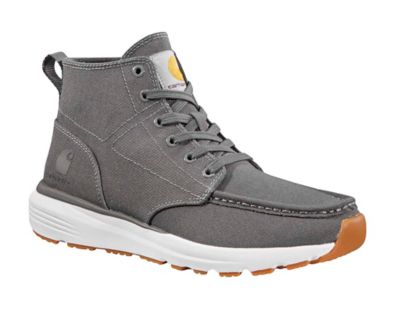
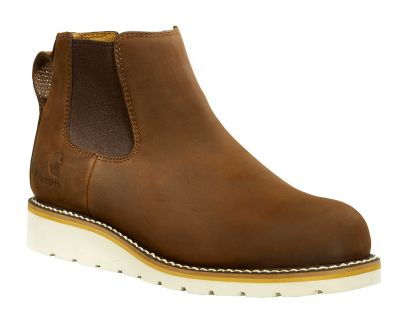
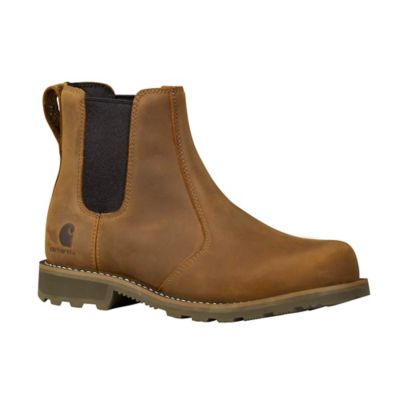
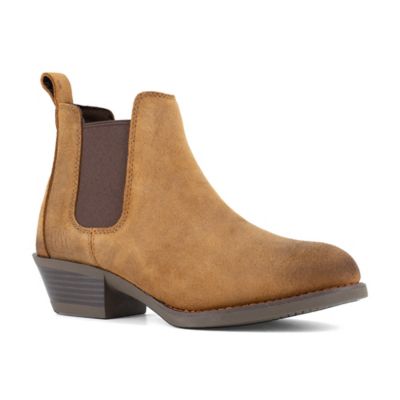
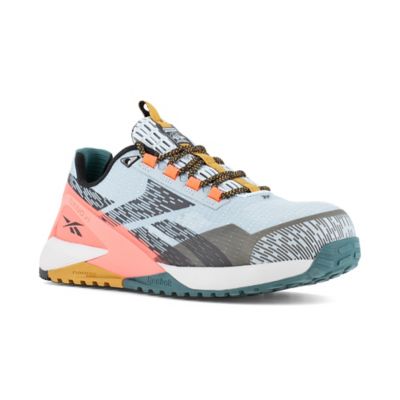
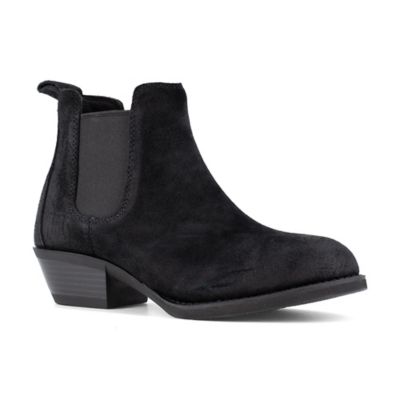
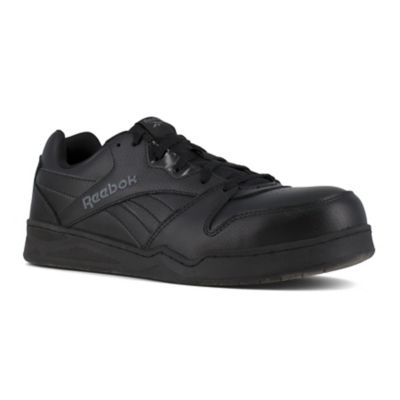
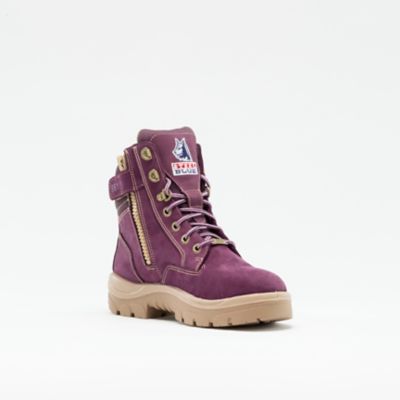
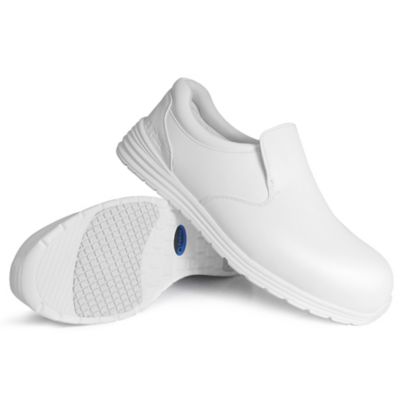
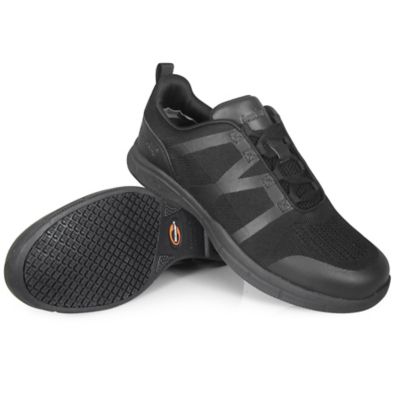
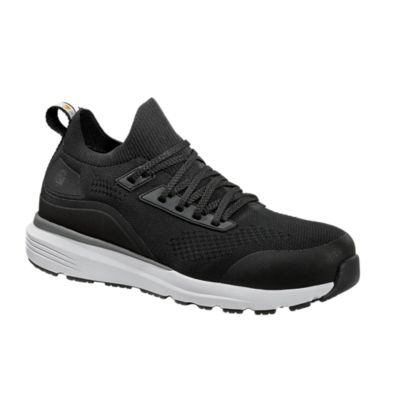
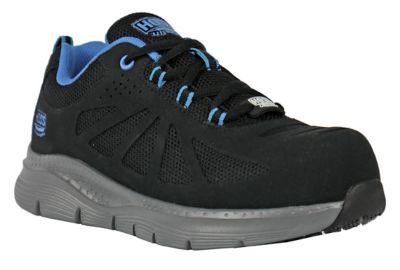
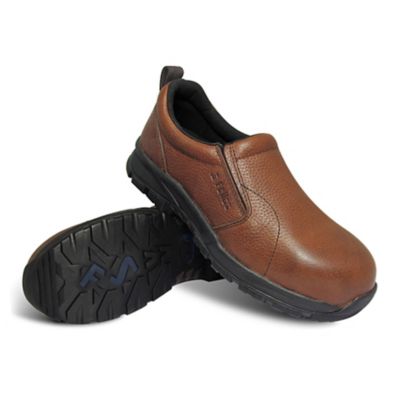
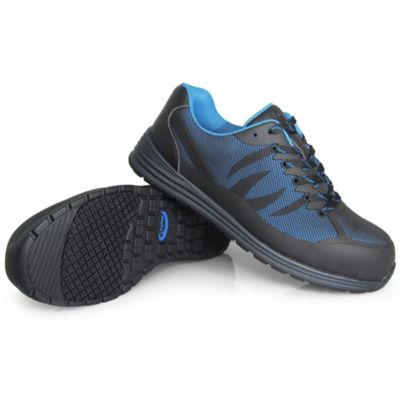
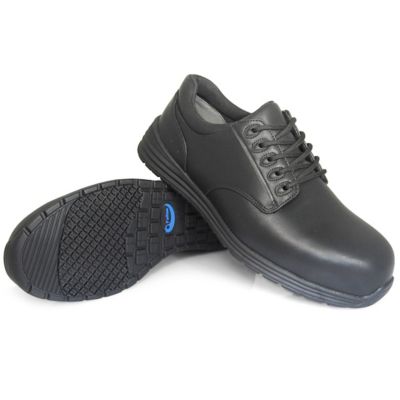
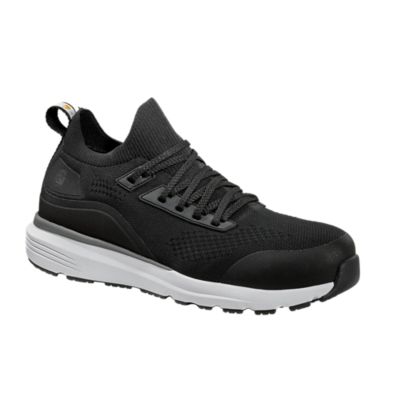
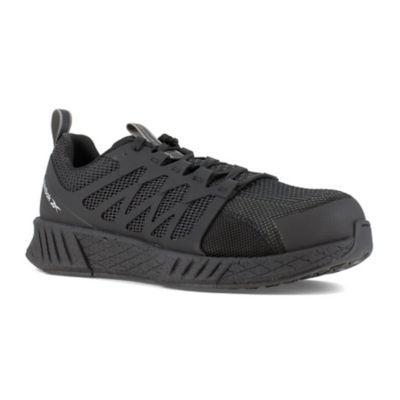
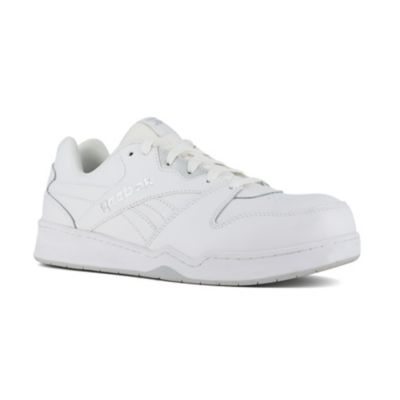
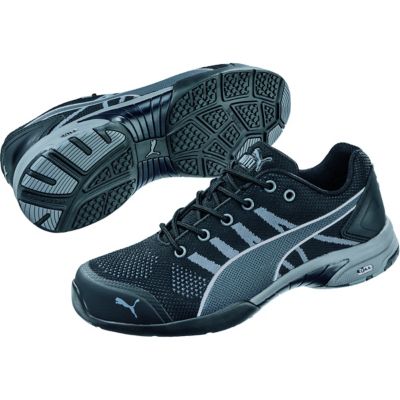
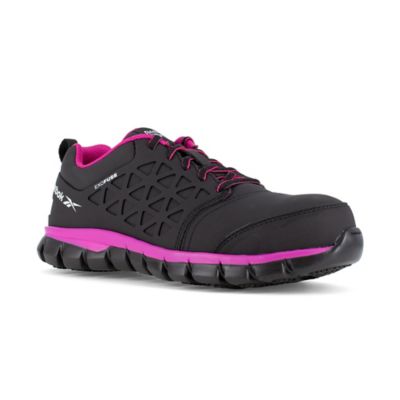
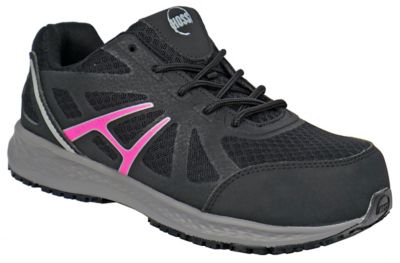
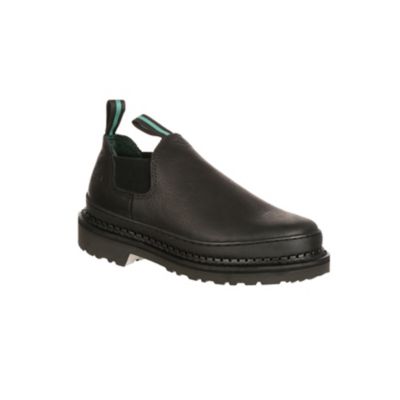
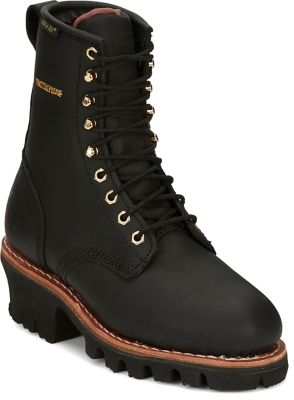
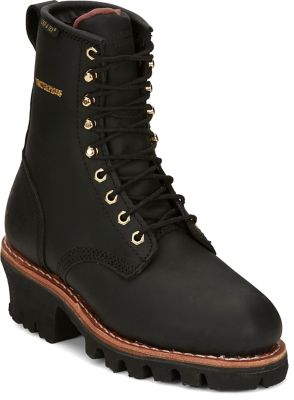
Women’s fall work shoes bring together closed-toe coverage, support for hours on your feet, and materials suited to the job at hand. That can mean leather loafers for a front-office role, low-profile slip-ons for days split between a desk and a sales floor, or occupational shoes for shifts spent walking concrete aisles. Around a farm office, feed counter, workshop, or warehouse, the right footwear depends less on how rugged a shoe looks and more on what the work involves. A smooth leather upper can pair neatly with work pants while wiping clean after a walk across a dusty lot. A lace-up work shoe gives more room to adjust the fit over the instep, while a pull-on style with elastic side panels keeps things simple when getting out the door before daylight. Low-heel ankle styles offer more coverage around the opening, though added height alone does not mean a shoe provides ankle support or workplace protection. Fall brings its own practical considerations: damp grass beside the parking area, leaves tracked through a doorway, and chilly walks between buildings. Water-resistant materials can help with light moisture, but they are not the same as waterproof construction. For repeated exposure to wet ground, a waterproof design and a tongue construction that helps keep water out may matter more than the shape of the toe. Even waterproof low-cut footwear can let water enter over the collar, so deeper puddles and muddy chores call for more coverage. Leather, suede, mesh, and synthetic uppers each have a place, depending on exposure and workplace expectations. Leather offers structure and a finish that can suit both office and hands-on settings; mesh favors airflow in warm indoor spaces; suede needs more care around water and dirt. Black and brown are straightforward choices for everyday work clothes, while tread shape, toe protection, and fit deserve at least as much attention as color.
Comfort in women’s fall work shoes comes from several parts working together, not just a soft footbed. A cushioned insole can take some of the edge off long stretches on hard flooring, while a supportive midsole and a well-fitting heel help the shoe feel steady underfoot. Room through the toe box matters when standing at a register, walking a warehouse floor, or moving between a workbench and parts shelves. Toes should have space to spread without sliding forward, and the heel should stay seated without rubbing. Socks make a difference, too: footwear that feels roomy with a thin pair may pinch when worn with thicker fall work socks. Trying shoes on later in the day, with the socks intended for the job, gives a better sense of how they may feel near the end of a shift. Women who wear prescribed orthotics may want removable footbeds and enough interior depth to keep the fit from becoming tight. Laces allow small adjustments across the foot, while slip-ons depend more heavily on getting the heel and instep fit right from the start. Underneath, traction needs to match the surface. More pronounced tread can help on loose ground, but tread depth alone does not establish slip resistance on a smooth workplace floor. Slip-resistant occupational footwear is designed for particular conditions, and its stated testing and intended surfaces matter. Oil resistance refers to how sole material stands up to oil exposure; it does not automatically mean the shoe will grip an oily floor. Likewise, safety-toe footwear and soft-toe footwear serve different needs. Where falling objects, compression hazards, or electrical hazards are concerns, the employer’s requirements and the shoe’s marked safety ratings should determine the choice. No outsole removes the risk of slipping on ice, wet leaves, or spills. Keeping tread clear of packed dirt helps it function as intended, whether the day involves carrying supplies across a gravel yard or covering miles of indoor aisles.
For workdays that call for a tidy appearance without a dress-shoe feel,
Women's Leather Shoes for Work offer a useful connection between everyday work clothes and practical footwear. Leather loafers and low-profile work shoes can sit neatly beneath straight-leg pants, while broader occupational shapes leave more room for protective features and substantial cushioning. A modest heel or nearly flat platform is often easier to manage on repeated trips between a desk and a stockroom than a taller, narrower heel, though balance and comfort still depend on the whole shoe. Stitching, reinforced high-wear areas, and secure sole attachment all contribute to how footwear holds up through repeated bending, walking, and kneeling. Scuffs across a toe may be mostly cosmetic, but a separating sole, worn-smooth tread, or a collapsed heel can signal that a pair is no longer doing its job well. Regular care helps protect the materials through fall rain and the road salt that may follow later in the season. Brushing away dry dirt before cleaning keeps grit from working into creases and seams. Smooth leather generally benefits from a cleaner and conditioner suited to its finish, while suede calls for its own brush and treatment. Waterproof membranes and mixed-material uppers may have different care needs, so the maker’s directions take priority over a general leather-care routine. Damp shoes should dry with airflow away from direct heaters, which can harm leather and adhesives; removable insoles can be taken out to dry separately. Rotating between pairs gives interiors more time to air out after a long shift. Work shoes can also make a thoughtful gift for someone starting a job, helping run the family business, or spending more time on their feet, provided the recipient’s size, preferred fit, and workplace requirements are known. The most useful pair is the one that suits the actual day: comfortable at the counter, appropriate for the work floor, and ready for the walk back to the truck.