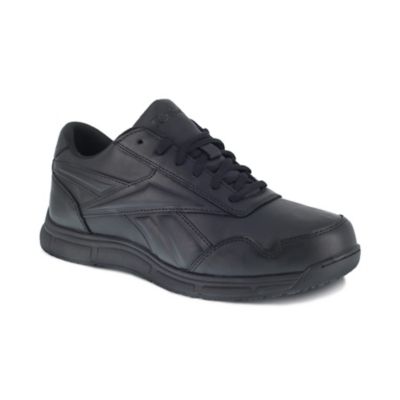
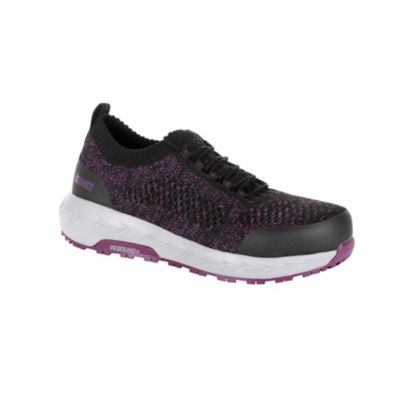
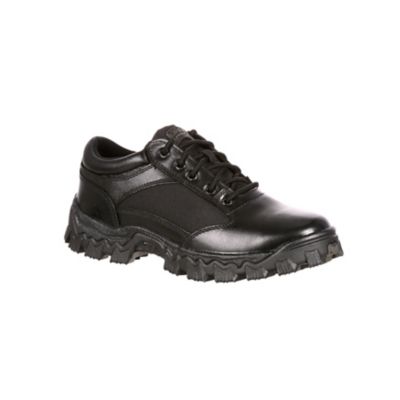
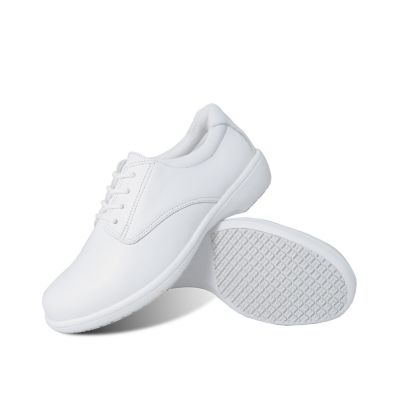
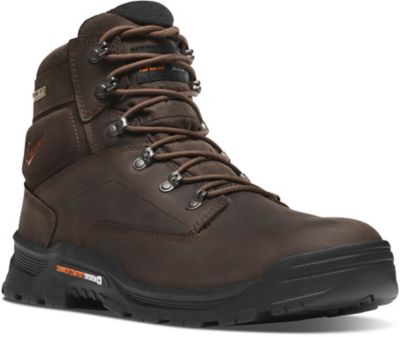
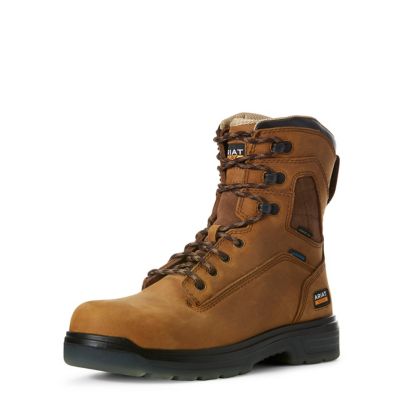
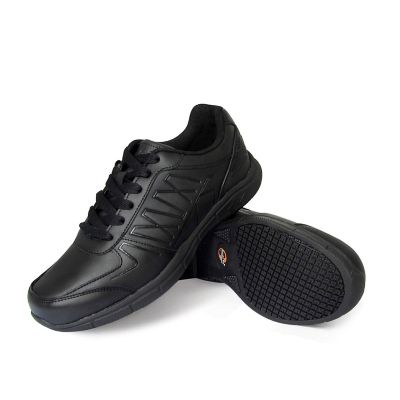
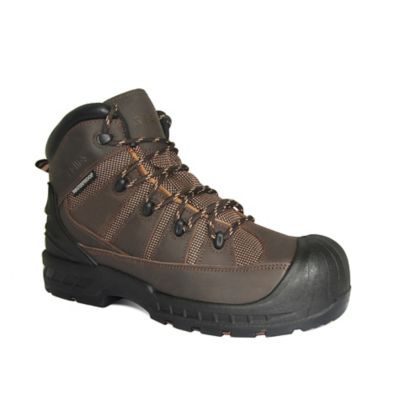
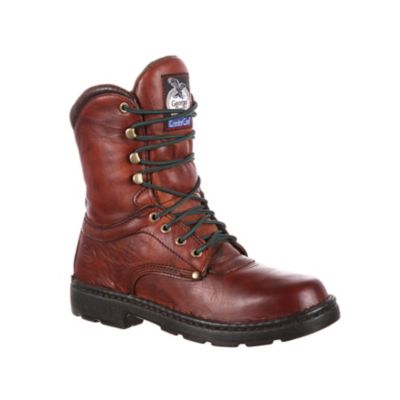
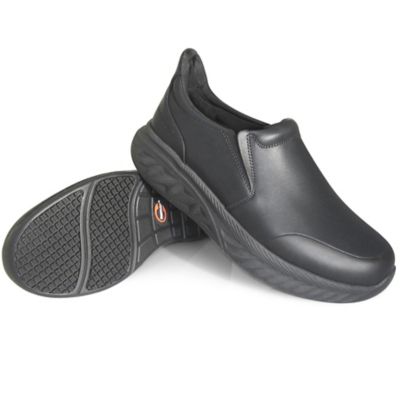
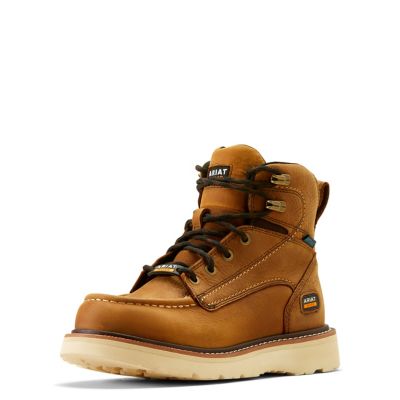
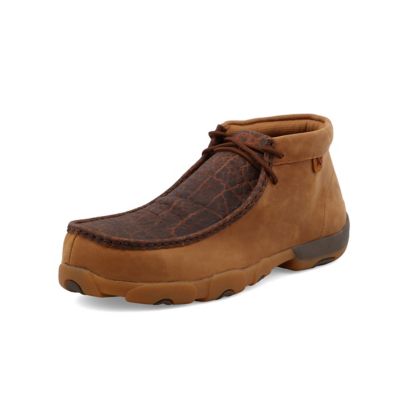
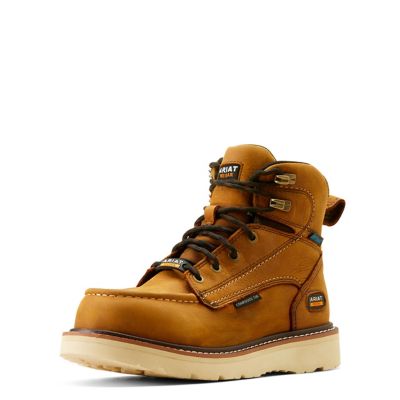
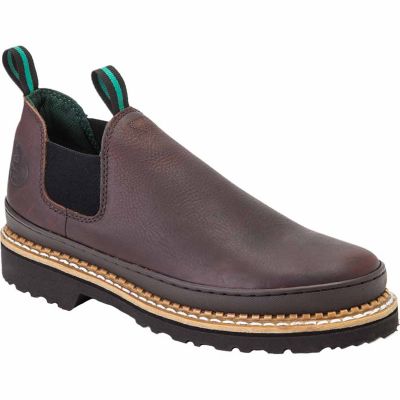
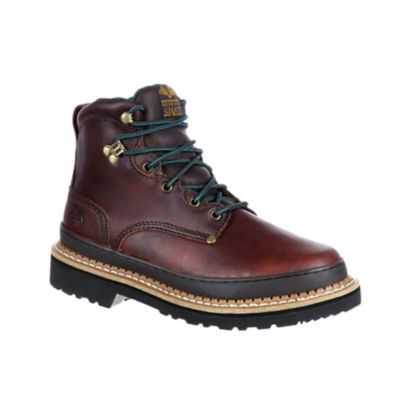
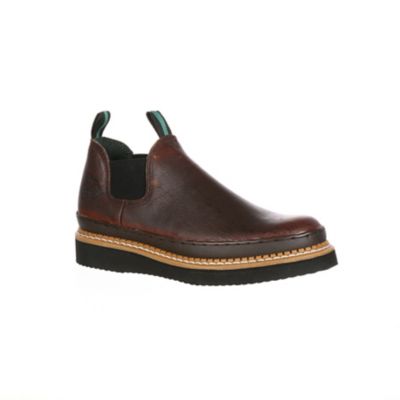
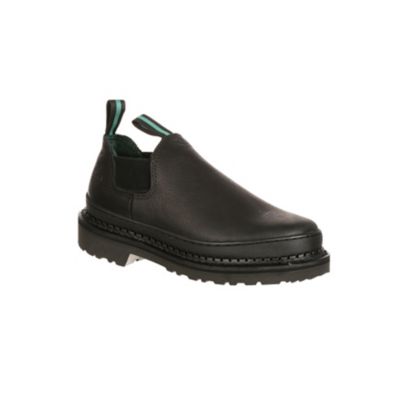
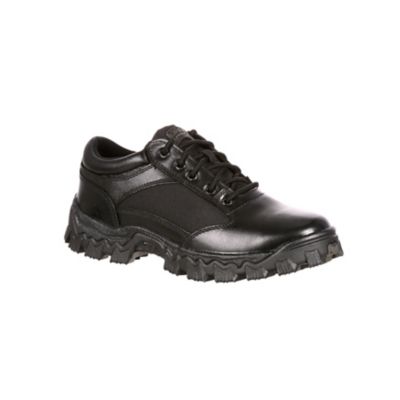
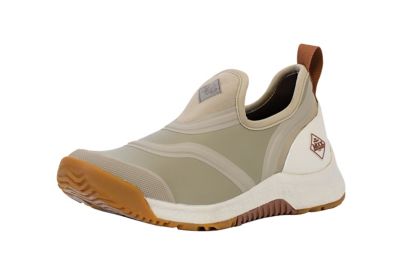
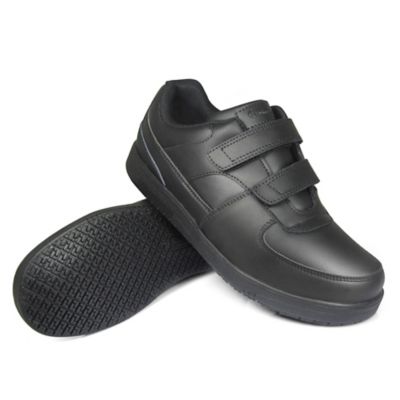
Comfortable footwear for work pairs the right fit with cushioning, support, and traction suited to the job. A pair that feels good behind a service counter may not be the right match for carrying feed sacks, climbing equipment steps, or spending a full shift on a concrete shop floor. For folks who stand in one spot, cushioning under the heel and forefoot can help soften the feel of hard surfaces, while a supportive midsole provides a steadier base than padding alone. For work that involves plenty of walking, a flexible forefoot and manageable shoe weight can make each step feel less cumbersome. The goal is a balance: enough give to move naturally, enough structure to keep the foot from sliding around, and enough room for toes to spread without rubbing. Work shoes often offer a lower profile and easier movement around the ankle, while work boots provide more coverage against contact with equipment, brush, or rough materials. Neither shape guarantees comfort by itself; the fit and construction matter more than appearance. Leather uppers bring structure and can soften with regular wear, making them a practical choice for chores that involve scuffs and contact with rough surfaces. Textile and mesh panels tend to feel lighter and allow more airflow, though they may offer less protection against abrasion or spills. Smooth uppers with fewer seams can also be easier to wipe down after a shift in a stockroom or animal care setting. Comfortable work footwear belongs in plenty of routines beyond the barn, including warehouse shifts, maintenance rounds, delivery routes, and hours at a parts counter. A tidy, low-profile work shoe can fit jobs that move between a front desk and a back room, provided it meets the requirements of both spaces. Shoppers comparing
Comfortable Work Shoes For Men can weigh those same everyday needs: walking distance, floor surface, required protection, and how much room the foot needs through a full day.
Fit is where all those features either come together or fall short. Comfortable work shoes should hold the heel securely without pinching, leave space ahead of the longest toe, and feel roomy across the ball of the foot. Extra length is not a good substitute for the right width, since an overly long shoe can let the foot slide forward or bend in the wrong place. Wide widths can make a real difference for broad feet, particularly when a protective toe cap limits how much the front of the shoe can give. Trying footwear with the socks intended for work gives a better sense of the space inside, and checking the fit later in the day accounts for the swelling that often comes with hours on your feet. Both feet deserve attention, since one may be a little larger than the other. A comfortable fit accommodates the larger foot while keeping the smaller one secure. Lace-up styles allow adjustments across the instep, which can help when feet need different amounts of room. Pull-on boots skip the laces and suit quick trips between chores, but they still need a secure fit through the instep so the foot does not shift excessively. Removable insoles make room for compatible replacement footbeds or prescribed orthotics, though adding a thicker insert can crowd the toes or lift the heel too high. Arch support should feel comfortably placed beneath the foot rather than like a hard lump pressing in the wrong spot. Deep cushioning may feel inviting at first, but a stable platform matters when carrying loads or making repeated turns around a workbench. A few steps across the floor, a careful squat, and a turn in each direction can reveal pressure points that standing still misses. Leather may ease with wear, but tight toe caps, sharp rubbing, and numbness are not problems to count on a break-in period to fix. Persistent foot pain deserves attention from a healthcare professional rather than a promise from a shoe.
Protection and traction are just as important as comfort when work gets demanding. Safety-toe footwear is designed for impact and compression hazards, with steel and nonmetallic options offering different constructions and fits. The material alone does not establish the level of protection; the footwear’s labeled rating and the employer’s requirements are what count. Soft-toe footwear can suit jobs without a protective-toe requirement, but it is not a substitute where falling or rolling objects pose a risk. Electrical-hazard protection, puncture resistance, and other safety features also need to match the task, and no single feature covers every workplace hazard. Underfoot, tread shape and outsole material influence grip. Slip-resistant outsoles can help on certain surfaces, but performance varies with the floor, spills, and tread condition; no sole prevents every slip. Broad, relatively flat soles can feel steady on smooth shop floors, while more defined tread may suit loose footing around a worksite. Ladder work calls for footwear that meets the equipment and workplace requirements, not simply the softest sole. Long-term comfort also depends on how the footwear holds up to daily wear. Reinforced stitching, protected toe areas, and abrasion-resistant upper materials are worth considering for jobs that involve kneeling beside machinery or brushing against pallets. Care helps preserve those features. Brushing away grit, wiping off residue, and following the maker’s cleaning directions keeps buildup from hiding wear or working into seams. Leather may need a suitable conditioner, while fabric uppers call for their own cleaning method. Footwear should dry with airflow away from direct heat, and removable insoles can be taken out when the care directions allow. Flattened cushioning, uneven heel wear, separating soles, and worn tread are signs that a familiar pair may no longer provide the same comfort or footing. For a gift, knowing the recipient’s size, width, work rules, and preferred style matters more than guessing from looks. The right work footwear fits the person and the job, from the first trip across the shop to the last chore before heading home.