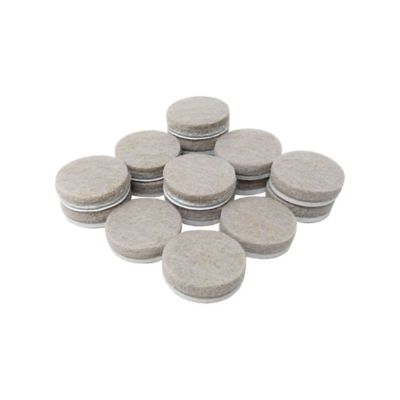
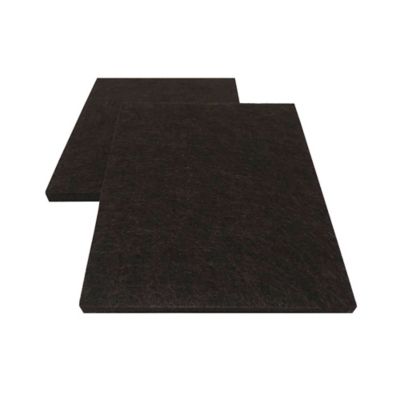
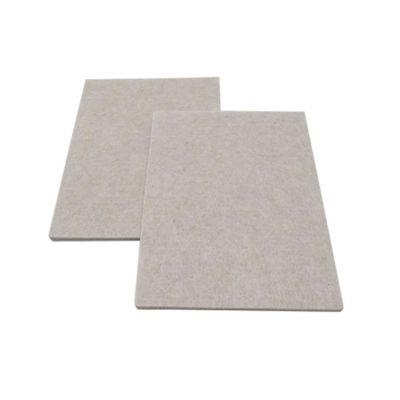
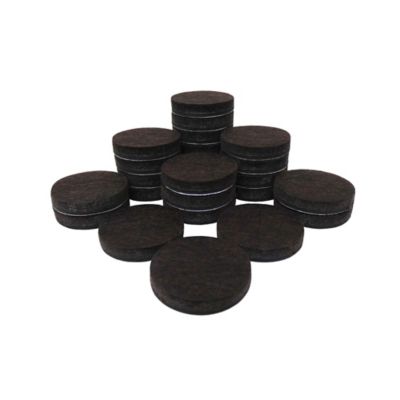
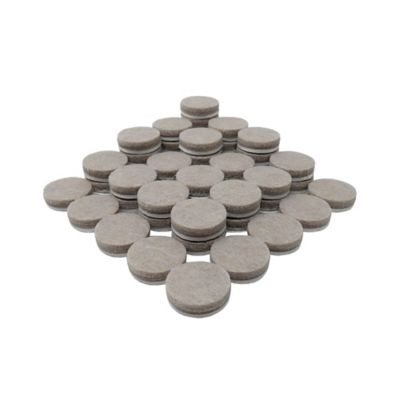
Hardwood floor protection works best when it matches what happens on the floor: soft furniture pads help limit scratches beneath chairs and tables, nonslip protectors help keep stationary furniture from shifting, and hard-floor chair mats provide a barrier beneath rolling desk chairs. Entry mats and runners serve a different purpose, catching dirt before it travels across the room. In a busy farmhouse or a home with kids, pets, and plenty of visitors, those small barriers can make a real difference to the finish underfoot. A grain of sand beneath a chair leg can leave a mark when someone scoots back from supper, while grit caught under a rolling caster can repeatedly rub the same patch of flooring. Protection is about separating those contact points without introducing a backing or adhesive that harms the wood’s finish. Felt is a common choice for furniture that moves often because its soft surface cushions contact and lets a chair slide more easily. Gripping materials suit furniture that needs to stay put, provided the material is approved for the particular floor finish. Neither approach fits every situation: a dining chair needs freedom to move, while a bench beside the door generally benefits from staying steady. The size and shape of the furniture foot matter just as much as the pad material. A protector should cover the contact surface without leaving an exposed edge that can scrape the floor or an overhang that readily catches dirt. Round, square, and rectangular furniture feet call for corresponding coverage, and angled legs may need protectors that maintain contact when someone sits down. Adhesive-backed pads need a clean, dry attachment surface, while fitted caps depend on matching the leg dimensions and shape. For kitchen tables, reading chairs, bedroom furniture, and work-from-home spaces, a well-fitting barrier keeps the focus on everyday living rather than the scrape of furniture across bare boards.
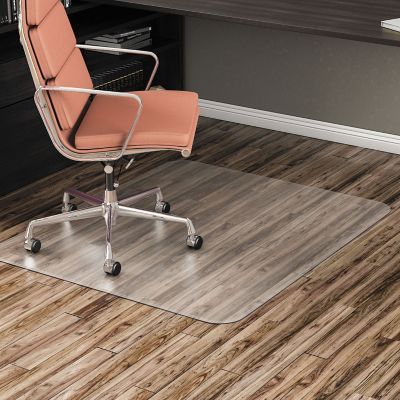
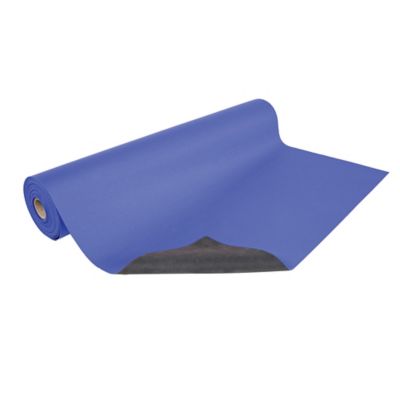
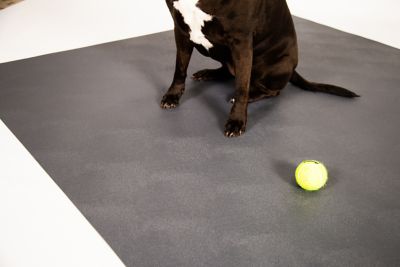
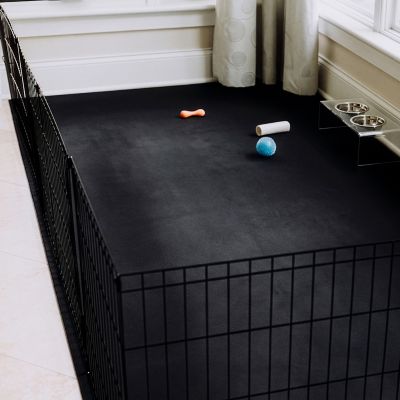
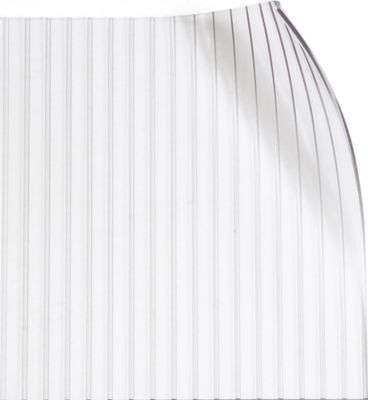
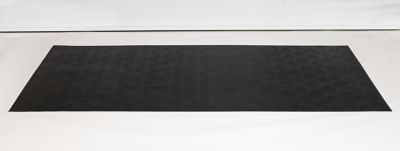
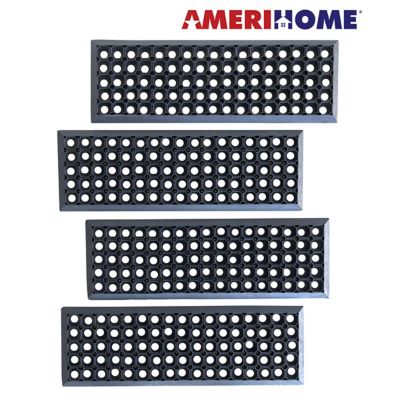
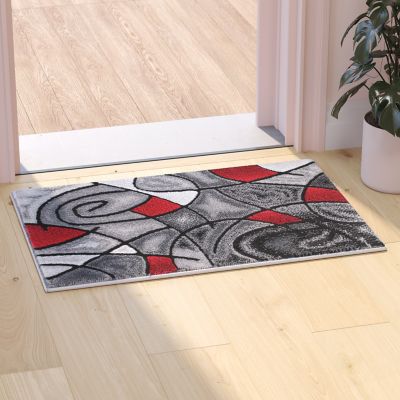
Larger hardwood floor protectors address the places where small pads cannot do the whole job. Under a desk, a chair mat needs enough coverage for the chair’s normal rolling path, including the space needed to pull away and stand up. A mat that ends beneath the back wheels leaves an edge to cross repeatedly and can expose the same strip of wood to wear. Mats intended for hard floors generally have smooth undersides rather than the cleats found on many carpet mats; those cleats are not suitable for direct contact with hardwood. Material choices may include rigid plastics or more flexible coverings, with thickness, firmness, and weight capacity affecting how the surface handles rolling loads. Clear materials let the grain show through, while opaque surfaces create a more defined work area. Either way, flat edges and clearance beneath nearby doors matter in a room that sees daily traffic. Entry mats and runners have another job: holding onto tracked-in grit from boots, shoes, and paws. A low-profile mat near the door can help contain that mess, but the backing deserves close attention. Some rubber, latex, plastic, or adhesive materials can discolor certain finishes or interact with them over time, so compatibility with the flooring manufacturer’s recommendations matters more than a broad claim of floor protection. A rug pad should fit beneath the rug without extending into the walking path, and its grip should help limit movement without bonding to the finish. Around pet bowls, a water-resistant barrier can help catch splashes, but moisture trapped underneath still poses a risk to wood. Washable surfaces, manageable weight, and edges that are easy to lift make routine cleaning less of a chore. Homes with several flooring materials may also need different protection from room to room;
Vinyl Floor Protectors offers a related category to consider for vinyl surfaces. Compatibility should always follow the actual flooring and finish rather than appearance alone.
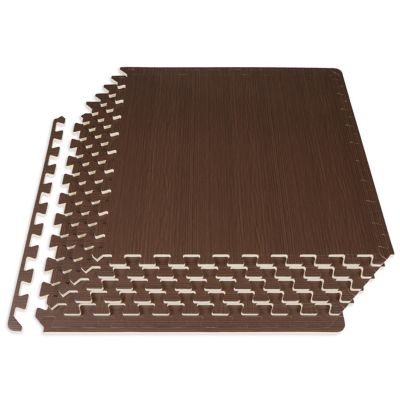
Temporary hardwood floor protection fills a separate need during painting, repairs, furniture moving, and other jobs that bring extra foot traffic or equipment indoors. Paper coverings, protective boards, and padded barriers differ in how they handle scuffs, dropped debris, and incidental spills. A lightweight covering may suit light foot traffic, while heavier work can call for a covering rated for the expected loads and impacts. No covering makes hardwood immune to damage, especially when a heavy cabinet is dragged or a sharp object lands with force. For newly finished floors, the finish manufacturer’s curing requirements come first; covering the surface too soon can interfere with curing or leave marks. Breathability, seam placement, and the method of securing a temporary covering all deserve attention. Tape should not be assumed safe for direct contact with a finished wood floor, and any fastening method needs to follow both the covering and flooring instructions. Beneath everyday protectors, cleanliness remains a big part of performance. Felt can collect grit, fitted caps can loosen, and mats can conceal dust or moisture along their edges. Regular lifting and cleaning help keep a protective layer from becoming a place where abrasive particles gather. Furniture pads that flatten, tear, or shift no longer provide the same separation, particularly beneath a favorite chair that moves several times a day. Heavy furniture also places concentrated pressure on small feet, so a soft pad alone may not prevent dents; load-spreading protectors rated for the furniture and approved for the floor can be worth considering. Lifting furniture rather than dragging it remains important even with protectors attached. For homeowners, renters, busy families, and folks setting up a home office, the right combination often includes more than one kind of protection. The dining area, entryway, desk, and occasional repair project each put different demands on the same wood floor. Matching materials, fit, and care requirements to those demands helps preserve the finish while keeping rooms comfortable and practical for everyday life.