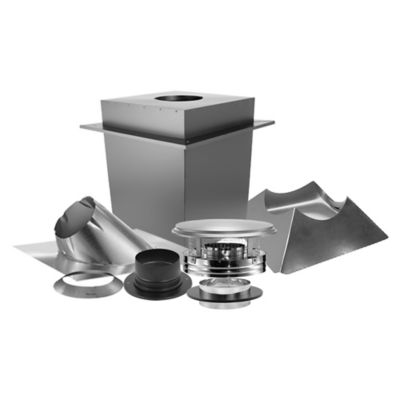
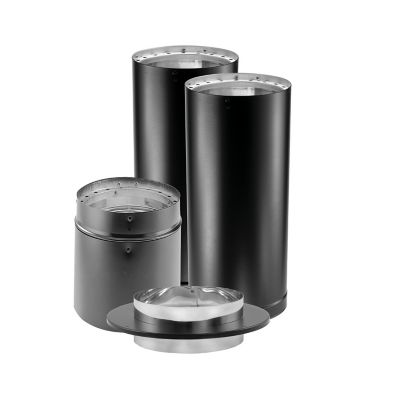
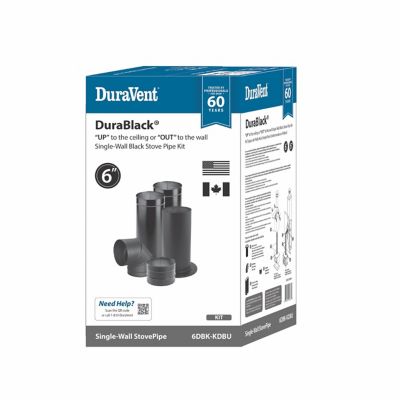
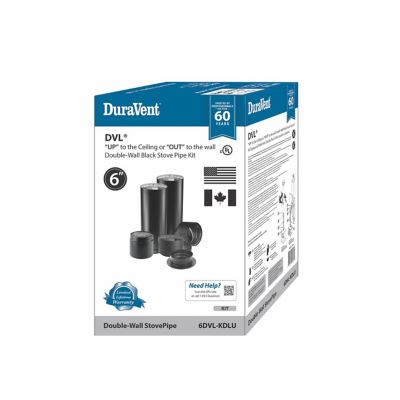
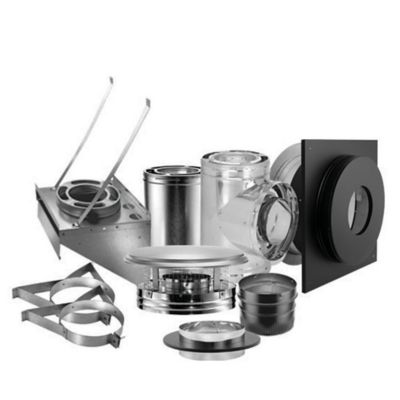
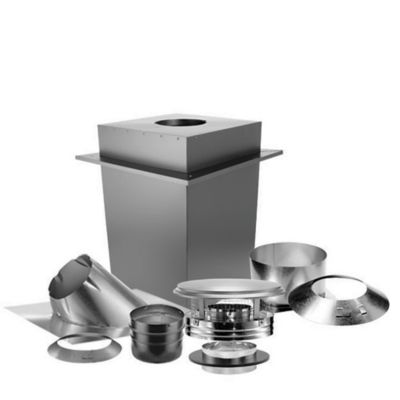
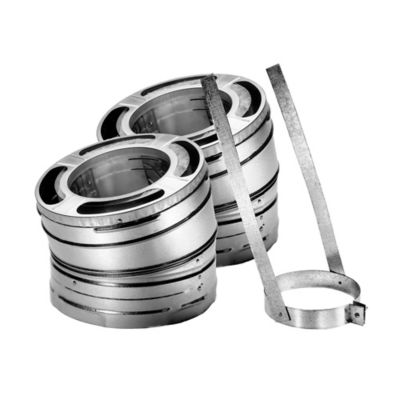
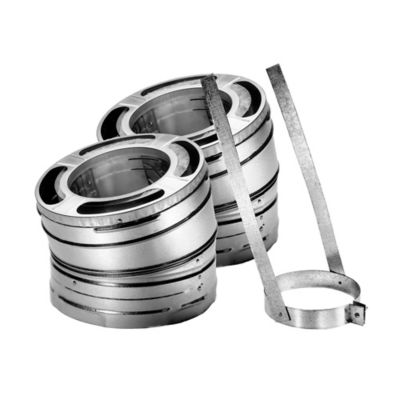
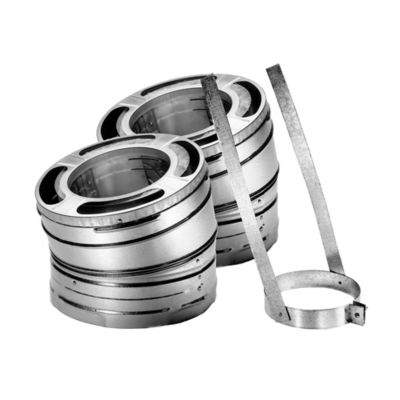
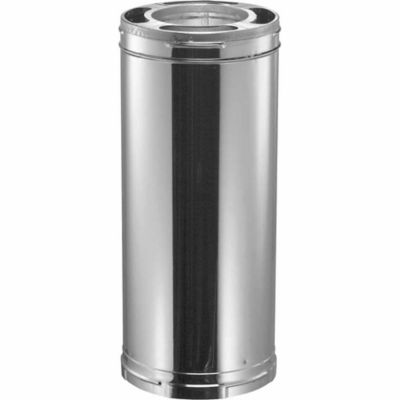
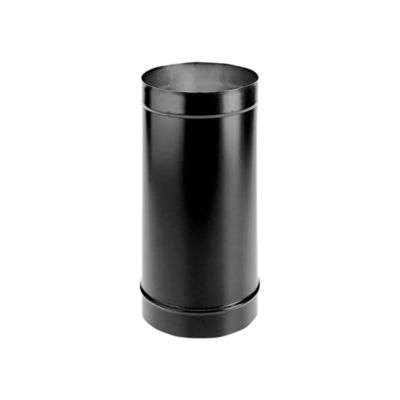
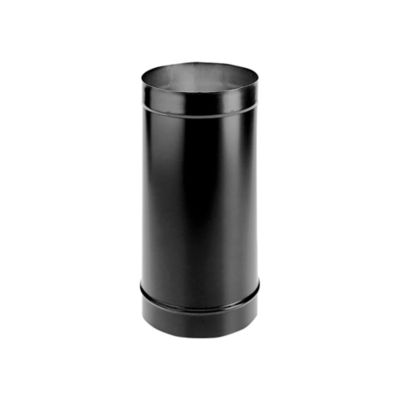
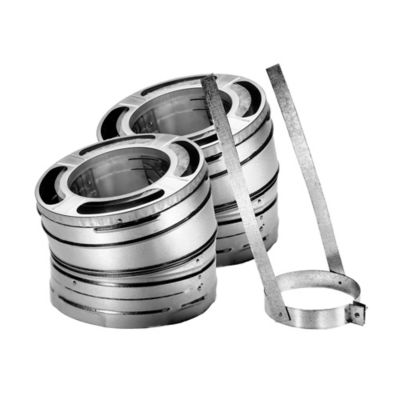
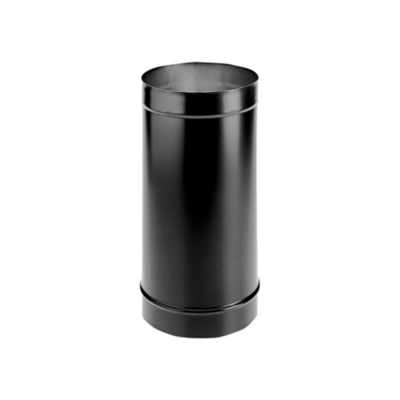
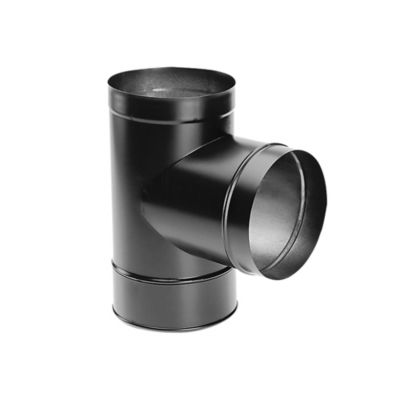
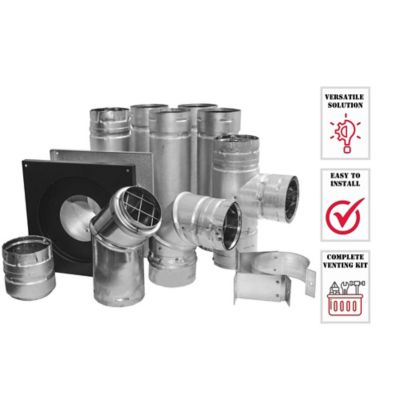
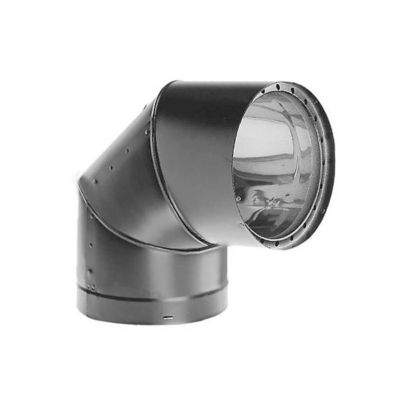
Wood burning stove pipe kits bring together compatible components for connecting a wood stove to an approved venting system that carries smoke and combustion gases outdoors. What comes in a kit depends on the installation it is designed to serve: some packages cover the exposed connector pipe between the stove and chimney, while others include chimney components for a route through a ceiling or exterior wall. A kit does not necessarily include every part needed for a complete installation, so its intended application matters just as much as its contents. For a farmhouse living room, a cabin, or another space approved for wood heat, the right setup starts with the stove’s installation requirements and the building’s layout. A stove sitting beneath an open ceiling presents a different venting arrangement than one beside an exterior wall with a deep roof overhang. Exposed stovepipe, also called chimney connector, is not the same thing as insulated chimney pipe. Connector pipe carries exhaust from the appliance to the chimney connection; it is not intended to pass through walls, ceilings, attics, or other concealed spaces. Those transitions require an approved chimney system and the appropriate listed support or pass-through components. This distinction helps explain why kits with similar-looking sections may serve very different purposes. Ceiling height, wall construction, roof shape, and the location of framing all affect which arrangement belongs in the space. An existing masonry chimney brings its own considerations, including the condition and suitability of its liner and connection. For households replacing a stove or restoring wood heat to a cabin, the old venting layout should not automatically determine the new one. A qualified installer can assess whether the existing chimney and connections meet the replacement stove’s requirements. Clear package descriptions and installation documents make it easier to distinguish a connector kit from a chimney installation kit before planning the rest of the system.
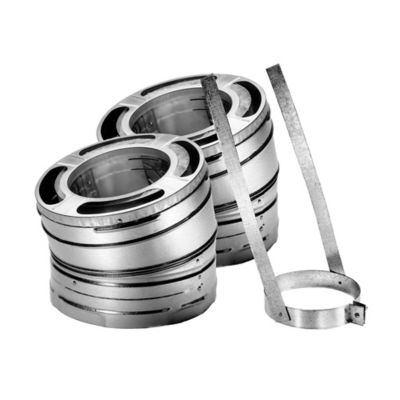
Materials and construction affect how stove pipe components handle heat, maintain clearances, and stand up to regular heating cycles. Black-finished steel is common for exposed connector pipe, while listed factory-built chimney systems often have stainless steel inner walls and insulated construction suited to solid-fuel exhaust. Single-wall connector pipe and double-wall connector pipe have different clearance requirements, and neither should be confused with insulated chimney sections. Some double-wall connectors allow smaller clearances than single-wall connectors, but the applicable distance comes from the component’s listing and instructions, along with the stove’s requirements. Nearby wood trim, ceiling beams, shelving, and wall framing all belong in that clearance assessment; a surface that looks fire-resistant does not necessarily change what lies behind it. Fit involves more than finding pipe with the same nominal diameter. The stove’s flue collar size, the specified vent diameter, the connection style, and the chimney system’s manufacturer all matter. Components from separate systems should not be treated as interchangeable simply because their ends appear to fit together. Proper connections, support, and allowances for expansion help the assembly handle repeated heating and cooling without placing unnecessary strain on the stove outlet. Adjustable sections can accommodate certain spans within their stated limits, while elbows can address permitted offsets around building features. Neither takes the place of a venting layout that follows the appliance and chimney instructions. A long sideways run or a string of bends can affect draft, making the route just as important as the pipe material. Where a chimney passes through the roof, flashing must suit the roof pitch and covering, whether that is shingles or metal roofing. Supports, storm collars, and chimney caps each have a separate job, from carrying the chimney’s weight to helping manage rain at exterior connections. Package contents vary, so the presence of pipe sections alone does not establish that all those needs are covered.
Everyday upkeep is another consideration when comparing wood burning stove pipe kits. Wood smoke can leave soot and creosote inside the venting system, and an arrangement with suitable inspection and cleaning access makes ongoing maintenance more manageable. A straight, accessible connector run is easier to examine than one tucked behind fixed furnishings, while an exterior chimney may need an accessible cleanout as part of its approved layout. Chimneys, connectors, and related venting components should receive an inspection at least annually, with cleaning whenever conditions call for it. Heavy burning, restricted draft, and fuel that has not dried sufficiently can increase deposit buildup, so a calendar alone does not tell the whole story. Dry, seasoned firewood and operation within the stove manufacturer’s directions support better combustion, but they do not eliminate the need for inspection. Rust, loose joints, damaged finishes, or staining around a connection deserve attention rather than a quick cover-up. Exterior components also face rain and wind, making sound flashing, correct support, and periodic checks important to their service life. For the rest of the hearth area,
Wood Stove Accessories can complement the venting setup with tools for routine cleaning and ash handling. Those supporting supplies do not replace the correct chimney components, required clearances, or working smoke and carbon monoxide alarms. A good purchasing decision accounts for the whole installation: the appliance, connector, chimney, building penetrations, and access for future maintenance. Keeping the system’s model information and installation paperwork on hand also makes later inspections and replacement-part matching less of a guessing game. Whether wood heat serves as the main source of warmth in a country home or supplements another heating system, a properly matched pipe kit provides a starting point for the venting arrangement. Professional assessment, local code requirements, and the instructions supplied with every part remain the basis for choosing a setup that fits the building and its intended use.