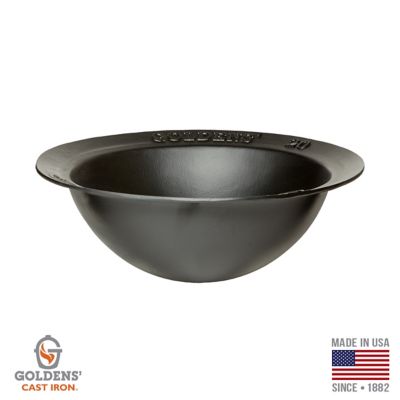
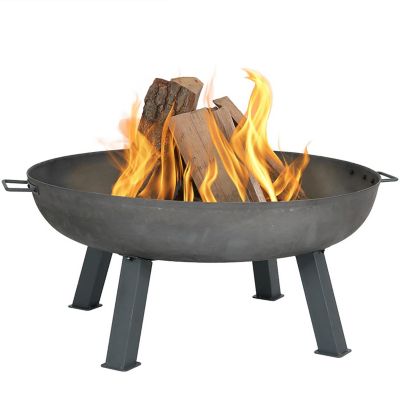
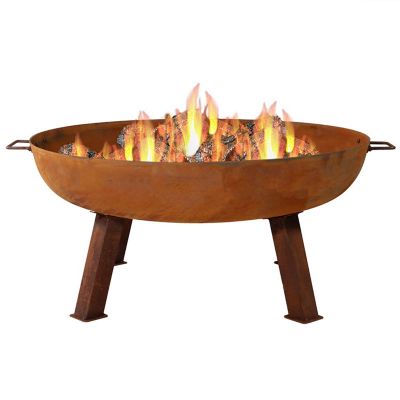
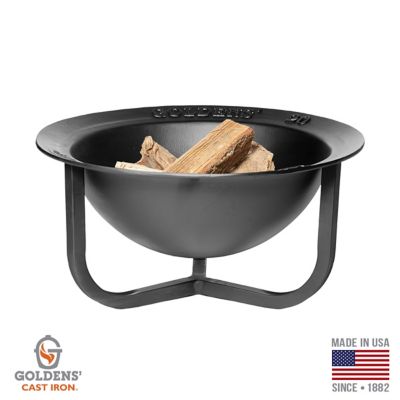
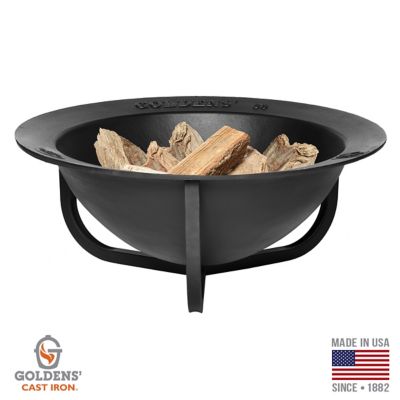
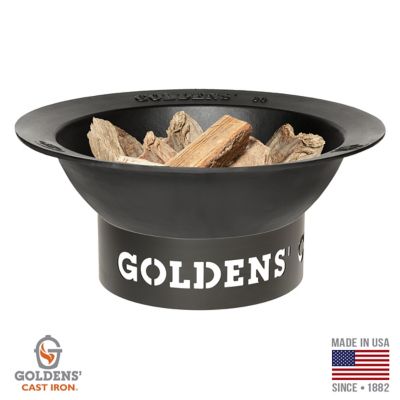
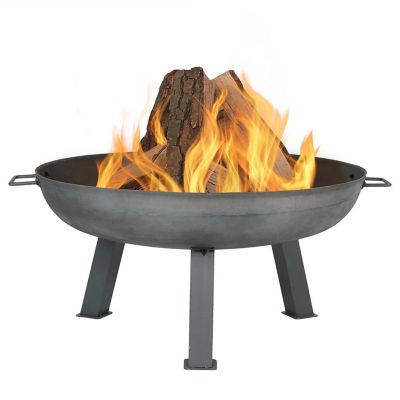
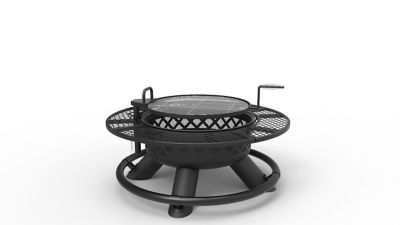
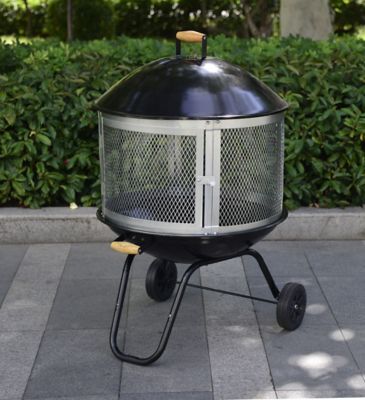
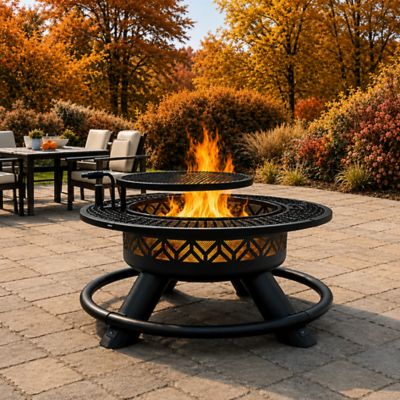
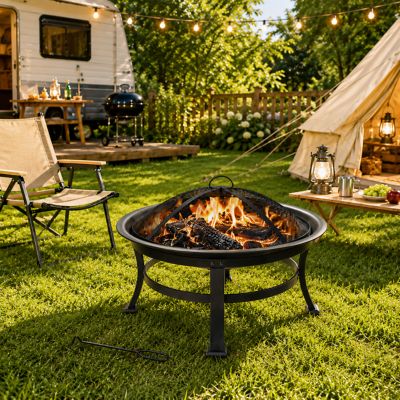
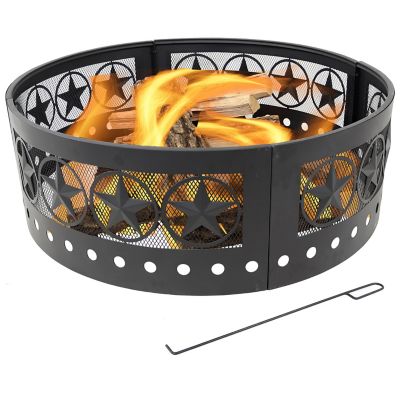
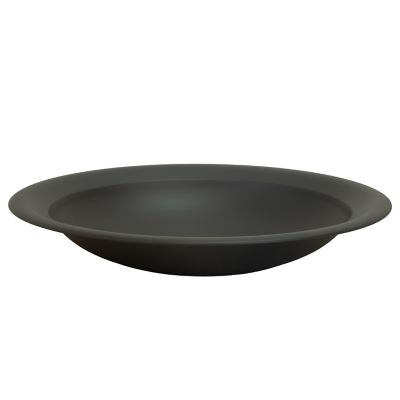
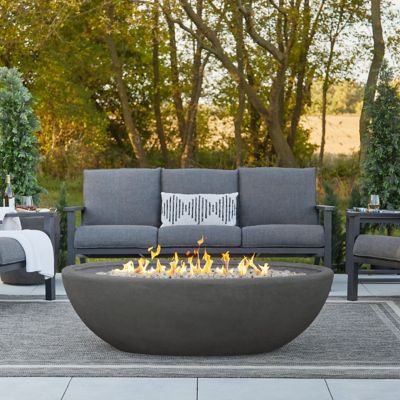
A cast iron fire pit gives folks a place to pull up a chair, trade stories after chores, and enjoy the steady glow of a wood fire. The appeal goes beyond the flame: cast iron has a substantial feel, holds heat well, and brings a grounded look to an outdoor gathering spot. A broad, open bowl puts the fire in view from several seats, while a deeper shape can help contain logs and ash within the fire area. Those differences matter when choosing between a spot for two chairs and a larger circle where family and neighbors gather. Bowl diameter is only part of the fit. The full footprint includes legs, handles, and any surrounding frame, and the space also needs room for seating, tending the fire, and walking past without stepping close to hot metal. A fire pit that looks modest beside an open pasture may take up a good share of a small backyard gathering area. Checking the overall dimensions against the intended location helps keep that scale in perspective. Log length matters, too, especially for households that already split and stack their own firewood. Wood should fit fully inside the fire area rather than hang over the rim. Bowl height changes the experience as well: lower designs keep the flame closer to ground level, while taller bases bring the fire into a different sight line from a seated position. Regardless of shape, a cast iron fire pit needs a level, noncombustible surface suitable for the design, along with the clearances listed by its manufacturer. Open space above and around the fire is essential, with buildings, fences, branches, stored feed, hay, and other combustible materials well away. The best fit is a fire pit that belongs in the space without crowding the everyday paths between the house, yard, and outbuildings.
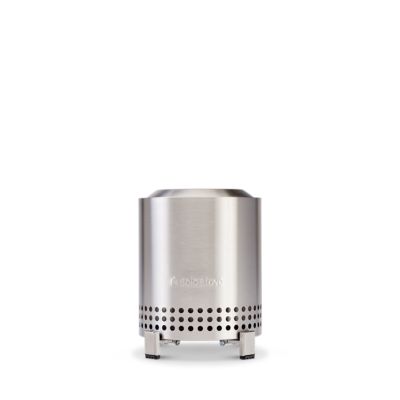
Construction details tell more about a cast iron fire pit than appearance alone. A cast iron bowl may sit on a steel stand or include handles and hardware made from other metals, so the materials throughout the assembly deserve a look. Cast iron brings weight, and that heft can make a fire pit better suited to a regular gathering spot than frequent moves around the property. Handles can make repositioning a completely cool, empty bowl more manageable, but they are not a reason to lift a fire pit while it contains a fire or hot ash. The listed weight, base design, and assembly requirements help show whether moving it will take one adult or a second set of hands. A broad, well-supported base is especially worth considering where the ground is not perfectly even, though the final setup still needs a firm, level foundation. Details inside the bowl affect everyday tending. A raised fuel grate, when included, can create space beneath the logs for airflow, while an accessible bowl makes cooled ash easier to remove. A deeper fire area may hold more wood, but capacity is not a reason to build a fire beyond the maker’s limits. Spark screens help contain some flying embers without making the surrounding area safe for combustible materials. Their fit, lifting points, and clearance over the logs all matter during a gathering. Cooking features deserve a separate check rather than an assumption. A fire pit intended for outdoor warmth is not automatically a cooking appliance, and a screen is not a food grate. For meals around the fire, look for an expressly approved cooking setup and follow its fuel and cookware requirements. When the gathering space calls for a smaller footprint,
Mini Fire Pit options provide another scale to consider, while still requiring the support, placement, and clearances specified for each design.
Care is part of owning cast iron, and a little attention between fires helps protect both the metal and the gathering space around it. Bare cast iron can develop surface rust when moisture lingers, while painted or coated surfaces have their own maintenance needs. The right care depends on that finish; seasoning advice for a cooking skillet does not automatically apply to an outdoor fire bowl. Manufacturer directions should settle which protective treatments belong on the metal and which cleaning tools are suitable for the surface. Cast iron also benefits from avoiding abrupt temperature changes, so routine cleaning belongs after the fire pit has cooled completely. Ash can hide hot embers long after the visible flame is gone. Once safe to handle, ash belongs in a metal container with a fitted lid, kept on a noncombustible surface away from buildings and anything that can burn. Removing cooled ash also keeps it from sitting against the bowl and holding moisture there. A properly fitted cover can help keep debris and moisture out during storage, but it should go on only after the entire fire pit is fully cool and dry. Storage plans deserve a place in the buying decision, particularly when a heavy bowl must pass through a narrow gate or move to a shed. For households that gather often, straightforward access for cleaning and a sensible place for firewood can matter as much as the shape of the rim. A cast iron fire pit can also make a thoughtful housewarming or family gift for someone who enjoys time outdoors, provided the recipient has an appropriate place for an open fire and is comfortable with the upkeep. Local fire rules, fuel restrictions, and the manufacturer’s instructions remain part of that decision. With the right size, stable footing, and care routine, a cast iron fire pit can become a familiar meeting place for quiet evenings, long conversations, and time spent together close to home.