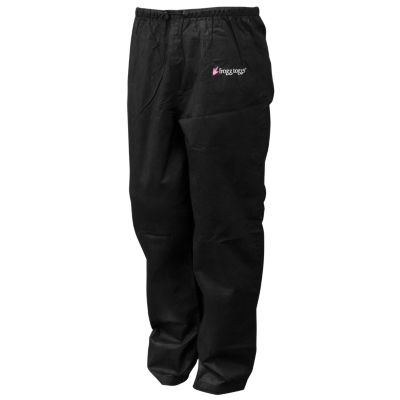
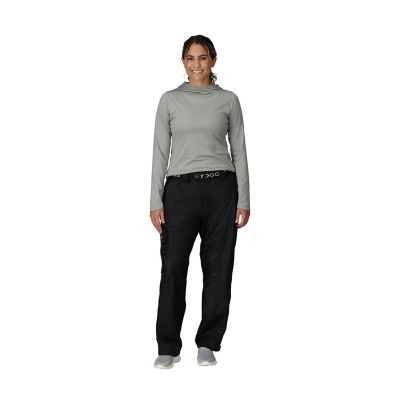
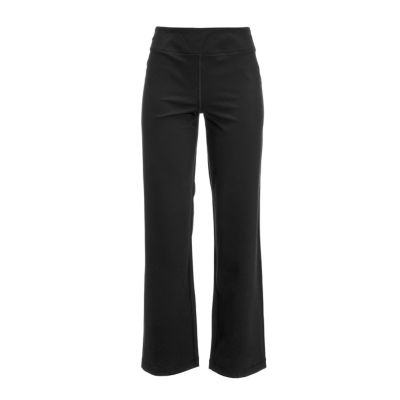
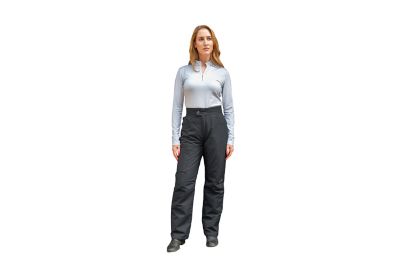
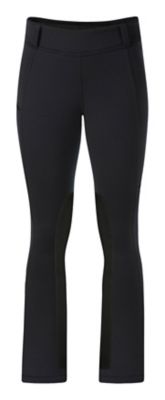
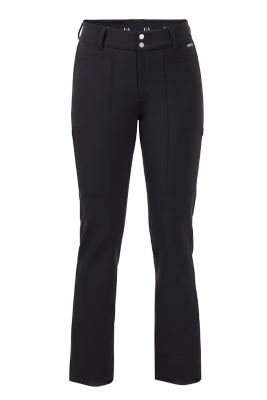
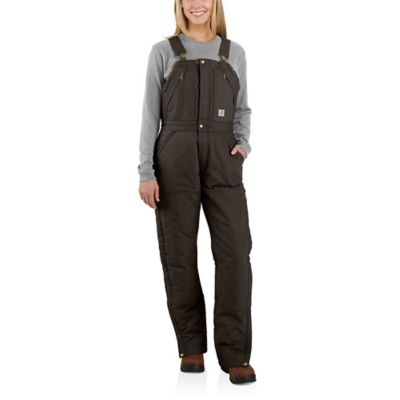
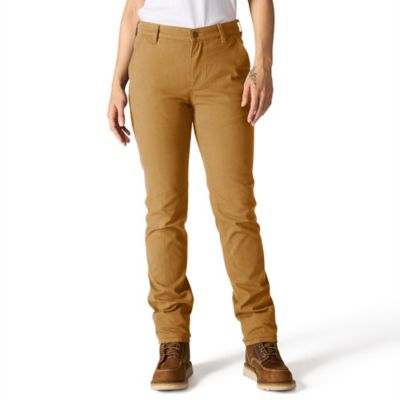
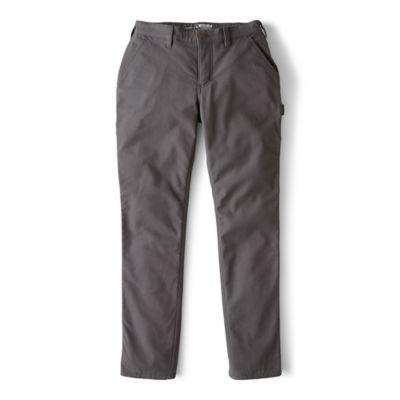
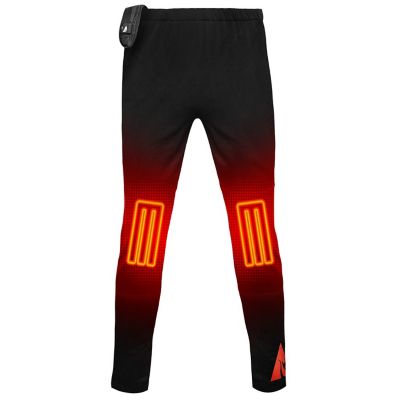
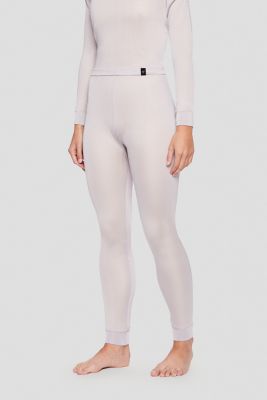
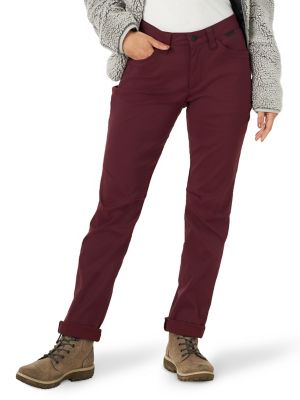
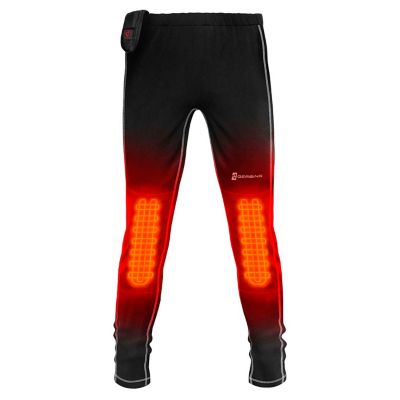
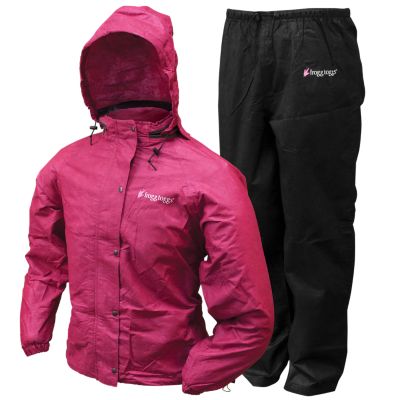
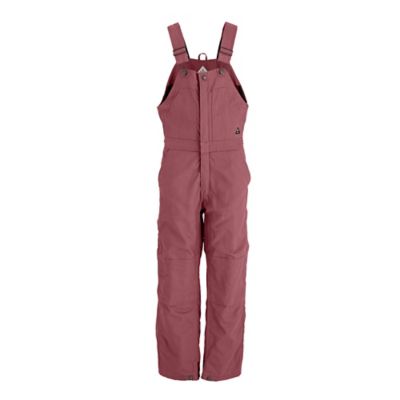
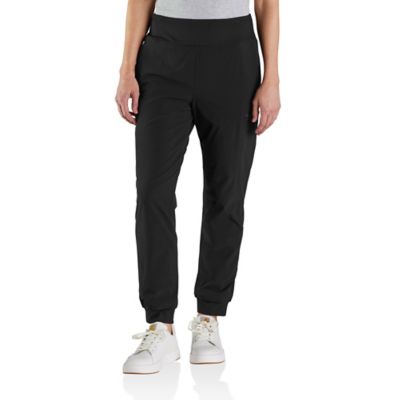
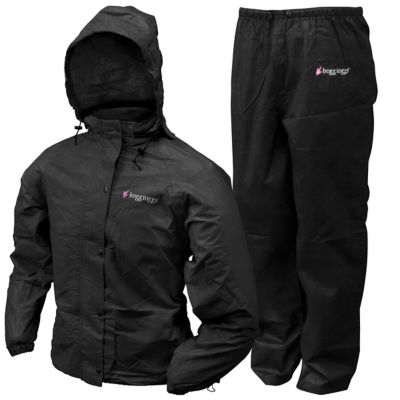
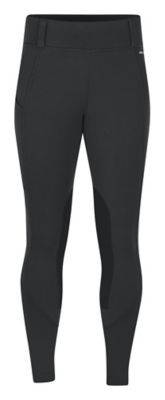
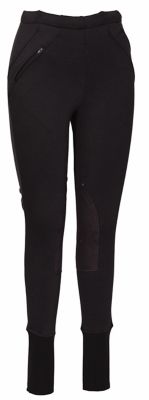
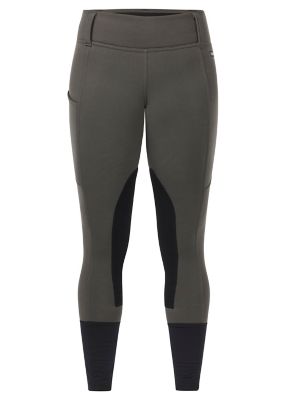
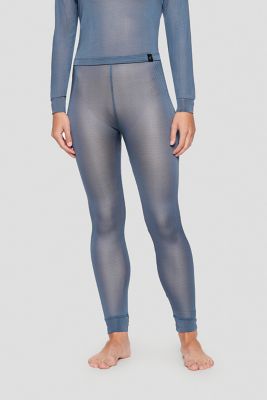
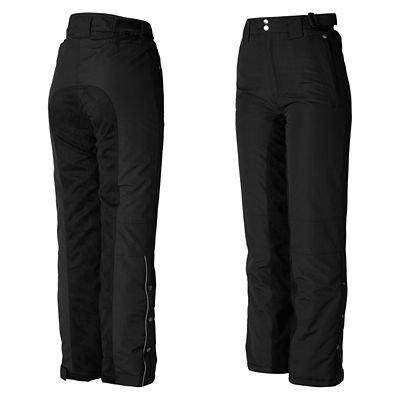
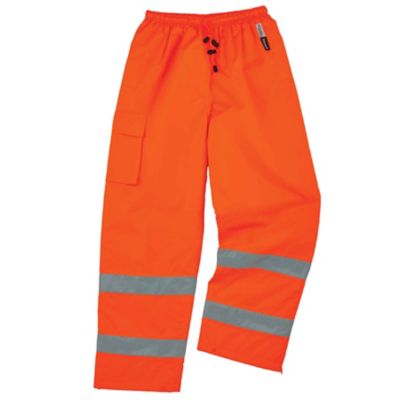
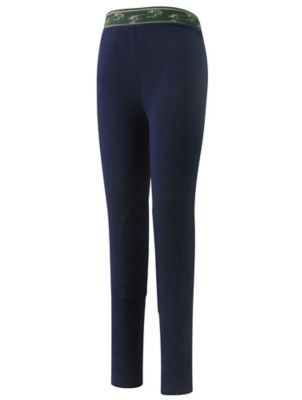
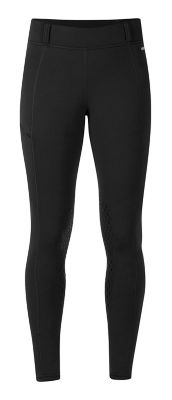
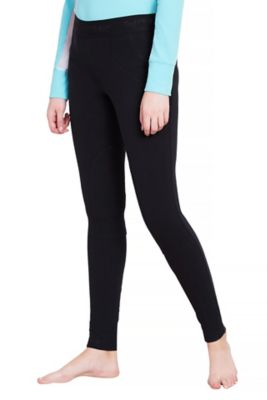
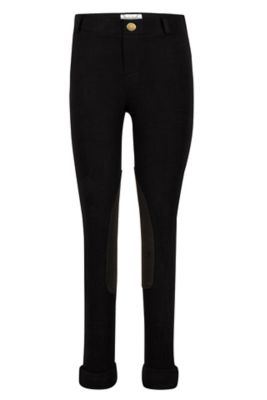
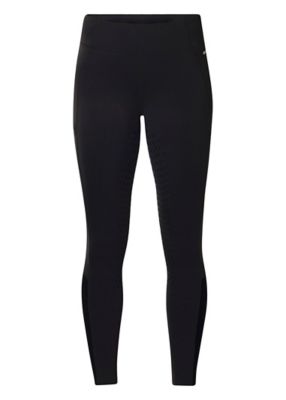
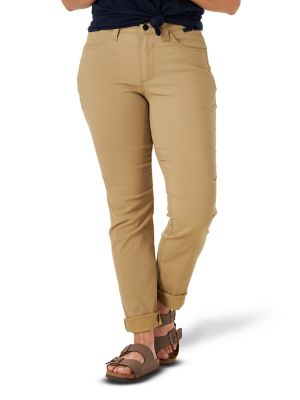
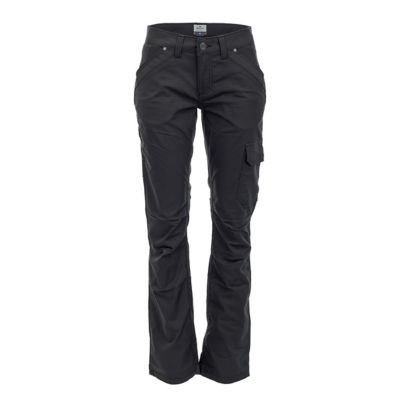
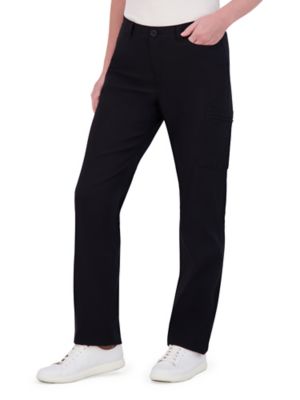
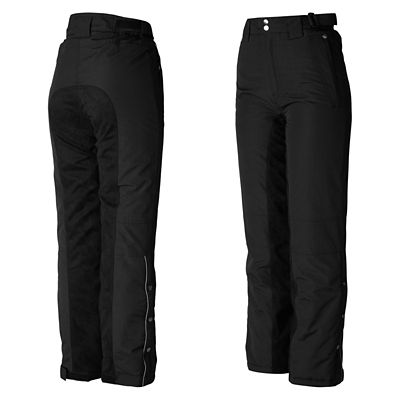
Women’s winter outdoor pants bring warmth, weather protection and room to move to cold days spent beyond the back door. Two common constructions serve different needs: fleece-lined softshell pants balance warmth and breathability for active outings, while insulated snow pants with waterproof construction offer more protection for time in wet snow. Lined canvas and twill pants are another option for chores and everyday outdoor wear, especially when resistance to scuffs matters as much as warmth. Walking a fence line, carrying feed to the barn and taking a snowy trail all put different demands on the same pair of legs. Stretch-woven softshell fabric can make long strides and uphill walking feel less restricted, while a brushed or fleece lining adds a soft layer against the skin. Insulated pants hold warmth with a separate layer of fill, making them useful for lower-output activities such as watching a sledding hill or sitting through an outdoor event. The outer fabric matters, too. Nylon and polyester fabrics often dry faster than cotton, while heavier canvas offers a substantial feel for work around rough surfaces. Cotton-rich fabrics can be comfortable in dry conditions, but they hold moisture longer once soaked. Water-resistant fabric can shed light snow and brief splashes; it does not provide the same protection as waterproof fabric with sealed seams. Even with waterproof fabric, seams, closures and openings affect how well the whole garment keeps water out. Wind resistance is another consideration on open ground, where a breeze across a pasture can cut through loosely woven fabric. Breathability helps moisture escape during steady movement, although no fabric keeps every wearer comfortable at every activity level. A brisk hike calls for a different balance than a slow afternoon checking livestock. The right combination depends on how much moving, standing, kneeling and exposure the day involves, not simply how thick the pants feel on the hanger. That distinction helps keep warmth practical instead of making every task feel like a climb in heavy clothing.
Fit has a big say in how women’s cold-weather pants feel once the work starts. A waistband that sits comfortably while standing should also stay comfortable when bending to latch a gate, crouching beside a water trough or climbing into a truck. Mid-rise and high-rise cuts offer different amounts of coverage, and a shaped waistband can help reduce gaps at the back. Stretch panels, articulated knees and a gusseted crotch give the fabric somewhere to go during deeper bends and longer steps. A little room through the seat and thighs also leaves space for a base layer without pulling across the knees. Too much extra fabric, however, can bunch under a coat or catch against boots and brush. Inseam length deserves attention with winter footwear: hems should provide coverage without dragging through slush or slipping beneath a heel. Petite, regular and tall proportions can change more than overall length, since knee shaping needs to line up with the wearer’s knees. Straight legs often work well for everyday chores, while wider leg openings can fit over substantial boot shafts. Some snow-focused designs include ankle gaiters to help keep loose snow from working into footwear. Zippered cuffs can make dressing around boots easier, and reinforced hems help handle rubbing from boot hardware. Reinforced knees and seat panels can also slow wear in spots that meet rough boards, packed ground or frequent kneeling. Pockets matter most when their placement suits the task. A secure pocket keeps keys from bouncing out on a trail, while an opening that accommodates gloved fingers is handy beside a cold gate latch. Pocket contents should not press into the hip when sitting or interfere with bending. Vents, where included, offer another way to release heat during strenuous stretches. Insulation weight alone does not tell the whole warmth story; lining, wind exposure, layers and movement all shape how comfortable a pair feels through a full stretch outdoors.
Everyday care helps winter outdoor pants keep doing their job, particularly when mud, sweat and barn dust come with the territory. Washing directions vary by fabric, insulation and finish, so the care label is the starting point for cleaning and drying. Shaking off loose dirt and brushing away dried mud can reduce the need for a full wash after a short outing. When washing is needed, properly closed zippers and secured hook-and-loop tabs help limit snagging. Fabric softener, bleach and high heat can affect some technical fabrics or finishes, making the stated care directions important. A water-repellent surface treatment can wear down over time, even when the waterproof layer beneath it remains intact. When water stops beading on the surface, a fabric-compatible treatment may help restore that shedding action; it cannot turn an ordinary pair of pants into waterproof snow gear. Pants should be fully dry before storage, with packed pockets emptied and damp cuffs opened out. For days centered on damp grass, light precipitation or splash-prone chores rather than deep cold,
Women's Water Resistant Pants offer a related category where moisture protection may matter more than added insulation. Winter pants also make a practical gift for someone who spends time feeding animals, walking dogs, hiking local trails or helping with outdoor projects. Knowing the recipient’s usual size, preferred rise, inseam and typical activity makes that choice more personal without guessing at fit. Someone constantly on the move may appreciate lighter warmth and stretch, while someone standing outdoors for longer stretches may favor more insulation and room for layers. Neither preference replaces the need for suitable footwear, socks and upper-body layers. Well-matched winter pants simply make it easier to get through the day’s outdoor plans, whether that means breaking ice from a bucket, hauling a sled back uphill or lingering outside long enough to finish the job.