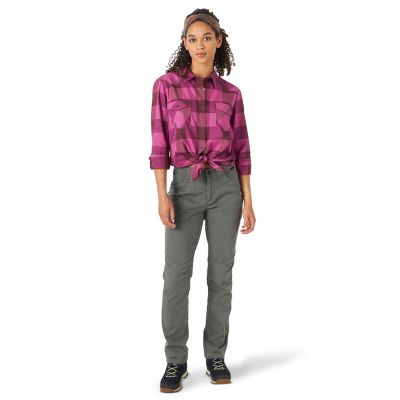
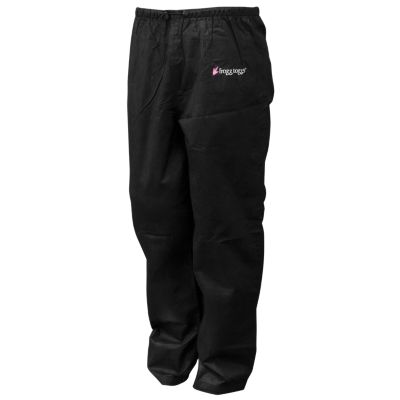
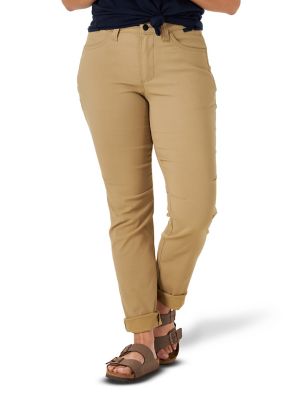
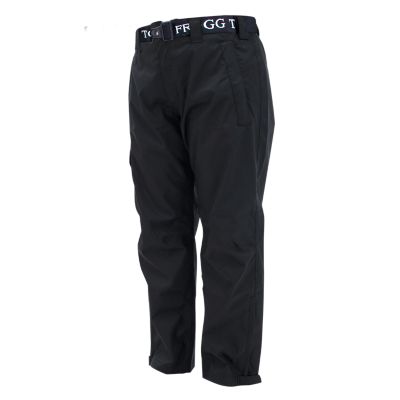
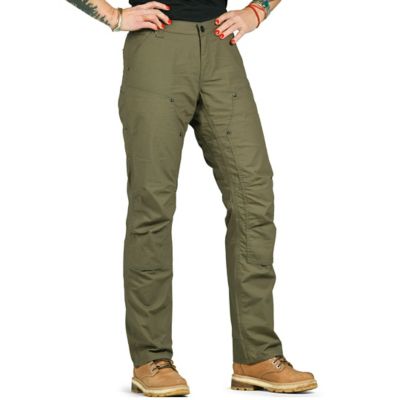
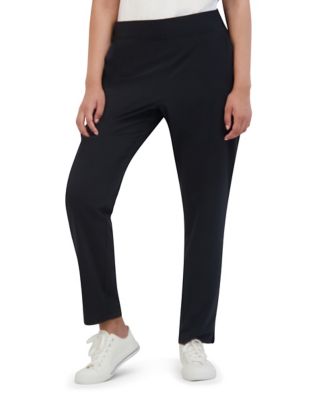
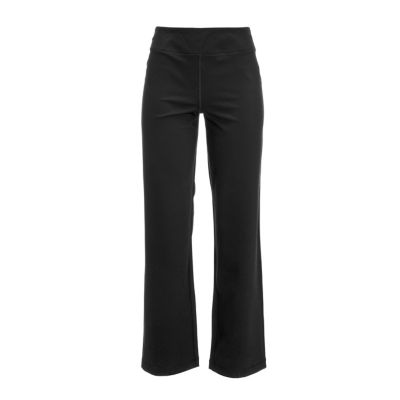
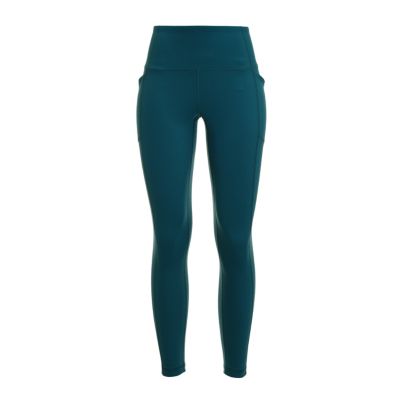
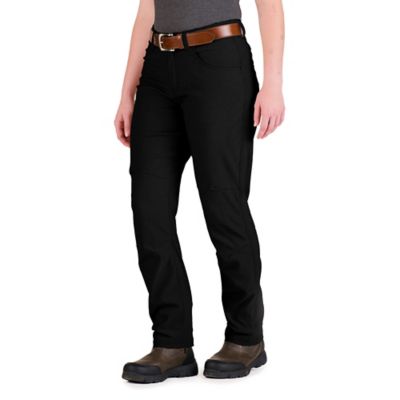
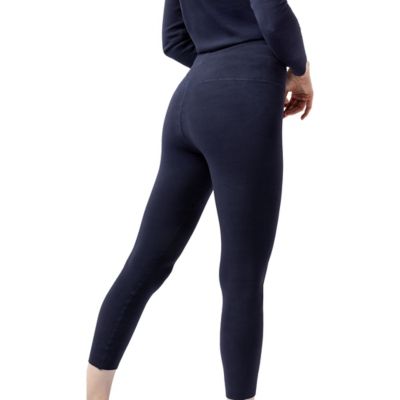
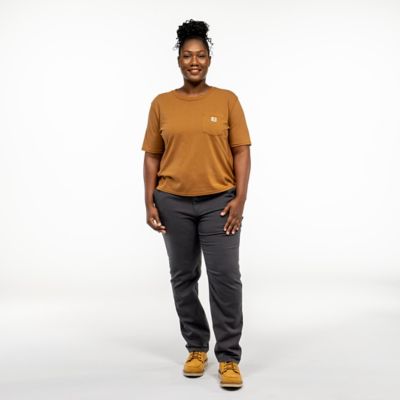
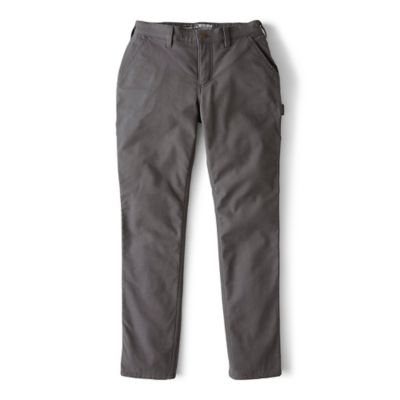
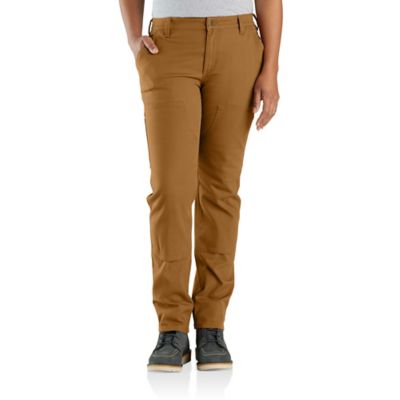
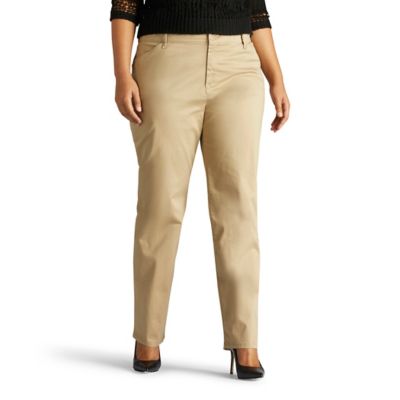
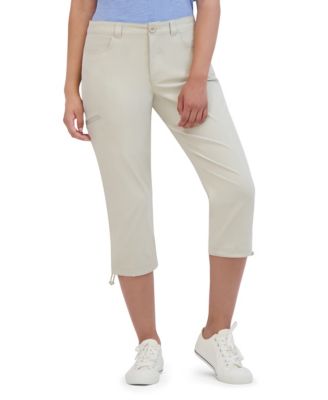
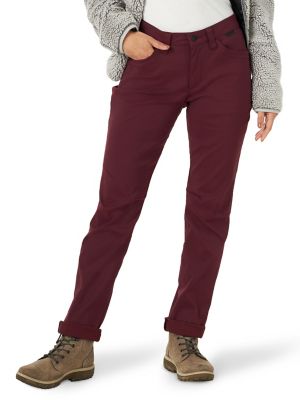
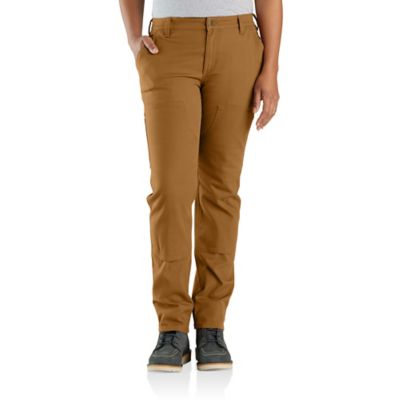
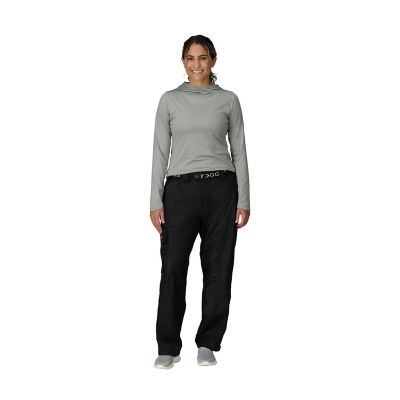
Women’s high-waisted hiking pants pair a higher waistband with outdoor-ready fabrics and a cut that leaves room to move on the trail. The rise generally sits at or near the natural waist, offering more coverage through the middle than a lower-rise fit. That extra coverage can feel especially welcome when stepping over a fallen branch, bending to tighten a bootlace, or reaching uphill with a backpack on. A well-fitting waistband helps pants stay in place without needing constant adjustment, though comfort depends on the waistband’s shape, stretch, and position against your body. Under a pack’s hip belt, a smooth waistband and low-profile closures can help limit pressure points; thick belt loops, bulky buttons, or stacked seams may feel more noticeable over several miles. High-rise hiking pants suit everything from easy walks along a creek to steeper routes with loose rock and uneven footing. They also make sense for campground chores, checking a fence line, or taking the long way back from the barn when the trail calls. Fit matters as much as the rise itself. Enough room through the seat and thighs lets you take a full stride, while shaped knees and a gusseted crotch can make climbing and crouching feel less restricted. Stretch should support movement rather than make up for a fit that pulls across the hips or slips at the waist. A waistband that feels comfortable standing still should also stay comfortable when sitting on a log or lifting a knee onto a tall step. Straight-leg cuts leave space around the calf and work well with many hiking boots, while tapered legs keep excess fabric closer to the body. Jogger-style cuffs offer another close-fitting option, provided they sit comfortably above or around your footwear. Inseam length deserves attention, too: hems should clear the ground without riding so high that they leave an uncomfortable gap above your socks. For longer outings, the best fit is one that stays out of your way from the first gate to the last stretch home.
Fabric gives women’s high-rise hiking pants much of their trail character. Nylon and polyester are common choices because they can provide abrasion resistance without the weight of heavier everyday pants. Blends with elastane add give for scrambling over rocks, kneeling beside a camp stove, or stretching a leg across a narrow wash. Four-way stretch generally allows movement both across and along the fabric, but how freely a pair moves also depends on its cut and construction. Ripstop fabrics have a grid of reinforcing threads intended to help limit the spread of small tears, while reinforced knees or seat panels can add substance where contact with rough ground is more frequent. Neither feature makes a garment tearproof, especially around sharp wire, thorns, or jagged stone. Lightweight woven fabrics often feel less cumbersome on an uphill climb and pack down more easily for a weekend away. For a closer look at that lighter feel,
Womens Lightweight Hiking Pants offers a related category to explore. Heavier weaves and softshell constructions may provide more resistance to wind and abrasion, though they can feel warmer when the pace picks up. During the cooler months, a little room beneath the pants can accommodate a base layer without squeezing the knees or waist. Moisture-wicking fabric moves perspiration away from the skin, and quick-drying materials help pants shed lingering dampness after hard effort or a splash at a creek crossing. Those features are different from water resistance. A water-repellent finish may cause light droplets to bead on the surface, but it does not make ordinary hiking pants waterproof or replace rainwear during steady rain. Breathability also matters when a chilly start turns into a sweaty climb. Some hiking pants carry a UPF rating for sun protection; that rating applies only when stated for the garment, not to hiking pants as a whole. Exposed skin still needs protection, even when the air feels cool. Matching fabric weight and weather features to the terrain makes more sense than expecting one pair to handle every condition equally well.
Small construction details often become noticeable once a walk stretches beyond a quick loop. Pockets should hold trail essentials without putting hard edges where your legs bend or a backpack belt rests. A zippered pocket can help keep a key from slipping out when you sit on a boulder, while a deeper thigh pocket may keep a folded map within reach. A phone that fits while standing may press against the leg on a climb, so pocket placement matters along with pocket size. Adjustable waist tabs, drawcords, or a belt can fine-tune the fit, but none should need to be cinched so tightly that fabric bunches against your skin. Convertible legs and roll-up tabs can offer flexibility through changing temperatures, with the trade-off of extra seams or hardware. Smooth inner seams are worth considering for longer distances, when repeated movement can turn a small rough spot into an irritation. Stitching around pocket corners, belt loops, and the crotch also plays a part in how well pants hold up through regular wear. Good care helps preserve both the fabric and any functional finish. The garment’s care label should set the washing method, water temperature, and drying approach, since stretch fibers, coatings, and different fabric blends do not all tolerate the same treatment. Shaking out grit, emptying pockets, and treating muddy spots according to those directions keeps trail debris from following the pants into the next outing. Fabric softener can interfere with moisture management or certain finishes, and high heat may affect stretch or coatings, making label directions especially important. Pants should be fully dry before being packed away, with occasional attention to loose stitching or a snag before it grows. For women who spend weekends bird-watching, walking wooded property, or hiking with friends, high-waisted trail pants can fill a practical spot in an outdoor wardrobe. They can also make a thoughtful gift when the recipient’s measurements, preferred leg shape, and usual activities are known. Comfortable coverage, unrestricted movement, and fabric suited to the day’s plans are what make a pair worth reaching for again.