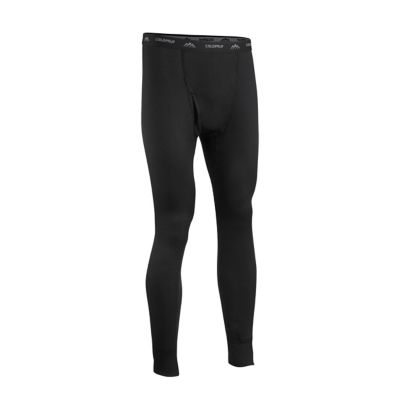
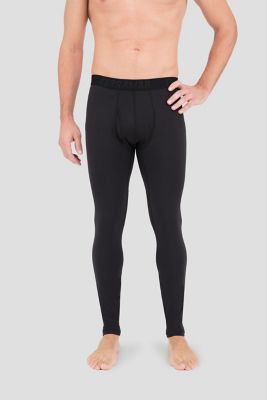
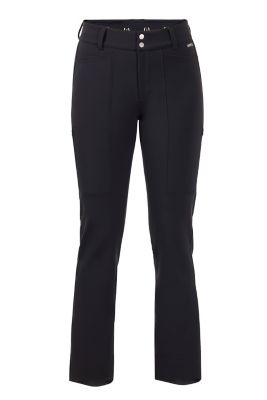
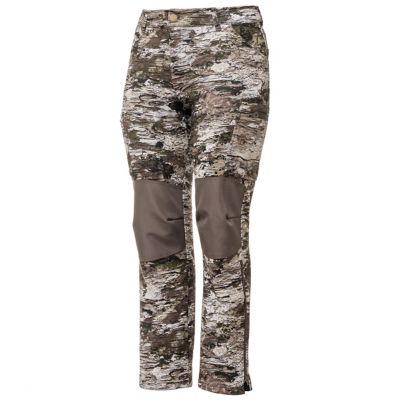
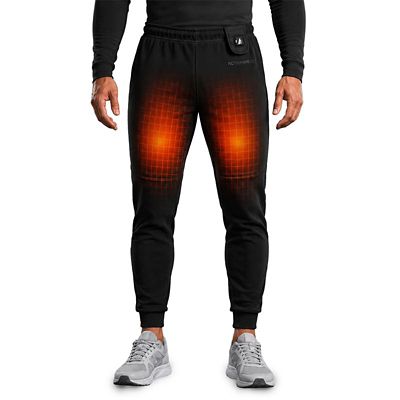
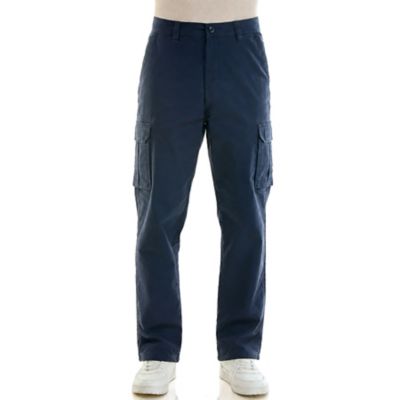
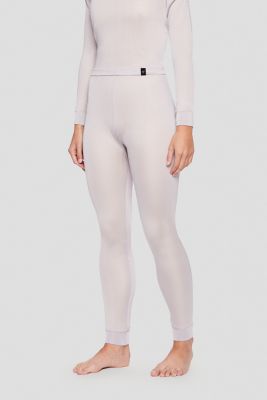
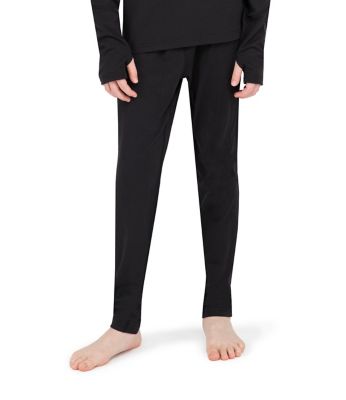
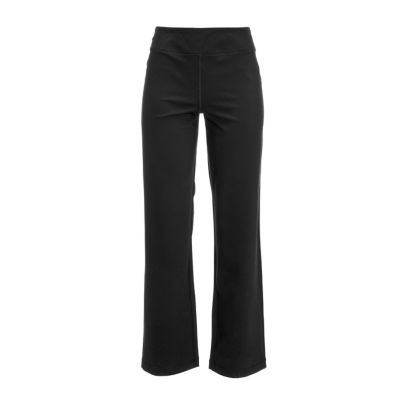
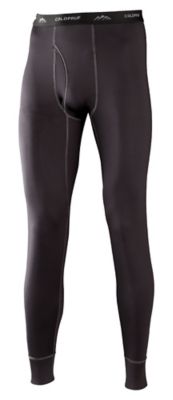
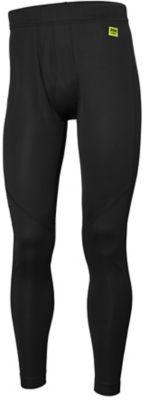
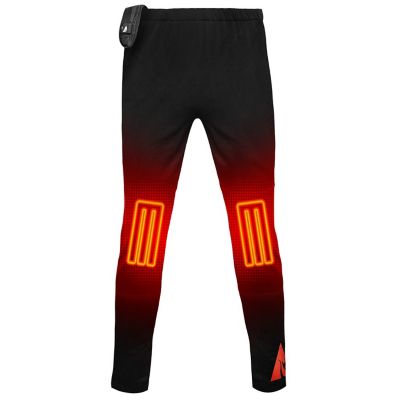
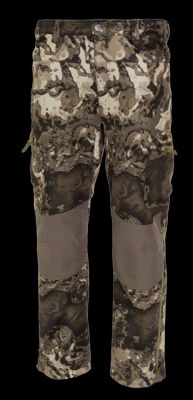
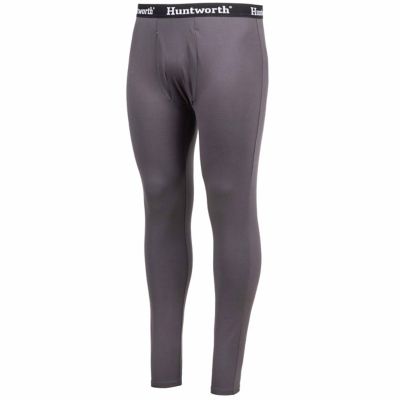
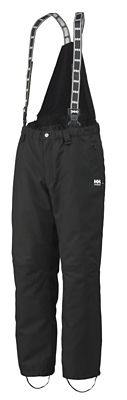
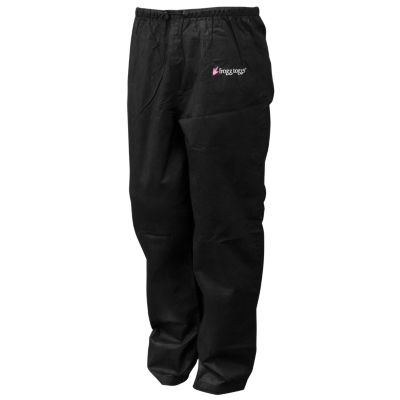
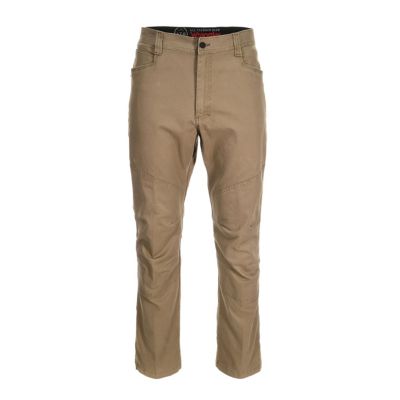
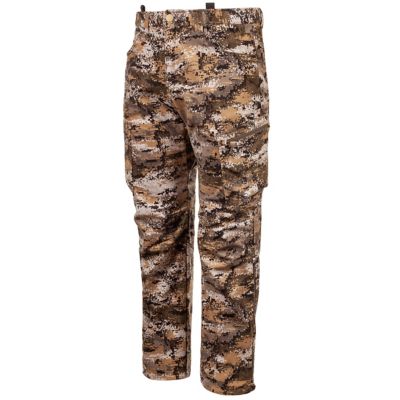
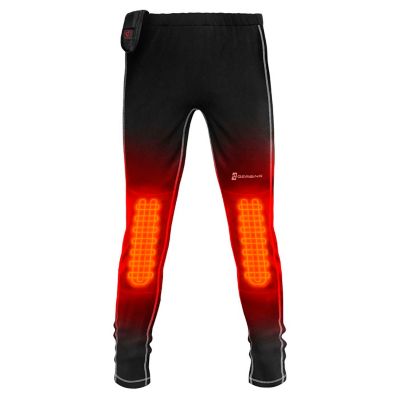
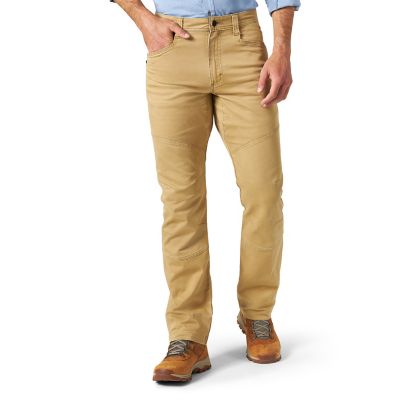
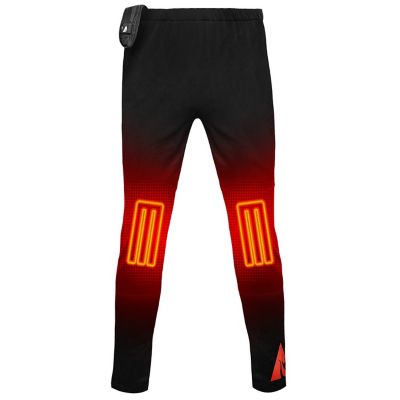
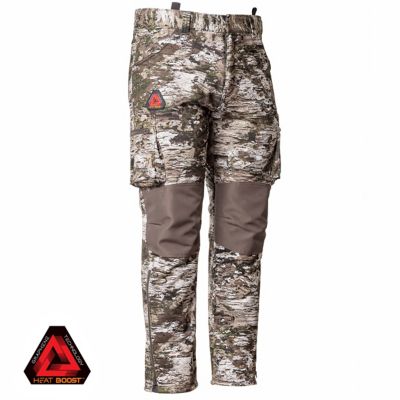
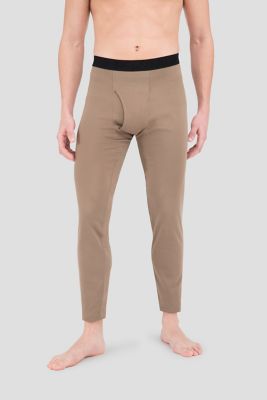
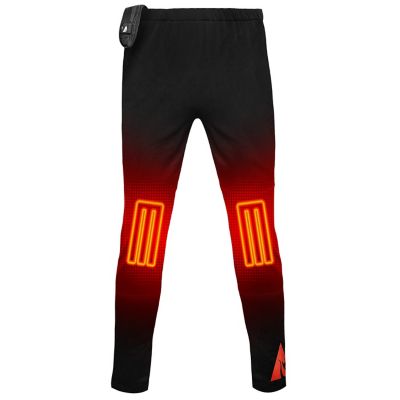
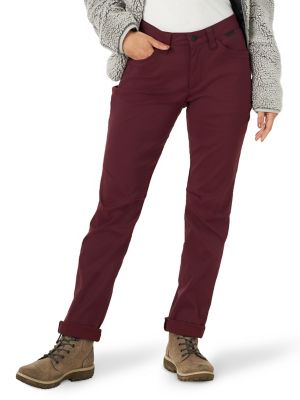
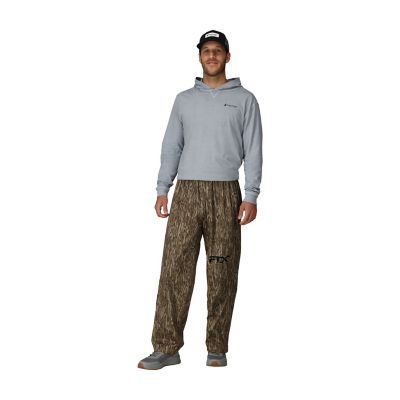
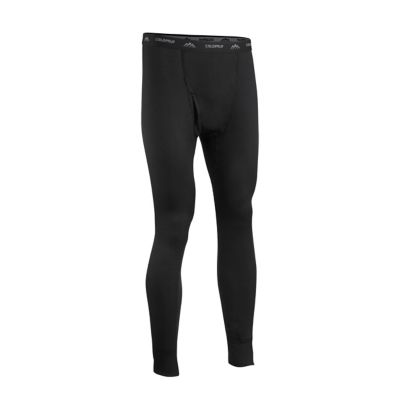
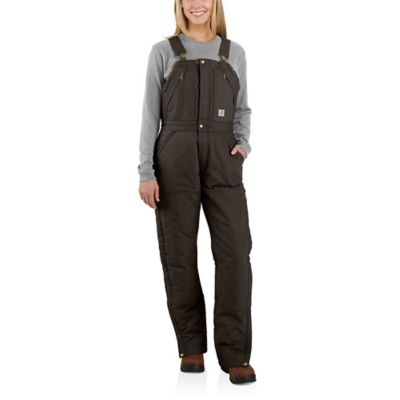
Pants for winter hiking have a different job than everyday jeans: they need to keep legs comfortable through cold air, steady movement and the occasional brush with a snowy branch. A walk along a sheltered creek can feel quite different from a climb across an open ridge, so warmth is only part of the picture. Breathability, freedom of movement and protection from wind all matter when the trail runs uphill before dropping into a shaded hollow. Woven nylon and polyester fabrics are common choices because they generally shed moisture and dry faster than heavy cotton. A little stretch can make a noticeable difference when stepping over a fallen limb or climbing a rocky section without pulling at the knees. Softshell construction often combines a tightly woven outer surface with some stretch, offering a middle ground between lightweight trail pants and a separate weather shell. Fleece-lined pants add warmth for slower walks, frequent stops and cold starts, though that extra lining can feel too warm during a hard climb. Unlined pants with room for a base layer give hikers another way to adjust warmth to the route and their own pace. The amount of lining matters as much as its presence; a light brushed backing feels different from a thick fleece interior. Water-resistant finishes can help light snow or small splashes bead on the surface, but they do not make every pair waterproof. Longer exposure to wet snow or rain calls for closer attention to the stated protection, seam construction and any need for an outer shell. Wind resistance also deserves a look, particularly for exposed fields and ridgelines where moving air can cut through loosely woven fabric. The right balance depends on whether the day means a short loop near home, several miles on rolling ground or a longer outing with plenty of time above the tree line. Pants that suit a brisk pace may need an added layer for a long lunch stop beside a frozen pond.
Fit is where winter hiking pants either earn their place or become a distraction a mile down the trail. There should be enough room through the seat and thighs to lift a knee onto a high step without the waistband tugging down or the fabric binding. Articulated knees and a gusseted crotch can help with that movement, while stretch panels may add give where a hiker bends most. Extra room is helpful for layering, but excess fabric around the lower legs can drag through slush, catch on brush or bunch above boots. A straight or slightly tapered leg often works well, provided the opening fits the footwear and any gaiters worn over it. Ankle zippers and adjustable cuffs can make that fit easier to manage, though their usefulness depends on the rest of the outfit. Inseam length deserves attention with hiking boots on: hems should cover the top of the footwear without trailing under the heel. Around the waist, a secure closure and a bit of adjustment help keep pants in place as layers change. Belt loops are handy, while a broad, smooth waistband may feel better beneath a backpack hip belt than a bulky buckle. Pocket placement matters for the same reason. A pocket that seems convenient standing in the kitchen may be hard to reach beneath a pack strap, and a phone carried against the front of the thigh can get in the way on steep steps. Zippered pockets help keep small essentials contained when scrambling over logs or sitting on a slope. Mesh-backed vents or other ventilation features can release heat during sustained effort, reducing the temptation to push through a climb while getting soaked with sweat. Reinforced knees, seat panels and sturdy stitching are worth considering for trails with rough rock, low branches and plenty of places to kneel. Those details add weight, though, so a lighter pair may feel better for hikers who cover ground quickly on maintained paths.
Good winter hiking pants also need to fit the way they will be cared for between outings. Mud at the cuffs, trail grit in the pockets and sweat from a long climb can all affect how a garment feels and performs over time. The care label is the place to check washing temperature, detergent restrictions and drying directions, especially for lined fabrics, stretch blends and garments with weather-resistant treatments. Fabric softener can interfere with moisture management and some protective finishes, so it is often best left out when the label calls for it. Closing zippers and emptying pockets before washing helps protect both the pants and anything that went along for the walk. Gentle cleaning after muddy outings keeps grit from lingering in seams and high-friction areas, while checking hems and loose threads gives small repairs a chance before they turn into bigger tears. A water-repellent finish may need refreshing over time, but any treatment should match the fabric and the maker’s care directions. Pants should be fully dry before being put away, including thick waistbands, lined pockets and folded cuffs where moisture can linger. Beyond care, comfort comes from treating pants as part of a complete cold-weather outfit rather than expecting one layer to handle everything. A moisture-managing base layer can add warmth without the clammy feel of damp cotton, and
jackets for winter hiking can round out coverage above the waist. The overlap between those layers matters when reaching overhead, bending to tighten a bootlace or leaning against a pack during a break. For someone who hikes regularly, pants that match a familiar pace and preferred terrain can make a thoughtful gift, especially when the inseam and layering preferences are known. Dog walkers covering wooded trails, folks exploring public land and families taking a winter day hike may all want different amounts of insulation, pocket space and stretch. The common ground is straightforward: pants that move comfortably, handle the trail’s wear and leave enough flexibility to stay comfortable from the first frosty stretch to the walk back.