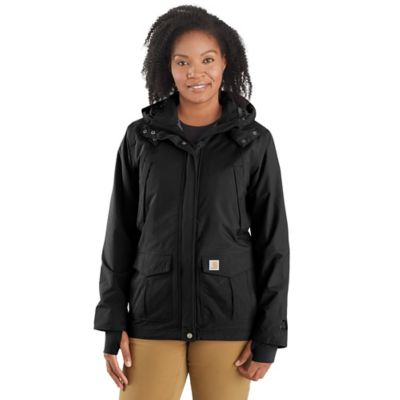
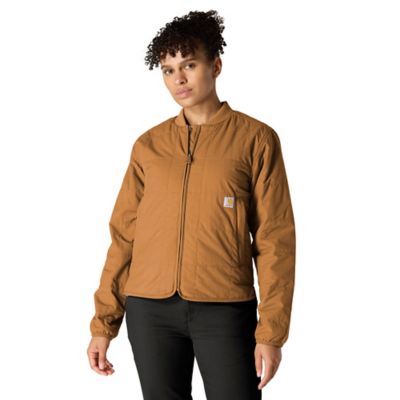
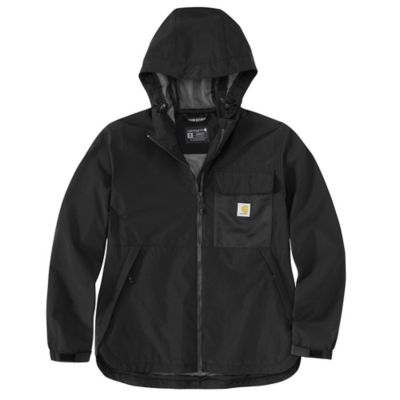
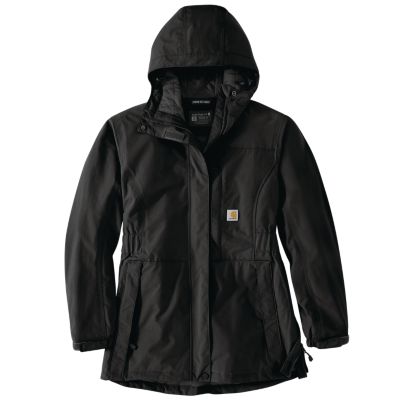
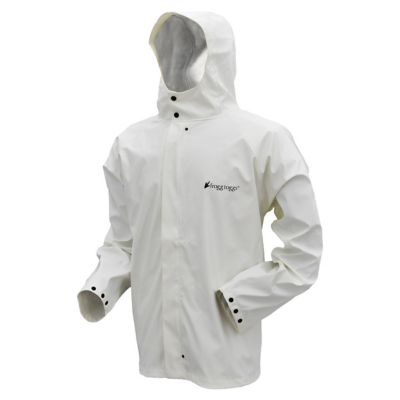
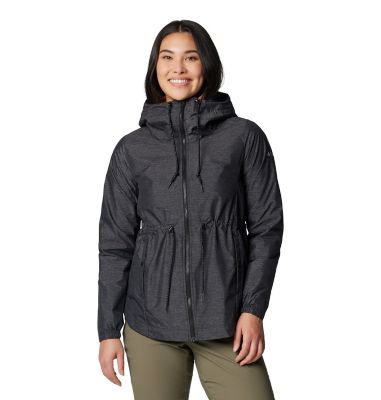
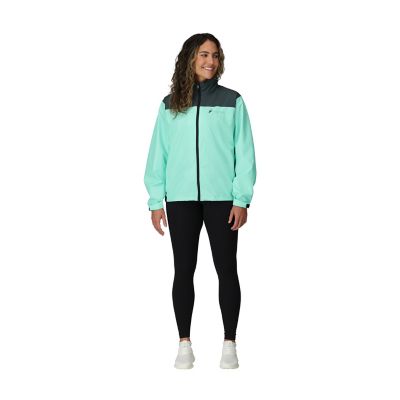
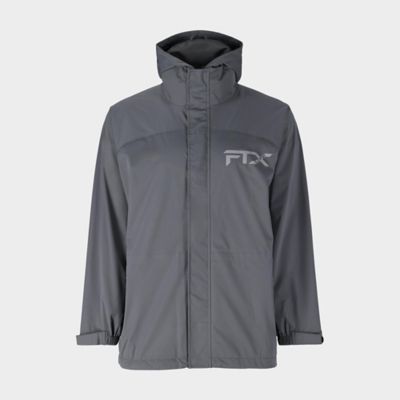
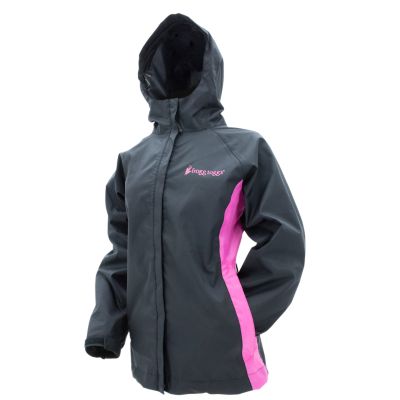
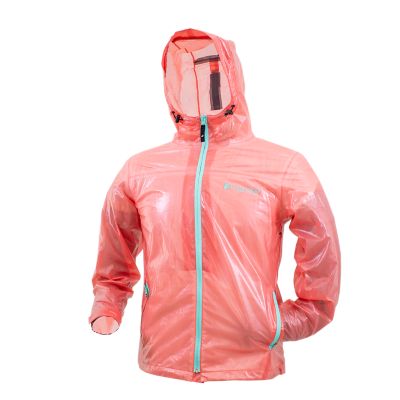
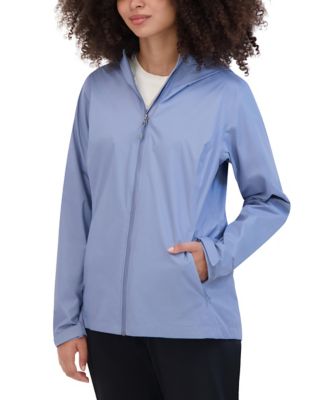
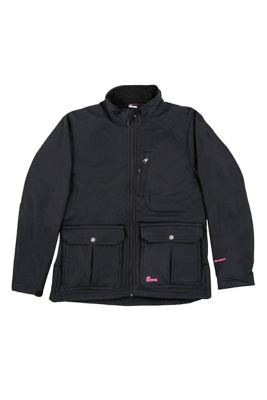
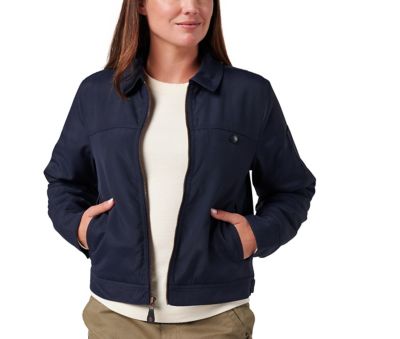
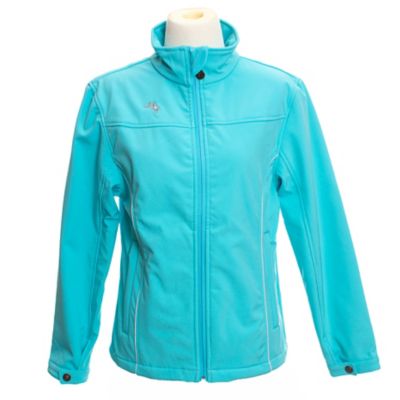
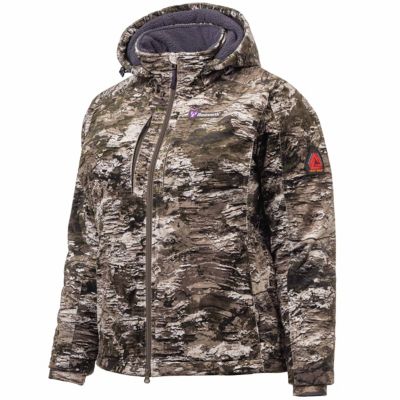
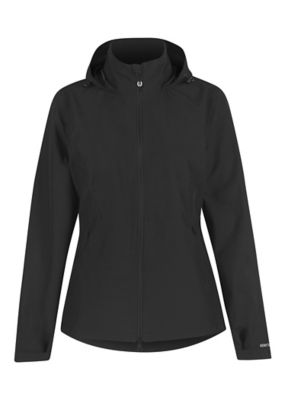
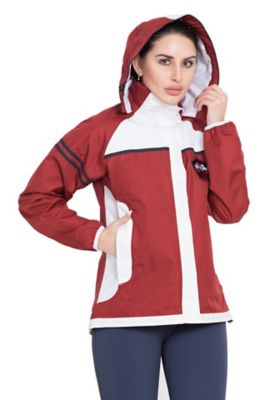
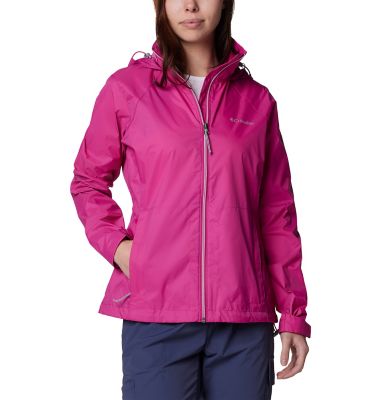
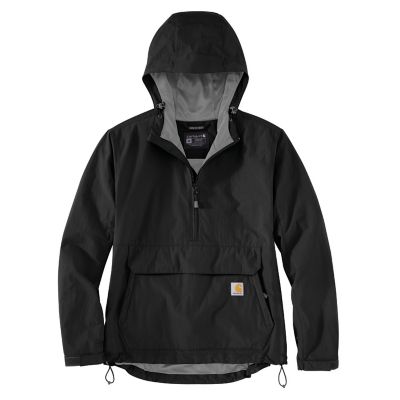
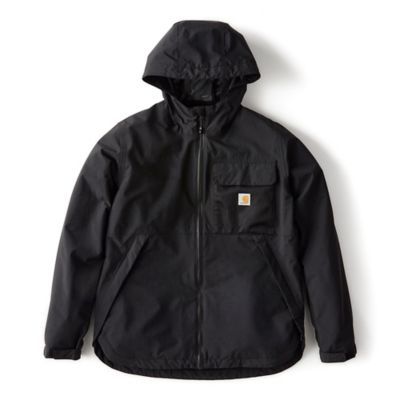
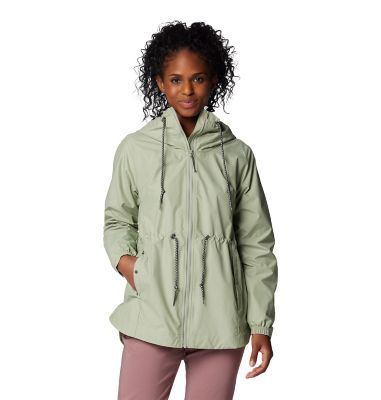
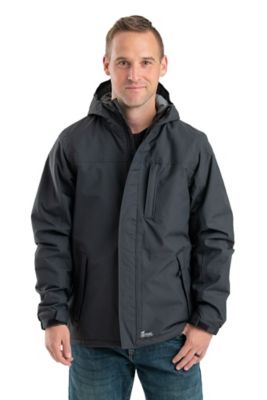
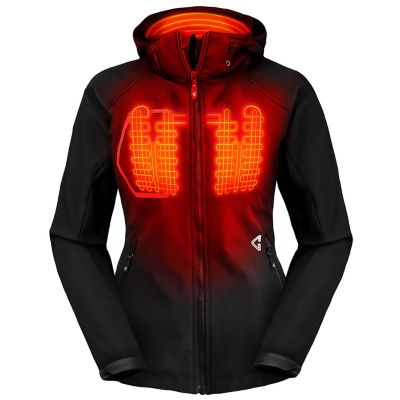
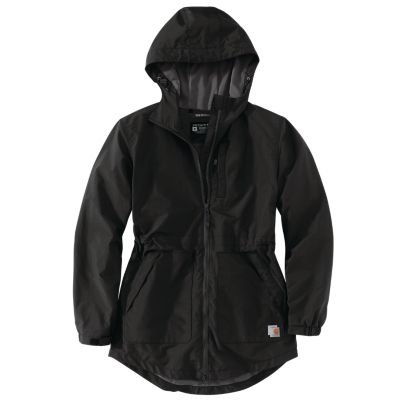
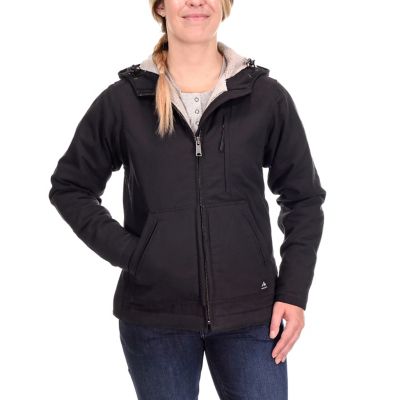
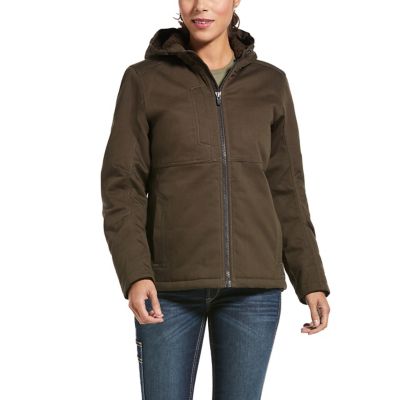
Women’s waterproof shell jackets are made to serve as a dependable outer layer when rain, wind, and changing conditions make a regular coat fall short. Unlike an insulated jacket, a shell is usually designed without heavy lining or built-in warmth, giving you room to layer a fleece, sweatshirt, or lightweight puffer underneath as the weather shifts from warm afternoons to cooler mornings. That makes a waterproof shell useful for a wide range of routines, from walking the dog and heading to the barn to hiking wooded trails, working around the property, commuting, or keeping in a truck for unexpected showers. A good shell helps keep water from soaking through while allowing you to choose the warmth you need underneath. When comparing Womens Waterproof Shell Jackets, look for a waterproof rating or clear rain-protection description, along with sealed or taped seams that help stop water from finding its way through the tiny gaps around stitched panels. A jacket with a durable outer fabric can stand up better to brush, backpack straps, and regular wear, while a lighter shell may be easier to fold into a daypack, saddlebag, or glove box. Two-and-a-half-layer designs are often light and packable for everyday use and travel, while three-layer construction generally offers a more substantial feel and added durability for frequent hiking, outdoor work, and rougher conditions. The best choice depends on how hard you plan to use the jacket, how often you expect to be caught in steady rain, and whether low weight or long-term toughness matters most. For milder drizzle and quick trips outside, you can also compare these shells with
Womens Water Repellent Jackets, which are suited to lighter moisture but may not provide the same level of coverage during a long, soaking downpour.
Small details make a noticeable difference once the rain starts coming down. An adjustable hood with a brim can help keep water off your face and improve visibility, especially when a gusty shower is blowing across an open field or down a gravel drive. Look for a hood that cinches around the sides and back so it stays in place without blocking your view. Adjustable cuffs help close off the space around your wrists, and a drawcord at the hem can keep wind and spray from pushing underneath. Full-length front zippers are easy to use over layers, while storm flaps or water-resistant zipper designs add another layer of protection. Pockets should be roomy enough for keys, a phone, gloves, or a small multitool, and zippered pockets are helpful when you are bending, climbing, or moving around on the job. Breathability matters just as much as waterproofing when you are walking uphill, hauling feed, checking fences, or covering ground on a trail. Pit zips or side vents let warm air escape without requiring you to remove the jacket, and mesh-lined pockets can provide another way to let heat out. A relaxed fit leaves space for a base layer and sweater, but an overly loose jacket may flap in strong wind or get in the way around equipment. Check the size chart and consider the layers you normally wear underneath before ordering. Sleeve length is especially important for reaching, driving, and working with your hands; cuffs should cover the wrist without sliding over your fingers. If you carry a backpack, pay attention to where the shoulder seams and pockets sit, since bulky straps can affect comfort and access. A packable jacket is handy for travel and day hikes, while a sturdier shell may be the better fit for repeated chores, trail work, or regular use in rough weather.
Women’s waterproof shell jackets also make practical gifts for people who spend time outdoors but do not always have the right layer close at hand. They are useful for a daughter heading to college, a friend who hikes with her dog, a gardener who works through damp mornings, or a family member who helps with livestock and property chores. A shell can be especially handy during the stretch of the year when the weather changes from one part of the day to the next. It may ride along in a vehicle during a bright, warm afternoon and come out later when clouds gather over the pasture, or it may be pulled over a sweatshirt while someone finishes chores in a cold, steady drizzle. Neutral colors and simple designs tend to work well for everyday wear, while a brighter color can improve visibility along a roadside, trail, or busy work area. Before buying one as a gift, consider the recipient’s usual activities, preferred fit, and whether she tends to wear lighter layers or bulky sweatshirts. For outdoor work, prioritize durable fabric, secure pockets, adjustable cuffs, and a hood that stays put. For travel, walking, or backpacking, lower weight, easy packability, and dependable venting may matter more. For regular wet-weather use, focus on waterproof construction, sealed seams, and a full-coverage cut rather than judging a jacket by appearance alone. No shell can replace sensible layering or proper planning in severe weather, but the right one can make a damp day far more comfortable. With a base layer for moisture control, a warm midlayer when needed, and a waterproof shell on top, you can stay ready for muddy paths, windy stands, sudden showers, and the everyday jobs that still need doing when the forecast turns wet.