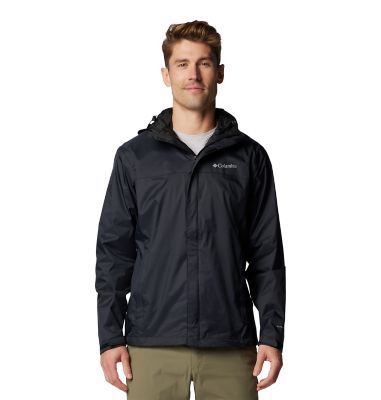
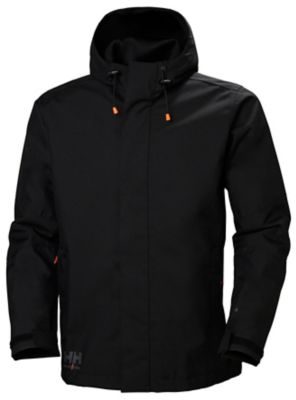
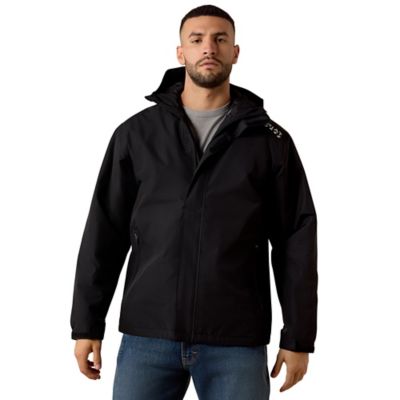
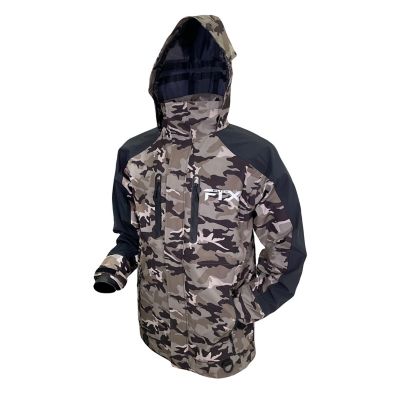
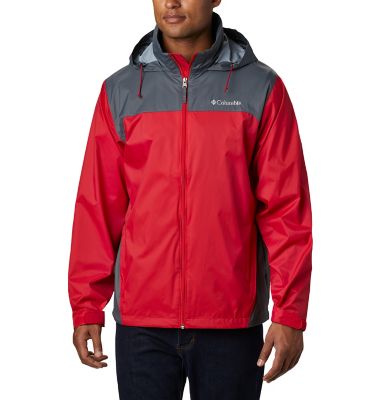
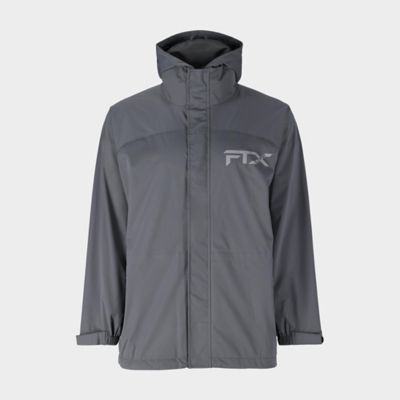
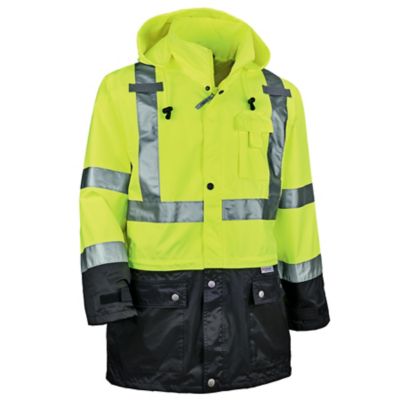
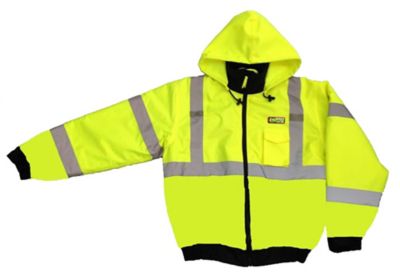
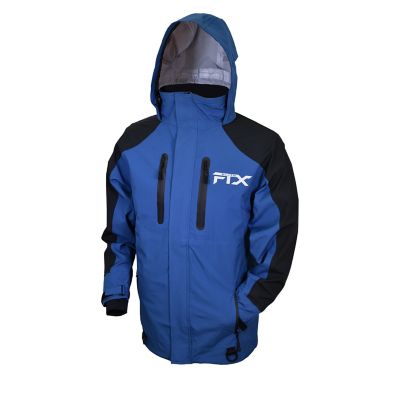
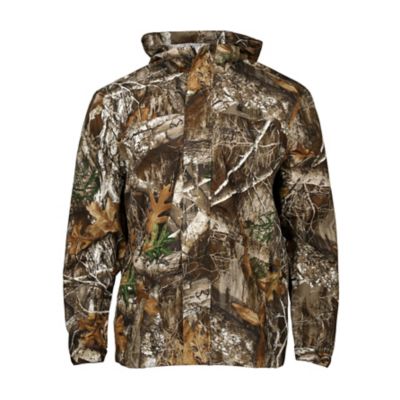
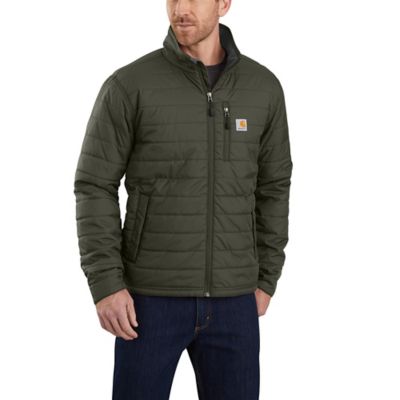
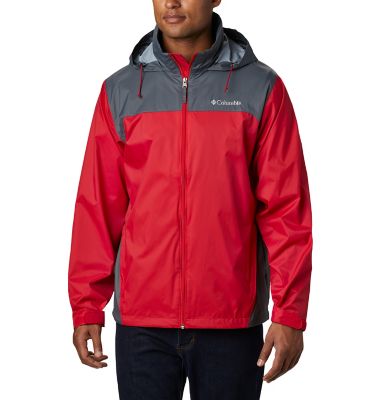
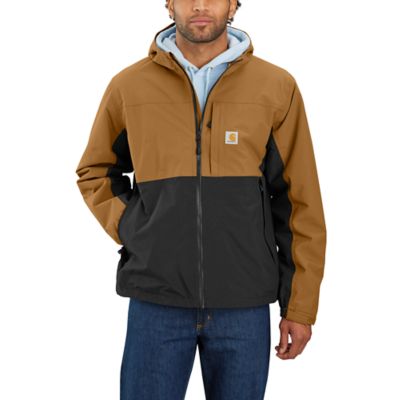
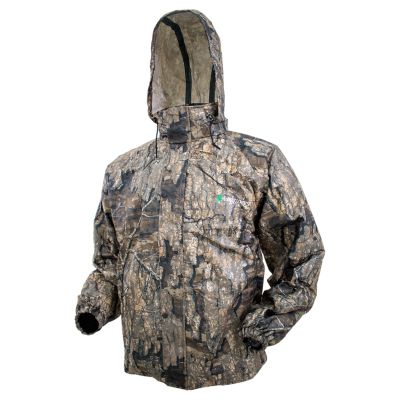
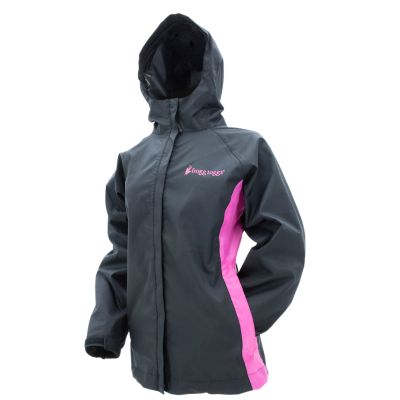
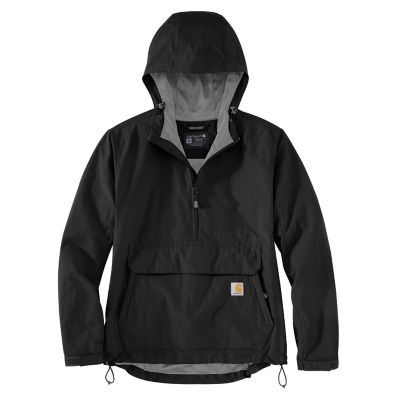
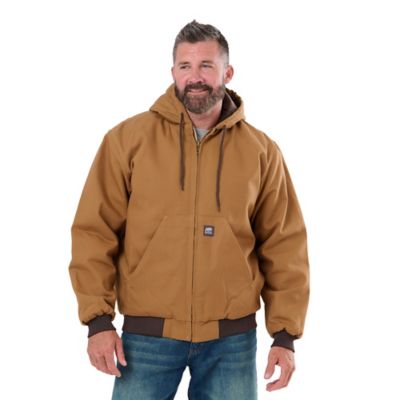
Men's waterproof shell jackets are outer layers built to block rain without the thick insulation of a winter coat. They put a barrier between wet weather and the clothes underneath, whether the day calls for checking fence lines, hauling feed to the barn, walking the dog or heading down a muddy trail. A shell can go over a work shirt in mild temperatures or cover a fleece when the air turns cold, making it a practical part of a layered outfit. The distinction between waterproof and water-resistant construction matters when a passing shower turns into steady rain. Water-resistant fabric can shed some moisture, while waterproof fabric uses a coating or membrane to keep rain from passing through under the conditions it is designed to handle. Sealed seams help stop water at the needle holes where fabric panels join, and full seam sealing provides more complete coverage than sealing only selected areas. A water-repellent finish on the outside helps droplets bead and roll away, but that finish alone does not make a jacket waterproof. Construction also affects how a shell feels against clothing and how easily it packs. Two-layer shells generally pair the outer fabric and waterproof barrier with a separate lining. Two-and-a-half-layer designs add a protective treatment over the inside of the barrier, often keeping weight and packed size down. Three-layer shells bond the outer fabric, waterproof barrier and inner backing together for a single fabric package. None of these construction types tells the whole story on its own; fabric weight, seam sealing, ventilation and fit all matter, too. Lightweight rain shells tuck neatly into a daypack or truck bag, while heavier fabrics may make more sense around rough fence posts and frequent brush contact. For a broader look at outer layers suited to different kinds of exposure,
men's weather resistant jackets include options beyond shells intended for sustained rainfall.
Fit makes a real difference when a waterproof shell has to move through a full day rather than just a dash across the parking lot. Enough room through the shoulders and upper back lets a man reach for a gate latch, lift a saddle or carry a sack without the jacket pulling tight. Sleeves should cover the wrists with the arms extended, and the hem needs enough coverage that bending over does not leave a gap above the waistband. Extra room can accommodate a sweatshirt or fleece, but an overly loose shell may flap in the wind or leave more space for rain to blow inside. The right fit balances layering room with freedom of movement, without bunching beneath backpack straps. Articulated sleeves and underarm shaping can help with reaching, while an adjustable hem lets the lower edge sit closer when wind-driven rain picks up. A hood deserves just as much attention as the body of the jacket. Adjustment points help keep it from sliding over the eyes, and a shaped brim can direct drips away from the face. The hood should turn comfortably with the head so a glance toward the pasture does not become a look into the side of the fabric. Cuffs that snug down around the wrists help limit drafts and rain entry, especially when hands are raised. Pocket placement matters when carrying tools, wearing a pack or reaching into a jacket with gloves on. Zippered pockets help keep small belongings contained, though pocket closures do not automatically make the contents waterproof. Storm flaps and water-resistant zippers add protection at openings, where rain otherwise has an easier path inside. Breathability and ventilation matter during physical work, too. Waterproof-breathable materials allow some moisture vapor to escape, but hard exertion and humid air can still leave the inside damp. Underarm vents or other adjustable openings can release heat when conditions allow. A shell keeps outside rain at bay; the layers beneath it and the pace of the work also influence how dry and comfortable it feels.
Fabric strength and proper care help men's waterproof shell jackets keep doing their job through repeated trips outdoors. Higher-denier fabrics often feel more substantial, but fiber type, weave and construction also influence resistance to abrasion and tearing. A lightweight shell may suit walking, travel and carrying along for unexpected showers, while a more substantial outer fabric can be a better match for regular contact with brush or rough surfaces. Even a tough shell needs some care around barbed wire, sharp tools and hot equipment, since a puncture or burn can breach the waterproof barrier. Dirt, body oils and residue can interfere with performance over time, so the care label is the starting point for cleaning. Many shells allow machine washing with a suitable cleaner, but water temperature, cycle settings and drying directions vary. Fabric softeners, bleach and ordinary stain treatments may not be suitable for waterproof fabrics. Thorough rinsing helps keep cleaner from lingering in the material. Some water-repellent finishes respond to gentle dryer heat, while others call for a different treatment; heat belongs in the routine only when the garment instructions allow it. When water stops beading on the surface, a compatible wash-in or spray-on treatment may help restore that outer finish. Surface wetting does not necessarily mean the waterproof membrane has failed, though saturated face fabric can make a shell feel heavier and less comfortable. Letting the jacket dry fully before storage helps prevent musty odors, and hanging it loosely between outings avoids leaving damp folds packed together. Suitable repair patches can address some small tears, provided the patch matches the fabric and the location of the damage. For a gift, a waterproof shell makes sense for a man who spends time around livestock, fishes from the bank, walks wooded trails or handles outdoor chores. His usual layers, preferred jacket length and daily activities are more useful starting points than size alone. A shell that fits the work and feels comfortable in motion earns its place by the door whenever rain is in the forecast.