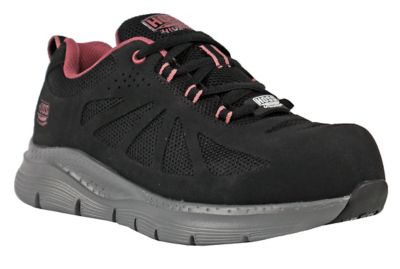
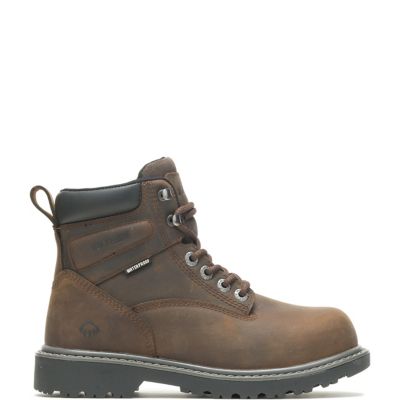
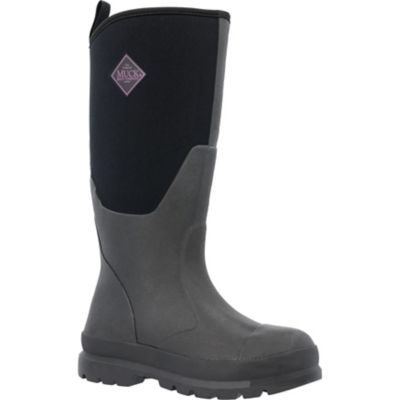
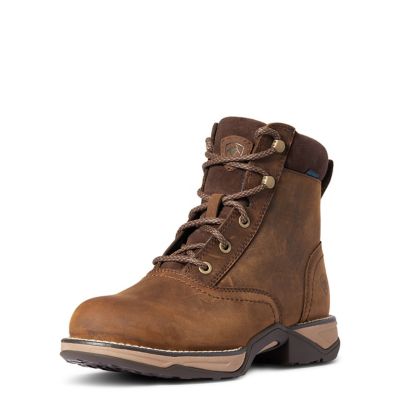
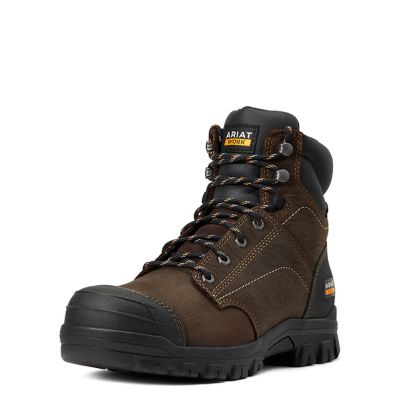
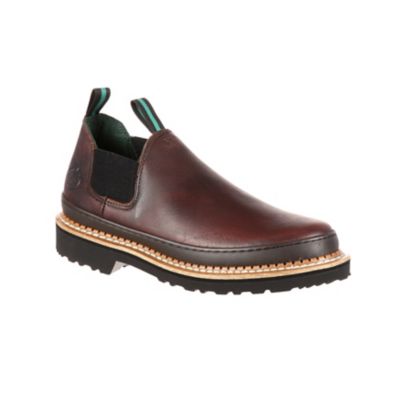
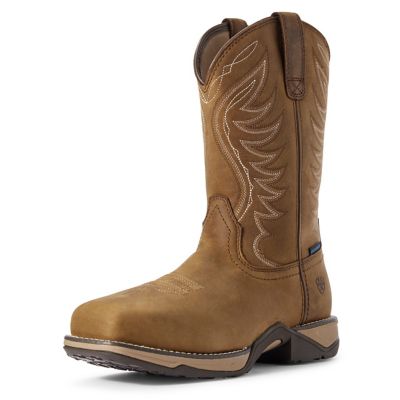
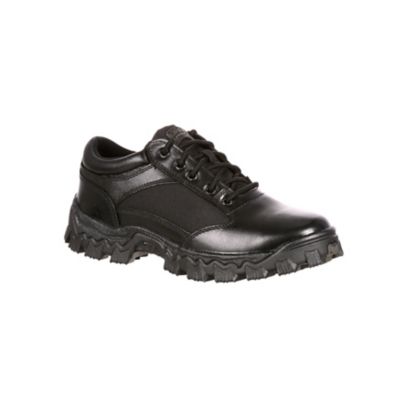
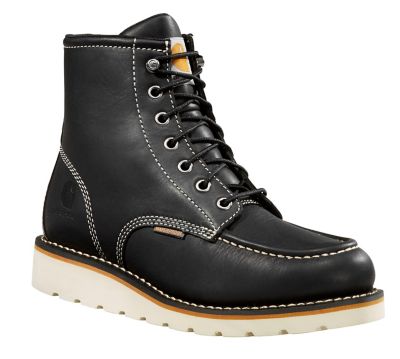
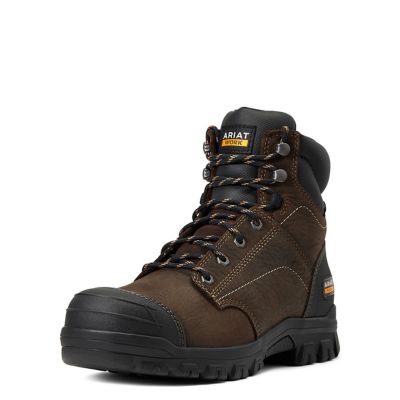
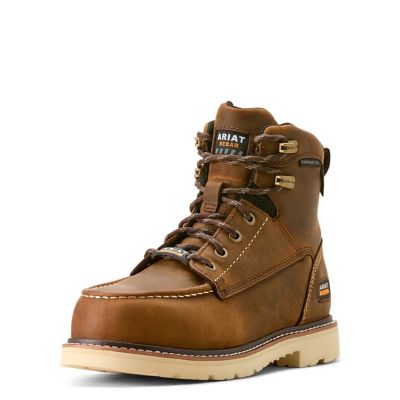
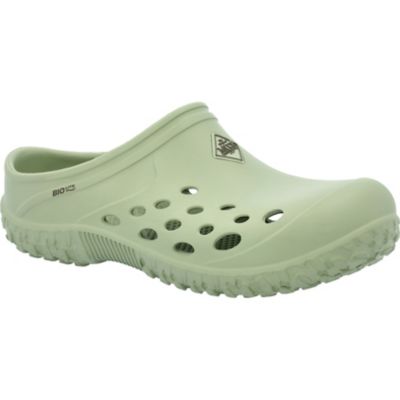
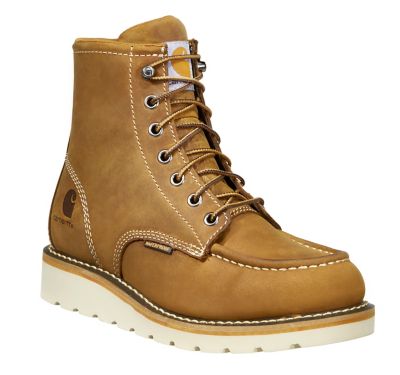
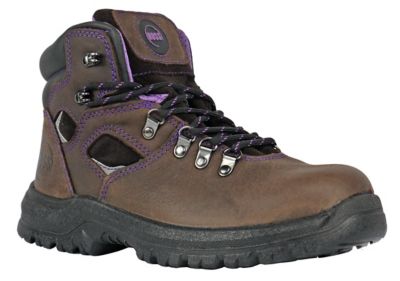
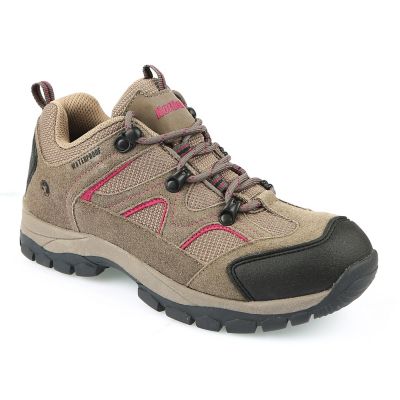
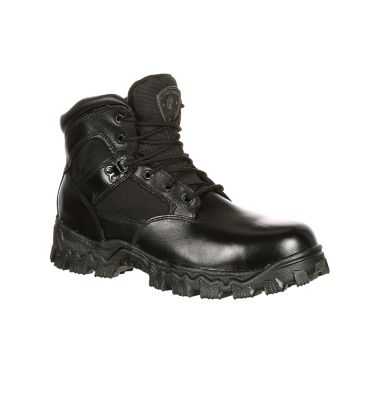
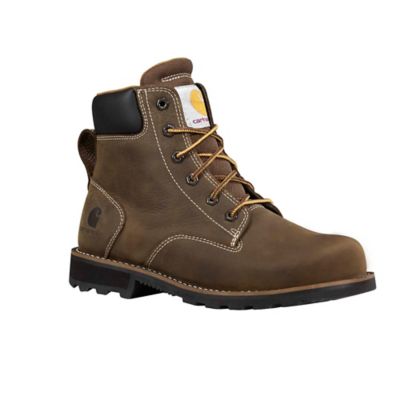
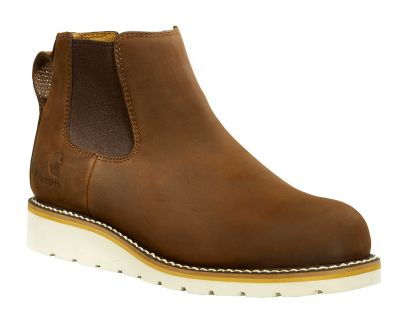
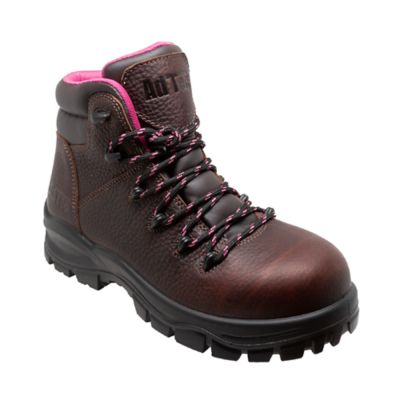
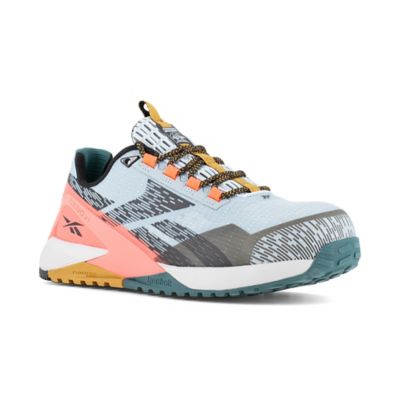
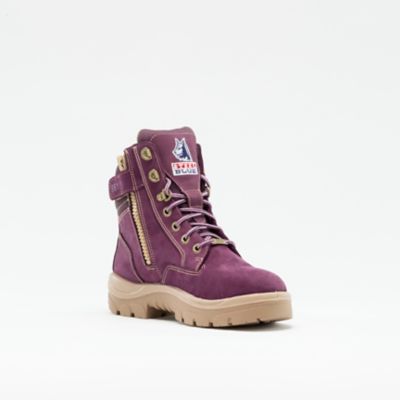
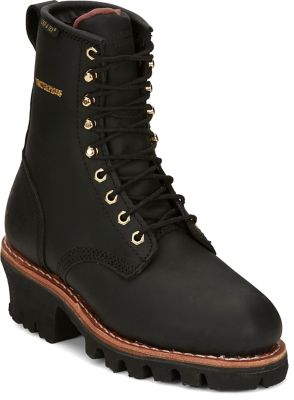
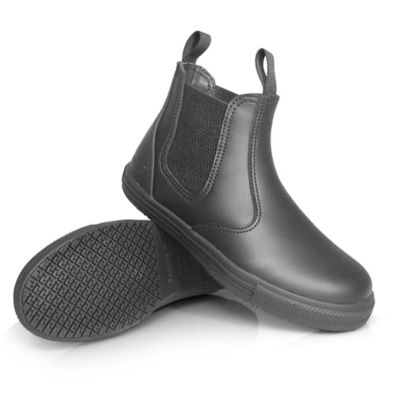
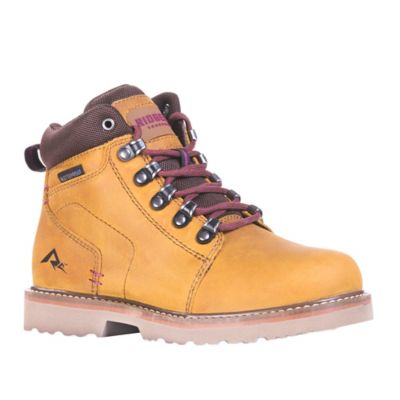
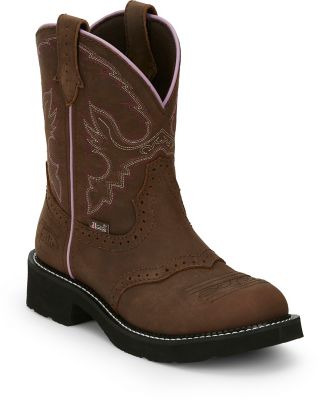
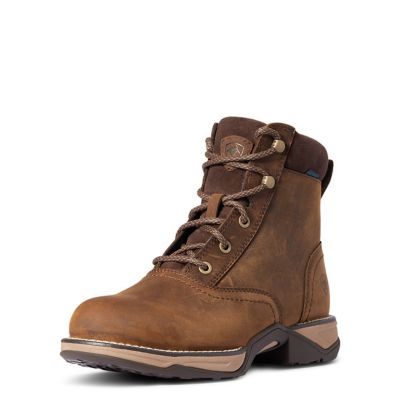
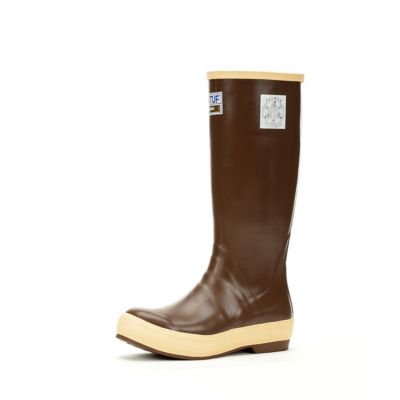
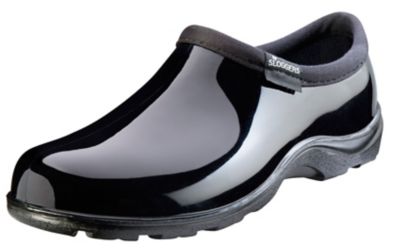
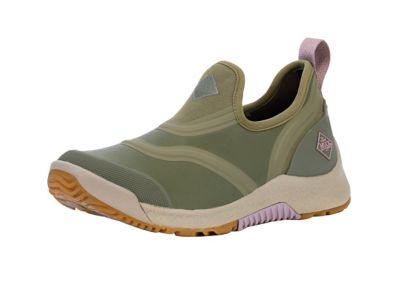
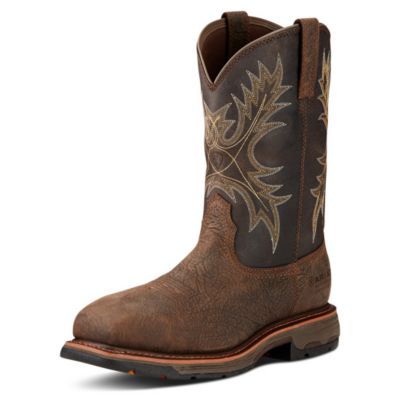
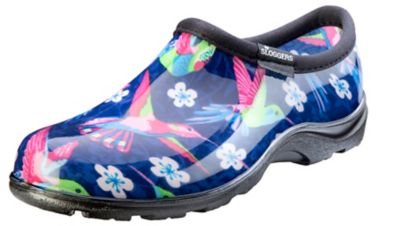
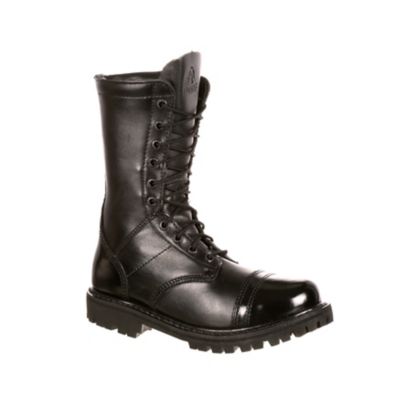
Women’s water resistant work shoes are made for long days when the ground is damp, the floor gets slick, or a surprise shower rolls in before the chores are done. They can be a practical choice for farm and ranch work, landscaping, warehouse shifts, food service, healthcare, cleaning jobs, retail, and everyday outdoor tasks. A water resistant upper helps shed light rain, splashes, mud, and spilled liquids, keeping moisture from soaking in as quickly as it would with ordinary canvas or untreated fabric. That extra protection can make a real difference when you are moving between a wet barnyard and a dry work area, unloading feed in a misty drizzle, or standing on a cool concrete floor for hours. These shoes come in several useful styles, including lightweight work sneakers, low-cut shoes, clogs, and rugged boots, so it is easier to match your footwear to the job at hand. A sneaker-style work shoe may suit someone who spends a shift walking on hard floors, while a boot offers more coverage around the ankle and added protection from mud, brush, puddles, and rough ground. Water resistant does not always mean fully waterproof, so pay attention to the product description and construction. Treated leather, coated textiles, sealed seams, water-repelling finishes, and waterproof membranes can all help keep moisture outside, though each design offers a different level of protection. For steady exposure to deep puddles or heavy rain, a waterproof style may be a better fit. For light precipitation, damp grass, occasional spills, and changing conditions during the cooler months, water resistant work shoes can provide a comfortable middle ground without feeling as heavy as a tall rubber boot.
Slip resistance is another important feature, especially for anyone working around wet floors, oily surfaces, wash-down areas, or loose gravel. Look for outsoles with a clearly defined tread pattern and traction suited to your work environment. Deep, widely spaced lugs can help bite into dirt and uneven ground, while a flatter, closely patterned sole may be more comfortable for indoor floors. A slip-resistant rating or description can offer useful guidance, but the way a shoe performs still depends on the surface, the amount of moisture, and how well the outsole is maintained. Mud and packed debris can fill in the tread, so brushing off the bottoms regularly helps preserve traction. Comfort matters just as much when a workday starts before sunrise and does not slow down until the last gate is latched. Look for cushioning under the heel and forefoot, a supportive insole, breathable or moisture-wicking lining, and enough room for your toes to move without your foot sliding around. A padded collar can reduce rubbing at the ankle, while a flexible upper makes it easier to bend, squat, climb steps, or walk across a pasture. If you wear thicker socks during colder weather, leave enough space for them without sizing up so far that your heel lifts. Try shoes on later in the day when feet may be a little swollen, and walk on a hard surface to check for pinching, slipping, or pressure points. A secure lace-up fit offers adjustability, while slip-on and pull-on designs can be handy when you are heading out for a quick task and do not want to fuss with laces. For workers who spend long hours in a kitchen, clinic, shop, or warehouse, easy-to-clean uppers and cushioned footbeds can be just as valuable as water protection. Those who work around machinery, heavy materials, or livestock should also check whether their employer requires a particular toe style or safety standard.
Toe protection deserves special attention before choosing women’s water resistant work shoes. A soft-toe design may be comfortable for service work, gardening, delivery routes, light maintenance, and general chores where impact hazards are limited. Steel-toe footwear offers sturdy protection against falling or rolling objects, while composite-toe footwear can provide comparable protection with a lighter feel and less cold transfer in chilly conditions. Safety-toe shoes should fit securely without pressing against the toes, and the required rating can vary by workplace, so check your job’s rules before buying. A good work shoe should also flex in the right places while keeping the heel anchored; excessive movement can lead to blisters, tired legs, and an unsteady step by the end of a shift. During early fall and the colder stretch that follows, water resistant footwear can be useful for muddy drives, wet leaves, frosty sidewalks, and mornings when the ground has not fully dried. Let shoes air out between uses, remove loose dirt after outdoor work, and follow the care instructions for leather, synthetic materials, or protective coatings. Avoid placing wet shoes directly against a heater, since intense heat can warp soles, dry out leather, or weaken adhesives. A spare pair of work socks can also be worthwhile for anyone whose job takes them from damp outdoor conditions into warm indoor spaces. These shoes make a thoughtful gift for a daughter starting a hands-on job, a ranch worker, a gardener, a dog walker, a nursing professional, or anyone who spends the day on their feet. When comparing styles, consider the recipient’s work surface, typical weather, need for toe protection, preferred closure, and daily walking distance. Shoppers looking for more coverage and traction may also want to browse
Womens Waterproof Slip Resistant Shoes for options designed to handle wetter conditions. With the right fit, dependable traction, and protection suited to the task, women’s water resistant work shoes can help keep feet more comfortable and confident from the first chore of the day through the final cleanup.