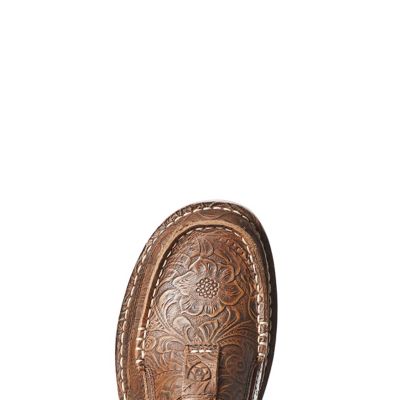
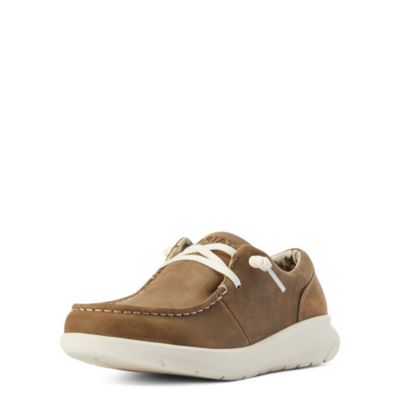
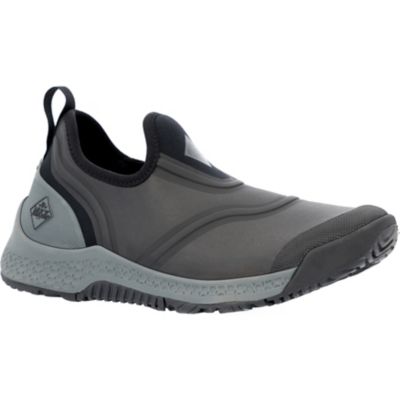
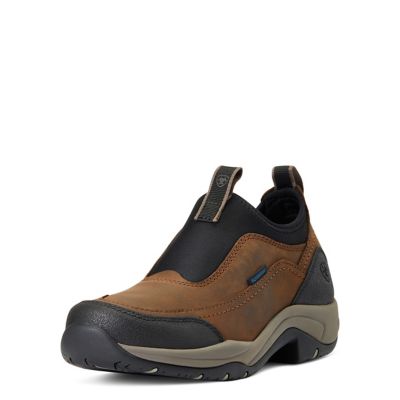
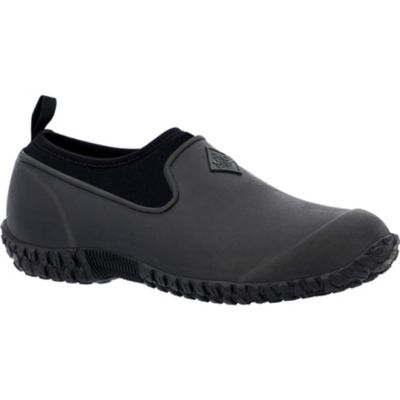
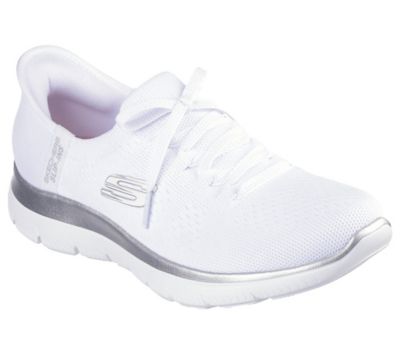
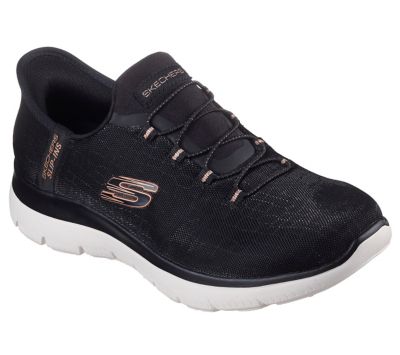
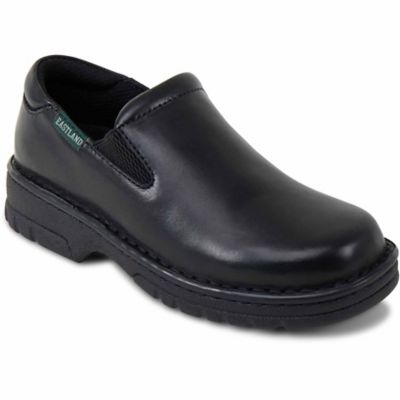
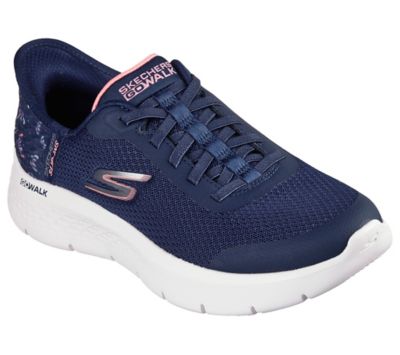
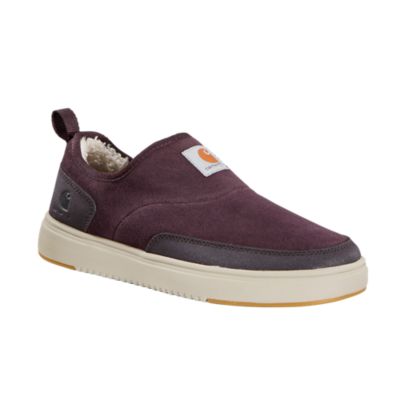
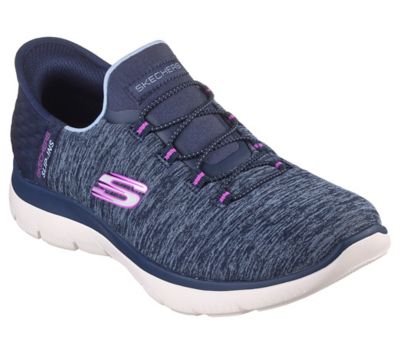
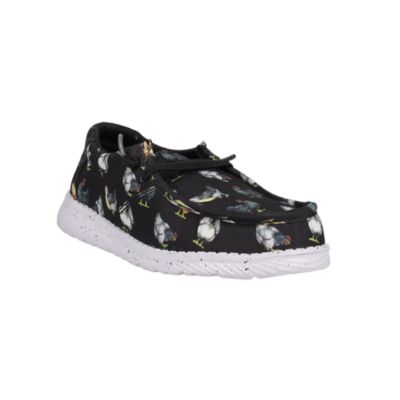
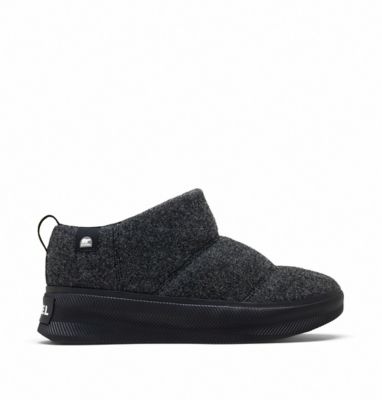
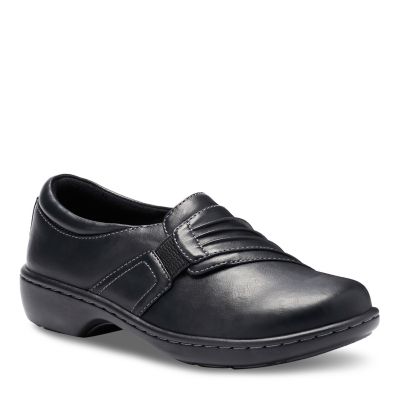
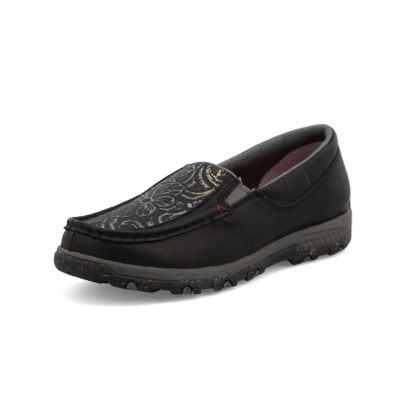
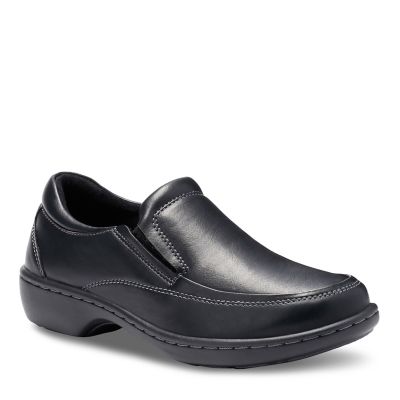
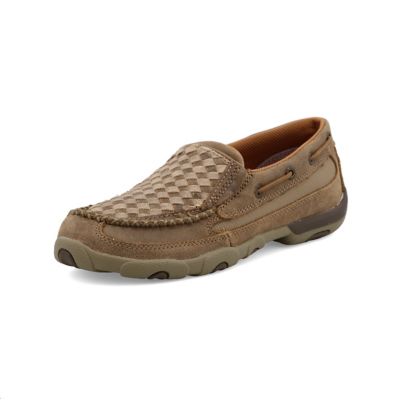
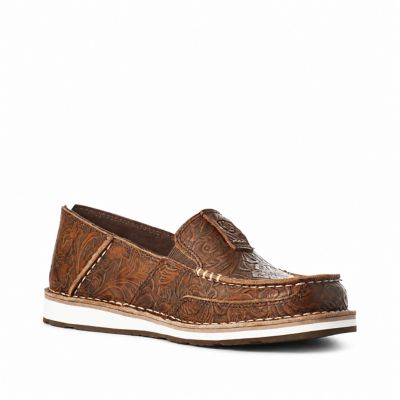
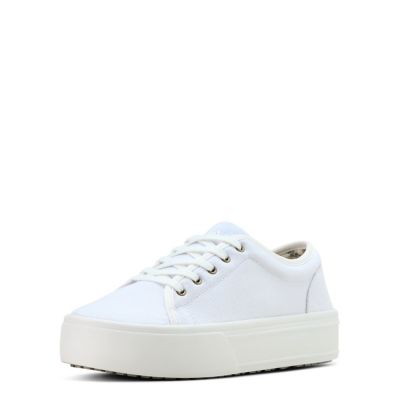
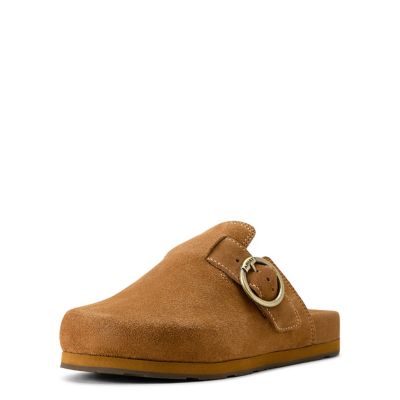
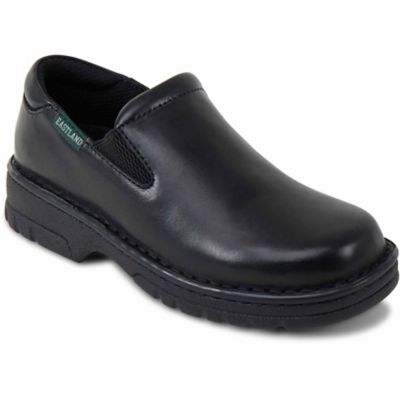
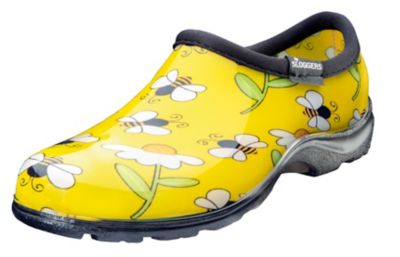
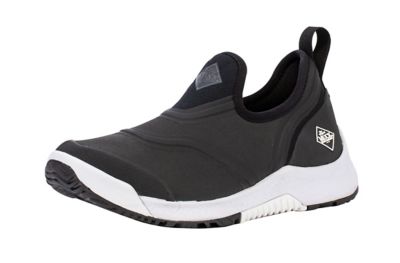
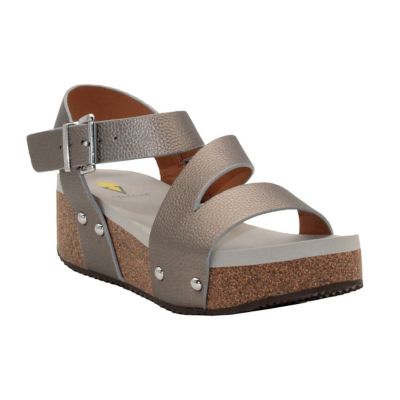
Women’s walking slip-on shoes bring together an easy-entry design, walking-focused cushioning, and a secure fit for everyday miles. They’re a practical choice for trips into town, walks around the neighborhood, travel days, and stretches spent moving between errands. Without laces to tie, slip-on walking shoes keep getting out the door simple, whether the day starts with a grocery run or a stroll along a paved park path. Some designs have stretch openings or elastic panels that help the foot slide in, while others have a structured heel that supports step-in entry. Those details matter: a shoe that slips on easily should still hold the heel steady once walking begins. Cushioned midsoles soften the feel of each step, and contoured footbeds can give the arch a more supported feel than a flat interior. Lightweight construction helps keep the shoes from feeling cumbersome over a longer walk, but softness alone doesn’t tell the whole story. A stable base and an outsole that bends comfortably near the ball of the foot also contribute to an easy stride. Knit and mesh uppers generally feel flexible and allow airflow, making them appealing for women who prefer a sneaker-like feel. Leather and synthetic uppers often have a more structured shape and a smooth surface that’s easier to wipe clean. Stretch-knit styles can accommodate movement across the top of the foot, though the amount of stretch varies by construction. Smooth linings and thoughtfully placed seams are worth attention, especially when shoes will be worn for several hours at a time. These are walking shoes first, so their best setting is usually everyday movement rather than demanding hikes, running workouts, or jobs that call for protective footwear. For a woman who likes a comfortable shoe by the back door, they offer an uncomplicated way to get moving without fussing with knots or loose lace ends.
Fit is where women’s slip-on walking shoes earn their place in an everyday routine. Because most don’t have laces for adjustment, the opening, heel shape, and forefoot width do more of the work of holding the foot in position. A comfortable fit leaves room for toes to move naturally without letting the foot slide forward with every step. The heel should feel settled rather than lifting noticeably, and the upper shouldn’t press hard across the instep. A stretchy opening can feel snug when pulling the shoe on, but that shouldn’t turn into squeezing once the foot is inside. Women with a broader forefoot may appreciate wide-width options or a roomier toe box, while those with a narrower heel may prefer a more shaped heel cup. Width labels are helpful, but the overall shape of the shoe matters just as much; two shoes in the same size can feel quite different. Socks also affect the fit, particularly when moving between thin everyday socks and cushioned walking socks. Arch support comes from the shape of the footbed and the structure beneath it, not simply from a thick layer of foam. Some women prefer a gentle contour, while others feel better with a firmer, more noticeable shape under the arch. Removable insoles can make room for a preferred insert, provided there’s enough depth left for the foot to sit securely. Footwear chosen for an ongoing foot condition should match advice from a qualified health professional rather than promises based on cushioning alone. Underfoot, rubber outsoles and textured tread can help with grip, though performance depends on the surface and the shoe’s design. A walking shoe is not automatically slip-resistant work footwear. For hours on hard floors, balanced cushioning and a steady platform deserve attention alongside easy entry. For longer outings on sidewalks or walking paths, a comfortable heel-to-toe transition can matter more than an especially plush first impression.
Everyday wear also puts attention on construction and care. Reinforced areas around the heel and toe, neatly finished seams, and outsole coverage in high-contact spots can help a walking shoe stand up to repeated trips across parking lots and pavement. The heel opening deserves particular attention on slip-on styles, since repeated entry puts stress on that part of the shoe. A structured heel works best when it stays in shape instead of being folded down and walked on. Care varies with the upper and the manufacturer’s directions. Mesh and knit shoes may respond well to gentle surface cleaning, while leather often calls for a material-specific cleaner. Machine washing is appropriate only when the care label allows it; a washable upper doesn’t necessarily mean the whole shoe can go through a wash cycle. Excessive heat can affect adhesives, cushioning, and shape, so drying directions matter as much as cleaning directions. Removable footbeds can make it easier to clear out grit and let the interior air out between outings. Over time, flattened cushioning, uneven outsole wear, or a heel that no longer holds its shape can change how the shoes feel on a walk. Keeping an eye on those changes helps distinguish a familiar, broken-in feel from a shoe that’s no longer providing the same support. Style has a place here, too. Simple slip-on silhouettes pair easily with jeans, casual pants, and leggings, giving women a walking-friendly option that doesn’t feel out of place at the diner or on a visit with friends. For plans that include more time beyond paved walkways,
Women's Outdoor Slip On Shoes offer another category to consider, with attention to tread and intended terrain. Walking slip-ons can also make a thoughtful gift for someone who enjoys neighborhood walks or wants an easy everyday shoe, especially when her size, preferred width, and fit preferences are already known. The best match is a pair suited to the wearer’s routine: comfortable enough for the next stop, secure enough for a steady stride, and straightforward to care for between outings.