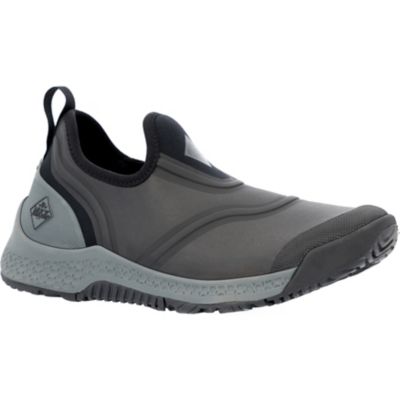
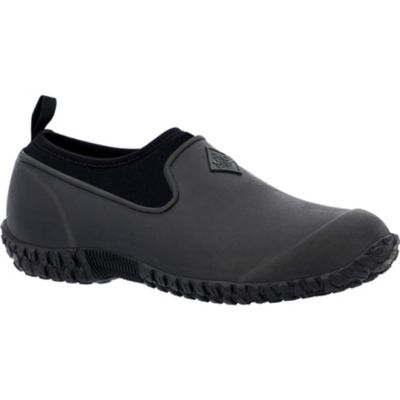
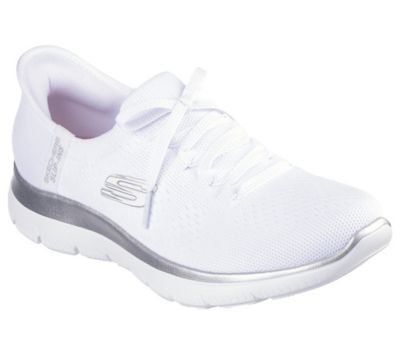
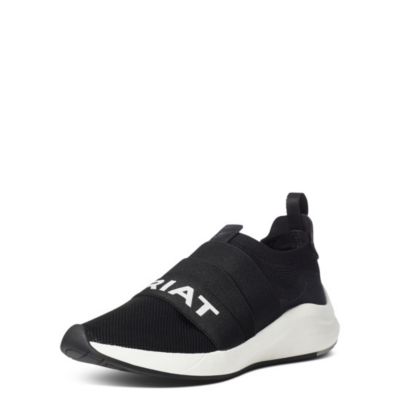
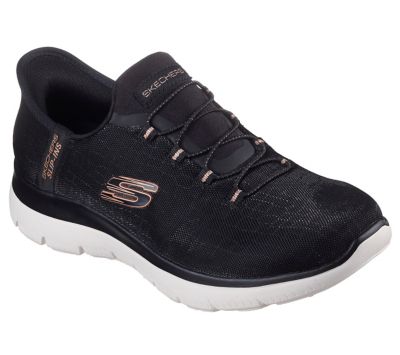
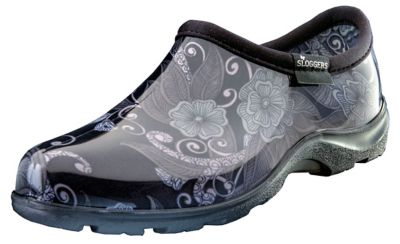
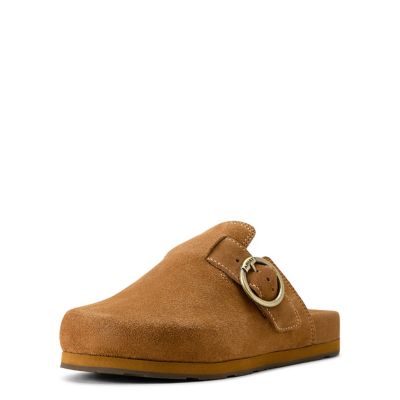
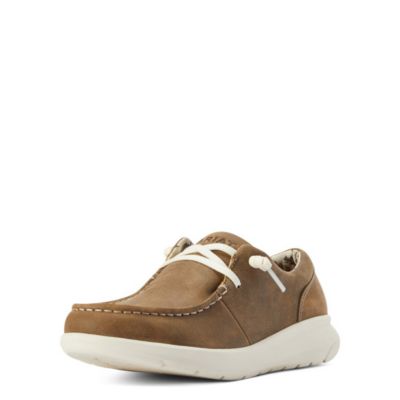
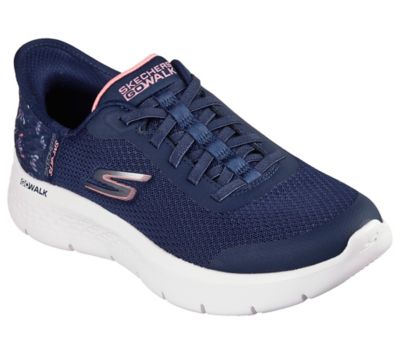
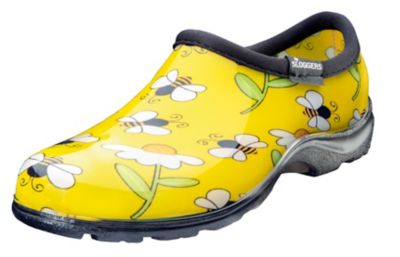
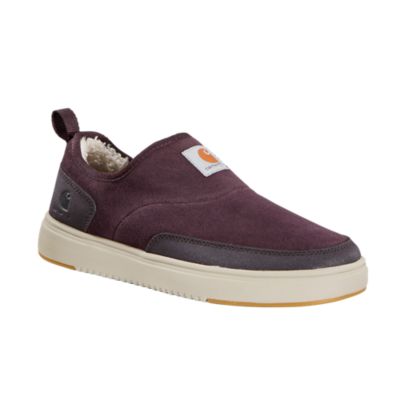
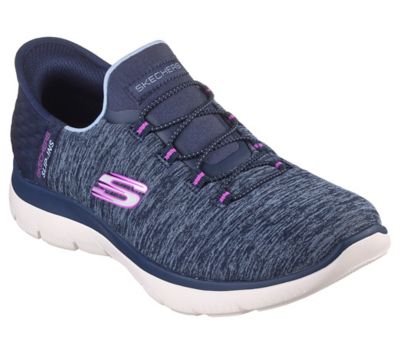
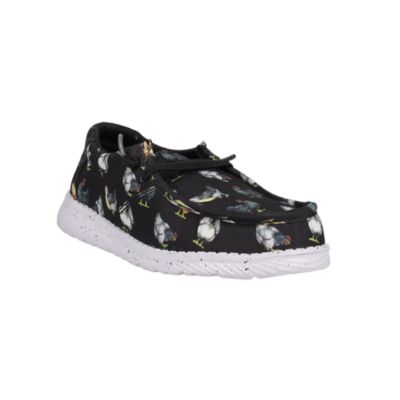
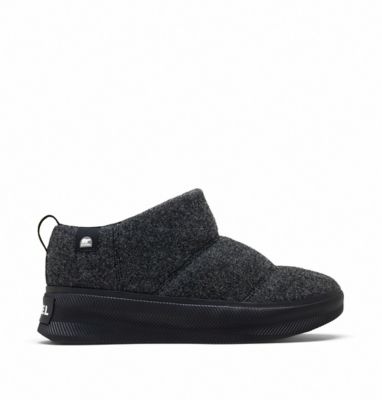
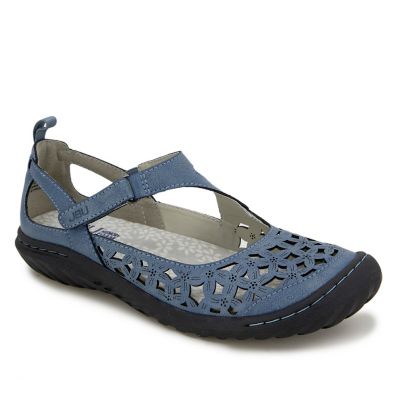
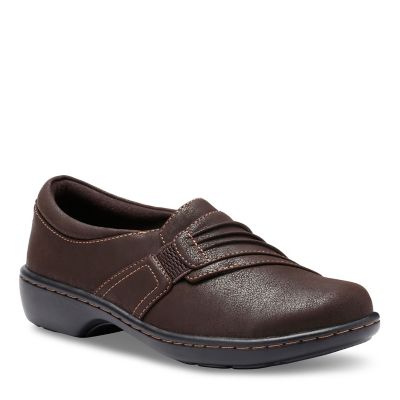
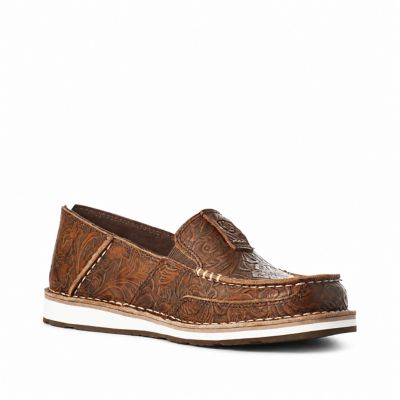
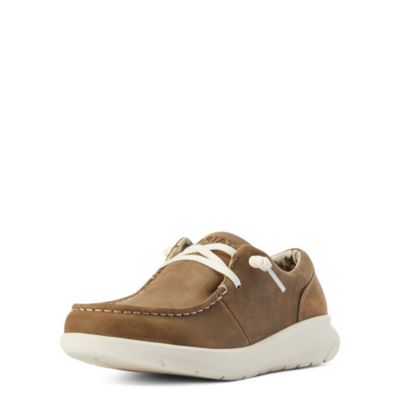
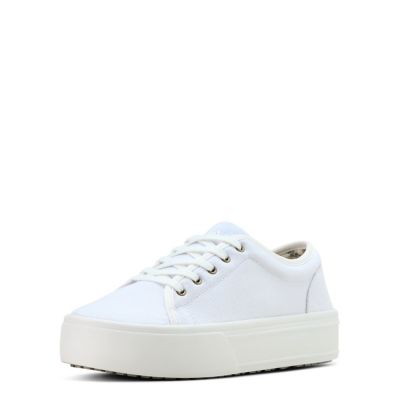
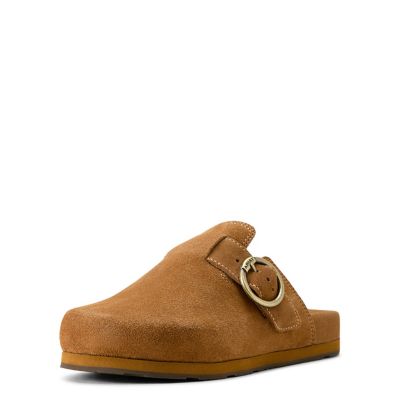
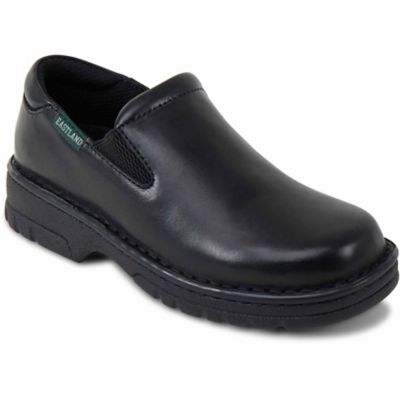
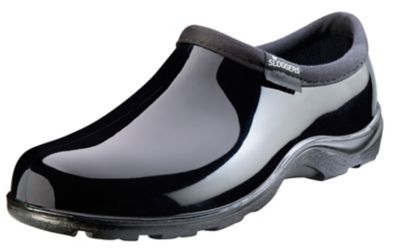
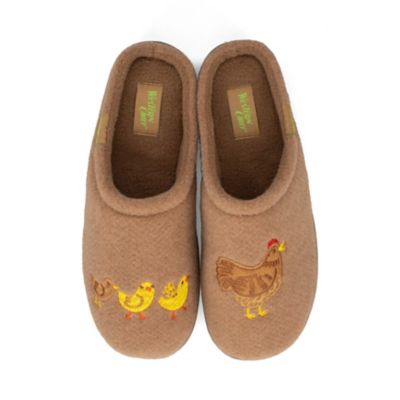
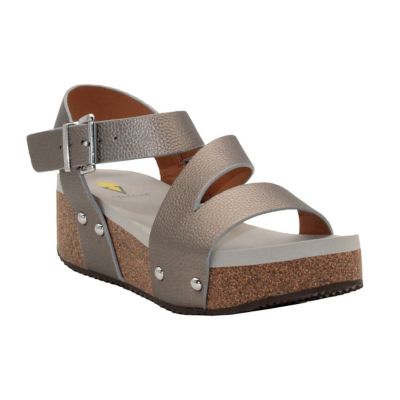
Women’s slip-on shoes bring easy on-and-off convenience to everyday footwear, with no laces to tie before heading out the door. The category includes casual sneakers, low-profile canvas shoes, loafers, clogs, and other step-in styles, each with a different feel underfoot and a different look with jeans or everyday pants. A pair for driving into town may have a lighter, more flexible build than one meant for hours of standing at a counter. For a morning that includes dropping off the kids, stopping at the feed store, and picking up groceries, a secure heel and enough room across the toes matter more than looks alone. Construction makes a difference in how easily a shoe goes on, too. Stretch-knit uppers can give around the top of the foot, while elastic side panels let the opening expand without changing the whole shape of the shoe. A pull tab offers something to hold when sliding a heel into place. Some designs have a structured heel specifically made for hands-free entry, but an ordinary slip-on may still need a hand to keep the back from folding under. Materials also shape the experience. Canvas has a casual appearance and often feels flexible, while mesh allows more airflow through the upper. Leather offers a smoother finish that can soften with wear, and suede has a brushed surface that calls for a different cleaning routine. Synthetic uppers vary widely, from soft fabric-like finishes to firmer surfaces that wipe clean. Inside, linings, seams, and footbed coverings affect how the shoe feels against socks or bare skin. Outside, sole thickness, tread, and the way the upper joins the sole help determine where a pair fits into the day. Those differences give women’s slip-on shoes a place in plenty of routines without making every style suitable for every task.
Comfort starts with fit, not simply with a soft insole. A women’s slip-on shoe should hold the heel without pinching, leave room for toes to spread naturally, and feel secure across the top of the foot. Since there are no laces to tighten, the opening, elastic panels, and overall shape do more of the work of keeping the shoe in place. Too much heel movement can lead to rubbing, while a tight opening can press across the instep even when the length seems right. Width matters just as much as size: a roomy toe box does not necessarily mean the entire shoe has a wide fit, and sizing up for width may leave extra space at the heel. Trying shoes with the socks intended for everyday wear gives a better sense of their fit. Feet can also change in volume over the course of a busy day, so a fit that feels snug at first may feel tighter after several hours on the move. For women who spend more time walking between stops,
women’s walking slip-on shoes bring the focus to features such as heel hold, underfoot cushioning, and a sole that bends near the ball of the foot. Cushioning can soften the feel of each step, while a contoured footbed may provide more noticeable support through the arch. A very soft footbed is not automatically the best match for long stretches of standing; some wearers prefer a firmer, steadier base. Removable insoles can make room for an insert, provided the shoe has enough depth and the heel still sits securely. Outsole material and tread deserve attention, especially around smooth store floors or workshop entrances. A tread pattern alone does not establish a shoe’s slip-resistance rating. Casual footwear also does not replace the protective footwear required for certain jobs, so intended use remains an important part of finding a comfortable match.
Everyday wear puts different demands on women’s slip-on shoes, from dust along a gravel driveway to scuffs picked up beneath a kitchen table. Reinforcement around the toe and heel, even stitching, and a firmly attached outsole are useful construction details to consider for repeated wear. Leather, canvas, knit, and suede do not all respond to the same cleaning method, and care directions matter more than a general rule about washing shoes. Some fabric styles can go through a washing machine when the maker allows it; others need spot cleaning to protect their shape, adhesives, or footbed. A soft brush can lift loose dirt before wiping, while a lightly damp cloth may be suitable for some smooth uppers. Suede generally needs a brush intended for its textured surface rather than the same treatment given to smooth leather. Letting cleaned shoes dry naturally, away from direct heat, helps protect materials and construction. Taking slip-ons off by hand instead of stepping on the backs can also help preserve the heel shape, particularly on styles without a heel built for hands-free entry. Between wears, giving the inside time to air out helps manage moisture from feet. Practical details like these support a longer service life without adding much fuss to the routine. Appearance still has its place: a low-profile shoe sits neatly beneath straight-leg jeans, a loafer gives casual pants a more finished look, and a sporty slip-on fits easily with leggings or walking pants. Smooth interiors and easy entry can appeal to anyone who dislikes tying laces or finds bending down awkward, although the fit still needs to be secure. As a gift for a mom, sister, spouse, or friend, slip-on footwear feels more personal when it reflects what she actually does all day. Knowing her usual size, preferred width, sock habits, and whether she likes a soft or firm footbed is more helpful than choosing by color alone. The right match feels at home in her routine, whether that means a short drive to town or plenty of time on her feet.