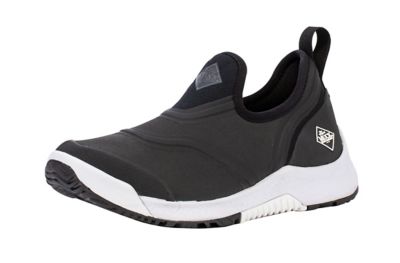
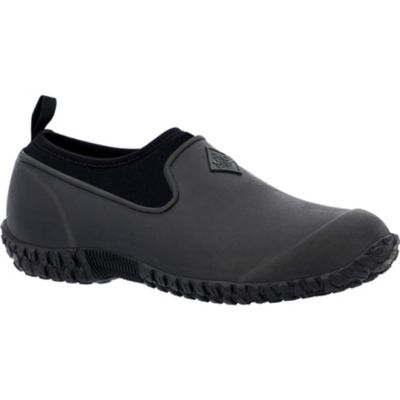
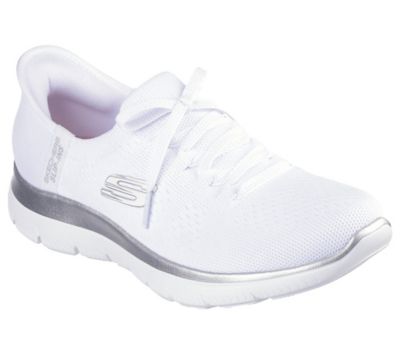
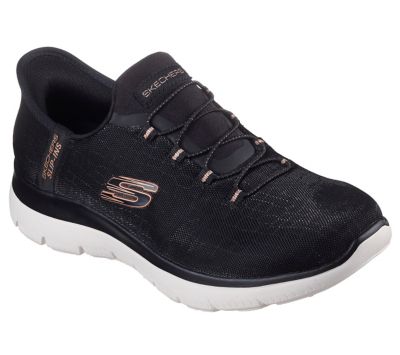
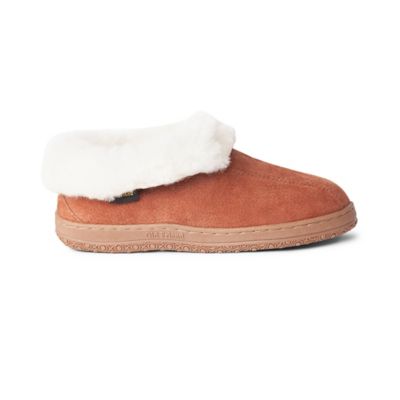
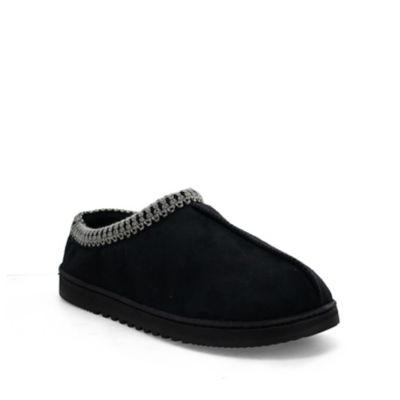
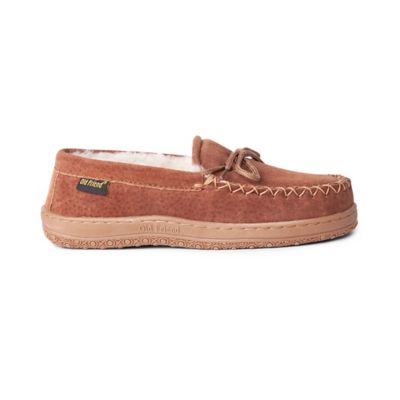
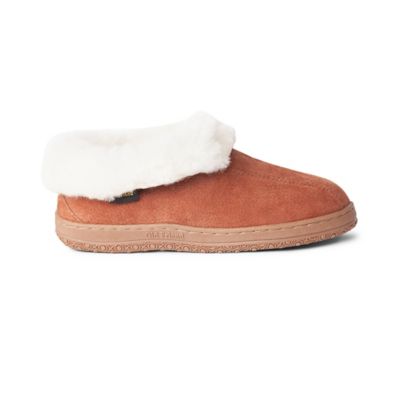
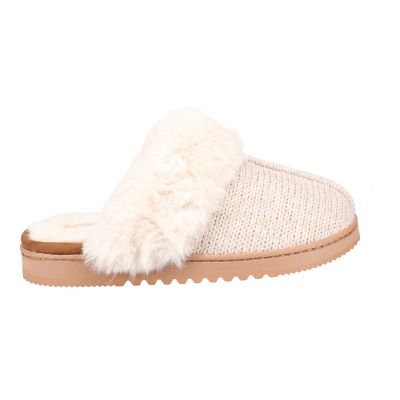
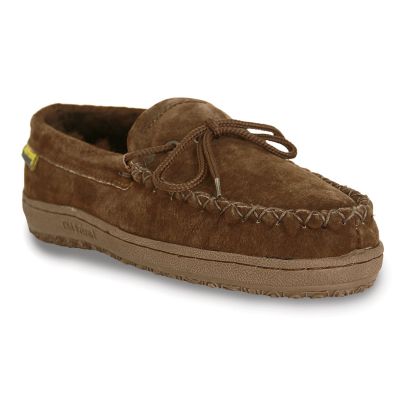
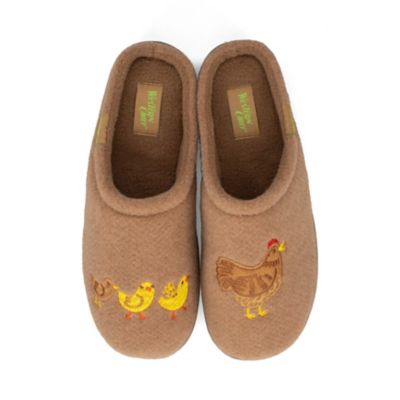
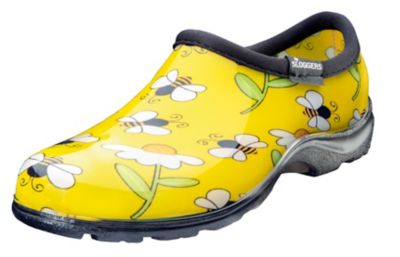
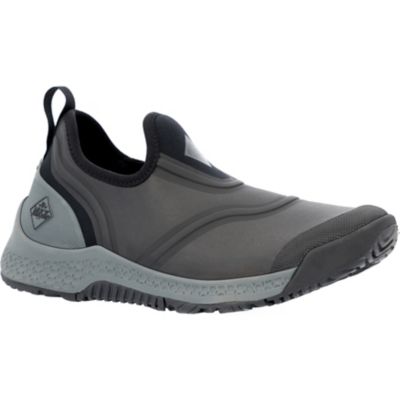
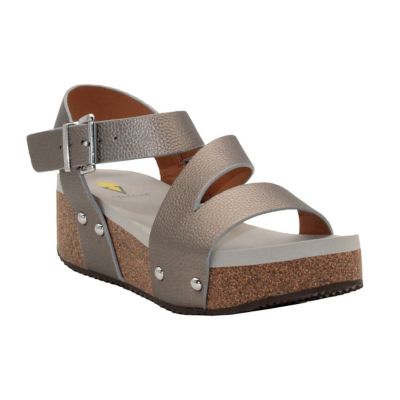
Women's slip-on slippers bring a little ease to everyday life at home, whether you're getting breakfast on the table, sorting laundry or settling into a chair after a day on your feet. Their appeal starts with a simple shape: no laces to tie, no buckles to fasten and a comfortable place for your feet to land. Open-back slippers are easy to step into beside the bed or leave near the mudroom bench, while styles with a raised heel edge offer a more enclosed feel. Closed toes provide coverage, and the shape of the opening affects how easily a foot slides in and how snugly the slipper stays in place. Materials make a difference in that everyday feel. Cotton and knit uppers can feel light and flexible, fleece and plush linings give a soft surface against the foot, and wool brings a different texture that some women prefer for house shoes. Leather and suede uppers have their own character, with care needs that differ from washable fabric. The lining deserves attention, too, since it touches the foot throughout the day and can affect the fit as much as the outside material. A thick lining takes up space inside a slipper, while a smoother lining may feel less bulky with socks. Underfoot, padding can soften the feel of hard floors, but a deep cushion and a supportive footbed aren't necessarily the same thing. Some women enjoy a pillowy feel for relaxing on the couch; others prefer a firmer base that feels steadier while moving between the kitchen and laundry room. Stitching around the opening, reinforcement where the upper meets the sole and the shape of the footbed all contribute to how a slipper holds up to regular wear. Color and texture add personality, but the details that matter most are the ones your feet notice every time you slip them on.
A good fit makes women's slip-on slippers feel easy without leaving them loose enough to slide around. There should be room for the toes to rest naturally rather than bunch against the front, and the widest part of the foot shouldn't feel squeezed by a seam or the edge of the upper. With an open-back shape, the heel belongs on the footbed, not hanging over its edge. A higher-backed slipper should cradle the heel without rubbing as you walk. Sizing can vary by construction, so a size chart and any stated fit information are more useful than assuming every slipper fits like a familiar pair of sneakers. For women who wear socks around the house, that extra layer belongs in the fit decision. Plush lining may settle with wear, but a slipper that pinches from the start isn't a comfortable bet, and leather shouldn't be expected to stretch enough to fix the wrong size. Width matters just as much as length, especially for feet that need more room across the toes or instep. The right fit also helps keep the slipper in place without having to curl the toes to hold it on. Soles deserve a close look when home includes smooth kitchen flooring, hardwood hallways or stairs. A flexible indoor sole may suit quiet time around the house, while a firmer outsole can provide a different feel underfoot. Tread can help with footing, but no slipper makes a wet floor safe, and soap, tracked-in dirt or worn tread can affect grip. Any outdoor use should match the slipper's stated purpose; an outsole intended for brief trips outside doesn't turn a house slipper into footwear for barn chores, uneven ground or work around equipment. For errands and longer walks,
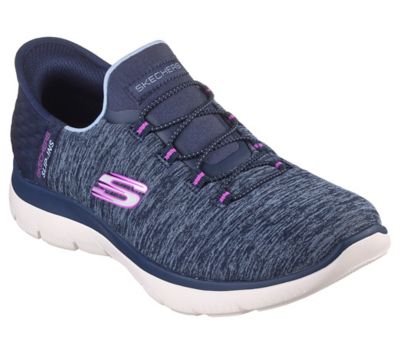
women's walking slip-on shoes are a separate footwear category worth considering. Keeping slippers for the setting they suit helps preserve their shape and keeps the comfort of home from being asked to do a work shoe's job.
Everyday care helps slippers stay pleasant to wear and gives their materials a better chance of holding up. The care label is the place to start, because two pairs with a similar appearance can need very different treatment. Some fabric slippers allow machine washing, while others call for spot cleaning or hand washing; glued layers, structured footbeds and certain linings may not tolerate a full soak. A small spill on a textile upper may respond to a lightly damp cloth and an appropriate cleaner, but soaking the whole slipper can leave moisture trapped inside. Leather and suede need products and methods suited to those materials rather than the same treatment as a cotton upper. Loose dirt is easier to remove before it gets worked into seams, and a gentle brush can help lift debris from outsole grooves. After cleaning, slippers should dry fully before the next wear, away from direct heat that can affect adhesives, shrink some materials or stiffen leather. Giving them space to air out between wears also helps, especially when they're worn without socks. Leaving them beside a chair or on a clear shelf keeps them from getting flattened under boots in the mudroom, and keeping them out of a pet's reach can spare the lining from an unexpected chewing session. Over time, flattened cushioning, splitting seams or a sole worn smooth are signs that a pair may no longer feel or function as it did at first. Slippers can also make a thoughtful gift for a mom, sister, spouse or friend who enjoys comfortable footwear at home. The best match comes from knowing how that person lives: whether she likes socks, prefers an open heel, needs more room across the foot or spends plenty of time standing at the kitchen counter. A familiar size, a preferred texture and a shape that suits her routine matter more than a flashy appearance. For someone coming home from long hours in work boots, the simple pleasure of an easy-fitting house slipper can be plenty.