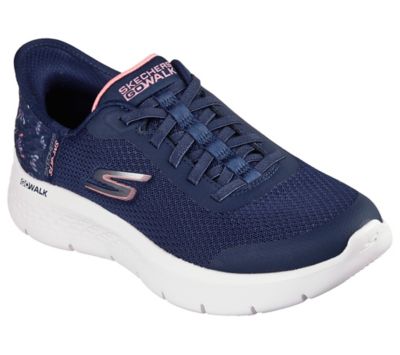
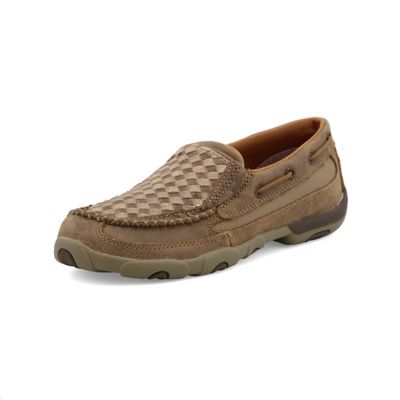
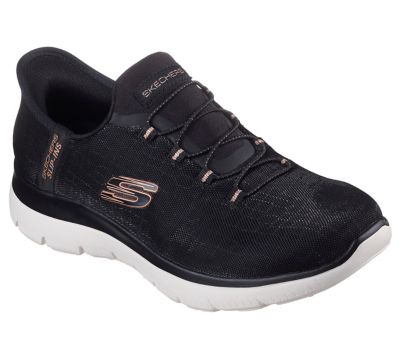
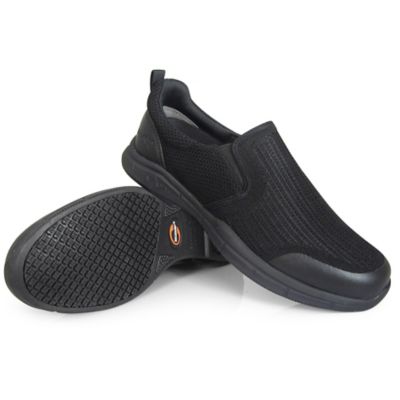
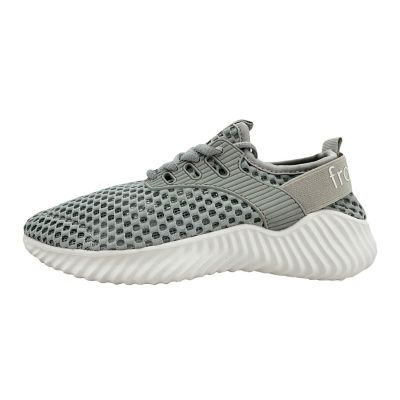
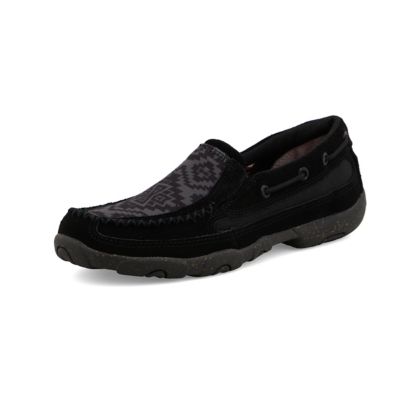
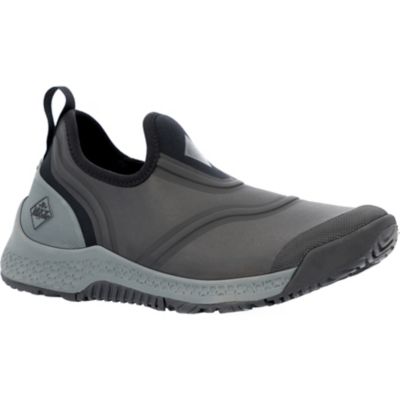
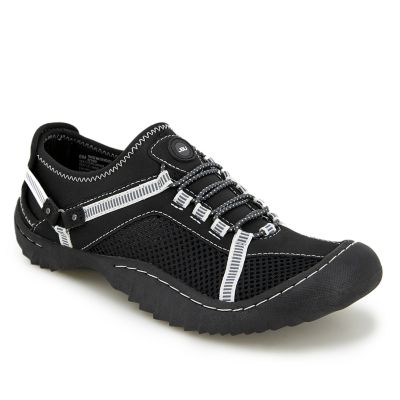
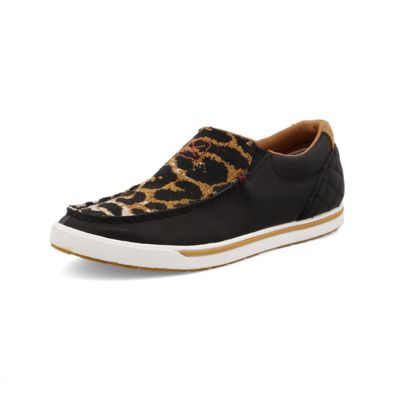
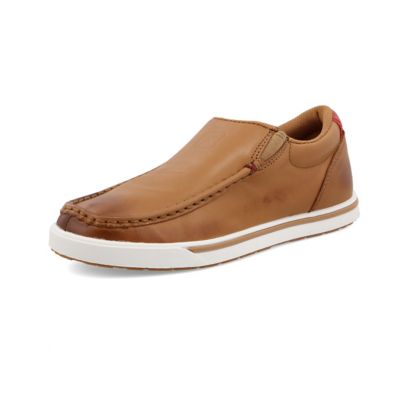
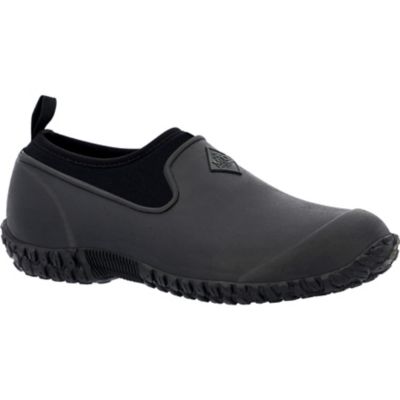
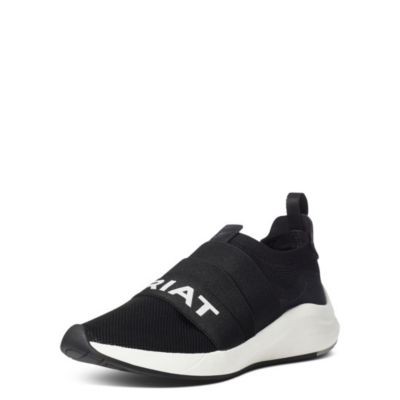
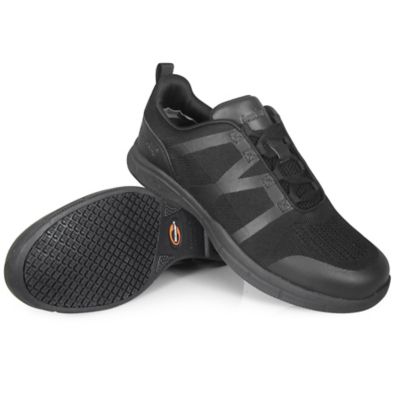
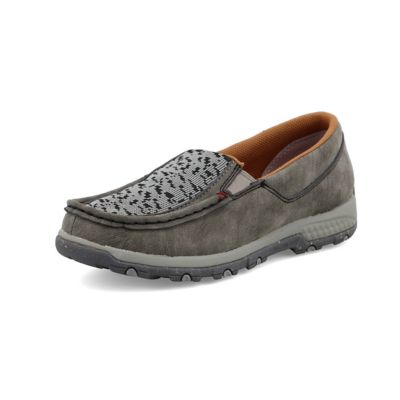
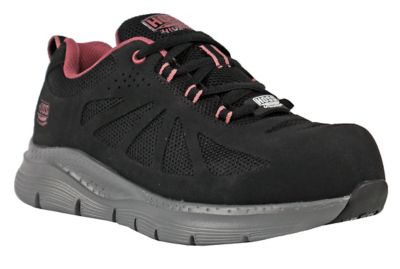
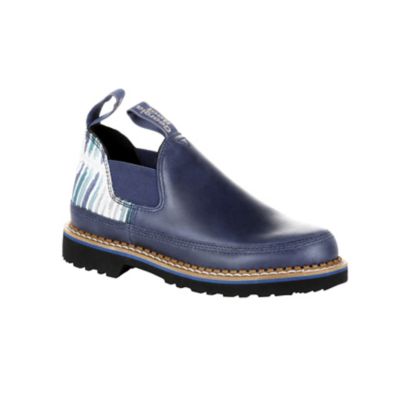
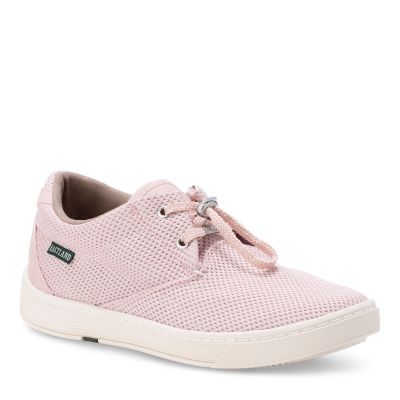
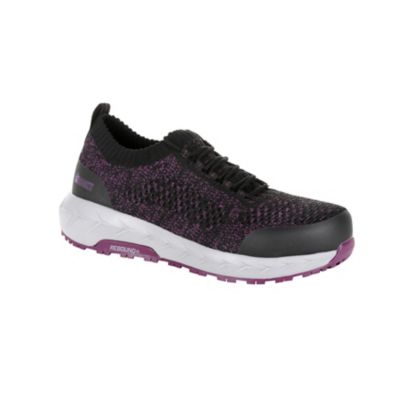
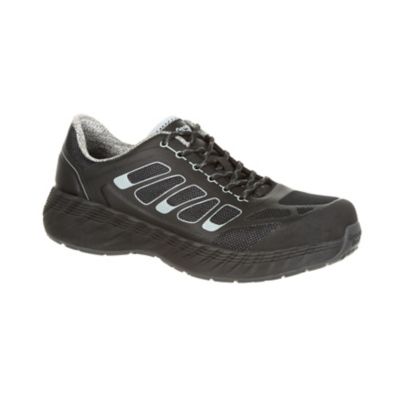
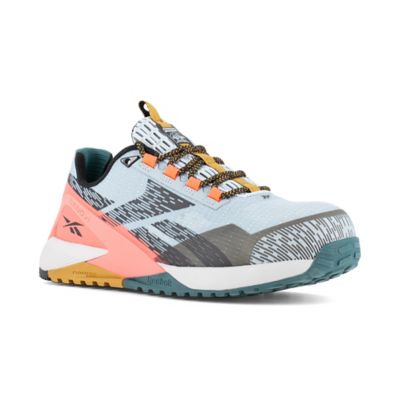
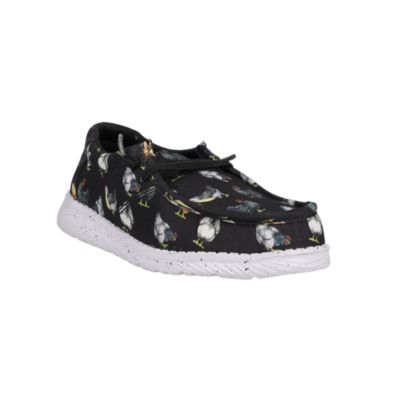
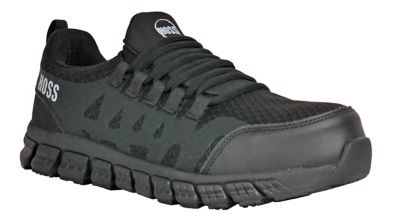
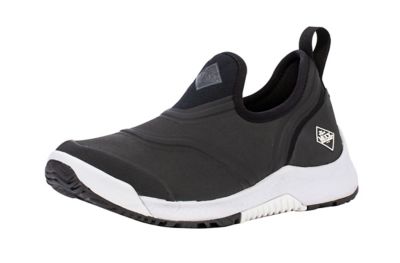
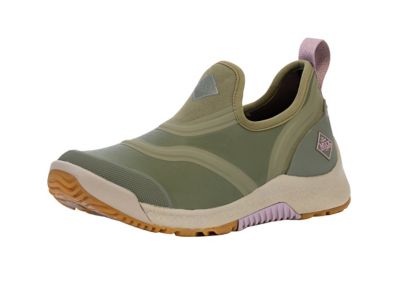
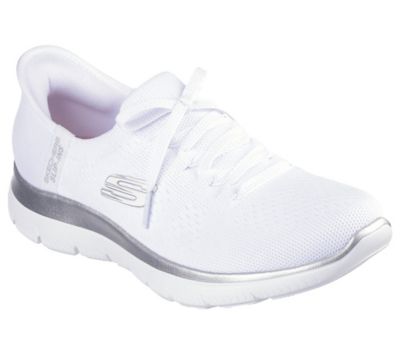
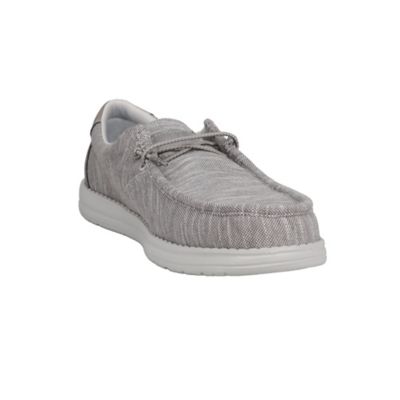
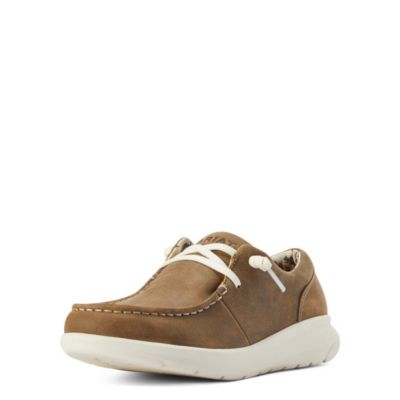
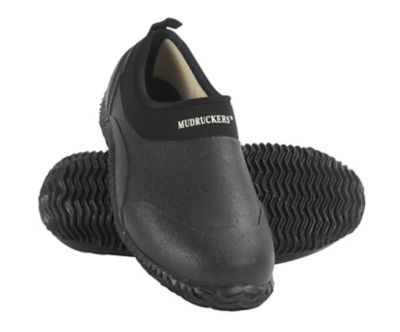
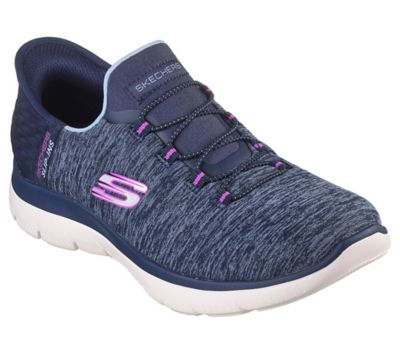
Women's mesh slip-on shoes bring an easygoing feel to everyday footwear, with airy uppers and a pull-on shape that gets you out the door without fussing with laces. They fit naturally into the little trips that fill a day: heading to the mailbox, stopping at the feed store, taking a walk around town or spending an afternoon visiting family. Mesh has an open textile structure that lets air move through the upper, while the weave, lining and reinforcement help determine how the shoe feels against the foot. Some mesh uppers have a soft, stretchy feel; others hold their shape more firmly, particularly around the toe and heel. Polyester and nylon are common materials, sometimes paired with knit sections or synthetic overlays that add support where the upper meets the sole. Those differences matter when choosing between a shoe that feels close to a sock and one with a more structured fit. Elastic panels, flexible collars and heel pull tabs can make slipping a pair on easier, though the opening still needs to hold the foot securely once it is inside. Underfoot, foam cushioning can soften each step, while a lined footbed helps separate the foot from seams and the base of the shoe. A low-profile shape pairs easily with straight-leg jeans, casual pants, shorts or a simple everyday dress, without looking out of place at a family cookout or a quick lunch in town. Neutral shades keep outfit matching straightforward, while brighter colors add a little personality to a plain shirt-and-jeans combination. Mesh slip-ons are generally best suited to casual walking and everyday wear rather than heavy chores. For handling tools, working around livestock or crossing ground with sharp debris, footwear with the protection and support the task calls for is the better choice. The appeal here is simple: a lightweight-feeling shoe that is easy to put on and comfortable for the ordinary stops along the way.
Fit makes a bigger difference than softness alone, especially with a slip-on shoe that cannot be tightened with laces. The heel should stay reasonably settled during a normal stride, with enough space at the front for the toes to move without pressing into the end of the shoe. A little flexibility at the opening can help with entry, but repeated heel lifting or a foot that slides forward may point to the wrong size or shape. Width deserves just as much attention as length. Mesh can give slightly, depending on its construction, but it should not have to stretch hard across the widest part of the foot to feel comfortable. For someone with a higher instep, the top edge and elastic panels need to sit comfortably without digging in. Trying footwear with the socks normally worn for errands or walking gives a better sense of the everyday fit, and checking both feet helps account for small differences between them. Feet can also feel fuller after a day of activity, so a fit that seems roomy first thing in the morning may feel different later. Thin socks can help limit rubbing, while a smooth interior becomes especially important for anyone who prefers wearing slip-ons without socks. Cushioning and support are separate considerations: a soft footbed may feel pleasant at first, but the shape beneath the arch, the stability of the heel and the way the shoe bends also affect comfort over longer stretches. A sole that flexes near the ball of the foot can follow a walking stride without feeling loose throughout the entire shoe. Rubber or other synthetic outsoles vary in tread pattern, thickness and firmness, so it helps to consider the surfaces underfoot, from a grocery aisle to a gravel parking lot. Traction depends on both the sole and the surface; mesh construction alone says nothing about slip resistance. For long hours on your feet, pay attention to the whole build rather than judging by how pillowy the insole feels. Removable footbeds may offer more flexibility for cleaning or accommodating a suitable insert, but there still needs to be enough room inside for the foot to sit comfortably.
Keeping mesh slip-ons in good shape starts with treating the upper gently. Fine openings can collect dust and grit after a walk down a lane or across a parking lot, and a soft brush can lift loose dirt before it works farther into the fabric. For marks that remain, care directions determine whether a damp cloth and mild soap are appropriate. Mesh does not automatically mean machine washable; adhesives, lining materials, footbeds and trim may call for different treatment. Scrubbing hard can roughen fibers or pull at the weave, so a light touch is usually the better starting point. When cleaning is permitted, allowing shoes to air-dry fully helps keep the inside comfortable for the next wear. Direct heat can affect the shape of some components, making a shaded, ventilated spot a sensible place to set them aside. Taking out removable insoles, when the care instructions allow it, can help the interiors dry more thoroughly. Slipping shoes off by hand instead of stepping on the heel helps preserve the back of the upper, and easing the foot through the opening rather than crushing the heel keeps that part from folding down. Over time, look for flattened cushioning, smooth patches on the outsole, separating seams or a heel that no longer holds its shape. Those signs can change how a pair feels and grips even when the upper still looks tidy. For a different textile feel with the same easy pull-on appeal,
women's canvas slip-on shoes offer another casual option to consider alongside mesh. A pair of mesh slip-ons can also make a thoughtful gift for someone who enjoys relaxed outings, neighborhood walks or a no-fuss shoe by the door, provided their size, preferred width and usual activities are known. Whether chosen for yourself or someone else, the right pair brings together a comfortable opening, a settled heel, room through the toes and a sole suited to the places the day takes you.