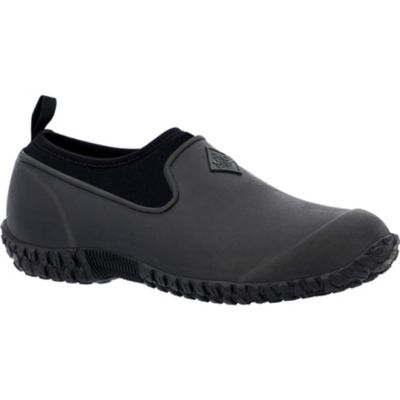
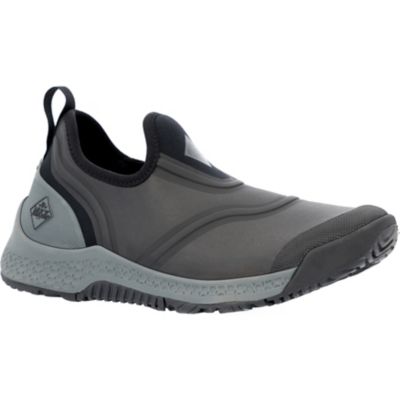
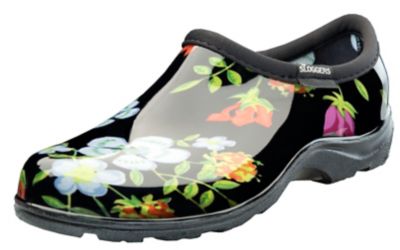
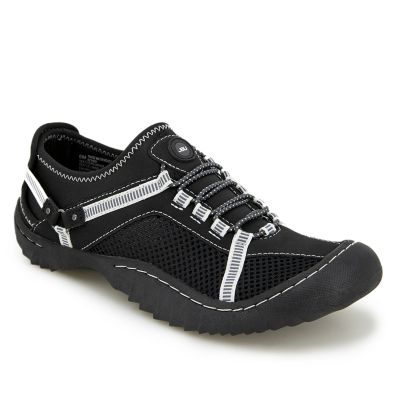
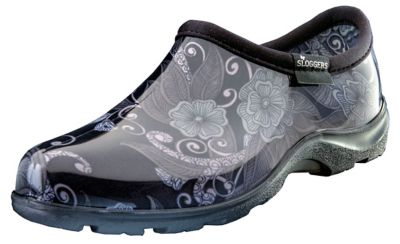
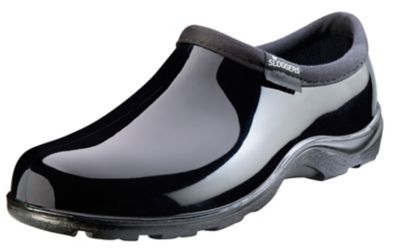
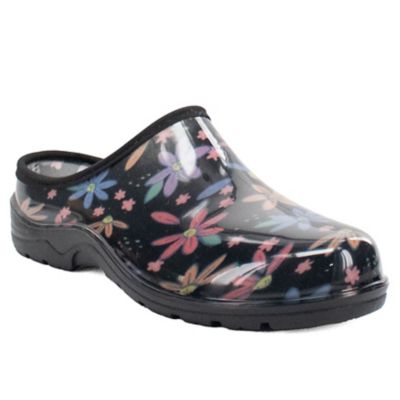
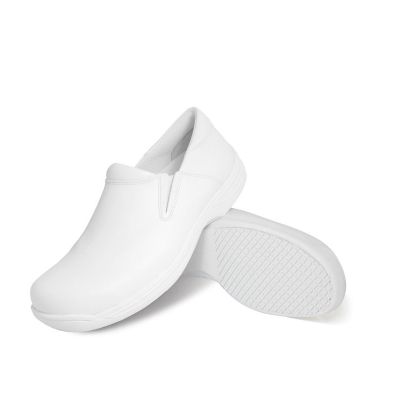
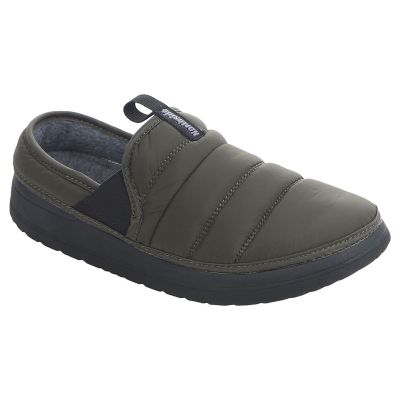
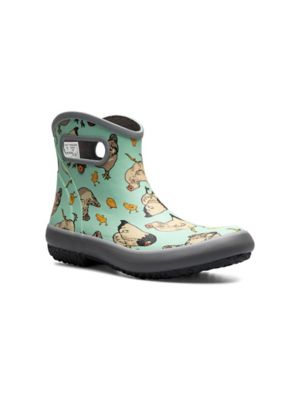
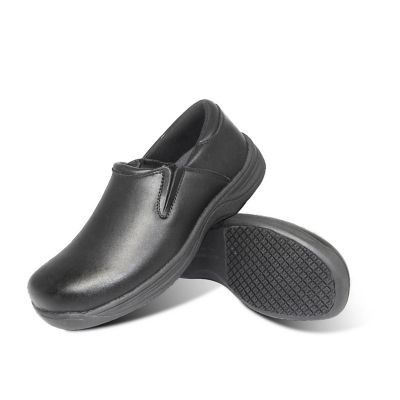
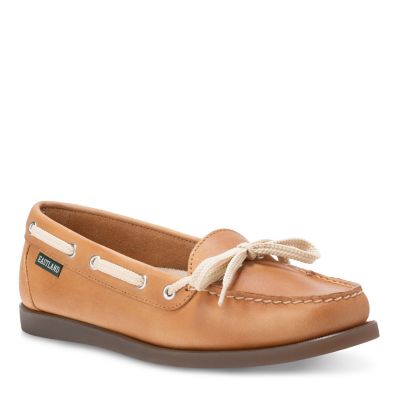
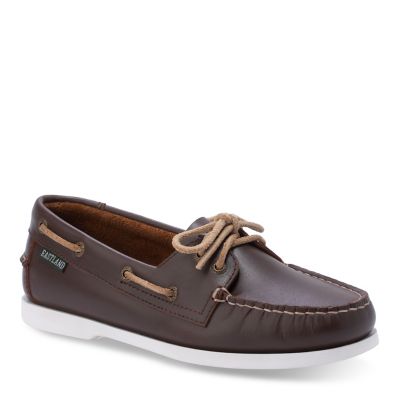
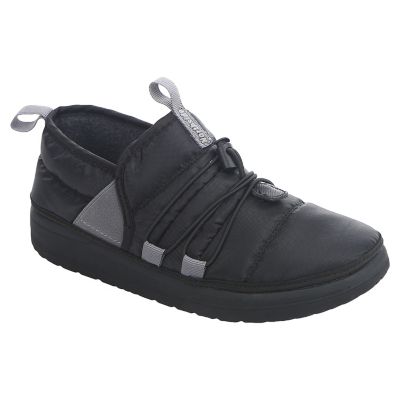
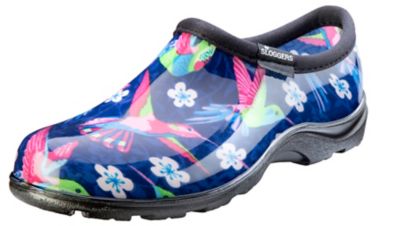
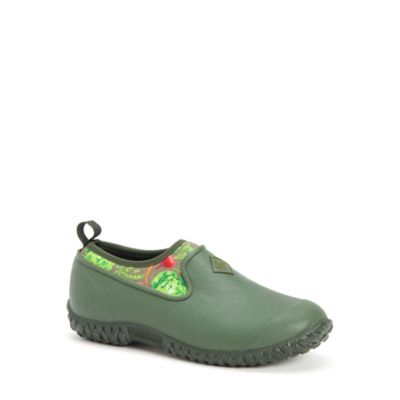
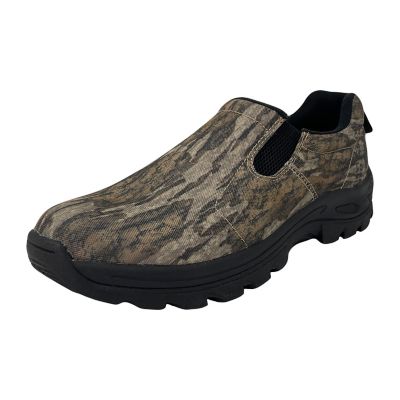
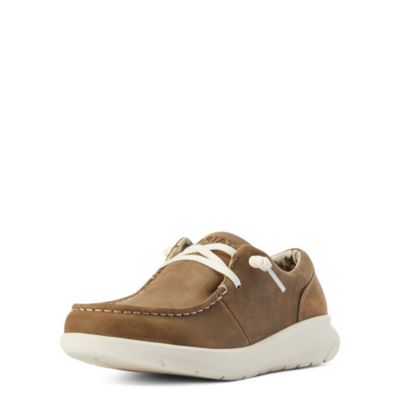
Women's outdoor slip-on shoes make it easier to head out the door for garden chores, a walk with the dog, or a trip across the yard without stopping to tie laces. The category includes low-cut shoes with enclosed heels, pull-on designs with stretch panels, and backless shapes that leave the heel open. Each shape has a different feel underfoot: an enclosed heel helps hold the foot in place while walking, while an open back makes stepping in and out simpler beside the porch or garden gate. Materials help set these shoes apart, too. Rubber and other molded uppers can be practical around potting soil, watering hoses, and muddy garden paths because their smooth surfaces are often easier to wipe down. Leather and suede bring a more structured feel, though their care needs differ from those of washable materials. Textile uppers can feel light and flexible for errands and casual walks, with breathability depending on the fabric, lining, and construction. Stretch panels and flexible collars can ease entry without leaving the whole shoe loose. Waterproof construction matters for tasks that involve splashes or wet ground, but a low opening still allows water to enter from above. Water-resistant materials offer a different level of protection and should not be treated as waterproof unless the footwear is labeled that way. Inside, cushioning can soften the feel of a firm walkway, and a contoured footbed may offer more support than a flat base. A soft first step is pleasant, but support through an entire round of chores depends on the combination of fit, cushioning, and sole construction. For someone moving between the house, raised beds, and a nearby outbuilding, the most useful pair is one that suits both the ground underfoot and the amount of walking involved. Convenience earns its keep when it comes with a secure, comfortable fit.
Fit deserves particular attention with women's outdoor slip-on shoes because there are no laces to tighten across the top of the foot. A pair should feel comfortably secure through the heel and midfoot, with room for the toes to spread rather than press against the front or sides. Slight movement at the heel can happen in some designs, but repeated slipping, rubbing, or toe gripping can signal that the shape or size is not a good match. Width matters just as much as length, especially when a molded upper has little give. The socks worn for chores or walks also affect fit, so trying shoes with that same sock thickness gives a better sense of how they will feel outside. Stretch inserts can accommodate movement, but they cannot make up for a shoe that pinches. Removable footbeds can make cleaning easier and may allow room for a compatible insert, provided the shoe still has enough depth afterward. Underneath, tread shape helps determine where a pair feels most at home. More pronounced lugs can bite into loose soil, while lower-profile tread may feel less noticeable on firm paths and paved walkways. Widely spaced tread can be easier to clear of packed dirt than tightly clustered grooves. No sole guarantees grip on every surface; slick boards, loose gravel, and uneven stepping stones still call for care. A flexible forefoot can make walking feel natural, while a stable base helps limit that wobbly feeling when carrying a watering can or a small bag of feed. For longer walks or uneven ground, an enclosed heel and a secure upper generally offer more hold than a loose backless shape. Easy entry should never mean the foot has to work to keep the shoe on. Outdoor slip-ons fit everyday tasks, but casual footwear is not a substitute for protective work footwear when a job calls for safety toes, puncture resistance, or other job-specific protection.
How well a pair holds up comes down to more than the thickness of the sole. Repeated bending, scuffing against garden edging, and contact with gritty soil all put different parts of a shoe to work. Reinforcement around the toe, firmly attached soles, and sound stitching are useful details to examine, along with care directions that match the way the shoes will be worn. Cleaning needs vary by material. Loose dirt can often be brushed away before it gets tracked onto the porch, and many rubber or molded surfaces can be wiped with a damp cloth. Leather, suede, and fabric call for their own cleaning methods; soaking or machine washing can damage footwear that is not made for it. Removable insoles should be cleaned according to their care directions and allowed to dry fully before going back inside. Letting shoes air-dry away from direct heat helps protect their shape, adhesives, and surface finish. A pair kept by the back door may see plenty of short trips, so checking the tread and heel lining from time to time can reveal wear that is easy to miss. Flattened tread, separating soles, and a footbed that no longer feels supportive are signs worth noticing. These practical details also matter when choosing footwear as a gift for a gardener, a dog walker, or someone who likes a simple shoe for everyday trips outside. Knowing the recipient's usual size, preferred width, and preference for an open or enclosed heel makes the choice more thoughtful than picking by color alone. Someone who spends time kneeling beside flower beds may value a flexible upper, while someone covering more ground may appreciate a firmer heel and steady cushioning. For everyday wear beyond yard chores,
Women's Slip On Shoes covers the broader category. The right outdoor pair brings straightforward comfort and easy entry to the jobs and little outings that fill an ordinary day.