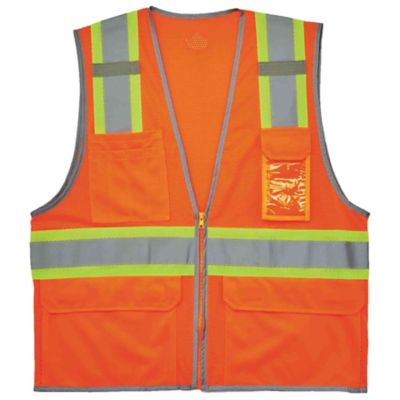
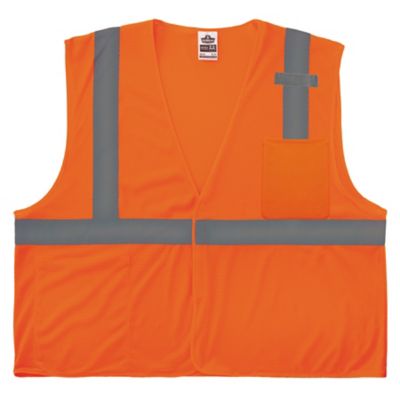
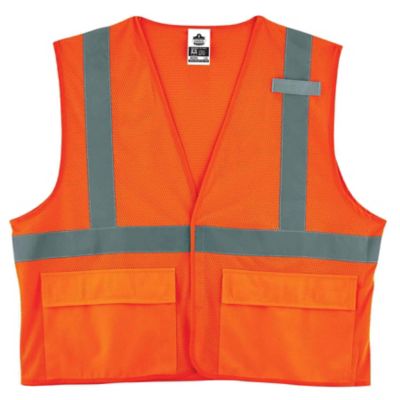
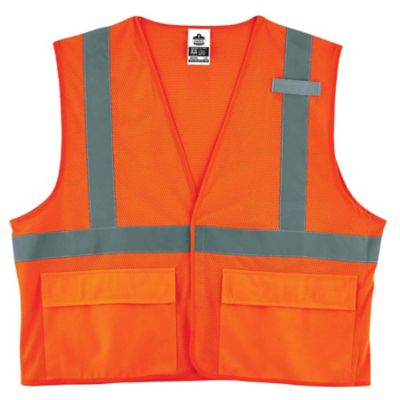
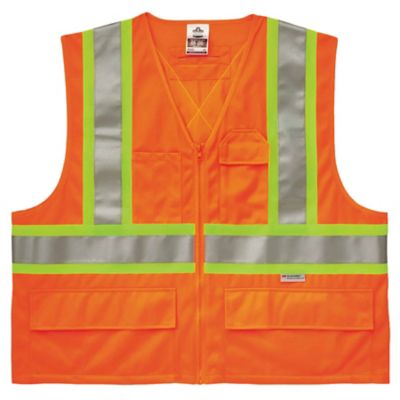
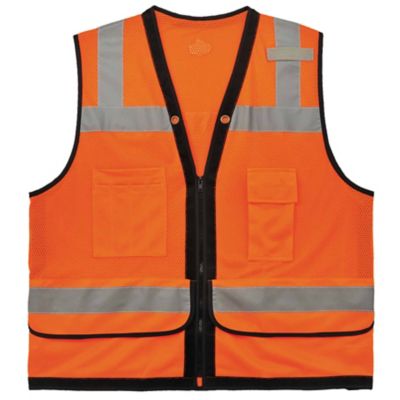
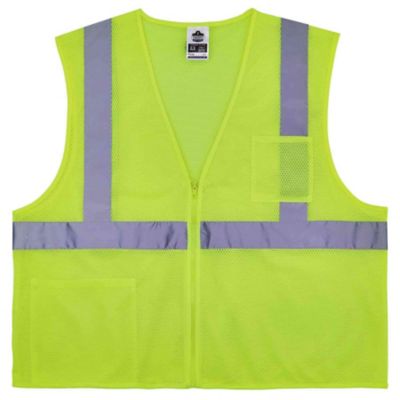
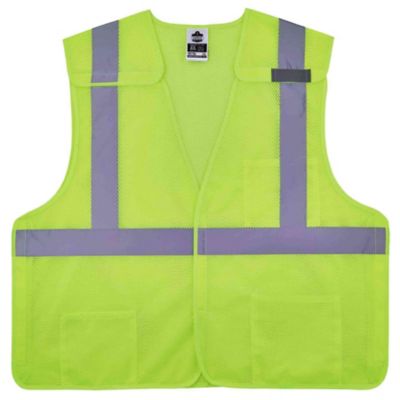
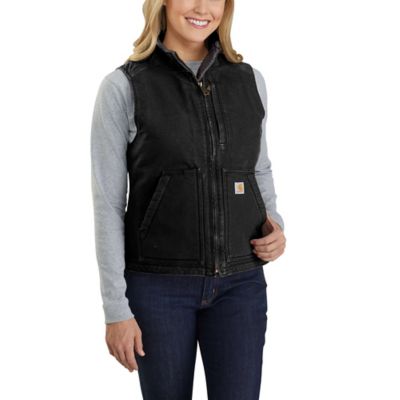
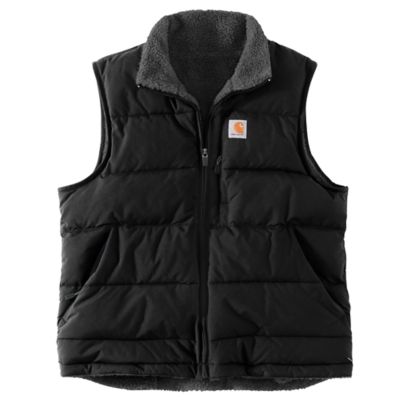
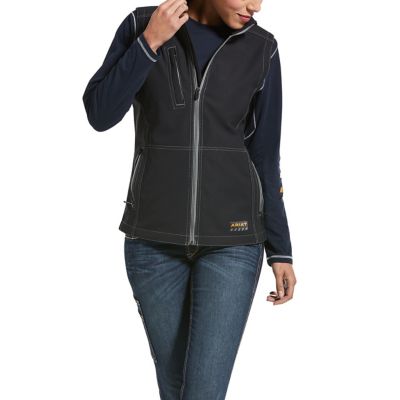
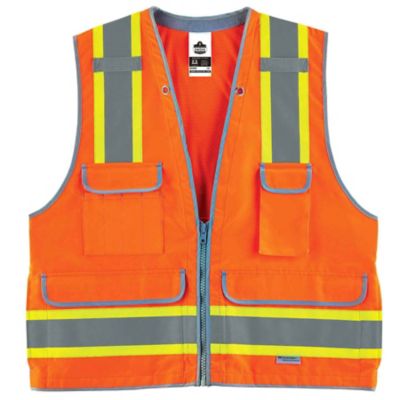
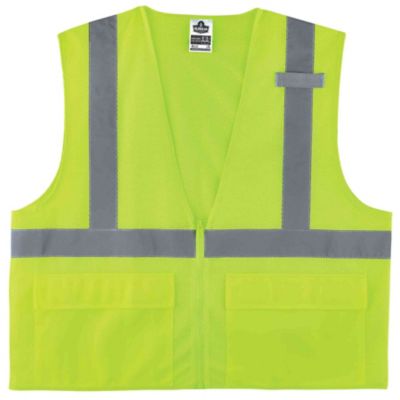
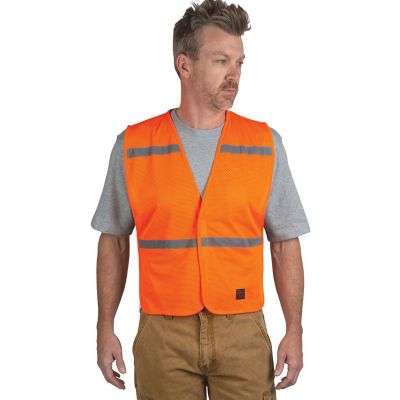
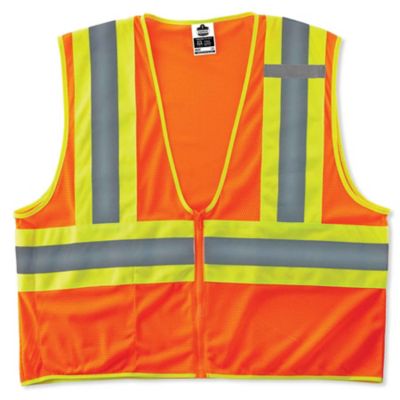
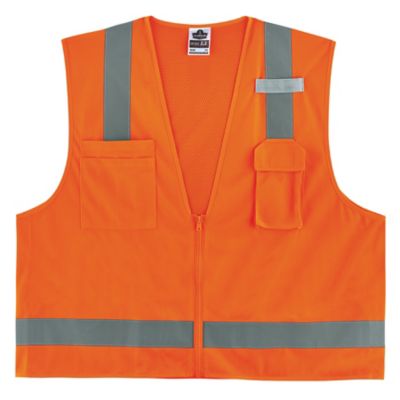
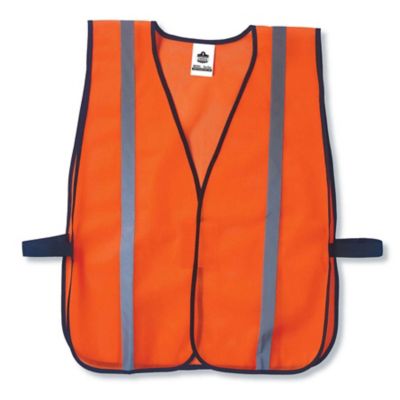
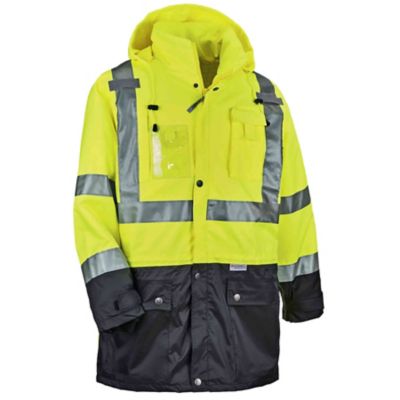
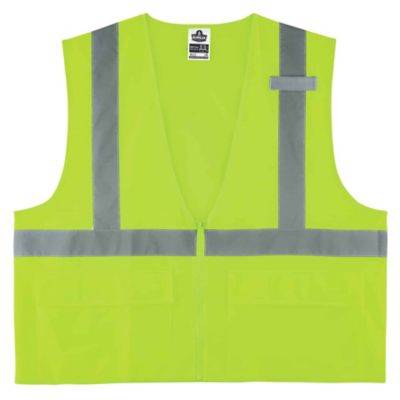
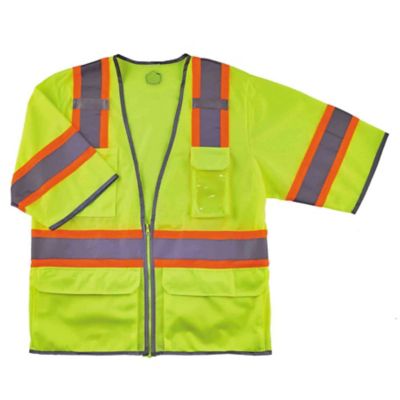
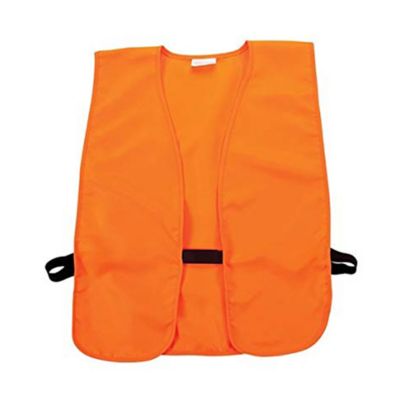
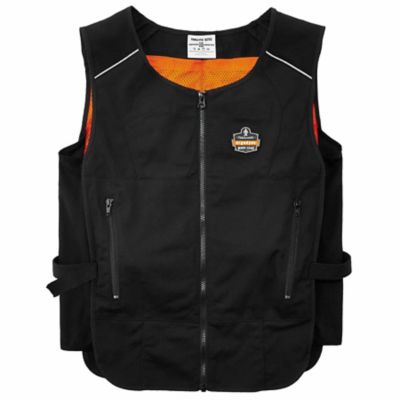
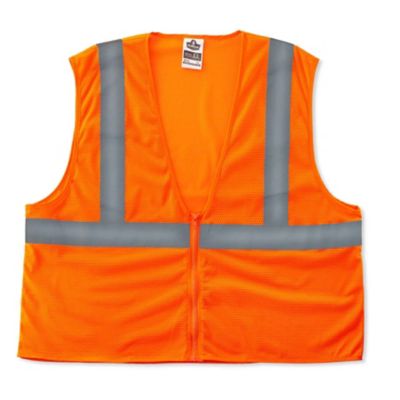
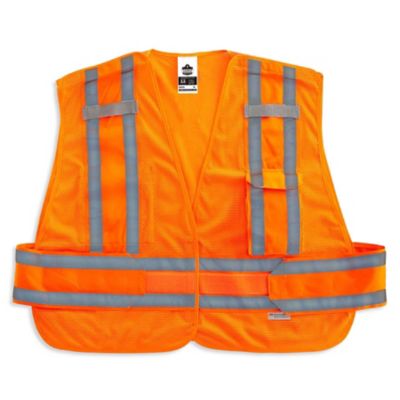
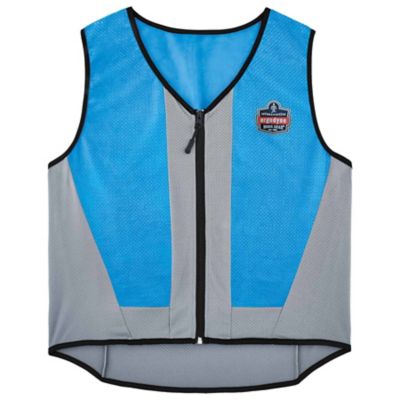
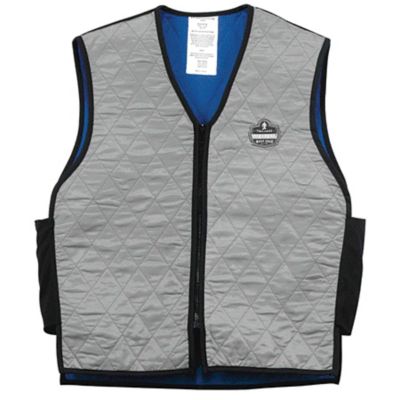
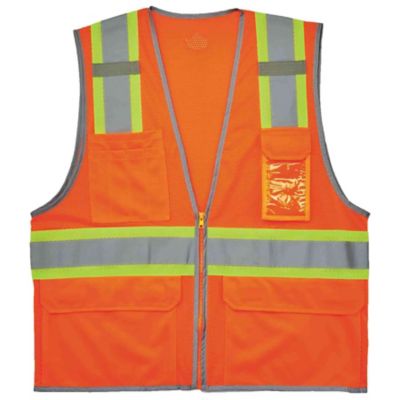
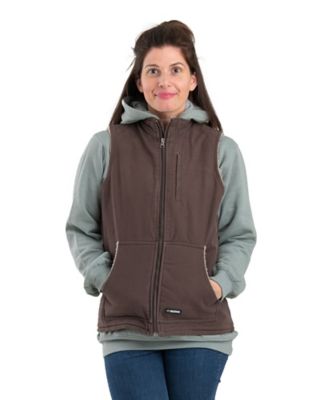
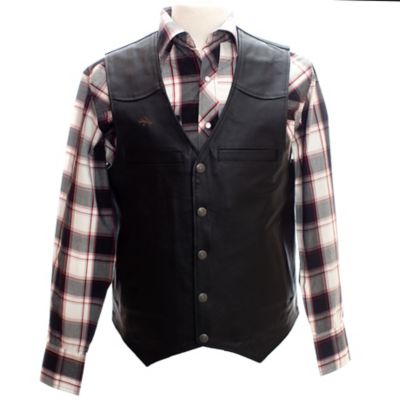
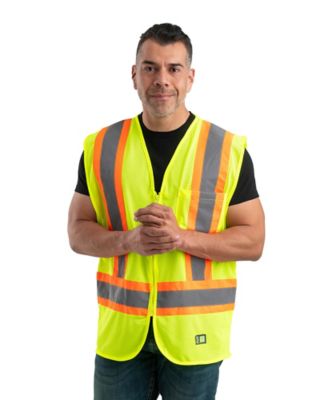
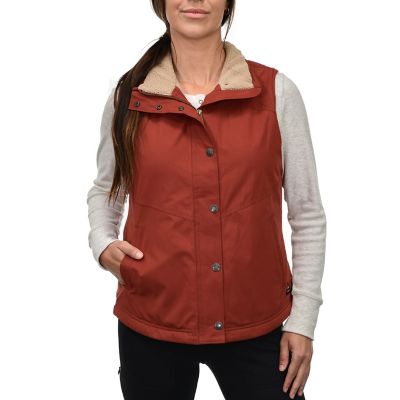
A women’s safety vest with pockets is a handy layer for workdays when being seen matters and having small essentials close at hand saves a trip back to the truck. These high-visibility vests are commonly worn on construction sites, road crews, farms, ranches, landscaping jobs, utility work, warehouse floors, parking areas, school grounds, and community projects. They can also be useful for trail maintenance, hunting property upkeep, surveying, roadside tasks, and helping direct equipment around a busy farm or jobsite. Bright yellow, orange, or other high-visibility colors help a wearer stand out against fields, pavement, gravel, equipment, and changing light, while reflective bands can help catch attention when daylight fades or work continues near traffic. A vest is not a replacement for required protective gear, but it can add an important layer of visibility over a shirt, sweatshirt, or light jacket. During the cooler months, look for a style with enough room for the layers you normally wear without hanging loose or interfering with movement. In milder conditions, breathable mesh or lightweight fabric can help keep air moving when the work is active. A woman working around livestock may appreciate a vest that slips on quickly over a flannel shirt, while someone checking fence lines or operating a mower may want a simple, flexible layer that stays comfortable through a long stretch of walking and bending.
Fit makes a real difference when choosing a women’s safety vest with pockets. Many women’s styles are shaped more closely through the waist and allow room through the hips, which can reduce the boxy feel often found in unisex garments. A contoured cut may make it easier to reach, climb into a cab, step over a gate, or turn while carrying tools, while adjustable side tabs or elastic panels can help fine-tune the fit over different layers. Take a look at the size chart and compare the measurements with a vest or jacket that already fits well. The vest should sit comfortably over the clothing you expect to wear, with enough room to zip or fasten without pulling. It should not be so loose that it catches on brush, fencing, machinery, or building materials. Pocket placement is just as important as the number of pockets. A phone pocket should be easy to reach but secure enough for walking and bending. Wide utility pockets can hold gloves, a small notebook, keys, tape, or a flashlight, while narrow slots are useful for pens, markers, and compact tools. Some designs include a clear ID or badge pocket, radio loops, or reinforced areas for clips and accessories. Think through a normal workday and choose storage that matches what you actually carry; a dozen pockets are only useful when they are easy to find and do not make the vest heavy or lopsided. Reflective trim should be visible from the front, back, and sides, and closures should be easy to operate with cold or gloved hands. For jobs governed by workplace or roadway safety rules, check whether the vest is labeled to the required ANSI/ISEA class. Class 2 and Class 3 garments are intended for different levels of visibility and work environments, so the correct choice depends on traffic speed, background conditions, job duties, and the rules set by an employer or worksite. Always follow the safety requirements for the specific task, including any need for hard hats, eye protection, gloves, hearing protection, or other protective equipment.
These vests are practical for more than full-time crews. A farm owner can keep one in a utility vehicle for visitors, helpers, or anyone working near tractors and trailers. They can be useful for a new hire, a volunteer helping with a fence project, a neighbor pitching in during cleanup, or a family member checking animals along a road or lane. A women’s safety vest with pockets also makes a thoughtful gift for someone who spends weekends repairing gates, clearing storm debris, managing a campground, coaching outdoor events, or working with a local road or trail crew. It is the kind of useful gift that can live in a truck, tack room, tool shed, or mudroom and be ready when plans change. For shared work areas, consider choosing a high-visibility color that is easy to identify and labeling the inside with the wearer’s name. Check the vest regularly for torn seams, damaged reflective material, broken closures, heavy staining, or stretched pocket openings, since wear and dirt can affect appearance and visibility. Follow the care instructions, avoid covering reflective areas with patches or bulky gear, and keep the vest from becoming overloaded with tools. When another fit or storage layout is needed, browse
Men's Work Vests With Pockets for additional workwear options. Whether it is worn over a T-shirt during a warm afternoon or layered over a sweatshirt on a crisp morning, the right vest should feel comfortable enough to wear for the whole job while keeping important items close and the wearer easier to spot around people, vehicles, and equipment.