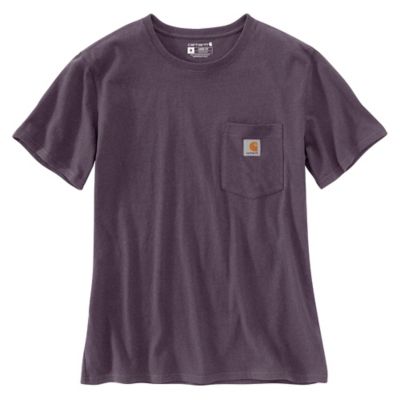
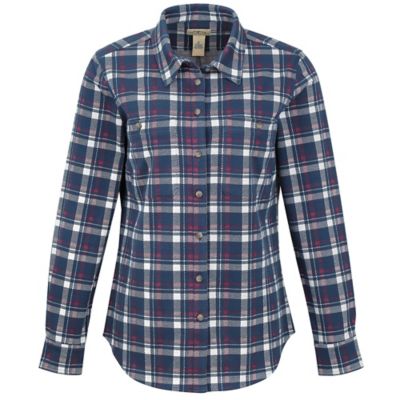
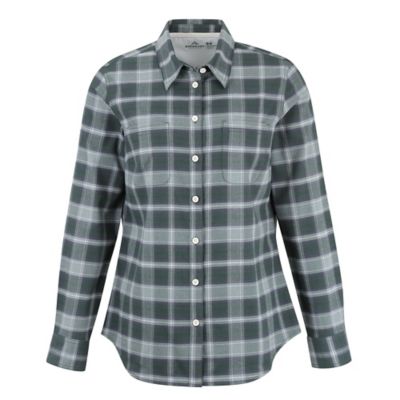
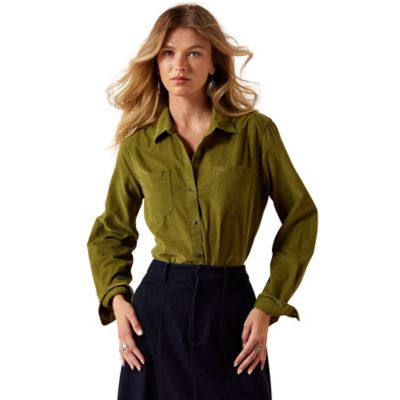
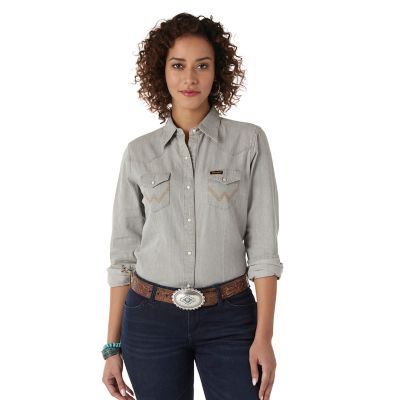
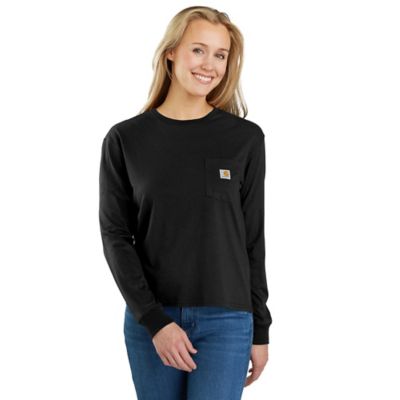
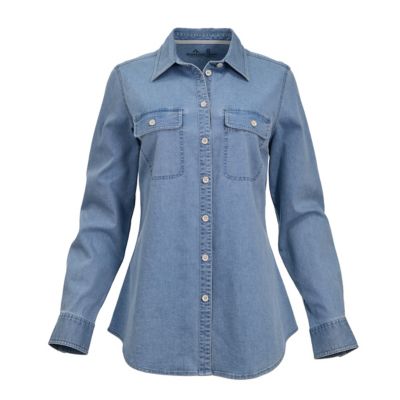
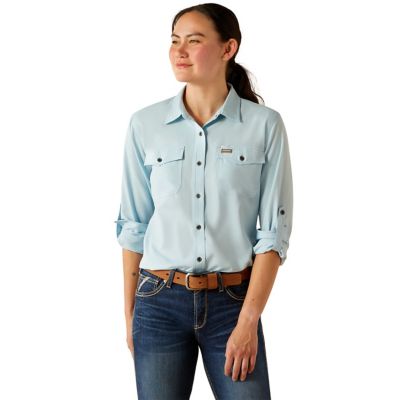
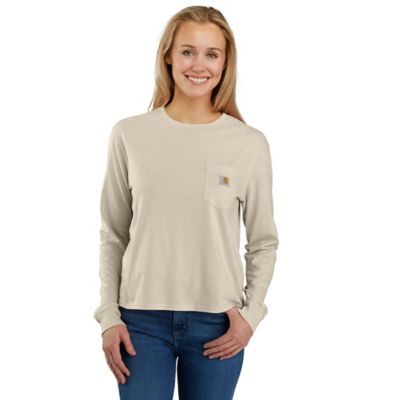
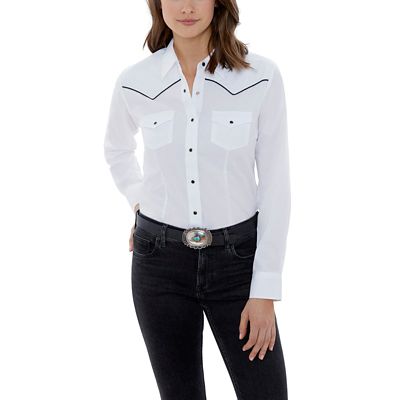
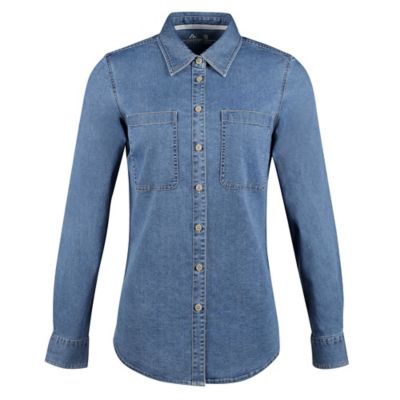
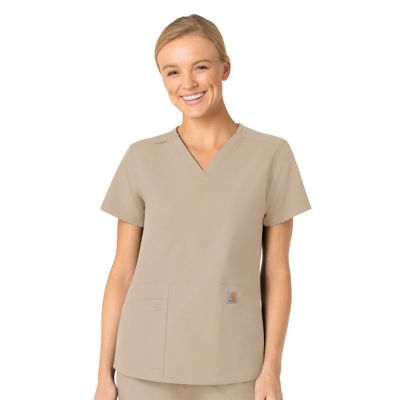
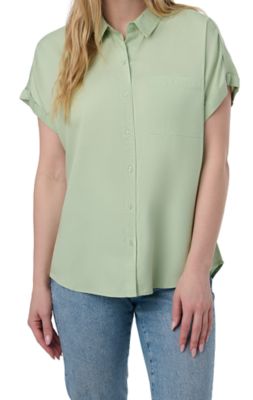
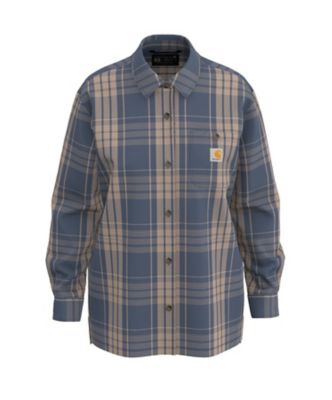
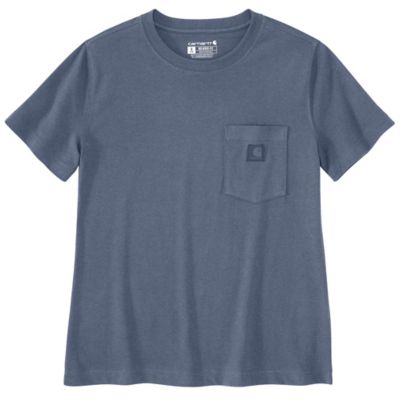
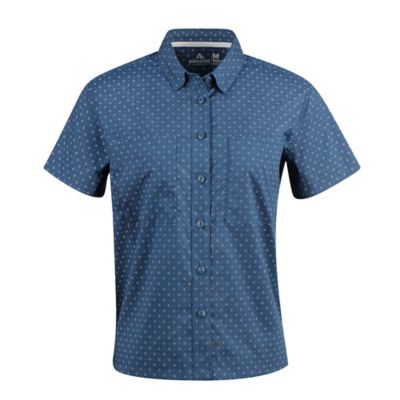
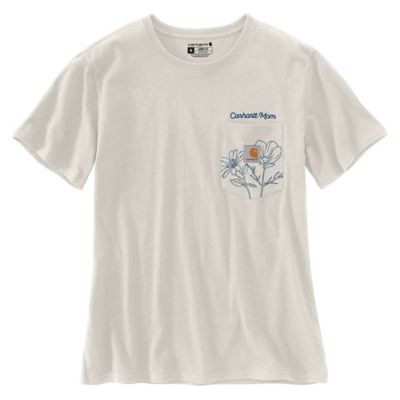
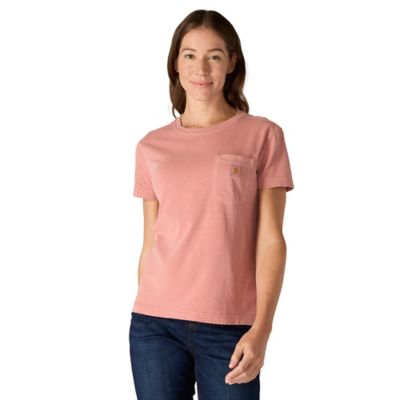
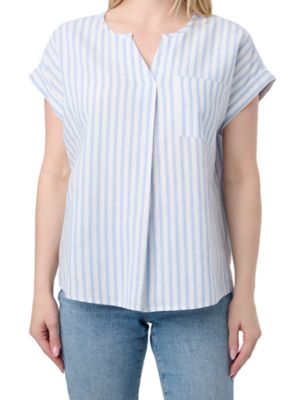
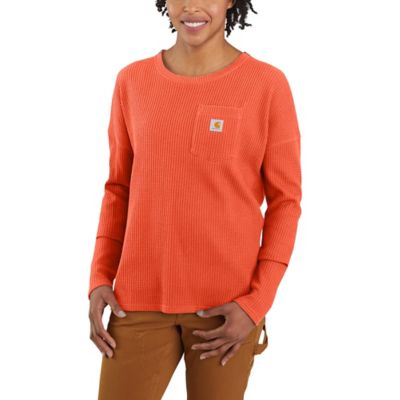
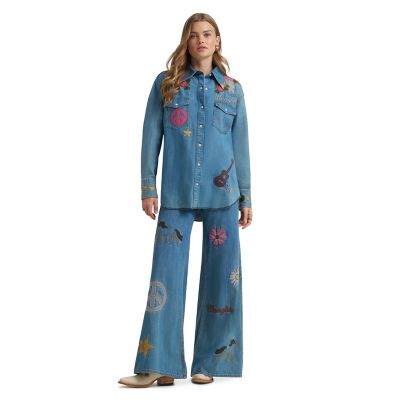
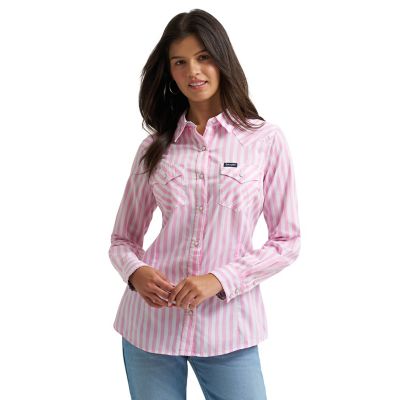
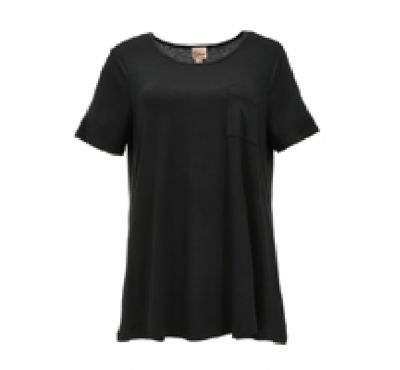
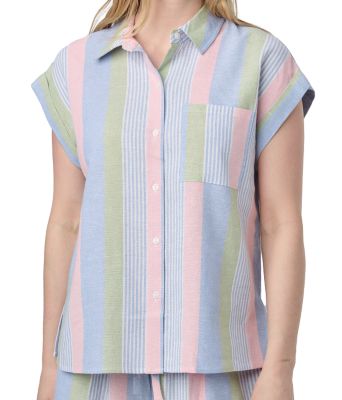
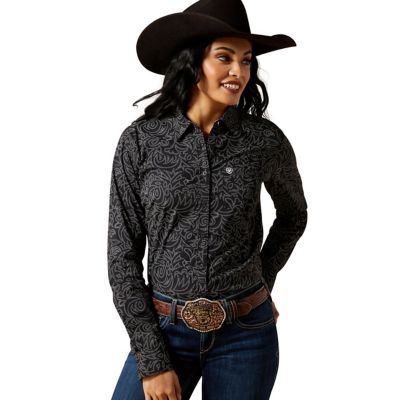
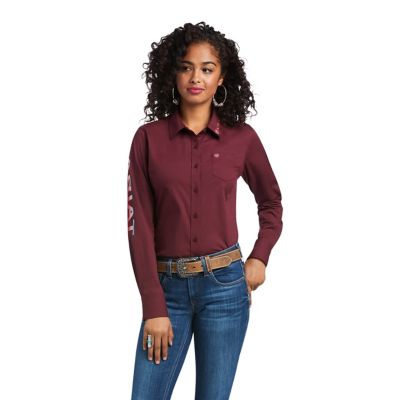
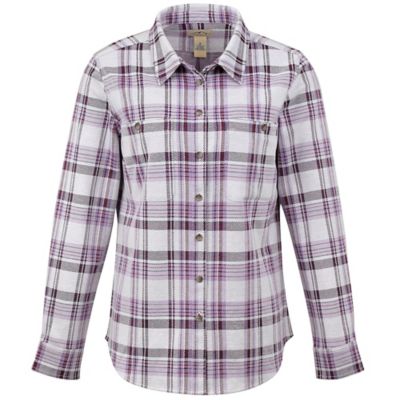
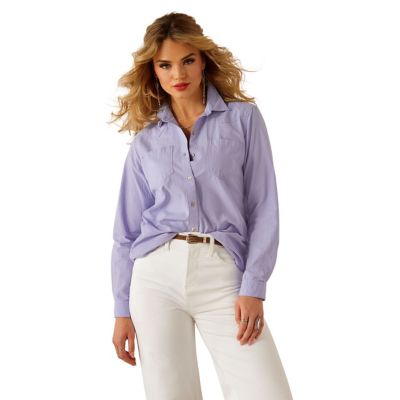
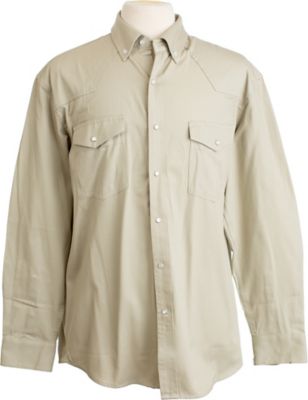
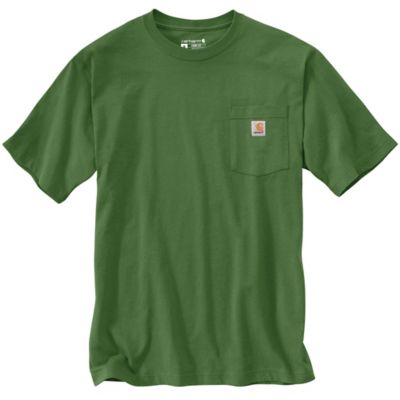
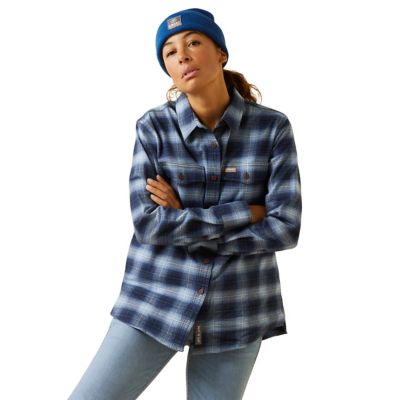
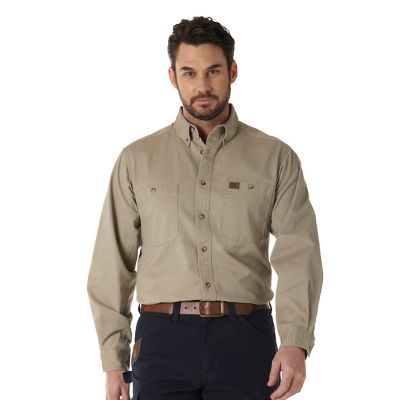
Shirts with pockets for women bring a little extra function to an everyday staple, whether the day involves checking fence lines, heading to the feed store or catching up with friends in town. A chest pocket gives a pen, folded list or pair of reading glasses a place to land without changing the easy feel of a favorite shirt. That small detail can make a difference when both hands are busy carrying a feed scoop or sorting through paperwork at the kitchen table. Pocket tees, button-front shirts and woven work shirts each have their own place in a country wardrobe, with shapes that range from neat and close-fitting to relaxed enough for reaching and bending. A single chest pocket keeps the front simple, while two pockets lend a more work-ready look and provide separate spots for small essentials. Open pockets make things easy to reach; flaps, buttons and snaps add a closure that can help keep contents from slipping out during everyday movement. Pocket placement matters just as much as pocket count. A pocket that sits comfortably on the chest should lie reasonably flat without pulling across the bust, and its opening should be easy to reach without an awkward stretch. A small pocket works well for a short note, but a larger object needs enough depth and support to stay put. Heavy contents can tug on light fabric, so a shirt pocket is generally better suited to a few small necessities than a full load of tools. Beyond function, pockets give a plain shirt some structure and help balance the look of the front. Solid colors keep an outfit straightforward, while plaids, stripes and other patterns offer a little more personality. Worn with jeans, work pants or a casual skirt, a pocket shirt can look right at home through plenty of different parts of the day.
Fabric and fit have a big say in how a women’s pocket shirt feels after several hours of wear. Cotton often has a soft, familiar hand, though its weight and weave can vary quite a bit. A cotton jersey tee stretches through the knit and moves differently from a crisp woven button-front shirt, even when both share the same fiber content. Cotton blends may offer easier wrinkle care or better shape retention, depending on the blend and construction. Fabrics with a little elastane can provide give across the shoulders and through the arms, a helpful feature when reaching for a shelf or leaning across a workbench. Chambray brings a denim-like appearance with a typically lighter feel, while twill has a diagonal weave that gives the fabric some body. Brushed fabrics have a softer surface, and smoother weaves can slide more easily beneath another layer. The right choice depends on whether the shirt is meant for active chores, a workday at a desk or a mix of errands and time around the property. Fit through the shoulders is worth a close look: shoulder seams that pull inward can limit reach, while an overly loose cut may leave extra fabric in the way. On button-front styles, enough room through the bust helps the placket lie flat and keeps the pockets from spreading open. A relaxed fit allows more ease through the body, while a shaped cut follows the waist more closely without necessarily feeling snug. Shirt length also changes how it wears. A longer hem provides more coverage when bending, a curved hem can work tucked or untucked, and side vents may add room around the hips. Sleeve details make a practical difference, too. Adjustable cuffs can sit neatly at the wrist, while roll-tab sleeves offer a way to secure a rolled cuff when the task allows it. Around moving equipment, loose sleeves and dangling shirt tails need particular attention; clothing should follow the equipment’s safety guidance rather than simply feel comfortable.
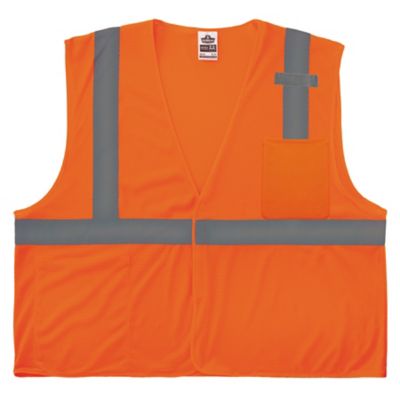
A shirt that earns a regular place in the laundry basket needs construction and care suited to repeat wear. Even stitching, neatly finished seams and reinforcement at pocket corners are useful details to look for because those areas take strain each time a hand reaches inside. Buttons should sit firmly on their threads, and snaps should open without requiring a hard yank on the surrounding fabric. Heavier cloth may stand up well to rubbing against a workbench or fence rail, but weight alone does not tell the whole story; the weave, stitching and intended purpose all play a part. A lightweight pocket tee and a substantial woven work shirt serve different needs, and choosing between them comes down to the job and the feel someone prefers. Care labels are the best starting point for washing and drying, especially with blends, stretch fabrics or finishes that call for particular treatment. Emptying pockets before a wash helps prevent a forgotten pen or paper receipt from making a mess, while treating marks promptly according to the fabric’s care directions can make routine cleanup easier. Giving a woven shirt a quick reshape after laundering and removing it from the dryer as directed can also reduce deep creases around pocket flaps and plackets. For tasks that call for an added layer of visibility, a
Women's Safety Vest With Pockets can complement a pocket shirt; any vest should meet the visibility requirements of the particular job, with room to fit properly over the clothing beneath it. Pocket shirts can also make thoughtful gifts for women who appreciate clothing with a practical purpose, from gardeners and horse owners to teachers and anyone who likes a handy spot for a pen. A familiar size, preferred sleeve length and favorite type of closure are better clues than appearance alone. With the right balance of fabric, movement and pocket design, a simple shirt can become the one that gets reached for again and again.