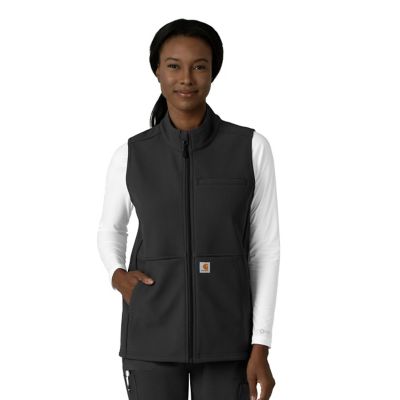
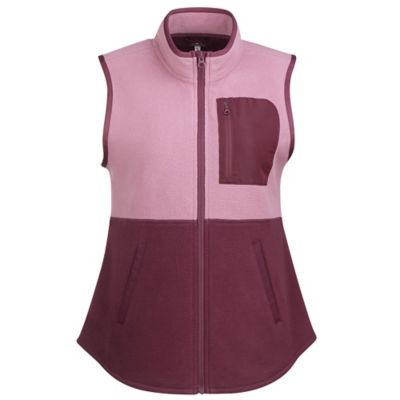
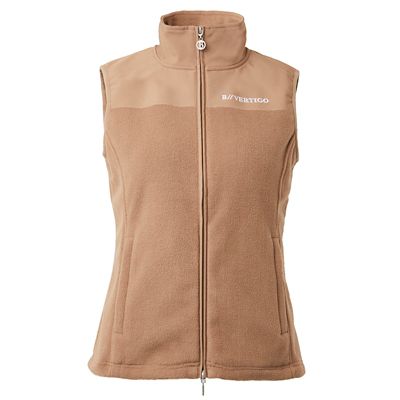
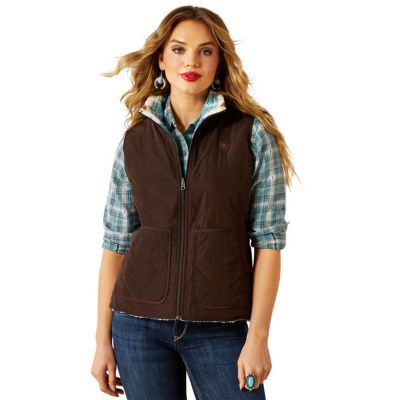
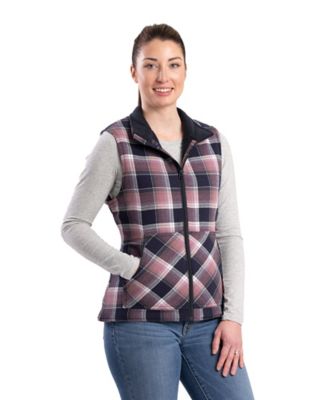
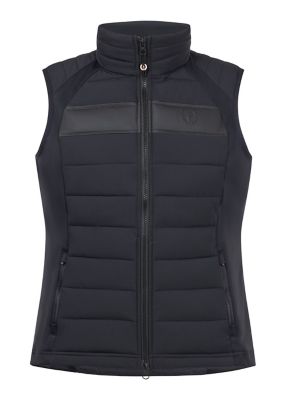
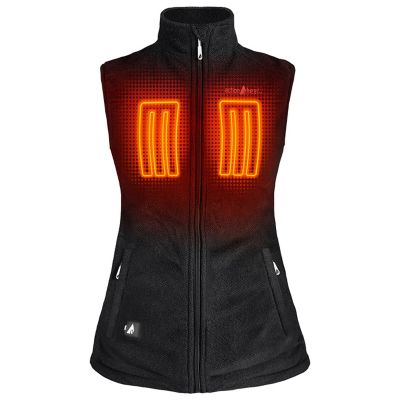
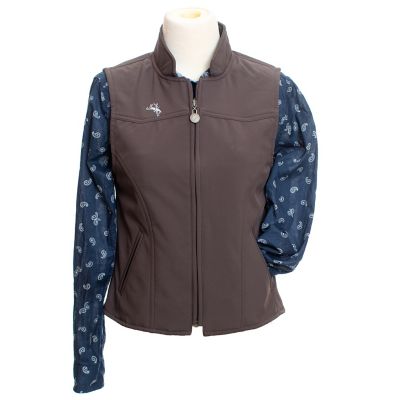
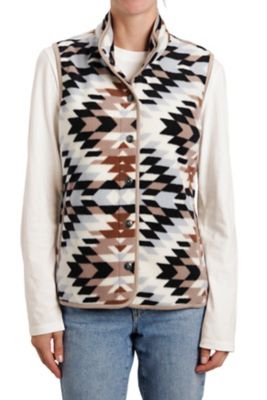
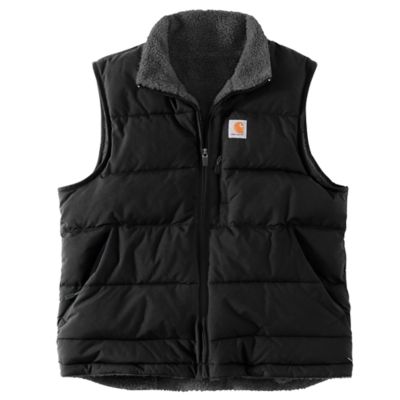
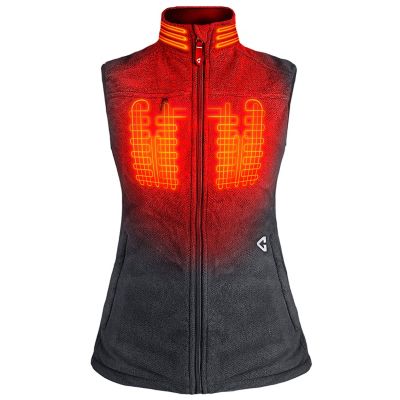
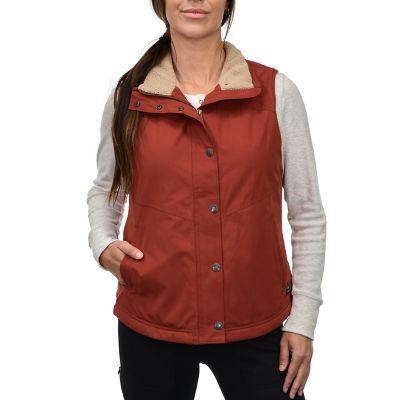
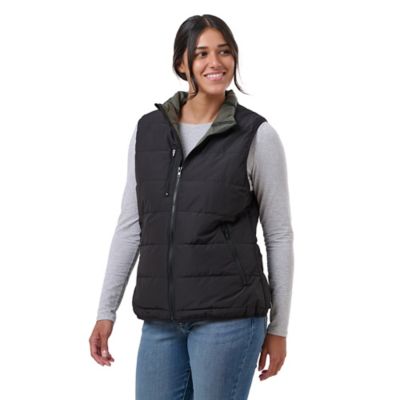
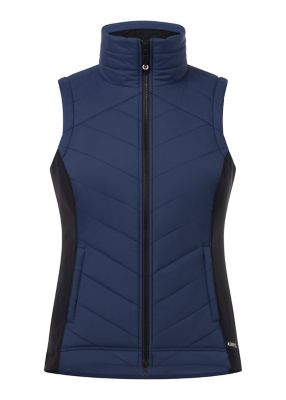
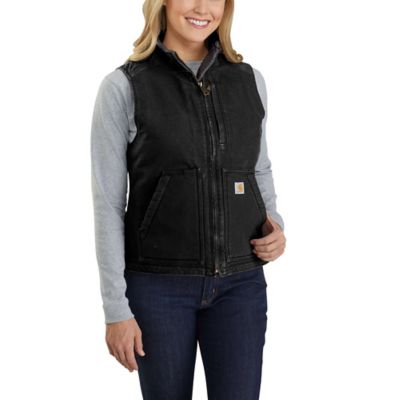
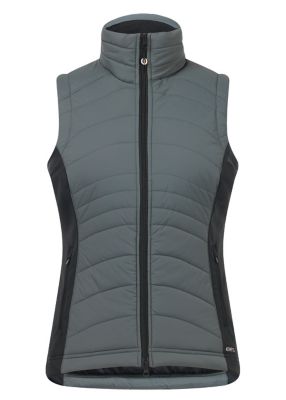
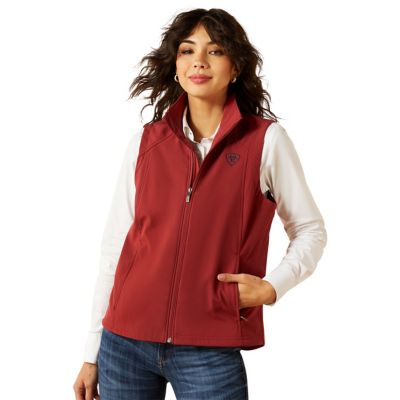
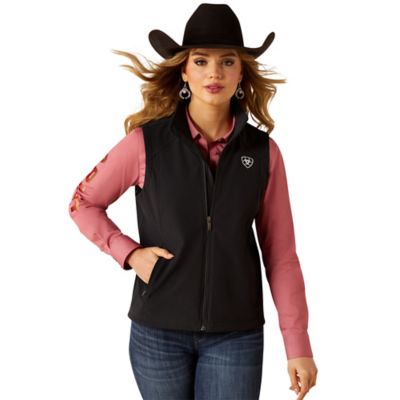
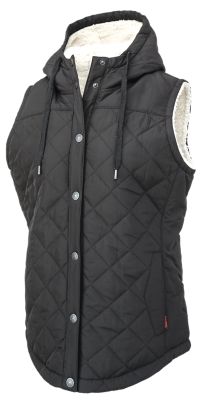
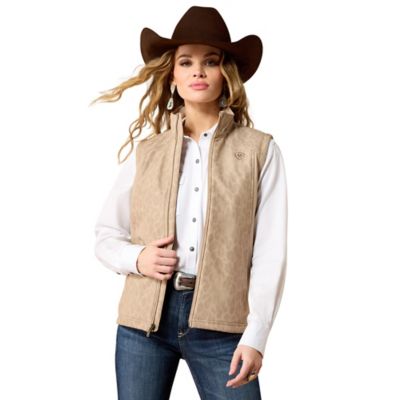
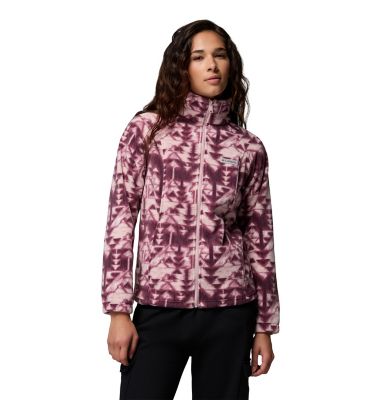
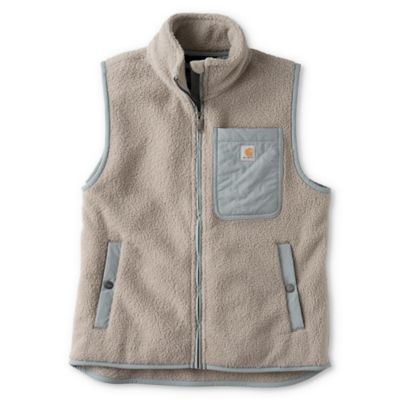
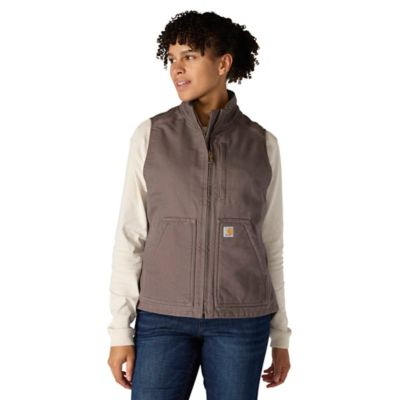
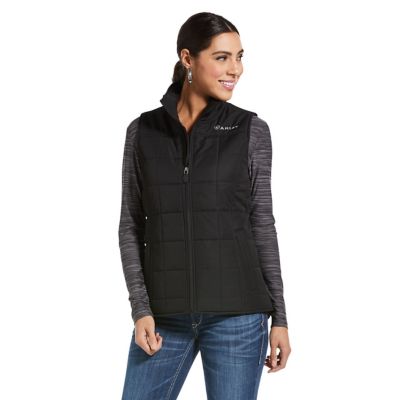
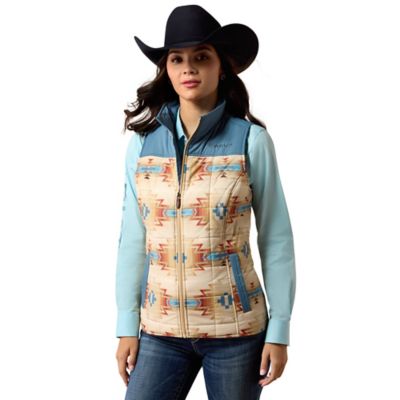
Women’s fleece vests with pockets combine sleeveless warmth with handy storage for everyday essentials. They leave the arms free for carrying a feed bucket, reaching across a workbench or loading groceries into the truck, while adding a soft layer through the chest and back. Pockets give a phone, keys and a pair of gloves a place to ride without tying up a hand. That mix makes a fleece vest a practical layer for chores, walks, errands and time around the house. Polyester is a common fleece material, with a brushed or piled surface that helps hold warmth close to the body. Fabric weight and texture make a difference in how a vest feels: fine microfleece generally has a lighter, less puffy profile, while higher-pile fleece has a fluffier feel and takes up more space beneath another layer. Neither thickness nor softness alone tells the whole story, since fabric construction, lining and fit also affect comfort. Pocket design deserves just as much attention as the fabric. Open hand pockets make it easy to tuck hands away or reach a folded chore list, while zippered pockets help keep small belongings from slipping out when bending to latch a gate. An inside pocket can separate a phone from keys, depending on the layout. Pocket depth and placement matter, too. A shallow opening may leave part of a phone exposed, and a pocket that sits too far toward the back can be awkward to reach. Smooth pocket linings feel comfortable against bare hands, while secure stitching around the openings helps those frequently handled areas stand up to regular wear. Fleece offers warmth rather than complete protection from the elements; an unlined fleece vest generally allows more air through than a wind-blocking outer layer. Its strength is easy layering and freedom of movement, with storage close at hand.
The right fit gives a women’s fleece vest enough room for the clothing underneath without leaving excess fabric bunching around the middle. A vest worn over a T-shirt has different space needs than one pulled over a flannel shirt or sweatshirt, so the intended layers help determine how the garment should sit. Through the shoulders, a comfortable shape rests flat rather than pulling toward the neck or sliding outward. Armholes need enough clearance for reaching, lifting and steering without rubbing under the arms, but an overly large opening can leave a loose fold beneath a jacket. Across the bust and hips, the zipper should lie reasonably flat instead of bowing or pulling the front panels tight. These details matter across the size range, including
plus size women’s fleece vests, where garment measurements and the cut through the torso are more helpful than a size label alone. A shaped silhouette follows the waist more closely, while a straighter cut leaves a little more room for layering and movement. Length changes the feel as well. A shorter hem may sit comfortably above a tool belt, while a longer hem can provide more coverage when leaning over a raised bed or reaching into the back seat. Side vents or a curved hem, when part of the design, can make sitting and bending easier. Full-front zippers allow the vest to open completely, and a stand collar adds coverage around the neck without requiring a hood. A soft zipper guard at the chin can help keep hardware from rubbing. Pocket placement also affects fit: a phone or set of keys adds weight, so the vest should still hang comfortably when those pockets are carrying the usual daily essentials. For someone moving between chores and a trip to town, a simple shape that layers neatly over a familiar shirt often earns plenty of wear.
Construction and care help determine how a fleece vest holds up to that routine. Even seams, firmly attached zipper components and reinforcement at pocket corners are useful details in areas that see repeated pulling and movement. Bound edges can help armholes and hems keep their shape, while a smooth inner surface makes the vest easier to pull over a long-sleeve shirt. Fleece can develop pilling where surfaces rub together, especially beneath bag straps or along the sides, and regular friction may gradually change its appearance. A fabric shaver may help with surface pills if the garment’s care guidance allows it, but gentle handling matters around seams and lightweight fabric. Washing instructions vary by material and construction, so the care label takes priority over a general routine. Many polyester fleece garments call for a cool machine wash and low heat or air drying. Empty pockets before washing, close zippers and keep rough fasteners from catching against the fleece. Separating the vest from lint-shedding fabrics can help keep the surface tidy, and avoiding excess heat helps protect its shape and texture. Prompt attention to a loose thread or small seam opening can keep a minor repair from becoming a larger one. For everyday wear, pocket contents deserve a little restraint as well; heavy tools can pull on the fabric and stretch pocket openings. A phone, gloves and a few small essentials are better suited to the job than a full load of hardware. A fleece vest with pockets can also make a thoughtful gift for someone who spends time tending animals, walking the property or working in the garden. Knowing the recipient’s usual size, preferred layers and pocket habits makes the choice more personal. Whether it hangs beside the back door or rides along in the truck, a comfortable fleece vest earns its place by being easy to pull on, easy to move in and handy throughout an ordinary day.