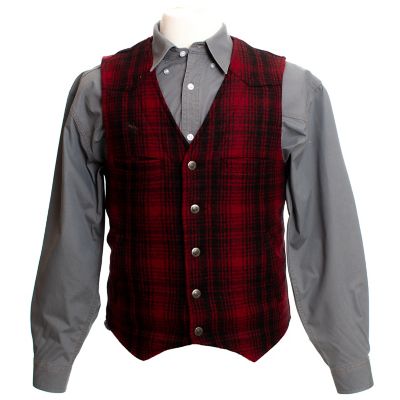
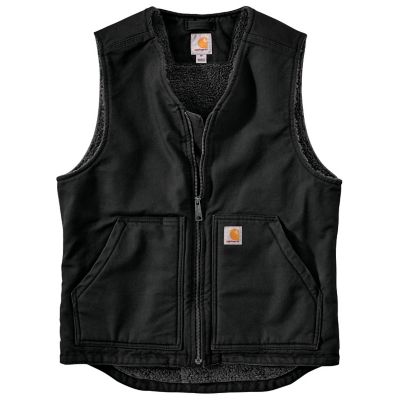
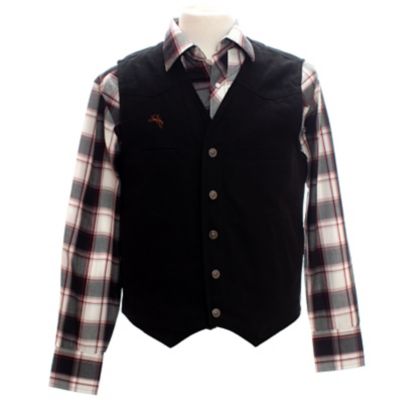
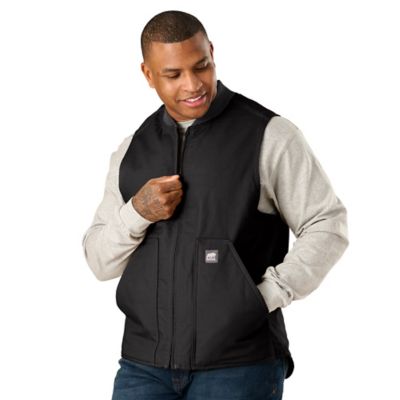
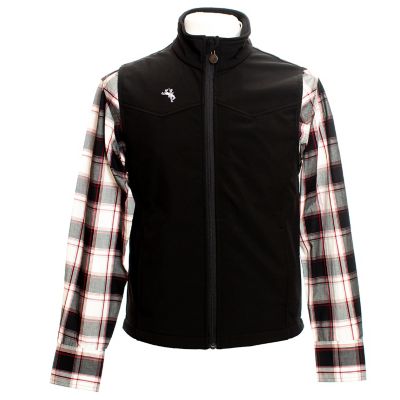
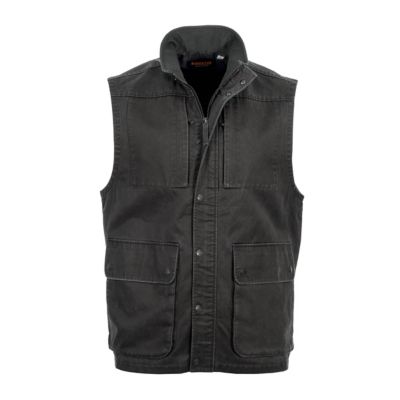
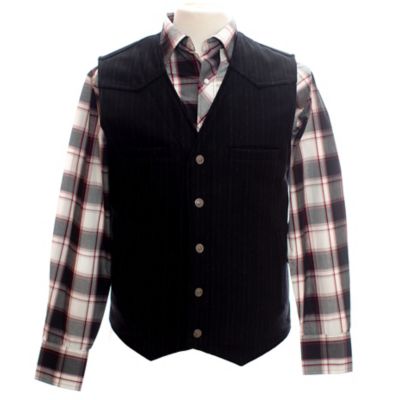
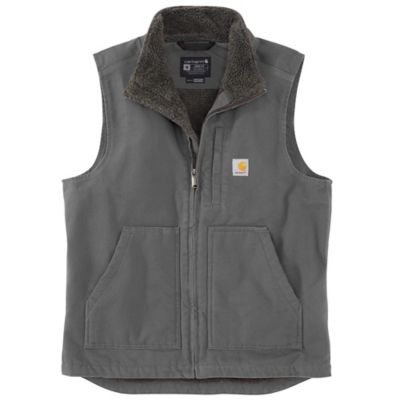
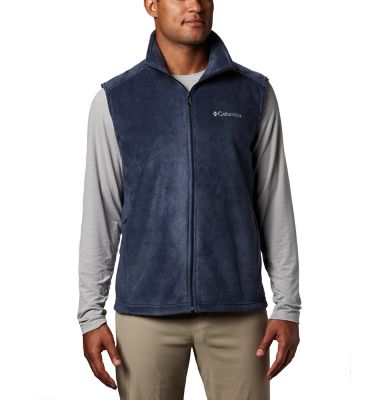
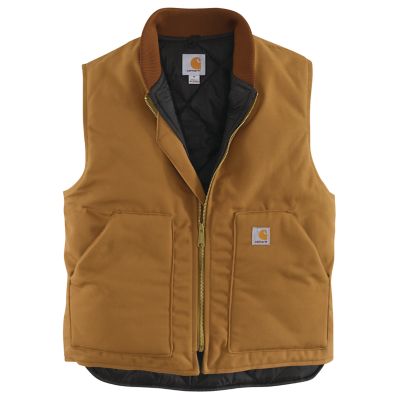
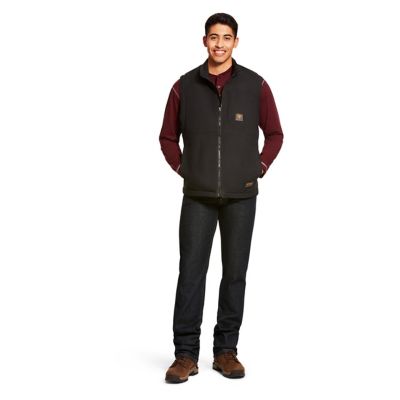
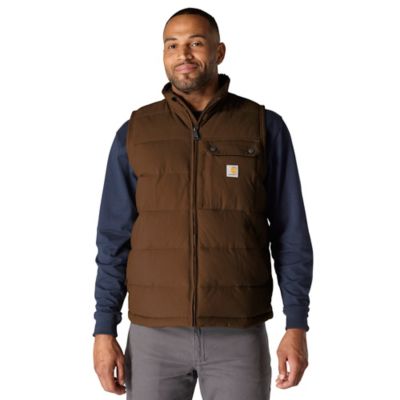
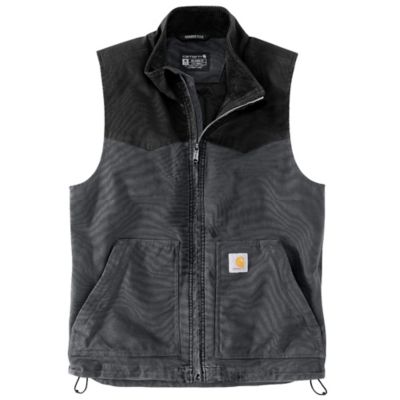
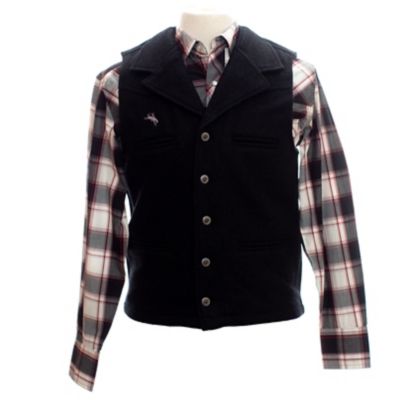
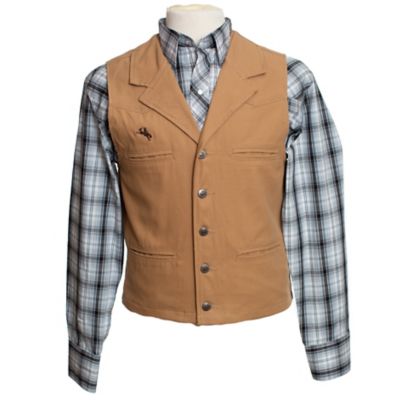
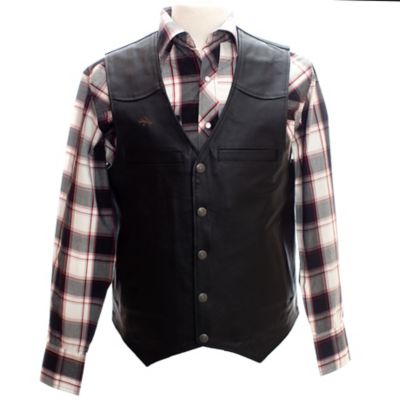
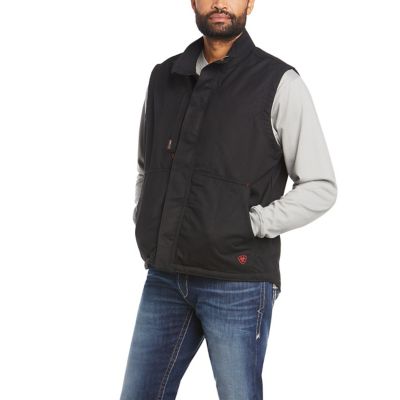
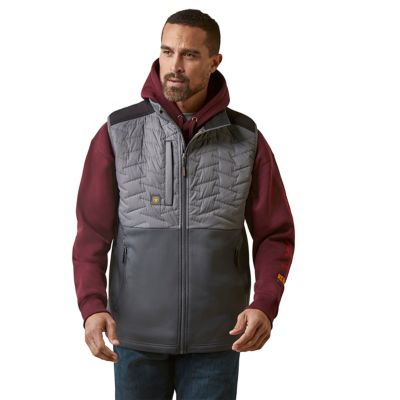
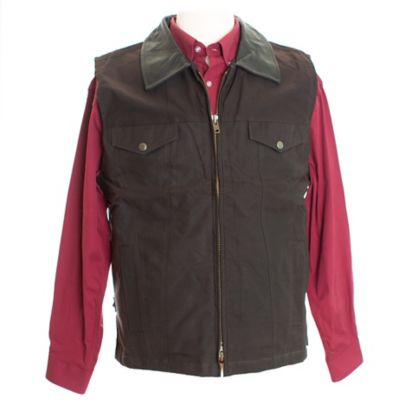
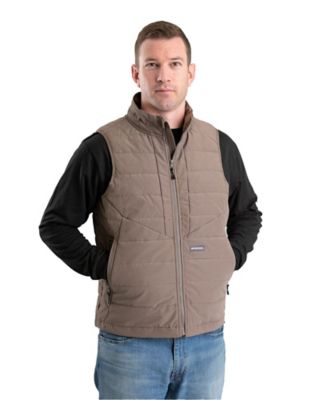
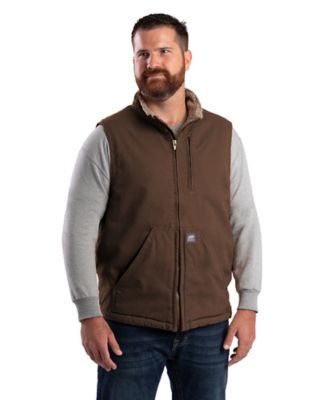
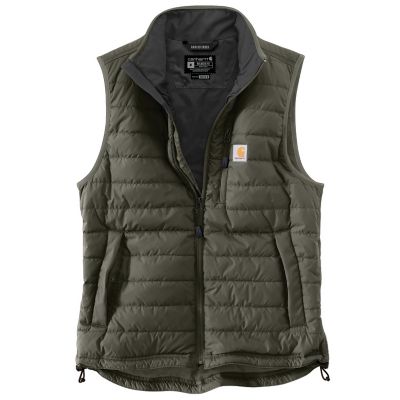
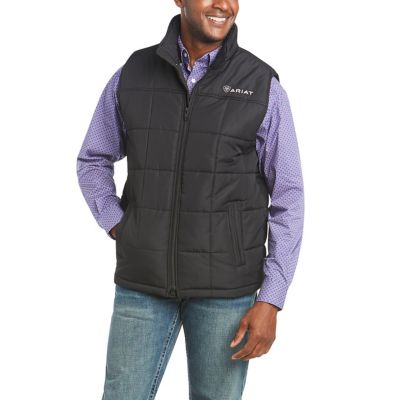
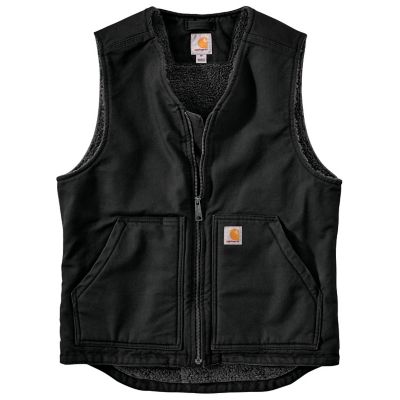
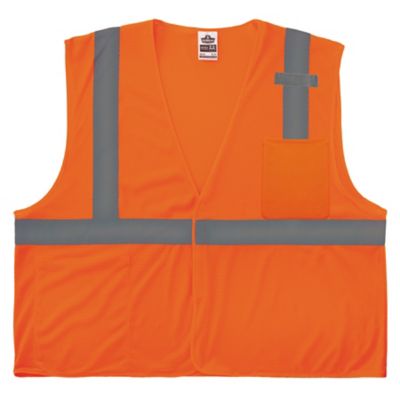
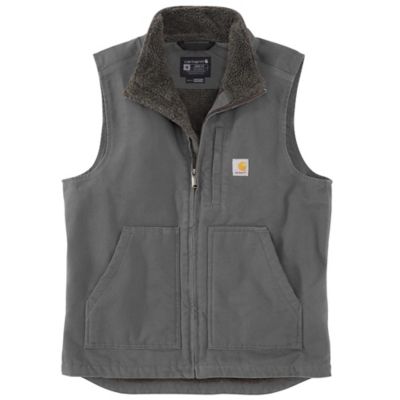
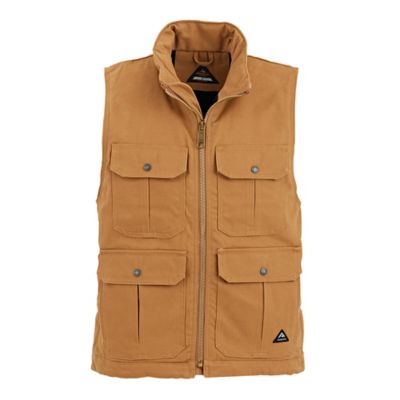
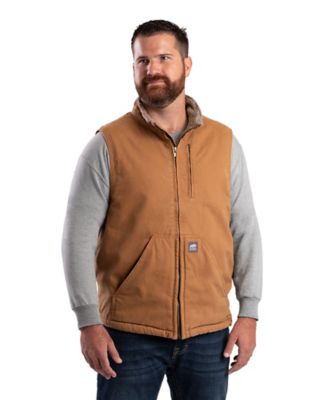
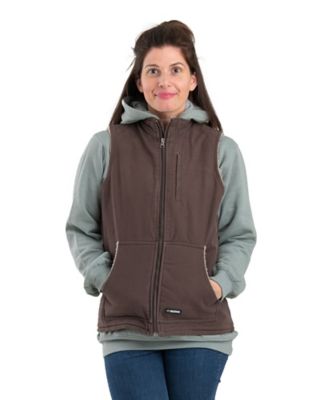
Men's work vests with pockets are sleeveless work layers that keep everyday essentials close while leaving the arms free for reaching, lifting, and handling tools. Around a farm, shop, or jobsite, that combination makes sense for tasks that involve moving between a workbench, a truck, and the next repair. A fence repair might call for pliers, a pencil, and a small notebook; a day in the shop might mean keeping a phone and measuring tape within reach. Pocket layout matters as much as pocket count. Deep lower pockets can hold larger belongings, while smaller chest compartments help separate a pen from a phone or keep a carpenter's pencil from settling beneath everything else. Bellows pockets have folded sides that expand to accommodate more contents without requiring an oversized vest. Zippered pockets offer enclosed storage, and snap or hook-and-loop closures can make access straightforward between tasks. Interior pockets provide another place for personal belongings, though their size and closure style determine what fits comfortably. A phone pocket should have enough room for the phone and its protective case, not just the bare device. Open hand pockets are easy to reach, but loose contents can shift when the wearer bends over a gate hinge or crouches beside equipment. Pocket placement also affects comfort: a heavily loaded chest pocket can pull on the front of the vest, while a large tool in a lower pocket may press against the thigh when seated. Keeping weight balanced helps the garment hang more naturally. For small fasteners, a closed container inside a suitable pocket keeps loose pieces together better than dropping them directly into the lining. The most practical storage arrangement matches the work rather than simply adding compartments. A rancher checking fence lines, a carpenter taking measurements, and a mechanic moving around a service bay may all favor pocketed work vests, but each has different needs for compartment size, access, and freedom of movement. Secure pockets for personal belongings can leave the more accessible spaces free for the tools needed most often.
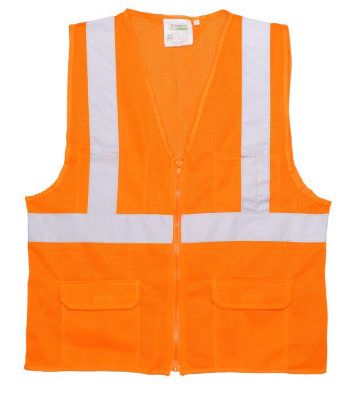
Fabric and construction shape how a work vest feels and how it stands up to repeated wear. Cotton duck and canvas have a firm, substantial feel that suits chores involving contact with rough lumber, fence posts, and workbench edges. Cotton can also soften with washing and wear, although the fabric weight and finish affect that change. Ripstop fabric has a reinforcing grid woven into it to help limit the spread of small tears; it does not make a garment tear-proof. Cotton-nylon and other blended fabrics can balance a familiar fabric feel with abrasion resistance, while lighter synthetic shells may reduce the weight of the garment. Fabric names alone do not tell the whole story, since weave, thickness, seams, and finishing all contribute to performance. Unlined designs keep the construction simple and reduce extra material between the wearer and a work shirt. Smooth linings can help a vest slide over another layer without catching at the shoulders, while mesh linings or back panels allow more airflow during active work. Padded and insulated designs have a fuller feel, so their fit needs to account for that extra thickness. Reinforced pocket openings deserve attention because those edges get tugged every time a hand reaches for a tool. Bar tacks at stress points and securely stitched seams help support areas that take repeated pulling. A sturdy front closure should operate smoothly without requiring a hard tug, and a zipper guard can keep the closure from rubbing directly against the shirt beneath it. Pocket hardware matters, too: snaps should stay closed during ordinary movement, and hook-and-loop tabs work best when their surfaces remain clear of lint and debris. A longer back hem can provide coverage while bending, whereas a shorter cut may sit more comfortably above a tool belt. Work vests are everyday clothing, not automatic substitutes for task-specific protective equipment. Flame resistance, high-visibility compliance, and other protective claims require the appropriate garment rating; neither a tough-looking fabric nor reflective trim establishes those protections on its own.
Fit makes the difference between a vest that carries well and one that gets in the way. A men's work vest with pockets should leave room for the shirt or other work layer underneath without hanging so loosely that the front swings into the task. Chest measurements are a useful starting point, but shoulder width, armhole shape, and garment length matter just as much. Arm openings need enough space for reaching overhead and extending both arms forward without the vest pulling tightly across the upper back. A comfortable neckline should sit clear of the throat when the front is fastened. The hem should allow bending and squatting, and the lower pockets should remain accessible when sitting in a truck seat. Loading a few everyday belongings into the pockets can reveal fit issues that an empty garment hides, such as a front panel that sags or a pocket that presses against the hip. Adjustable side tabs or hems can help fine-tune the shape when included in the design, but they should not compensate for a chest or shoulder fit that is too tight. Care depends on the shell, lining, insulation, and hardware, so the garment's care label takes priority over a general routine. Empty every compartment before cleaning, including narrow pencil slots where small objects can linger. Fasten closures as directed, address stains promptly with a fabric-appropriate treatment, and follow the stated washing and drying instructions. Cotton-rich fabrics may shrink if care directions are ignored, while excessive dryer heat can affect certain synthetic materials or trims. Keeping pocket corners free of grit and checking seams for loose threads can help catch small problems before they spread. For farmers, tradespeople, property owners, and anyone who spends time fixing rather than sitting, a pocketed vest can become a regular part of the workday. It can also make a practical gift when the recipient's measurements and usual tasks are known. The
Workwear Vest category provides a broader look at sleeveless work layers, with pocket arrangement, fabric, and fit remaining the details that matter most for the job.