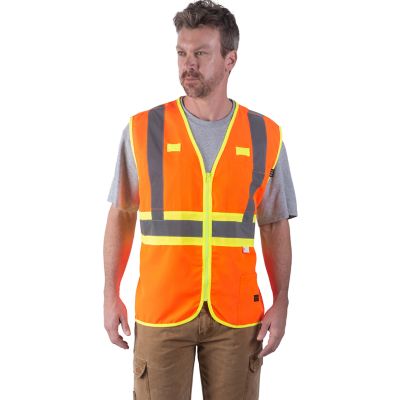
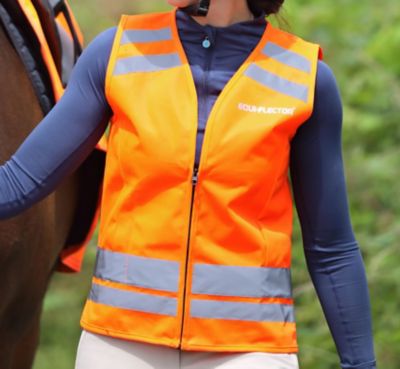
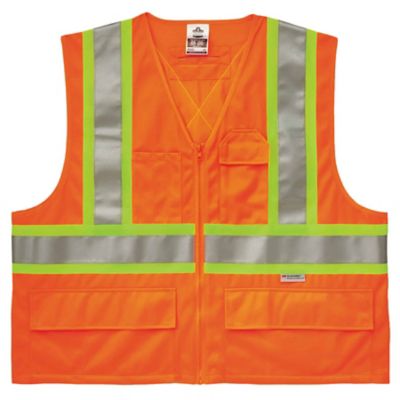
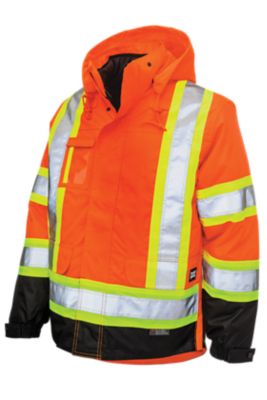
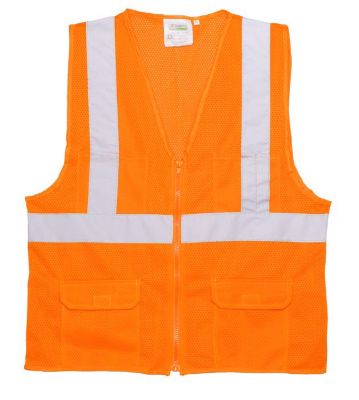
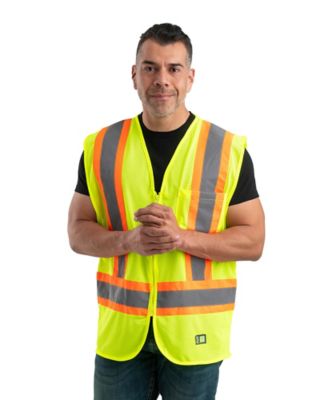
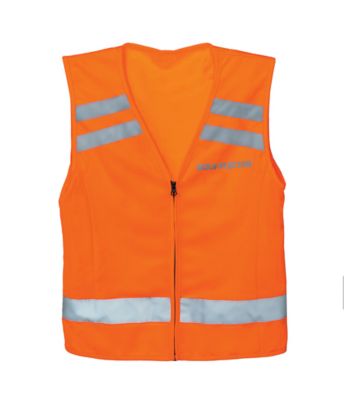
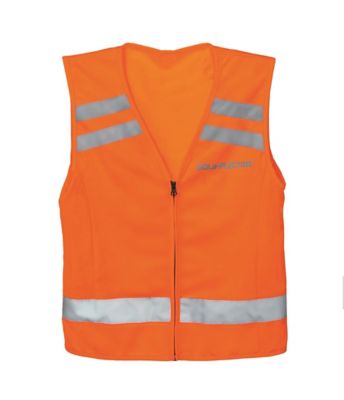
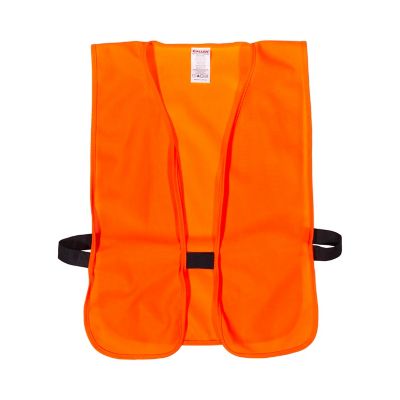
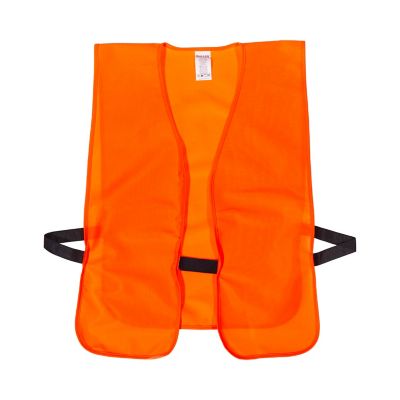
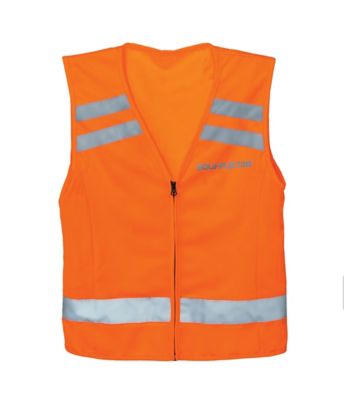
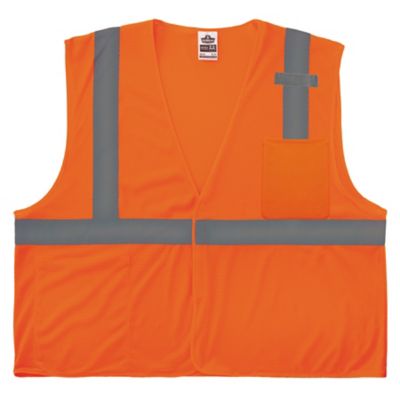
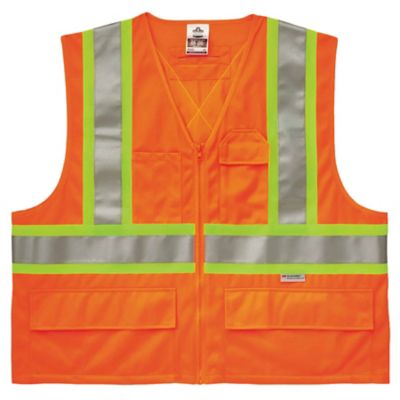
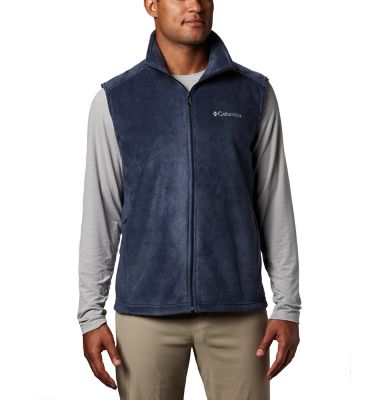
An orange safety vest with zipper and pockets is a practical layer for people who need to stand out while they work, walk, or manage activity around vehicles and equipment. The bright orange color helps make the wearer easier to spot against fields, gravel, pavement, brush, and changing light, while reflective bands can help catch headlights during dawn, dusk, nighttime, or overcast conditions. A front zipper keeps the vest closed and in place as you bend, climb, reach, or move around a jobsite, and pockets give you a handy place for a phone, marker, small measuring tape, gloves, keys, or other items you need close at hand. These vests are commonly used by construction crews, road and utility workers, surveyors, warehouse teams, crossing guards, farm and ranch workers, event staff, parking attendants, and volunteers helping direct traffic or equipment. They can also be useful for hunters and outdoor workers who need high visibility in areas where other people, trucks, tractors, or off-road vehicles may be moving nearby. If you are comparing an orange safety vest with zipper and pockets, start with the work setting and the amount of visibility required. Some jobs call for an ANSI/ISEA-rated garment, often Class 2 or Class 3, so check workplace rules, local requirements, and the vest label before buying. Class 2 garments are commonly used where workers face traffic or equipment moving at moderate speeds, while Class 3 garments generally provide more coverage and visibility for higher-risk conditions or low-light work. A vest should fit comfortably over the clothing you normally wear without hanging loose enough to snag on tools, branches, or machinery. Adjustable sides or a range of sizes can make it easier to layer over a sweatshirt or jacket during cooler weather.
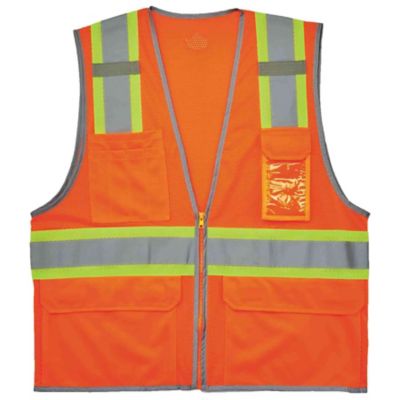
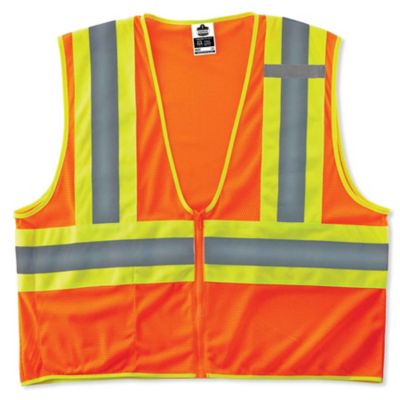
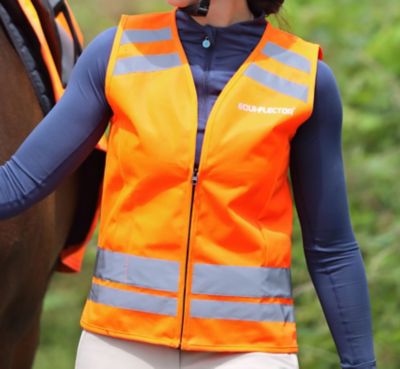
Material makes a noticeable difference when you are wearing a vest for several hours. Lightweight polyester mesh allows air to move through and can be a good choice for warm work, active chores, indoor facilities, or days when you are moving steadily from one task to the next. Solid fabric may offer a little more coverage from wind, light brush, or dust, and it can work well as an outer layer during cooler conditions. Reflective tape is another important detail; look for bands arranged across the front, back, and shoulders so the vest provides visibility from more than one direction. Wide silver or reflective strips are often used to create a clearer outline when light hits the garment. A zipper should open and close smoothly and remain secure while you work, especially when the vest is worn over thicker layers. Pockets are most useful when they match the way you work. Chest pockets may hold a phone, pen, inspection card, or small notepad, while lower pockets can carry work gloves, a tape measure, zip ties, or hand tools. Pencil slots, badge windows, mic tabs, and interior pockets may be helpful for crews, supervisors, delivery workers, and survey teams who need to keep identification or communication equipment accessible. Avoid overloading the pockets, since excess weight can pull the vest out of place and make the reflective sections less visible. For farm and property work, a vest can be especially useful when checking fences near a roadway, repairing gates, clearing storm debris, directing deliveries, or working around a tractor during the cooler months. A high-visibility vest can also be a thoughtful gift for a new homeowner, volunteer, school crossing helper, roadside worker, or family member who spends time maintaining acreage. Pairing one with gloves, a flashlight, hearing protection, or other practical work gear can make a useful safety-minded gift without adding much bulk to a toolbox or truck cab.
Before choosing your vest, consider how often it will be worn, what will be underneath it, and how much storage you truly need. A simple mesh style may be easy to fold into a service truck, utility cart, ATV storage box, or emergency kit, while a vest with several pockets may be better for someone who uses it as part of a daily work uniform. Check the sizing chart and measure over the shirt, sweatshirt, or jacket you expect to wear beneath it. The arm openings should allow comfortable movement, and the bottom edge should stay clear of belts, tool bags, and seatbelts. Bright orange safety apparel should not replace good work habits, lighting, cones, signs, or established traffic-control procedures, but it can add an important layer of visibility when used as part of a broader safety plan. Keep the vest clean enough that the orange fabric and reflective tape remain easy to see. Follow the care instructions, use mild detergent when recommended, and avoid ironing or treating reflective areas with harsh chemicals. Hang the vest to dry when possible, and inspect the zipper, stitching, pockets, and reflective tape before each stretch of roadside, construction, agricultural, or outdoor work. Replace it when the color has faded, the reflective material is peeling or badly worn, or damage keeps the vest from fitting securely. For people who need another high-visibility option for work or outdoor tasks, a
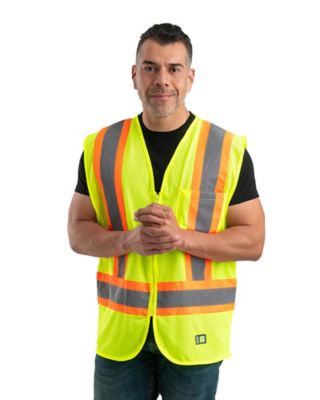
Neon Safety Vest can offer a similar bright layer in a different color. With the right fit, dependable closure, useful pocket layout, and visibility suited to the work environment, an orange safety vest can earn a regular place beside the boots, gloves, and other gear that help keep a busy day moving safely.