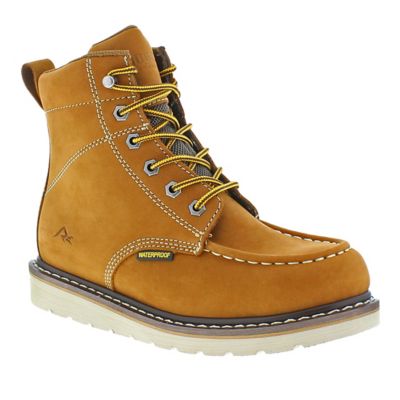
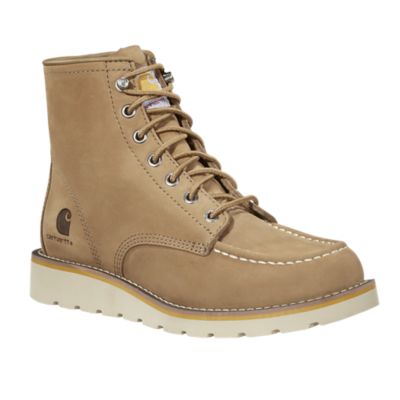
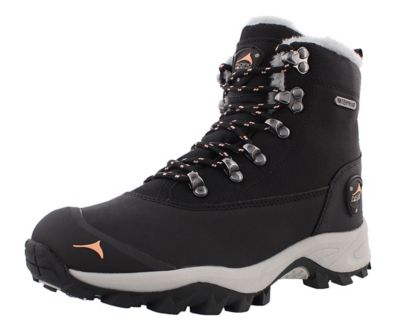
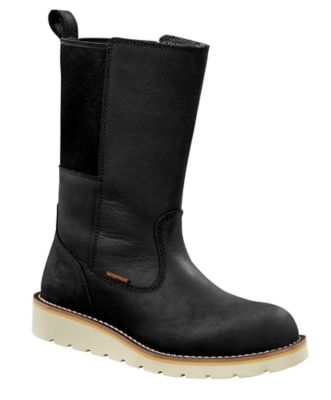
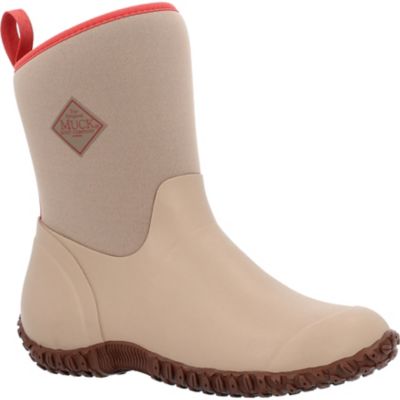
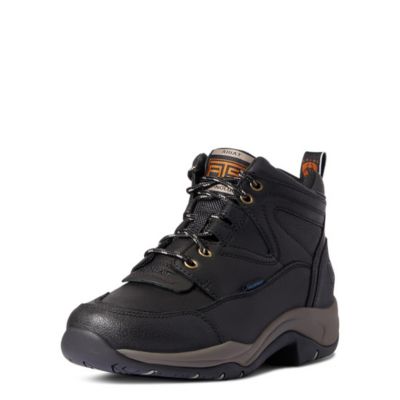
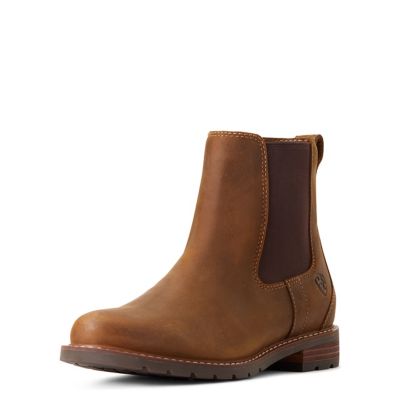
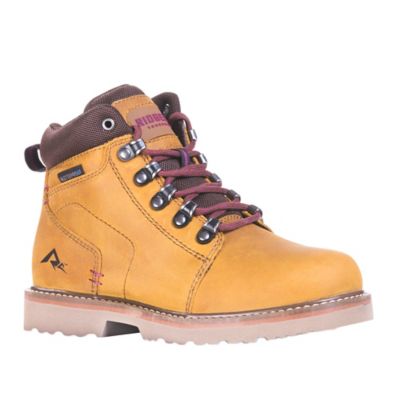
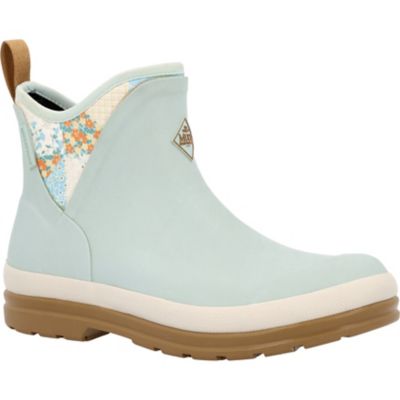
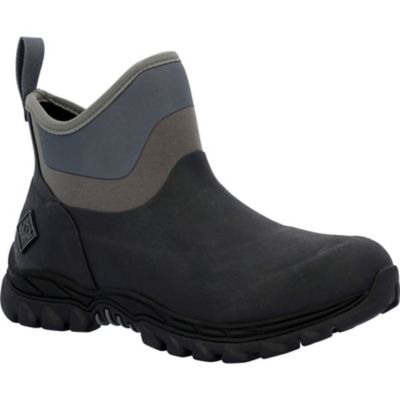
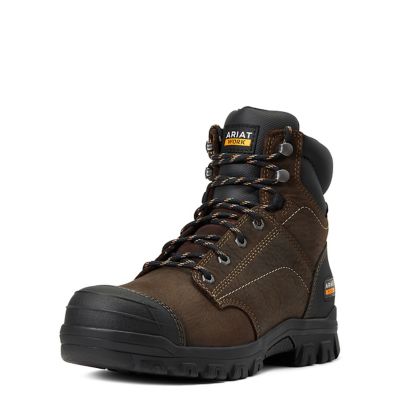
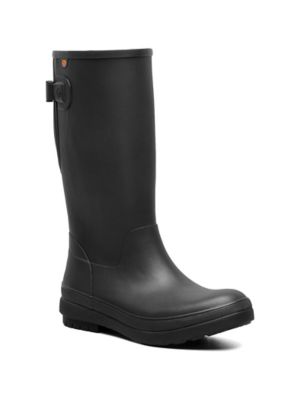
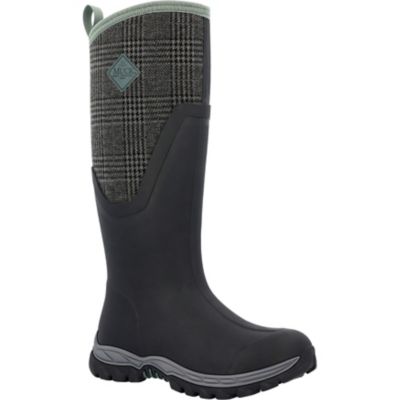
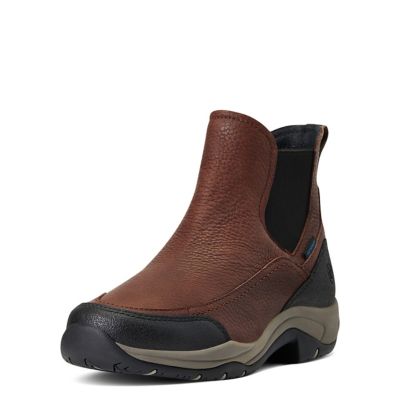
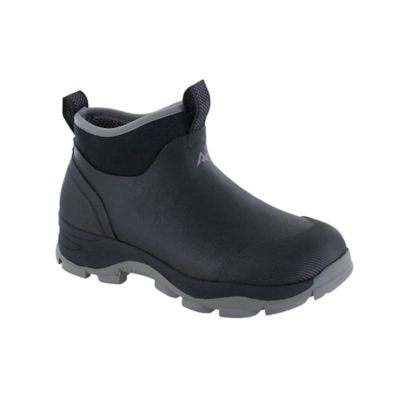
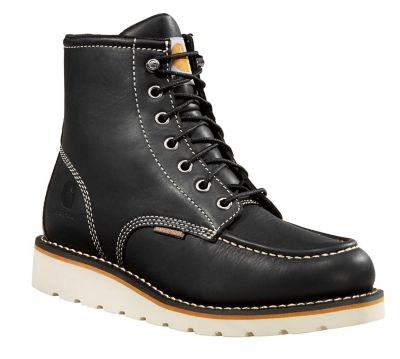
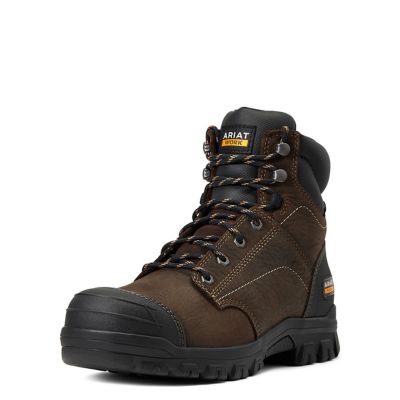
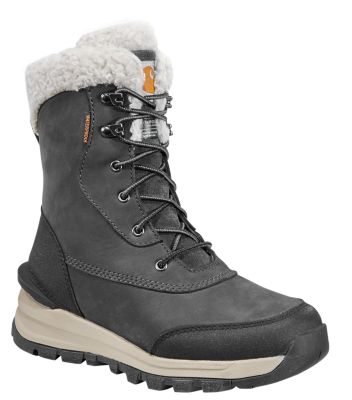
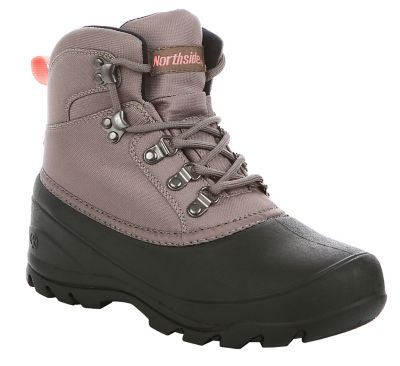
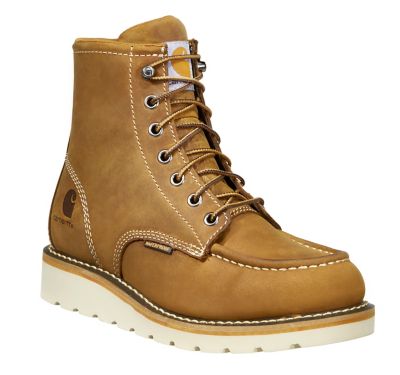
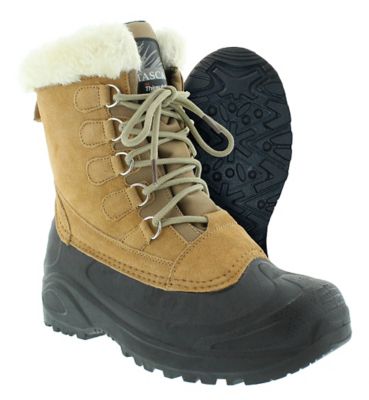
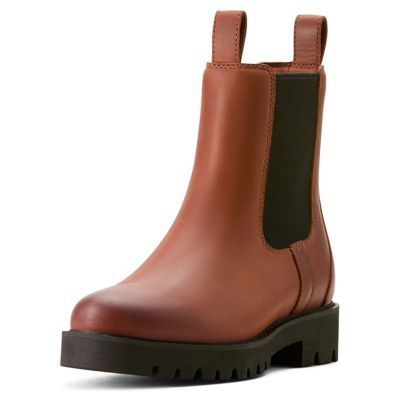
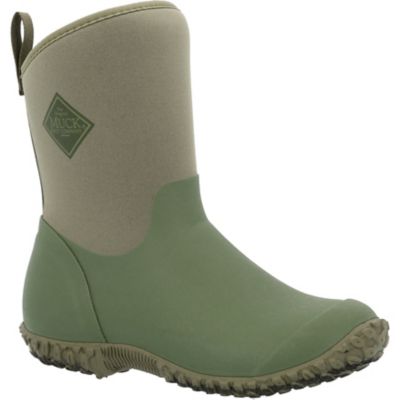
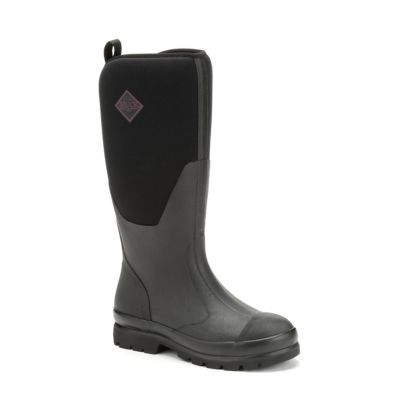
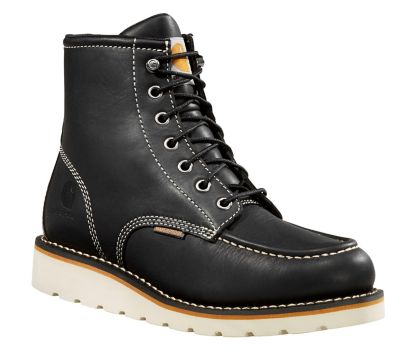
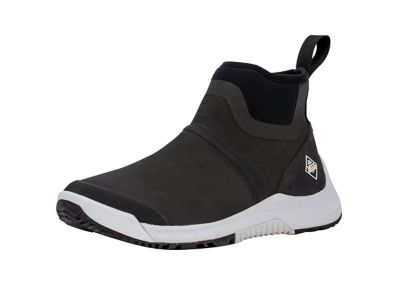
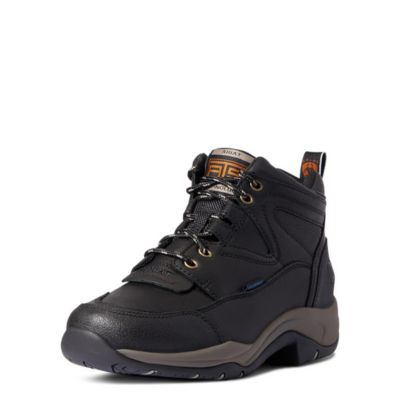
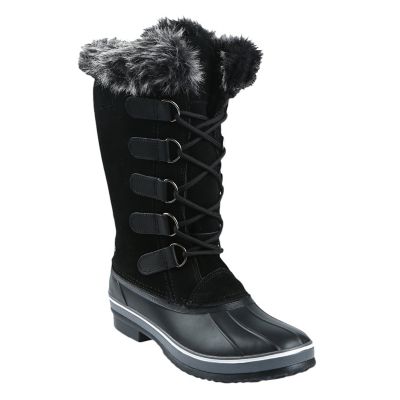
Women’s waterproof lace-up boots bring wet-weather protection and an adjustable fit to days that don’t stop for a little rain. From crossing a dew-soaked pasture to walking the gravel lane after a downpour, these boots help keep outside moisture away from feet while giving wearers room to adjust the laces across the instep and around the ankle. That combination makes them a practical choice for women tending livestock, working outdoors, walking wooded trails, or heading into town when puddles cover the parking lot. Waterproof construction can take several forms, including treated leather paired with a waterproof membrane, sealed seams, or a molded lower section that limits places where water can enter. A water-resistant upper alone isn’t the same as a waterproof boot; the lining, seams, and tongue construction all play a part in keeping feet dry. A gusseted tongue connects to the sides of the boot and helps block splashes and loose grit, though protection only extends as high as that connection and the boot’s waterproof construction. Water can still get in over the collar, so shaft height matters when the route includes standing water or slushy ground. Full-grain leather offers a substantial feel and can soften with wear, while leather-and-textile combinations may provide more flex and less weight. Rubber lower sections can make muddy cleanup simpler, particularly around the toe and heel. Taller shafts offer more coverage above the ankle, while shorter profiles can feel less restrictive for walking and everyday errands. Depending on the design, padded collars, cushioned footbeds, and flexible forefoot sections add comfort when a quick trip to the shed turns into an afternoon of chores. Earthy browns, black, and other easygoing shades work well with jeans and work pants, giving waterproof lace-up footwear a place beyond the muddy edge of the yard. The best match comes down to how much weather protection, coverage, and underfoot structure the day calls for.
Fit makes a noticeable difference in women’s waterproof lace-up boots, especially when the same pair needs to handle uneven ground, steps, and long stretches on foot. Laces allow a closer hold at the heel without squeezing the toes, and different eyelet and hook arrangements affect how easily that tension can be adjusted. A comfortable fit leaves room to wiggle the toes, keeps the heel from lifting excessively, and holds the foot steady without pressure across the top. Trying boots with the socks intended for everyday wear gives a better sense of the space inside; a thick cold-weather sock can change the fit considerably compared with a thin pair. Feet also tend to swell through the day, making a later fitting helpful. On downhill paths or sloped barn approaches, toes shouldn’t press into the front of the boot. Cushioning can soften repeated steps on packed ground, while a supportive midsole or shank can help distribute pressure and steady the boot underfoot. Removable footbeds may leave room for compatible inserts, but that extra layer shouldn’t crowd the toes or raise the heel too far. For cooler conditions, insulated waterproof boots add warmth, while uninsulated styles can make more sense for active chores or frequent trips between heated spaces and the outdoors. Insulation weights describe the amount of insulating material, not a guaranteed temperature rating; comfort also depends on activity, socks, circulation, and exposure. Breathable waterproof linings can help water vapor escape, but no lining eliminates sweat, especially during hard work. Moisture-wicking socks and a chance for boots to dry between outings help manage that inside moisture. Women covering longer distances may also appreciate less weight underfoot, making
Womens Lightweight Waterproof Boots a related option for comparing lighter designs. A lighter boot may feel easier through a full day of walking, while a more substantial construction may suit rough ground or work that calls for added structure.
Outsole design and construction help separate an everyday waterproof lace-up boot from one better suited to demanding outdoor work. Widely spaced lugs can shed mud more readily than closely packed tread, while deeper tread can find purchase on loose soil and uneven trails. Rubber compounds vary, and a tread pattern that works well in soft ground may perform differently on a wet concrete aisle or smooth porch steps. No outsole guarantees footing on ice, so frozen surfaces still call for care and, where appropriate, compatible traction aids. Women working around equipment or in settings with footwear requirements should check the stated safety features rather than assume a waterproof work-style boot includes a protective toe or electrical hazard protection. Toe and heel reinforcements can help resist scuffing from kneeling, kicking through brush, and repeated contact with rough surfaces, while secure stitching and firmly attached soles support long-term wear. Lace hardware deserves attention, too: smooth eyelets and solid hooks help laces pull evenly without unnecessary abrasion. After a muddy day, brushing away loose dirt and wiping the uppers with a damp cloth keeps grit from settling into seams and flex points. Leather benefits from care products recommended for its finish and waterproof construction, since an unsuitable treatment can affect appearance or breathability. Boots should dry at room temperature away from direct heaters and hot stoves, which can dry out leather and stress adhesives. Loosening the laces, opening the tongue, and removing removable footbeds helps air reach damp areas inside. Packed tread also needs cleaning so the outsole can make better contact with the ground on the next outing. These small habits help preserve flexibility, comfort, and wet-weather performance through repeated wear. For someone who spends plenty of time outdoors, waterproof lace-up boots can make a thoughtful gift when size, width, and intended use are known. Whether the routine involves feeding animals before daylight, taking the long way around the property, or tackling errands in steady drizzle, the right pair brings together practical protection, a settled fit, and comfort that suits the work ahead.