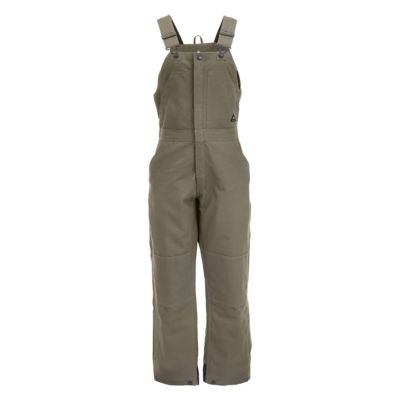
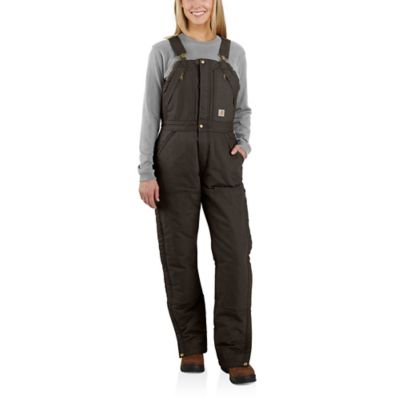
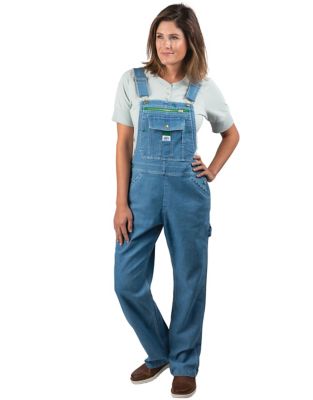
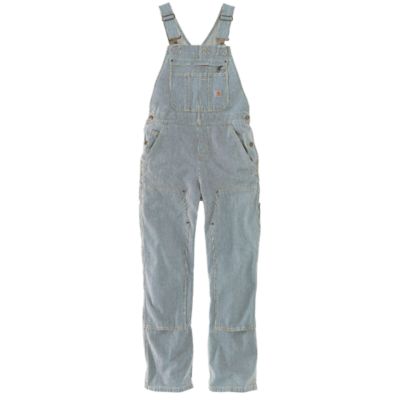
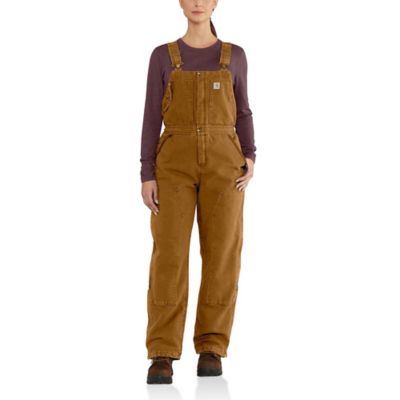
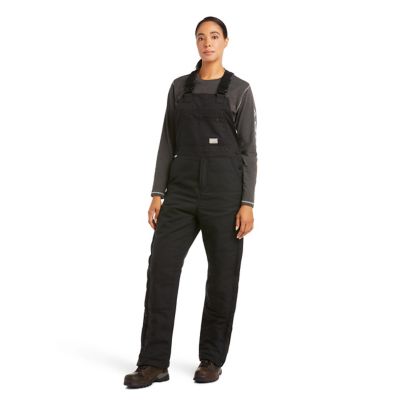
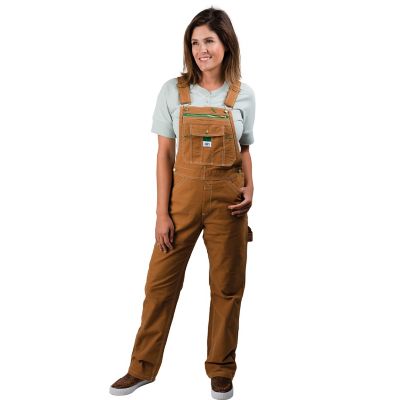
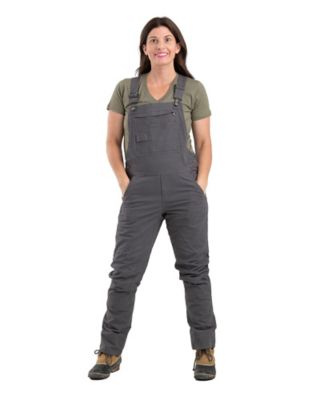
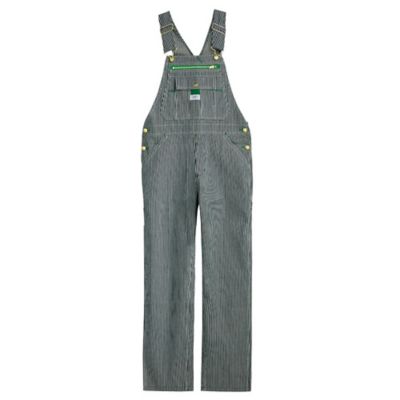
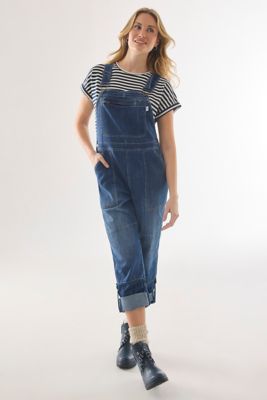
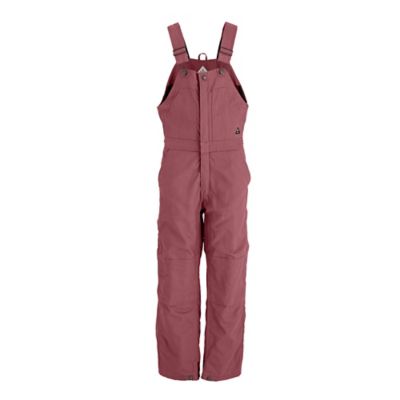
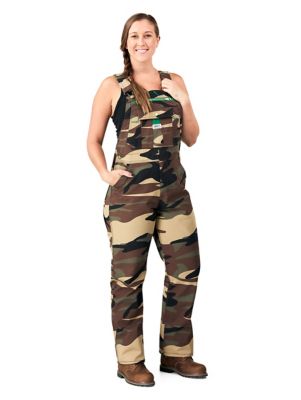
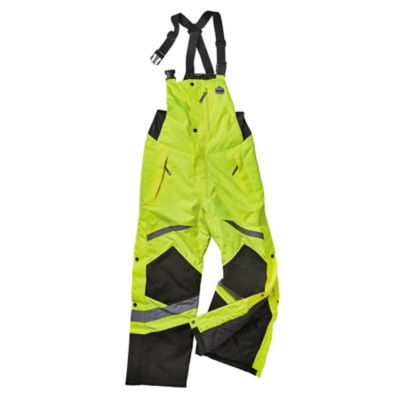
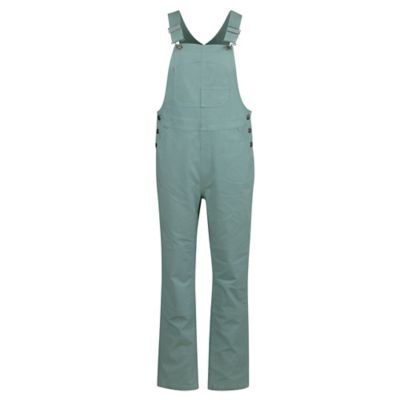
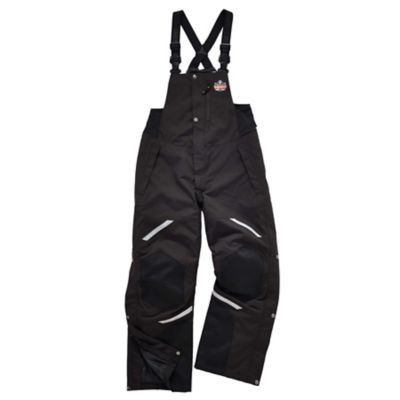
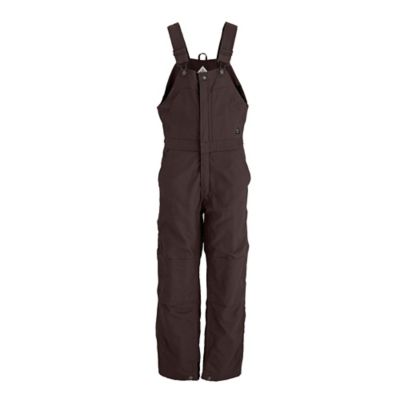
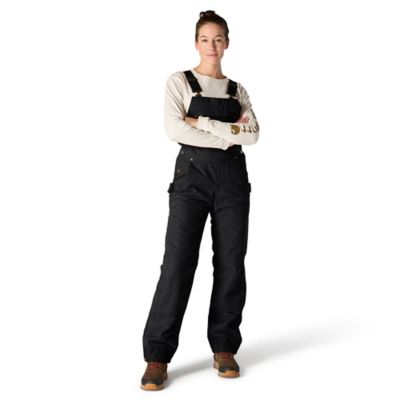
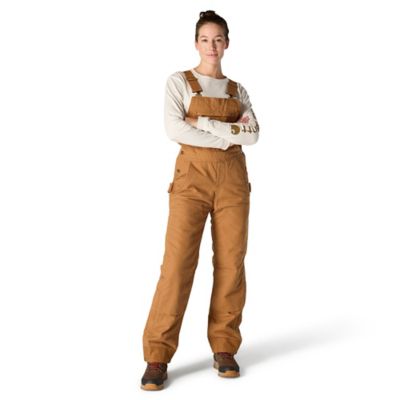
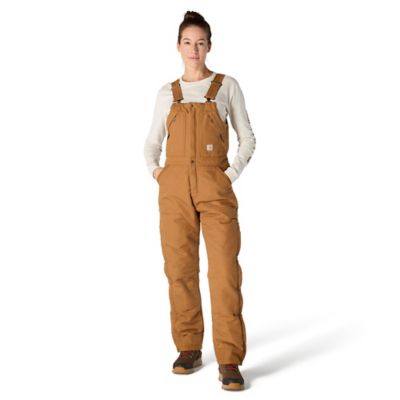
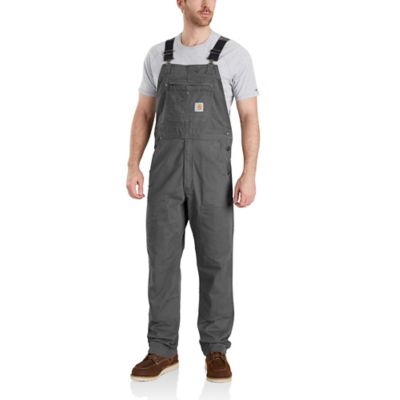
Women's bib overalls combine a bib front, adjustable shoulder straps, and full-length pants in a workwear shape that suits everything from feeding livestock to tending a vegetable patch. The straps help hold the garment in place without depending on a snug waistband, while the bib adds coverage when carrying feed sacks, stacking lumber, or leaning over a potting bench. For women who spend plenty of time bending, reaching, and getting their hands dirty, that combination makes sense. Fabric is a big part of how a pair feels and performs. Cotton denim has a familiar texture that generally softens with washing and wear, making it a practical choice for both chores and everyday outfits. Duck canvas has a tightly woven construction that can stand up to rubbing against rough surfaces, though heavier versions may feel stiff at first. Twill offers another option, with a diagonal weave and a feel that varies with fabric weight and fiber content. Stretch blends add some give through the seat, hips, and knees, which can make repeated squatting or climbing more comfortable. Fabric weight matters just as much as the fabric name: a lighter weave can feel less restrictive, while a heavier cloth offers more substance between the wearer and abrasive surfaces. Reinforced knees, double-layer fronts, and extra stitching at stress points can help handle repeated contact with the ground and the pull of loaded pockets. Those details are especially useful for gardening, fence maintenance, animal care, and hands-on shop work. A simpler construction can make more sense for errands, walks around the property, or casual wear. Color and wash affect the overall look, but the feel of the cloth, freedom of movement, and construction details have more to do with how well the overalls match the day's work. A pair meant for kneeling beside raised beds has different demands than one worn mostly around town.
Fit determines whether women's work overalls move along with a task or get in the way. Women's cuts vary through the bust, waist, hips, and thighs, so a familiar pants size is only a starting point. Body measurements and the garment's size chart give a clearer picture, especially when comparing fitted, straight, relaxed, and roomy shapes. Adjustable straps help position the bib and influence where the crotch sits, but they cannot make up for too little room through the torso or hips. Straps pulled too short can cause tugging when sitting or reaching, while straps left too long may let the bib sag. A comfortable fit leaves space to sit on a tractor seat, squat beside a water trough, and lift a knee onto a step without strain across the back or thighs. The clothing underneath also takes up room, whether that means a close-fitting T-shirt or a substantial work shirt. Inseam length deserves attention with the footwear that will actually accompany the overalls. Hems should clear the ground rather than drag through dirt or catch beneath a heel, and leg openings need enough space to settle over the intended boots without bunching. Pocket placement is another everyday consideration. A chest pocket keeps small essentials close at hand, while deeper front and rear pockets can hold work gloves or other necessities between tasks. Separate compartments help keep a pencil from disappearing beneath everything else, and a hammer loop can free a hand while moving between jobs. Loaded pockets should not pull the bib forward or make kneeling awkward. Side buttons, buckles, and zipper arrangements affect how easily the garment goes on and comes off, particularly when changing out of work clothes at the end of a long day. Hardware that lies comfortably against the body matters when leaning across a bench or carrying something against the chest. The best layout is the one that supports familiar routines without adding extra fuss.
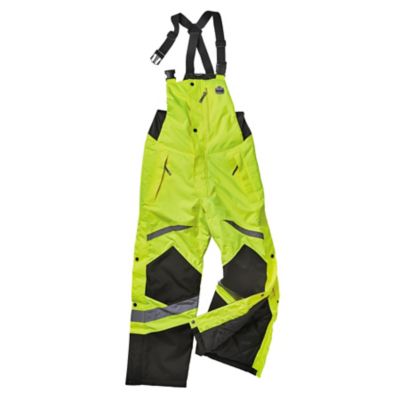
Regular care helps bib overalls keep their shape and puts less strain on the fabric, stitching, and closures over time. The care label is the starting point because cotton denim, canvas, stretch blends, and insulated constructions do not all have the same washing and drying needs. Cotton may shrink, particularly with higher washing or drying heat, while stretch fibers can lose some recovery if their care directions are ignored. Knocking off loose soil and emptying every pocket before laundering keeps grit, screws, and forgotten tools out of the wash. Turning the garment inside out can help limit surface rubbing, and treating a stain according to the fabric instructions is easier before repeated drying sets it in. Fastening closures as directed and avoiding an overloaded washer can also reduce tangling and let the garment move freely during cleaning. Between washes, a quick look at pocket corners, strap attachments, hems, and knee panels can catch thinning fabric or loose stitching before a small problem spreads. A modest repair at a stressed seam can keep an otherwise sound pair in the chore rotation. For tasks that call for an insulated construction,
women's insulated overalls offer a related option; the added material makes room through the torso and legs especially important. Standard bib overalls also make a thoughtful gift for a gardener, farmer, tradeswoman, or anyone who would rather tackle a project than sit still. Clothing size, inseam, preferred fit, and the kind of work she enjoys are more helpful than guessing from appearance alone. Some women want plenty of pocket space and reinforced fronts for daily chores, while others prefer a softer fabric and a less structured feel for everyday wear. From collecting eggs and hauling supplies to working at a bench, well-fitting bibs earn their place through practical details: room to move, useful coverage, accessible pockets, and fabric suited to the job.