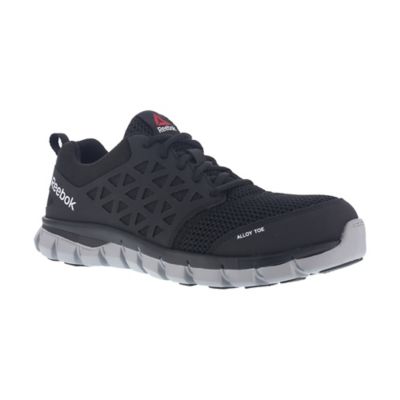
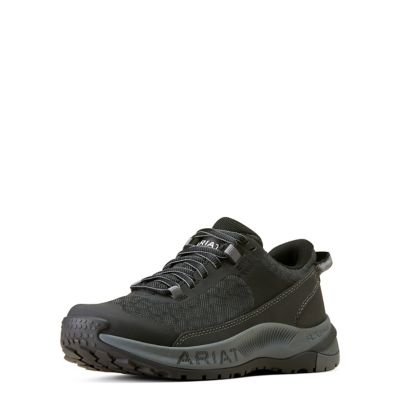
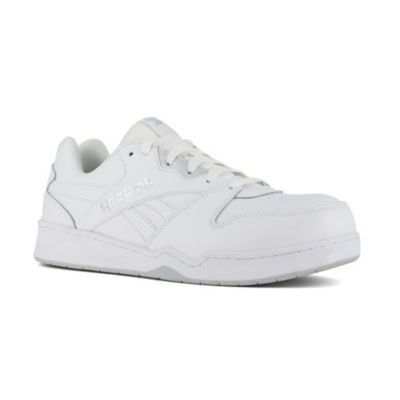
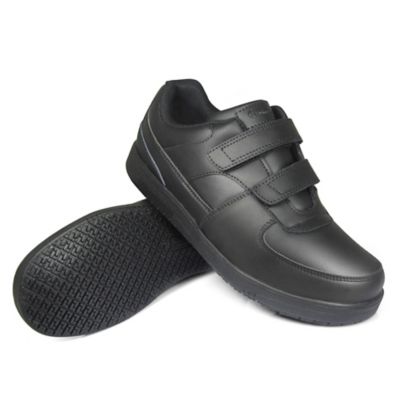
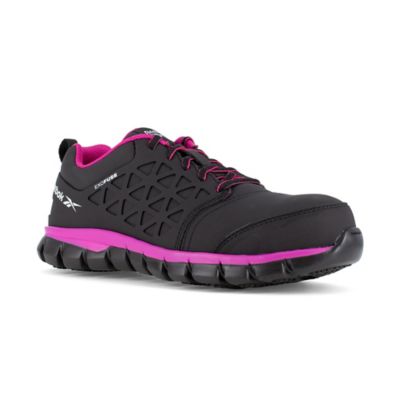
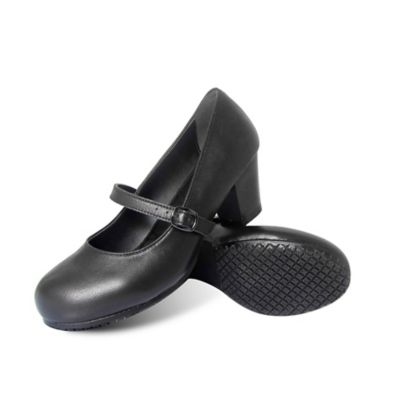
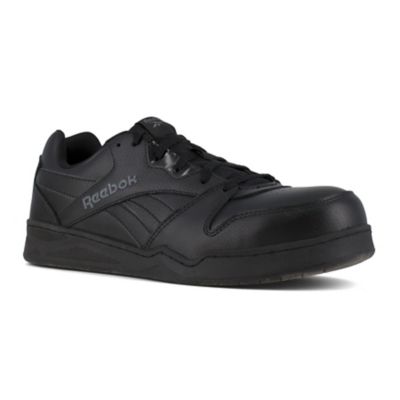
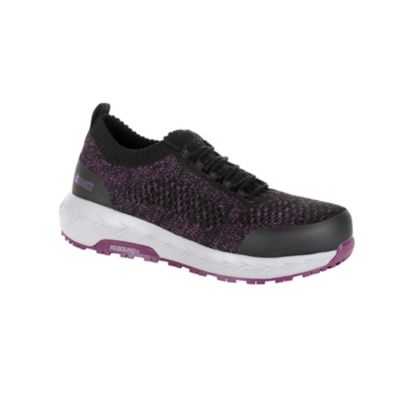
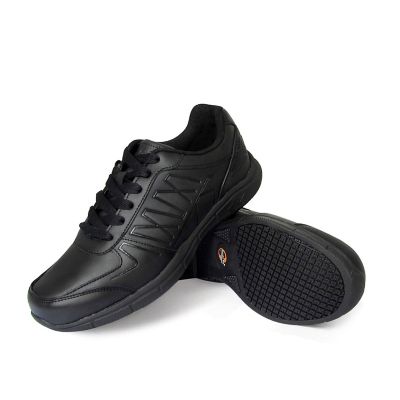
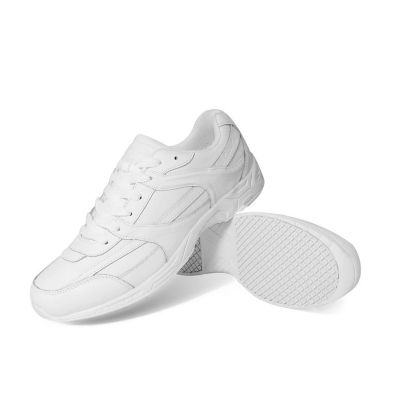
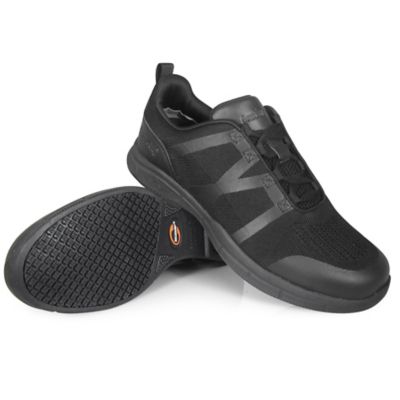
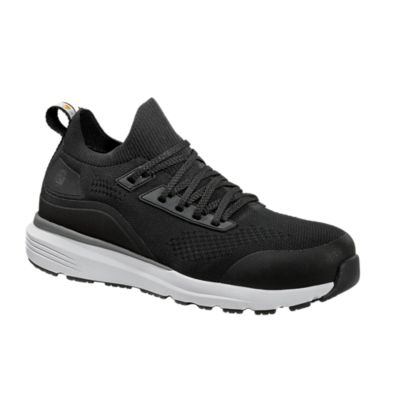
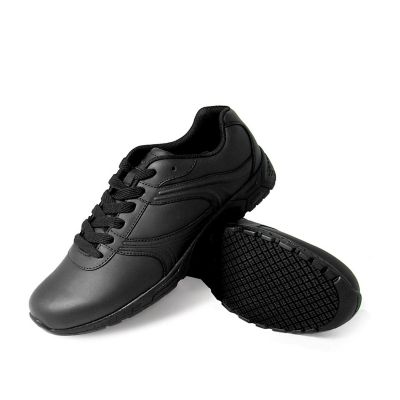
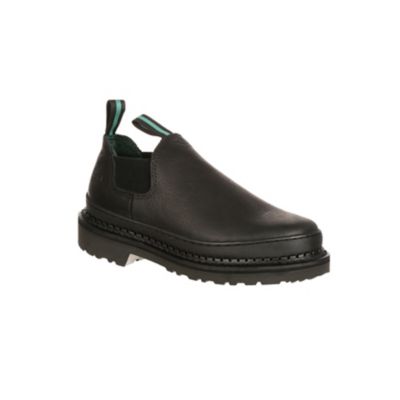
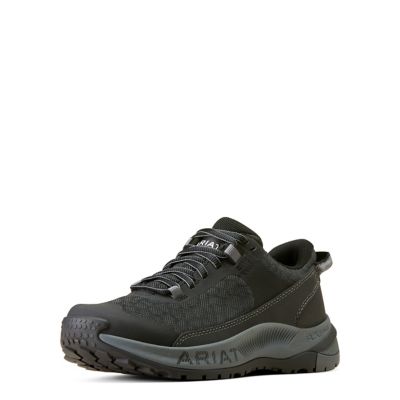
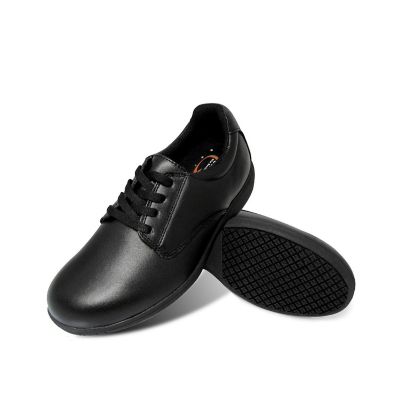
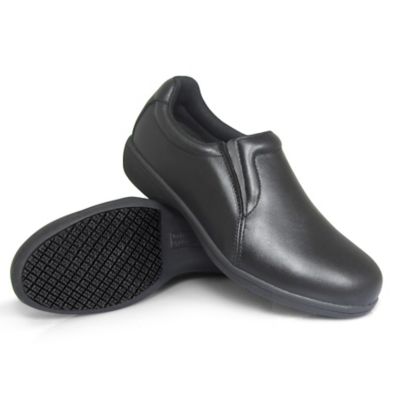
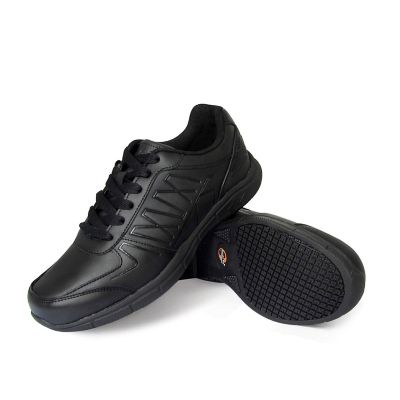
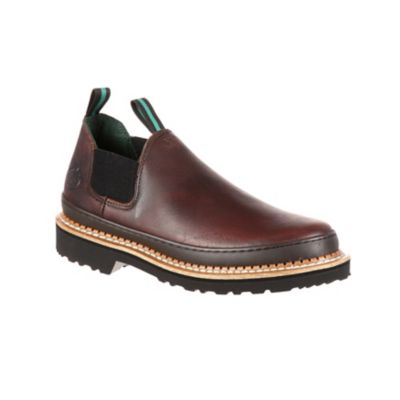
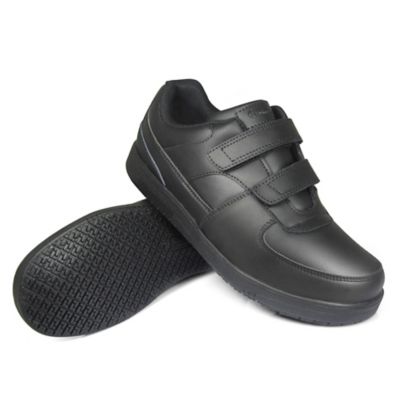
Women’s comfortable work shoes combine underfoot cushioning, a secure fit and support suited to the job at hand. A pair that feels good behind a checkout counter may need different features than footwear for a hospital hallway, restaurant kitchen or farm office. Long stretches on concrete call for cushioning that softens each step without letting the foot sink so far that it feels unstable. Jobs with plenty of walking also benefit from a flexible forefoot and a heel that stays put through a full stride. Athletic-style work shoes often suit active days spent moving between aisles, workstations and storage rooms, while low-profile slip-ons and loafers can fit workplaces that call for a tidier look. The shape matters as much as the style: a broad, steady base can feel more planted when carrying supplies or turning around a crowded counter. For work around wash stations, food prep areas or tracked-in messes, slip-resistant outsoles deserve close attention. Slip resistance depends on the sole, the surface and the substance underfoot; no tread can prevent every slip. Oil resistance is a separate feature and does not automatically mean a shoe provides traction on a slick floor. Workplaces with falling-object, compression or electrical hazards may require designated safety footwear rather than an ordinary work shoe. Protective-toe construction and other safety features should match the employer’s requirements and the markings on the footwear. A substantial-looking upper alone does not establish a safety rating. Around a feed room, repair shop or loading area, protection may carry just as much weight as softness. In an office or reception area, a stable low heel and cushioning may be the bigger priorities. The most practical women’s work shoes fit the actual tasks, floor surfaces and dress requirements of the day, rather than relying on a soft first impression alone.
Comfort starts with room for the foot to sit naturally, especially across the toes. A rounded or wider toe box can allow toes to spread without squeezing them together, while the heel should feel secure rather than slipping with every step. Width options matter because going up in length to solve a width problem can leave extra space that lets the foot slide. The same goes for a snug instep: adjustable laces or straps can help fine-tune the hold across the top of the foot without forcing the toes forward. Trying shoes with the socks intended for work gives a better sense of the fit, and checking both feet helps account for small differences in size. Feet can swell over the course of a shift, so a fit check later in the day may reveal pressure that is not noticeable first thing in the morning. There should be comfortable space ahead of the longest toe, with no pinching along the sides or rubbing at the heel. A shoe should not need painful wear to become comfortable. Underfoot, cushioning and support do different jobs. Cushioning softens contact with the floor, while the footbed, midsole and heel structure help create a steady platform. Memory foam may provide a soft initial feel, but overall comfort also depends on the layers beneath it and how well the shoe fits. Some wearers prefer a firmer feel for standing at a workstation; others favor more give for constant walking. Removable footbeds can make room for compatible inserts or prescribed orthotics, provided there is still enough depth for the foot. Lightweight construction can also make frequent trips across a shop floor feel less cumbersome. For anyone moving between standing, bending and walking, balanced cushioning and a secure fit tend to matter more than softness alone.
Materials influence how women’s comfortable work shoes feel, how they handle daily messes and how much care they need. Leather uppers can offer structure and a surface that wipes clean, though some finishes need conditioning and gentler cleaning methods. Synthetic uppers may offer an easy-care surface with less routine upkeep, while mesh panels allow airflow during active shifts. Open mesh is not a barrier against spills, so workplace exposure matters when choosing between a breathable fabric upper and a more enclosed design. Water-resistant and waterproof constructions serve different purposes, and either feature should be checked against the shoe’s stated specifications rather than assumed from its appearance. Reinforced stitching, protected toe areas and substantial outsole coverage can help a shoe stand up to repeated bending and contact with rough surfaces. Even so, wear depends on the work: pivoting at a service counter stresses different areas than walking across a gravel lot or kneeling beside a workbench. Regular care helps keep footwear ready for the next shift. Brushing away grit, wiping off residue and clearing packed debris from the tread can help preserve the upper and keep the sole’s channels open. Cleaning directions vary by material, so machine washing is only appropriate when the footwear’s care instructions allow it. Damp shoes generally need airflow and time to dry away from direct heat, which can harm certain materials and adhesives. Flattened cushioning, separating seams and worn-smooth tread are signs that a pair deserves a closer check. For a broader look at work-ready styles,
Comfortable Footwear For Work brings related footwear into the picture. Work shoes can also make a practical gift for someone starting a new job or spending long days on her feet, though her preferred fit, exact size and workplace footwear rules should shape the choice. The goal is a pair that feels right from clock-in through the last walk to the truck.