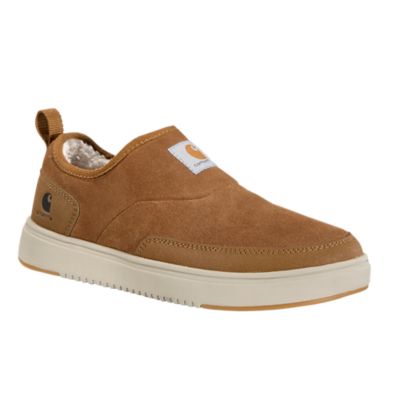
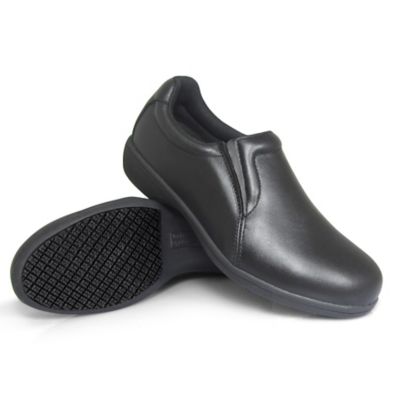
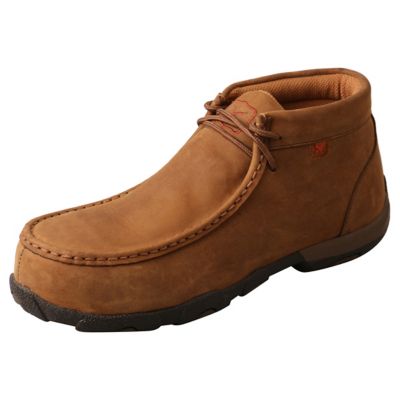
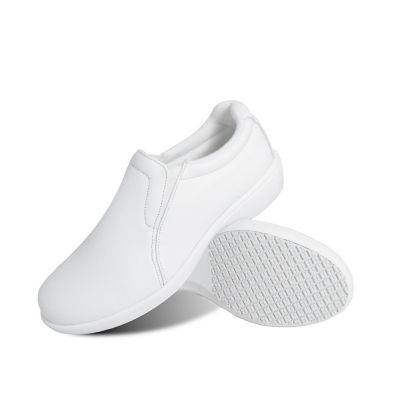
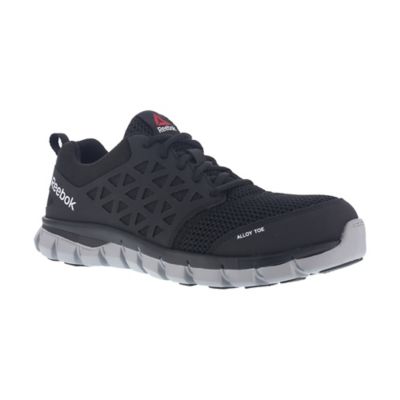
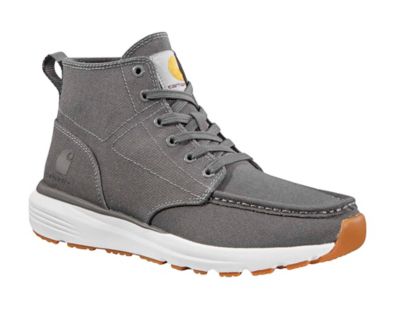
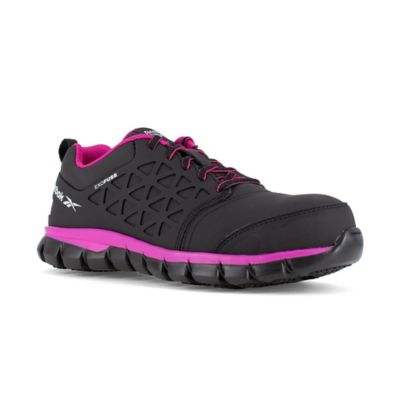
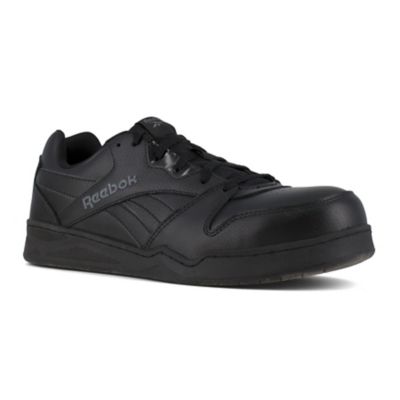
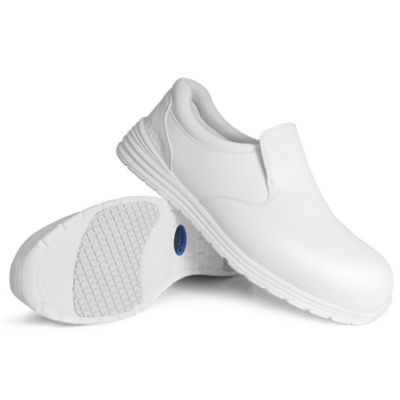
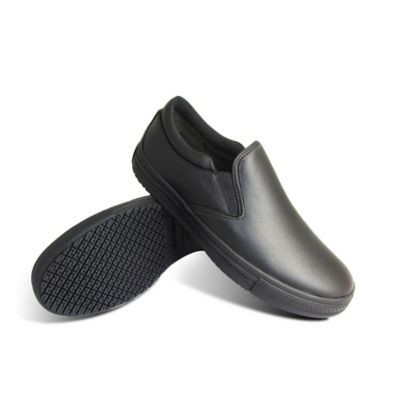
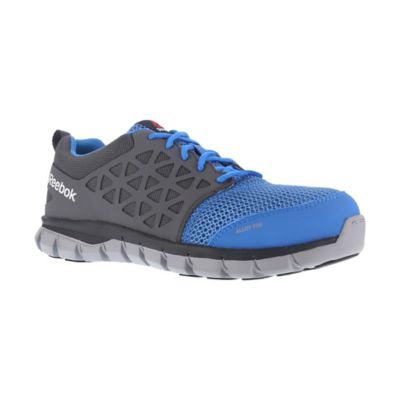
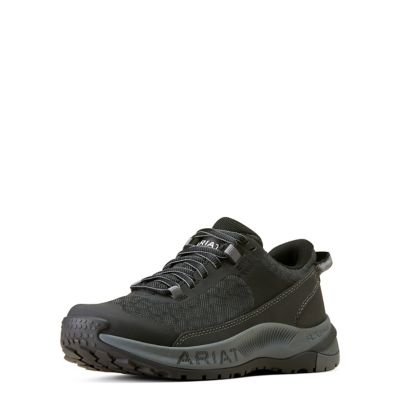
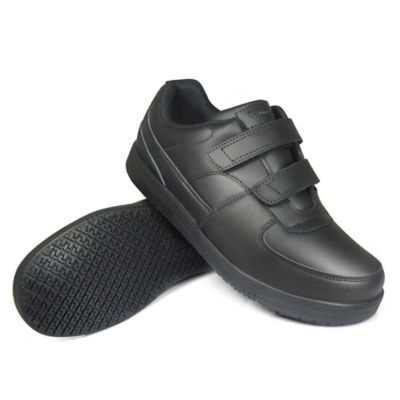
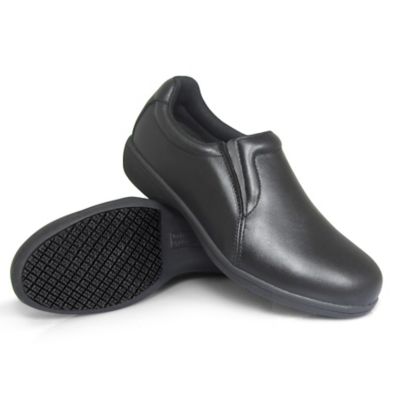
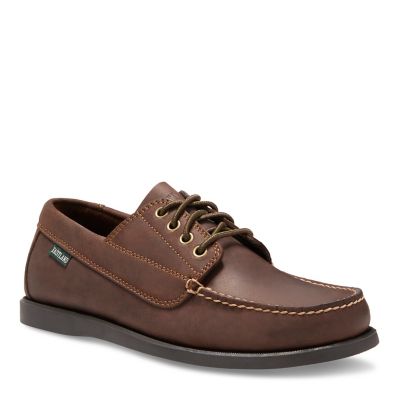
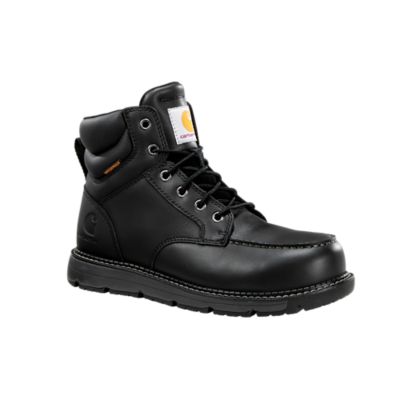
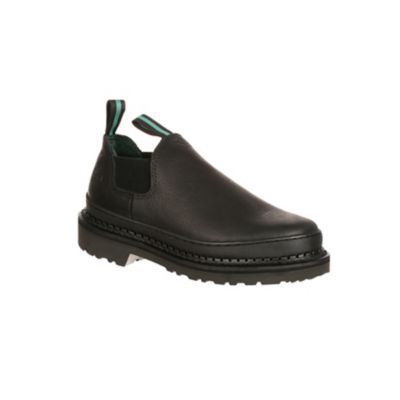
Women's casual work shoes combine everyday comfort with a neat, work-ready look for jobs that don't call for heavy boots or specialized safety footwear. They're a practical choice for time behind a sales counter, paperwork in a farm office, meetings in town and other workdays that mix sitting, standing and walking. The most useful features depend on the job: cushioning helps soften each step, a secure fit keeps the foot from sliding around, and an appropriate outsole provides traction for the surfaces underfoot. A clean shape and understated details can fit a relaxed workplace without looking too laid-back for greeting a client or helping someone at the counter. Low-profile lace-up shoes offer an adjustable fit across the top of the foot, while slip-on styles keep the shape simple and make getting out the door a little easier. Loafer-inspired shapes can lean dressier with trousers, and casual sneaker shapes often pair naturally with jeans or work pants when the dress code allows them. Neutral colors make it easier to rotate between outfits, while darker uppers may show less of the dust that follows a walk through a stockroom. For a day split between a desk and a concrete floor, look beyond appearance to the amount and placement of cushioning, the firmness beneath the heel and the room around the toes. A very soft shoe may feel pleasant at first but lack the steadiness some jobs require; a firmer platform may feel more planted during repeated trips between a counter and shelving. Casual styling alone doesn't establish whether footwear meets a workplace requirement. Slip resistance, protective toes, electrical hazard protection and other safety features need to match the employer's rules and the shoe's stated specifications. Shoes suited to an office or front counter aren't automatically suited to ladders, heavy equipment or areas where falling objects are a concern. The goal is footwear that belongs in the work setting, fits the dress code and feels comfortable through the tasks that fill the day.
Materials and construction make a noticeable difference in how women's casual work shoes feel, breathe and hold up to regular wear. Smooth leather uppers offer a structured appearance and can often be wiped clean, though they may need an appropriate conditioner to keep the material from drying out. Suede has a softer-looking surface that calls for a brush and care products intended for its finish. Textile and mesh uppers tend to feel lighter and allow more airflow, but their cleaning needs vary, and an open weave offers less separation from small spills than a solid upper. Synthetic materials can provide a consistent finish with straightforward upkeep, depending on the construction. Inside the shoe, a smooth lining and well-placed seams matter when feet stay in the same pair for hours. A padded collar can soften contact around the ankle, while a stable heel helps limit slipping at the back. When comparing
Women's Comfortable Work Shoes, give fit as much attention as cushioning. The toes should have room to spread without pressing against the front or sides, and the widest part of the foot should line up with the widest part of the shoe. Try shoes with the socks normally worn to work, and check both feet rather than assuming they need exactly the same space. Walk, turn and stand for a bit to notice heel movement, pinching across the forefoot or pressure over the instep. Laces can adjust the hold through the middle of the foot, while stretch panels on slip-ons provide a different kind of give. Neither feature makes up for the wrong length or width. Removable footbeds may be helpful for someone who wears an insert, provided the shoe has enough interior space and the manufacturer's guidance allows it. A shoe shouldn't need a painful break-in period to become wearable. Leather may ease with wear, but cramped toes, rubbing seams and an unstable heel are reasons to reconsider the fit.
Everyday wear puts different demands on the sole, upper and seams, so the details beneath a simple silhouette are worth noticing. Reinforced stitching at flex points, securely attached soles and a tread pattern suited to the workplace can help a pair stand up to a steady routine. Deeper tread isn't always better for every setting; it can collect grit that follows someone from a back room onto a finished floor. Likewise, a smooth-looking outsole shouldn't be assumed to provide slip resistance. Check the stated features and remember that grease, cleaning residue and loose debris can affect footing regardless of the shoe. Basic care helps preserve both appearance and function. Brush away dry dirt before wiping the upper, follow the material-specific cleaning directions and avoid soaking shoes unless the manufacturer permits it. Leather, suede and fabric don't all respond to the same cleaner, and tossing a pair into the washer can damage adhesives, alter the shape or leave the footbed slow to dry. Let shoes air-dry away from direct heat, and loosen the laces or remove permitted footbeds to help moisture escape. Rotating between pairs gives the inside more time to dry after a full day. Check tread, heel wear and the inside lining regularly, especially if the shoes make frequent trips across concrete. A tilted heel, separating sole or cushioning that feels flattened can change how the shoe sits underfoot even when the upper still looks tidy. For a gift, knowing the recipient's usual size is a start, but width, workplace rules and preferred fastening matter just as much. Someone who spends hours standing at a counter may want a different feel than someone who sits at a desk and walks between offices. Those everyday habits help narrow the choice to casual work shoes that look at home on the job and suit the person wearing them.