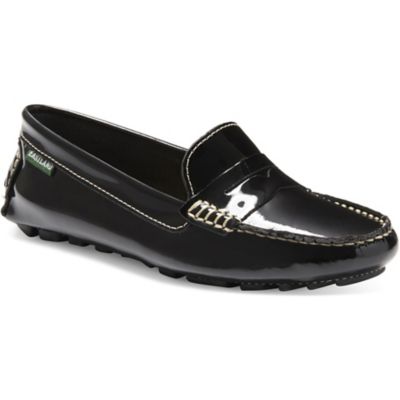
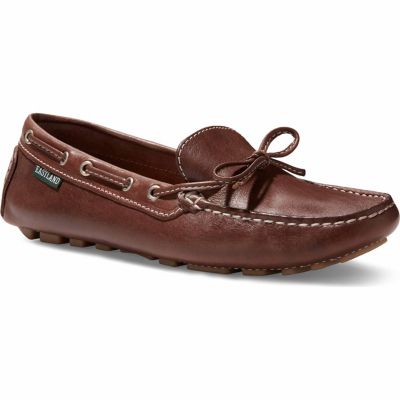
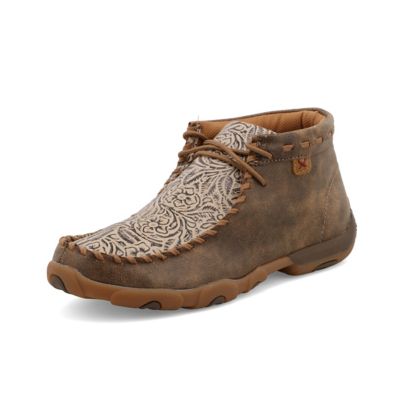
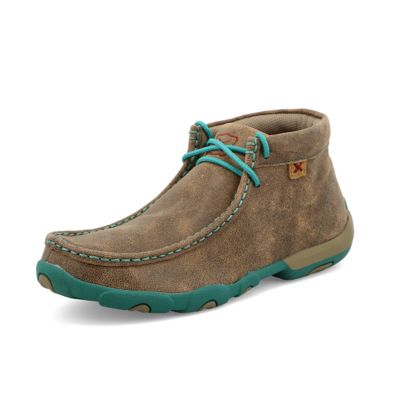
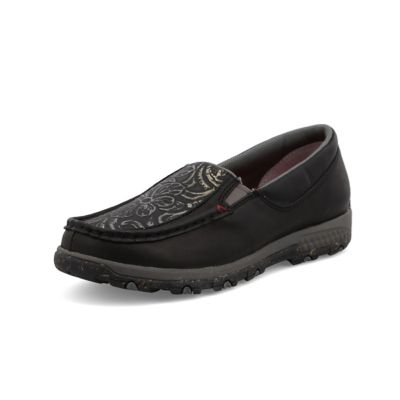
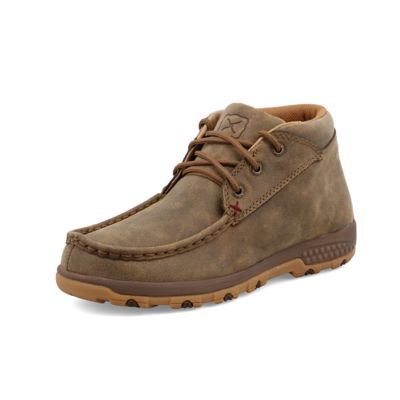
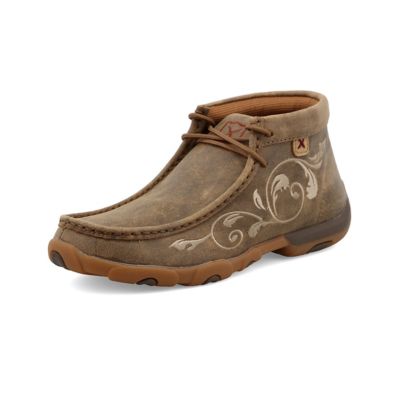
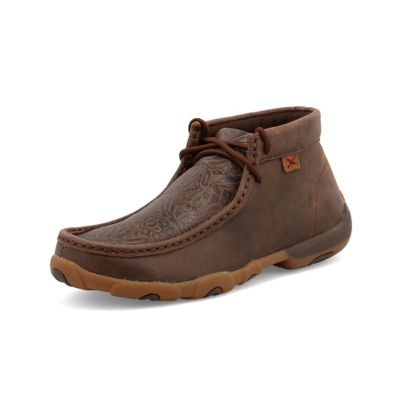
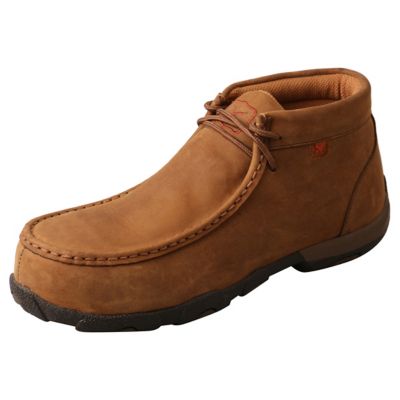
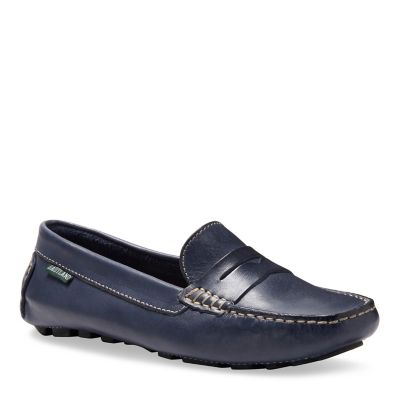
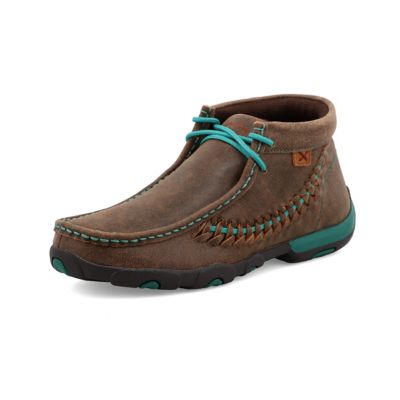
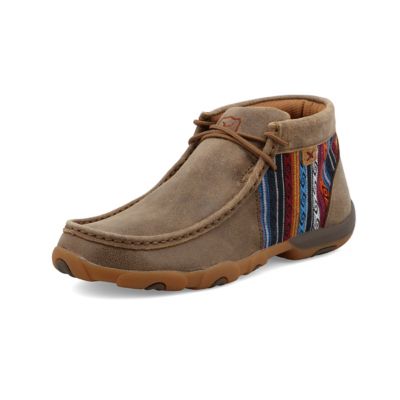
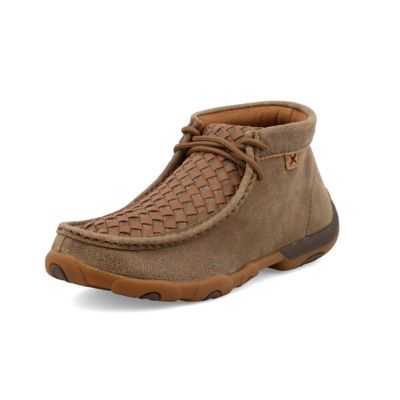
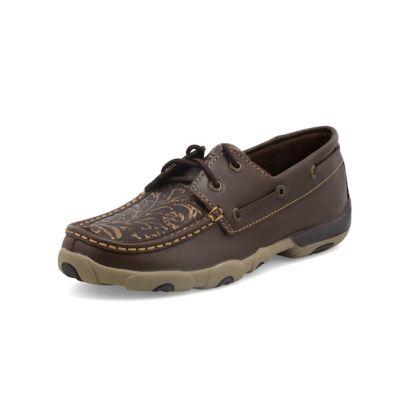
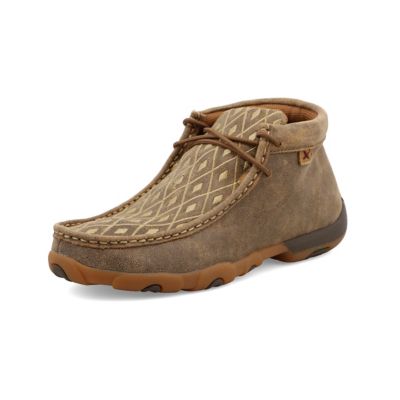
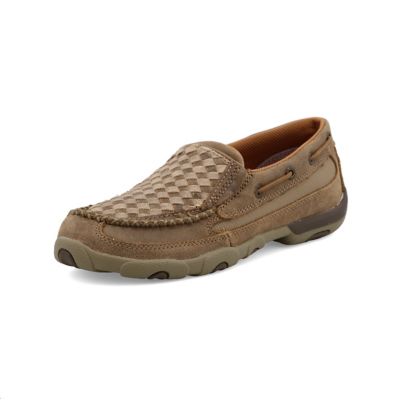
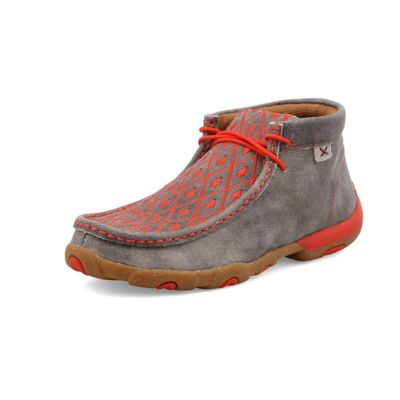
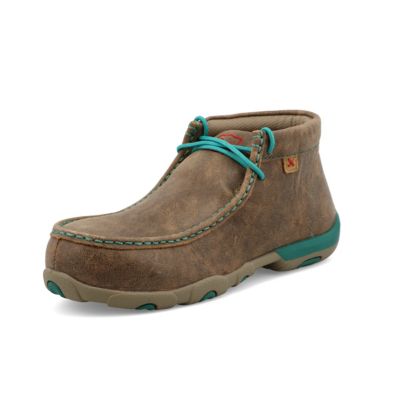
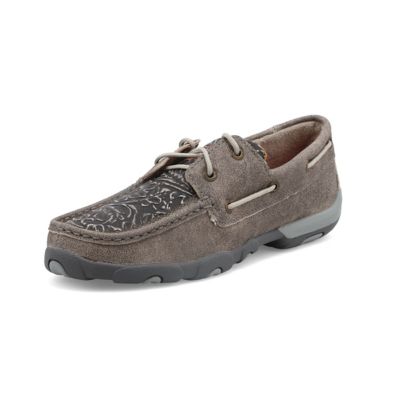
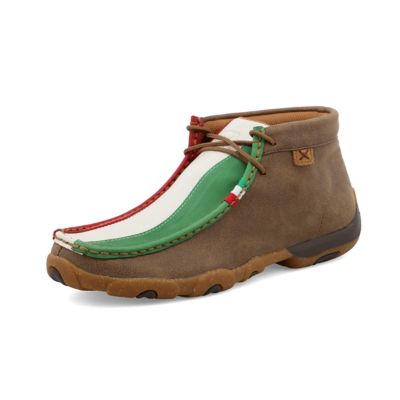
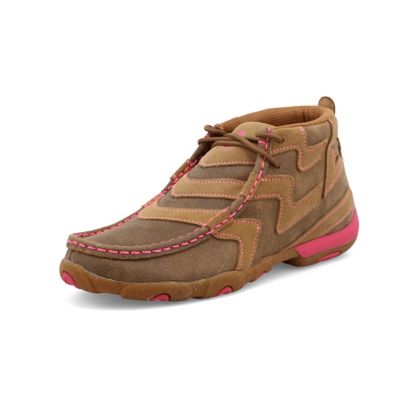
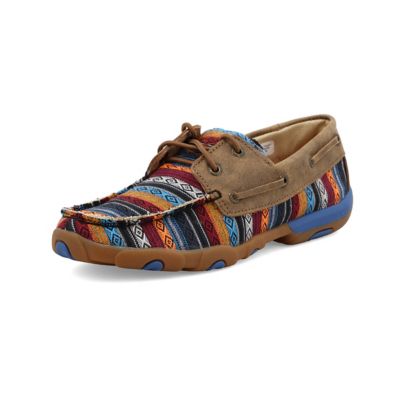
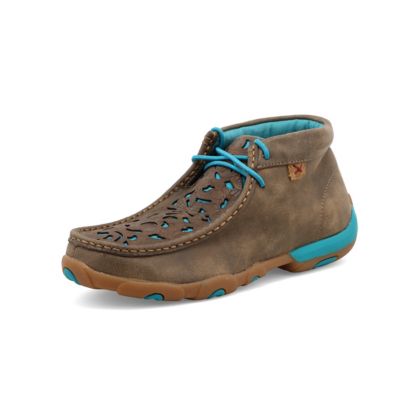
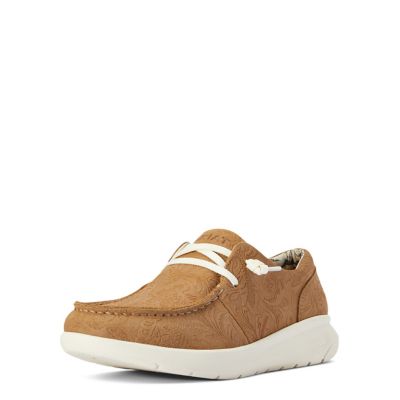
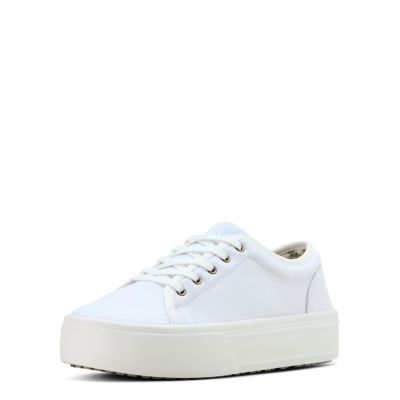
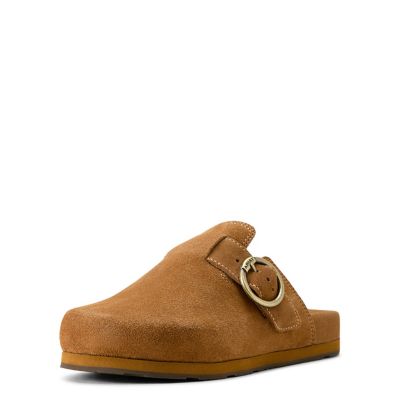
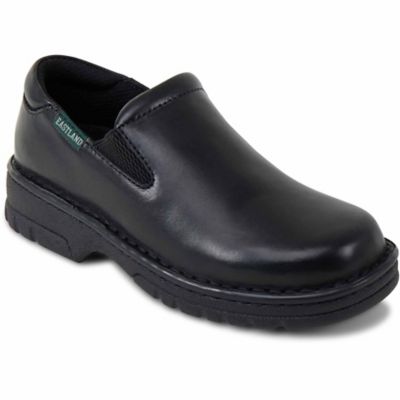
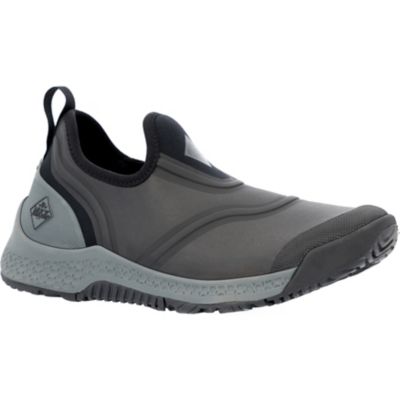
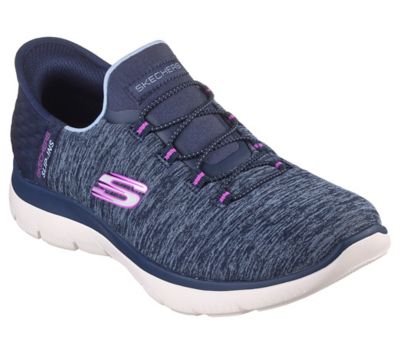
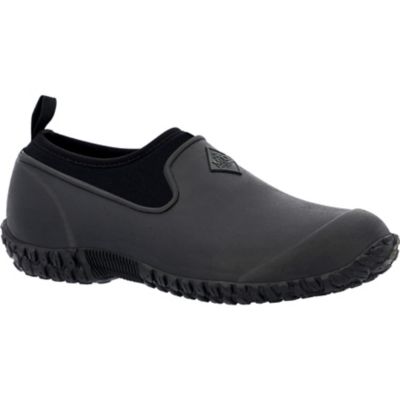
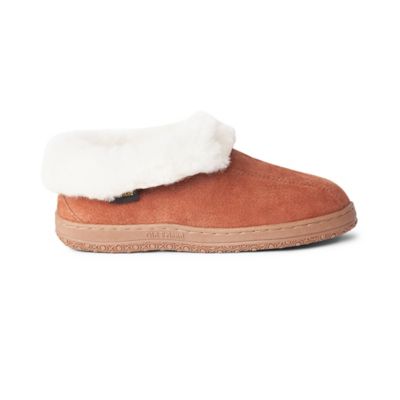
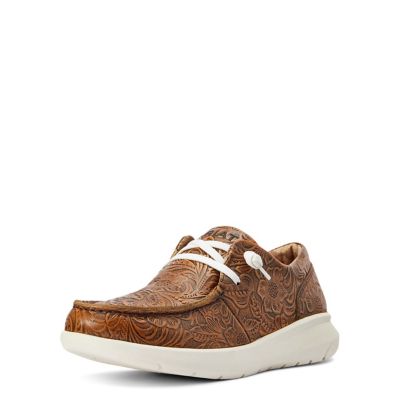
Women’s driving mocs are casual moccasin-style shoes that pair a flexible feel with an easy, low-profile shape. Many have soft leather or suede uppers, stitched toes, and rubber pods or flexible rubber soles that allow the foot to bend naturally. The driving-shoe design keeps excess material around the foot to a minimum, while some styles carry rubber up the back of the heel where it rests against a vehicle’s floor. Sole construction varies, so a podded driving moc can feel quite different from a moc with a continuous rubber outsole. For everyday wear, that difference matters as much as the look of the upper. A woman heading into town for groceries, meeting a friend for lunch, or taking a road trip may appreciate a shoe that slips on without the weight and height of a boot. Smooth leather gives driving moccasins a neat finish that pairs easily with straight-leg jeans, casual pants, or a denim skirt. Suede brings a softer, brushed texture, while contrasting stitching, lacing, and fringe give different styles their own character. Leather thickness and lining also influence how the shoe feels: a supple upper can flex readily, while a more structured upper may hold its shape more firmly around the foot. An unlined moc may feel lighter and more flexible than one with a padded lining, though the interior seams and toe shape still affect comfort. Cushioned footbeds can soften the feel underfoot, and some designs include removable insoles. Those details make women’s driving mocs a practical choice for casual routines, but they do not turn every pair into a walking shoe or a work shoe. Their appeal is straightforward: a familiar moccasin look, a flexible build, and a comfortable option for the miles between home, town, and the next stop along the way. For someone who likes Western-inspired clothing without wearing boots for every outing, a driving moc fits naturally into the mix.
Fit is especially important in women’s slip-on driving mocs because the shoe needs to stay with the foot without laces doing all the work. A close fit through the heel and midfoot helps limit sliding, while enough space across the toes keeps the front from feeling pinched. Soft leather may ease slightly with wear, but a shoe that presses hard against the toes or squeezes the widest part of the foot is not simply waiting to become comfortable. Width, instep height, toe shape, and the thickness of the intended socks all affect how a pair sits. Thin socks can create a different fit from cushioned socks, and a padded lining can take up more interior room than expected. For anyone wearing an insert, a removable footbed may be helpful, provided the replacement does not crowd the toes or lift the heel too high. Underfoot, flexibility and support need a little balance. A very bendable sole may feel pleasant for driving and short errands, while longer stretches on foot may call for more cushioning or structure. Rubber nubs and tread patterns can provide traction, but their performance depends on the surface, sole material, and wear. A driving moc is not automatically slip-resistant footwear, and an ordinary rubber sole should not be treated as proof of a workplace safety rating. Around vehicle pedals, secure heel hold and a sole that does not feel overly wide or cumbersome deserve attention; loose laces or ties should stay clear of the controls. Away from the vehicle, these shoes make more sense for casual stops than for handling livestock, running equipment, or tackling chores that require protective footwear. For work-focused options,
Womens Slip On Work Shoes are another category to consider, with the stated protection and traction features checked against the job. Keeping those uses separate helps match the shoe to the day rather than asking one pair to cover every task.
The life of women’s leather driving mocs depends on the materials, construction, care, and surfaces they meet most often. Closely finished seams, secure sole attachment, and reinforcement around high-flex areas are worth noticing, especially for a pair that will see frequent wear. Podded soles leave portions of the upper closer to the ground than some full-coverage outsoles, so repeated walks over abrasive pavement can affect exposed leather as well as the rubber. A continuous outsole may offer more coverage underneath, though tread thickness and flexibility still differ among designs. Care starts with knowing the upper material rather than treating every moccasin alike. Smooth leather generally benefits from loose dirt being wiped away with a soft cloth and from a conditioner approved for that leather’s finish. Suede calls for a suede brush and an appropriate cleaner, since ordinary leather creams can change its texture or appearance. Cleaning and treatment directions from the footwear maker take priority, particularly with mixed materials, dyed finishes, or lined interiors. Soaking, machine washing, and direct heat can damage leather, adhesives, or the shoe’s shape unless the maker specifically allows that treatment. Letting a pair air out between wears and storing it without the heel crushed underneath helps keep the interior fresher and the shape more consistent. These everyday details matter for someone who reaches for the same comfortable shoes before nearly every trip into town. Driving moccasins can also make a thoughtful birthday or thank-you gift for a woman who enjoys casual leather footwear, whether she spends her days managing a busy household, visiting family, or traveling back roads between appointments. Knowing her usual size, preferred width, and taste in color is more helpful than guessing from appearance alone. The best match is a pair that suits her actual routine: comfortable at the heel, easy through the toes, and built with the sole and support she prefers for everyday casual wear.