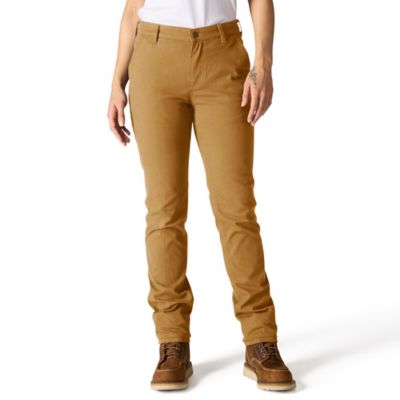
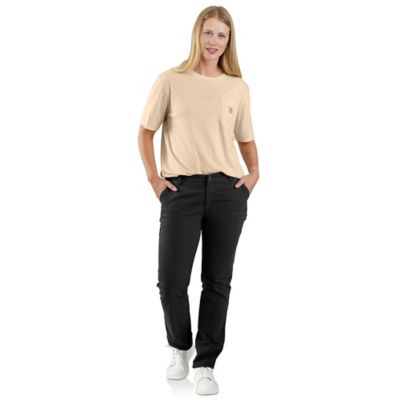
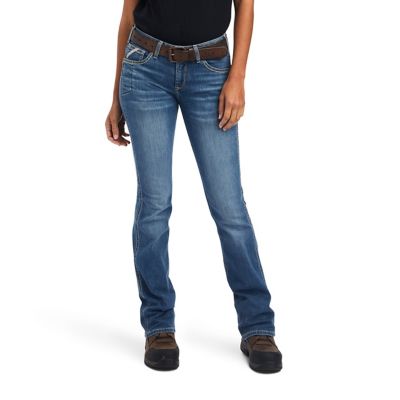
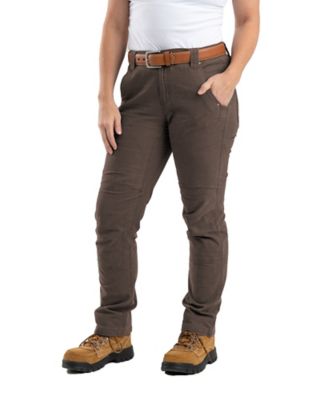
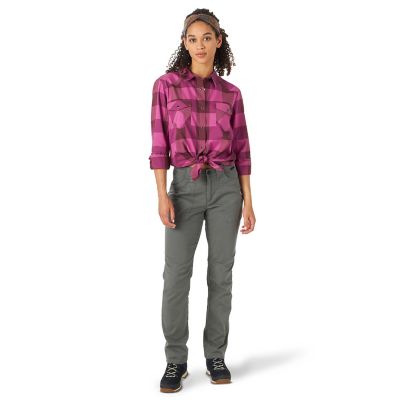
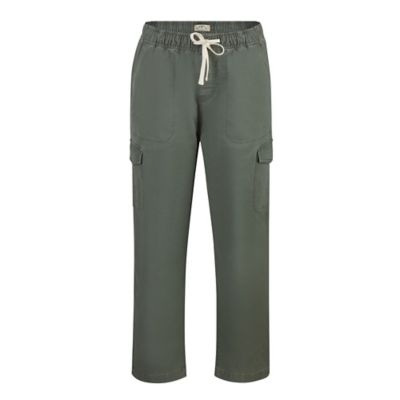
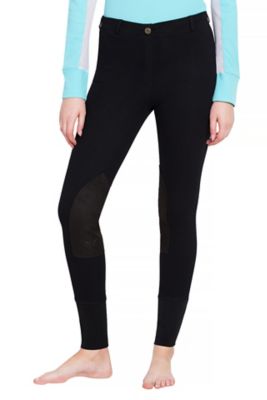
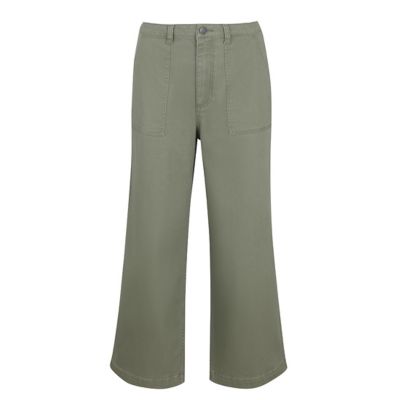
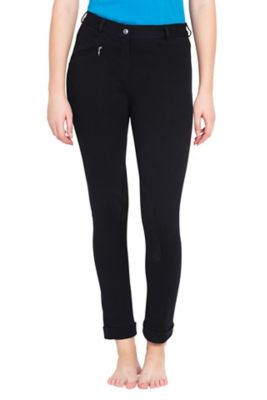
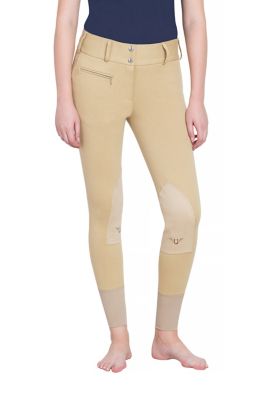
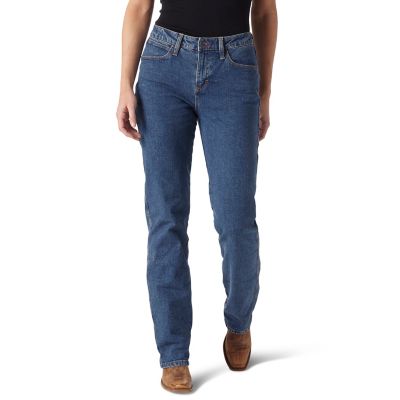
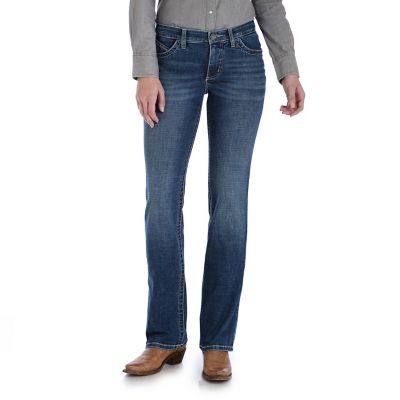
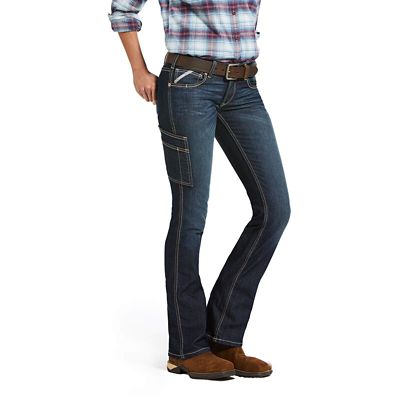
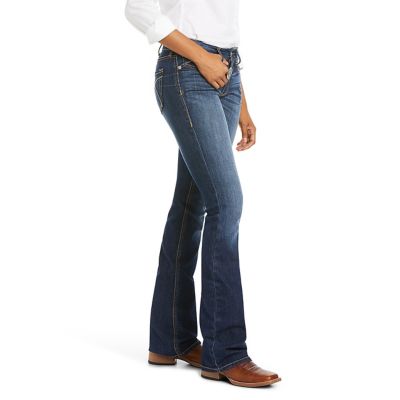
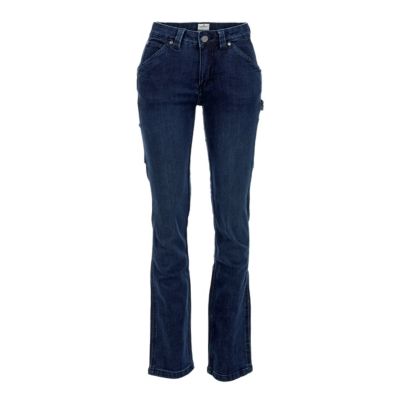
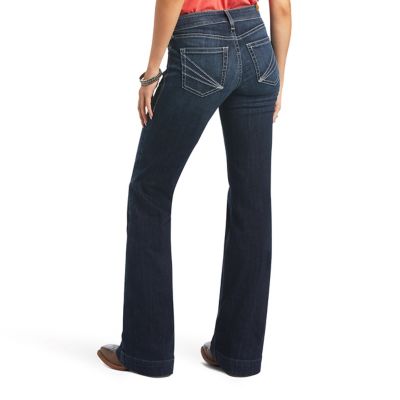
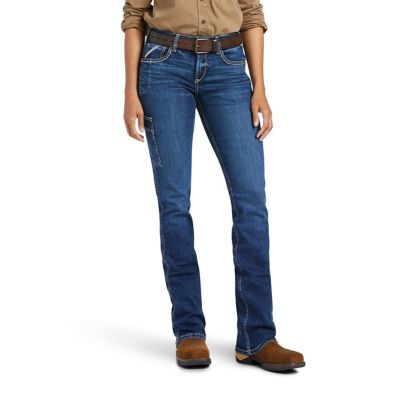
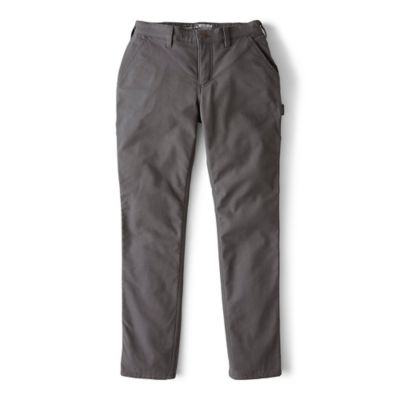
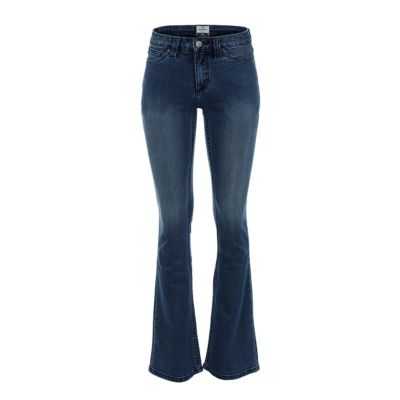
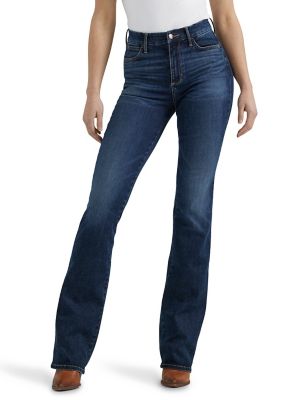
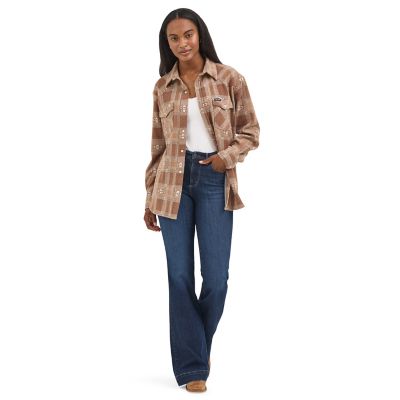
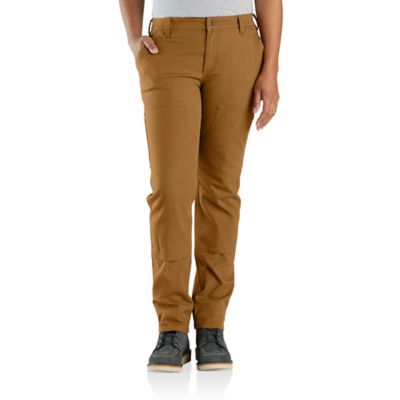
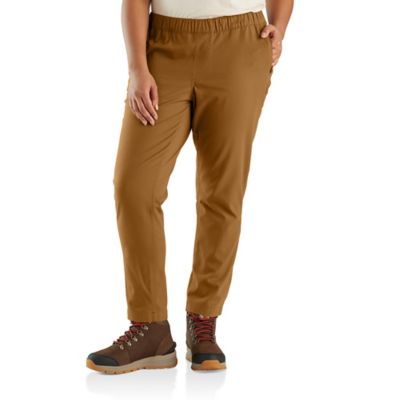
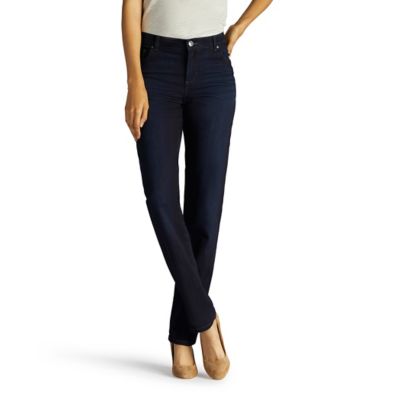
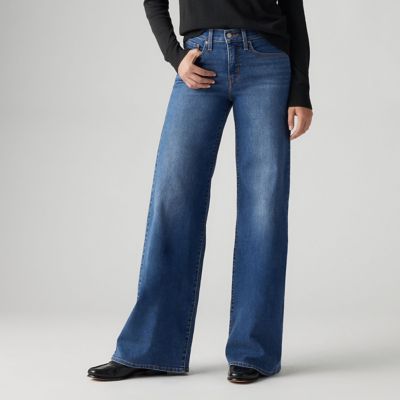
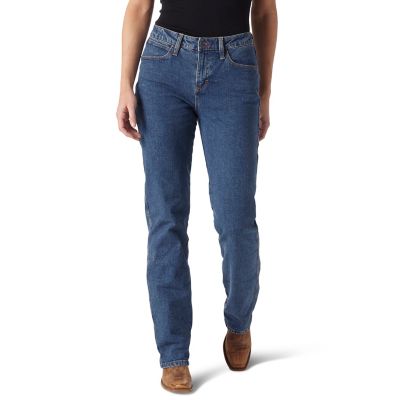
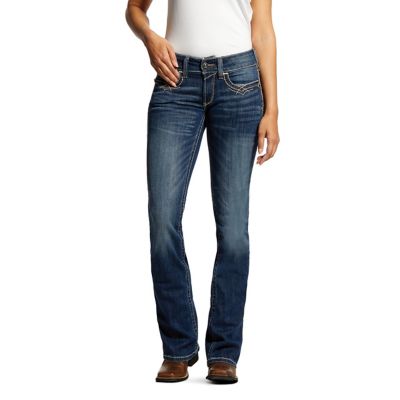
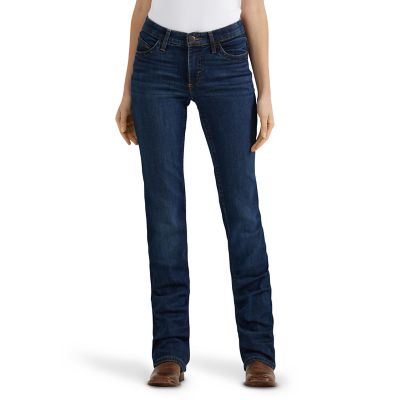
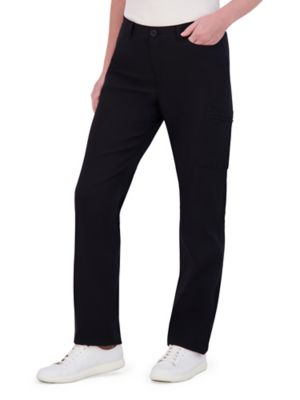
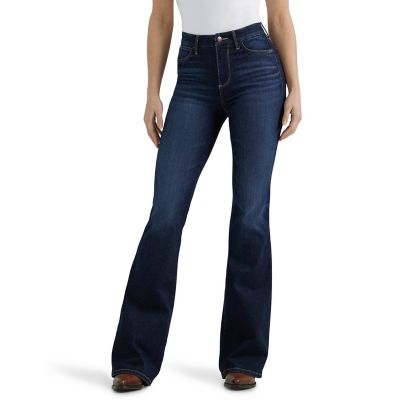
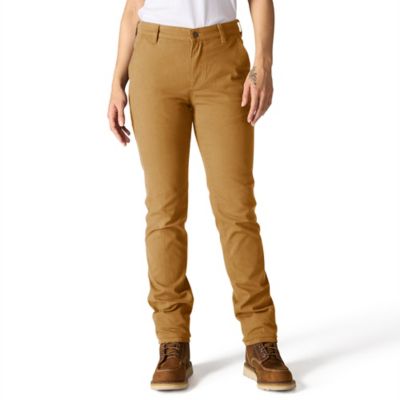
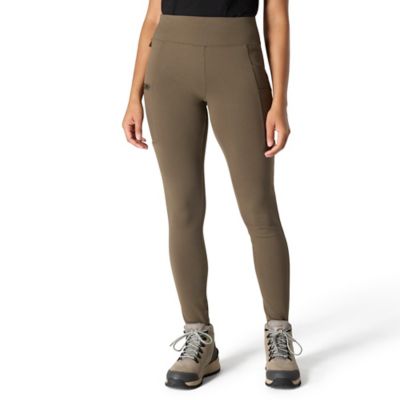
Women's cotton-spandex pants combine the soft, breathable feel of cotton with the flexibility of spandex for everyday comfort, casual wear and light activity. Cotton gives the fabric its familiar feel against the skin, while spandex adds stretch for sitting, bending and reaching. That combination suits everything from a walk with the dog to a trip to the feed store or a quiet afternoon at home. The balance between the two fibers matters, but fabric construction matters, too. A cotton-rich woven fabric can have a more structured look, while a knit often feels softer and follows the body more closely. A small amount of spandex can give woven pants some welcome give without making them feel like leggings. Stretchier knits may suit gentle yoga, floor exercises or everyday lounging, depending on their weight and construction. The fiber percentages on the garment label offer a starting point, though thickness, weave and cut all affect how a pair feels in motion. More spandex does not automatically mean a better fit, and a heavier fabric does not necessarily mean less stretch. For women who spend the day moving between household tasks, errands and time outdoors, that balance of softness and flexibility can make getting dressed a little simpler. Bending to fill a pet's bowl or climbing into a pickup calls for room through the seat and knees, not just stretch at the waistband. Cotton can also hold moisture, so cotton-rich pants may feel different during strenuous exercise than clothing designed mainly to move moisture away from the skin. Their appeal is often in ordinary, everyday movement rather than specialized athletic performance. For work involving sparks, machinery or other hazards, task-appropriate protective clothing takes priority over the comfort of a cotton-spandex blend. These pants fit best into a wardrobe when their fabric and construction match the activities ahead.
The fit of women's cotton-spandex pants starts with the waist, hips and seat, then carries through the thigh, knee and hem. Stretch should support movement rather than make up for a size that pulls or pinches. A waistband that feels fine while standing can feel quite different after a drive into town, so comfort when seated matters just as much as the appearance in a mirror. Mid-rise and high-rise cuts place the waistband at different points on the torso, and the most comfortable choice depends on body proportions and personal preference. An elastic waist offers give, a drawcord allows adjustment, and a waistband with a button or zipper can provide a more structured finish. None of those details determines comfort on its own; the width of the waistband, placement of seams and amount of room through the hips all play a part. Close-fitting legs can tuck neatly into suitable boots, while straight legs leave a little more space around the calf. Wider openings need enough clearance to fall over footwear without dragging beneath the heel. Inseam measurements are especially helpful because the same listed size can fit differently across cuts. Petite, tall and regular proportions also involve more than length, with differences in rise and knee placement affecting how naturally the pants sit. Pockets deserve attention, too. A shallow pocket may hold a small necessity while standing but let it slip out when sitting down. Pocket placement can also change how the fabric lies across the hips. For knit styles, fabric coverage during bending matters as much as the feel of the stretch. A comfortable fit should allow an easy stride and a bend at the knees without constant tugging at the waist or hems. Smooth seams, neatly finished edges and stitching that lies flat are useful details to consider, especially in pants that will see frequent wear. Stretch recovery matters as well: fabric that returns toward its original shape helps limit loose knees and a sagging seat after hours of movement.
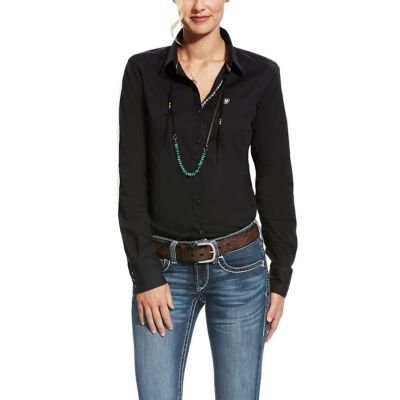
Cotton-spandex pants are easy to work into a practical wardrobe because their look can range from relaxed to fairly polished. A straight-leg pair with a simple shirt can suit casual appointments or lunch in town, while a softer knit feels right for stretching on a mat or settling onto the porch with a book. Longer tops offer more coverage with close-fitting cuts, and shorter, untucked shirts can sit neatly over a smoother waistband. For another flexible layer,
Women's Spandex Shirts can complement the easy movement of stretch pants without requiring every piece to match. Fabric weight and the fit of both garments help determine whether the outfit feels balanced rather than restrictive. Keeping cotton-spandex clothing in good shape comes down to care suited to the actual garment. The care label takes priority because dyes, trims, finishes and construction can change washing requirements. Where machine washing is permitted, washing with similar colors and avoiding rough companions such as exposed hook-and-loop closures can help limit snags and surface wear. Turning pants inside out may help protect the outer surface from rubbing during the wash. High dryer heat can contribute to cotton shrinkage and put stress on stretch fibers, so the labeled drying method is worth following closely. A lower-heat setting or air drying may be appropriate when the label allows it. Gentle reshaping before drying can help the legs and waistband lie evenly, while emptying pockets prevents forgotten tissues or small objects from creating extra cleanup. Signs such as thinning at the inner thighs, loose stitching or a waistband that no longer springs back can help indicate when a pair needs attention. For gifting, familiar waist and inseam measurements, preferred rise and favorite leg shape are more helpful than guessing from appearance alone. Whether chosen for a family member or for everyday wear, cotton-spandex pants are most useful when they feel comfortable through a full day and suit the way the wearer actually moves.