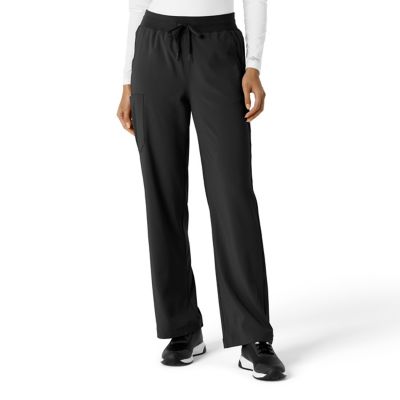
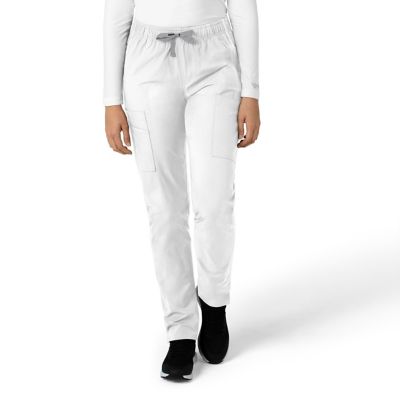
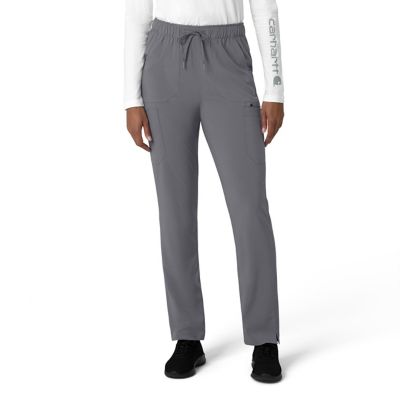
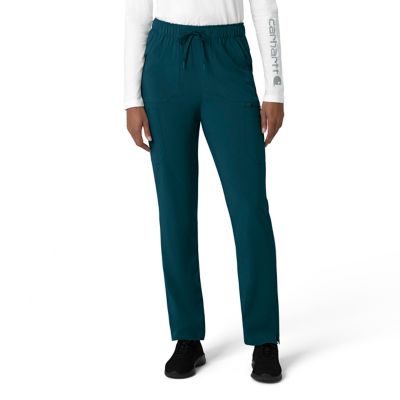
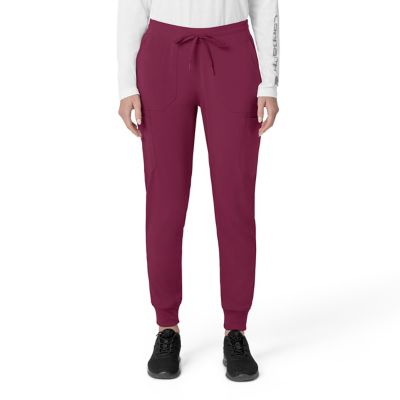
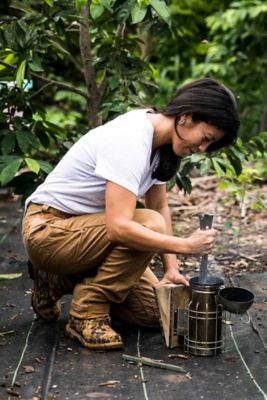
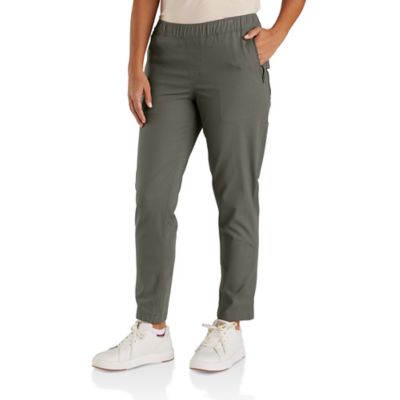
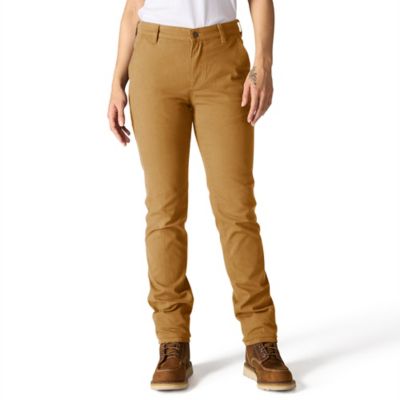
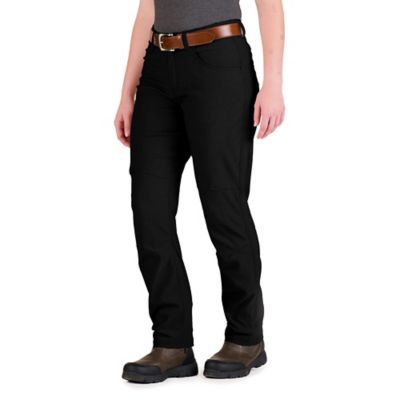
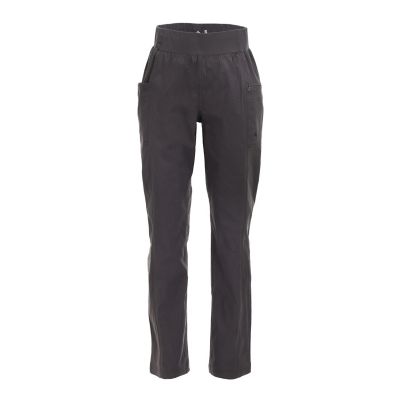
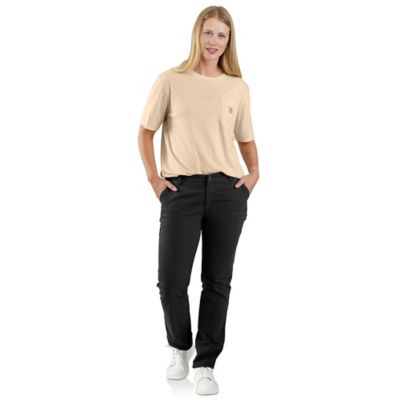
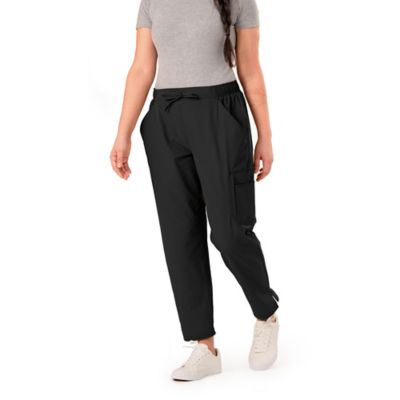
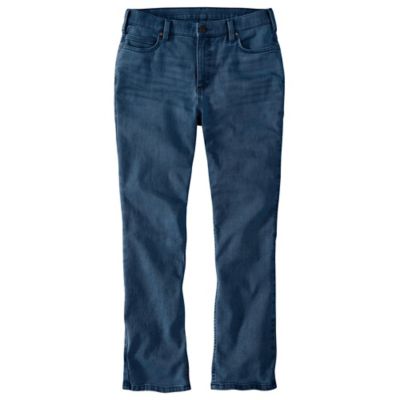
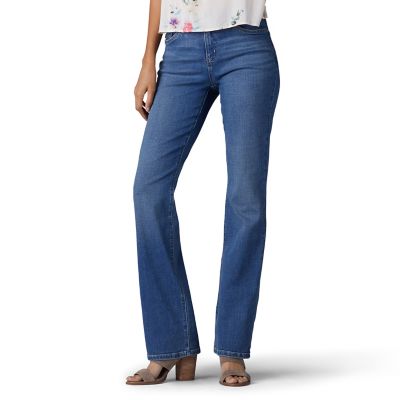
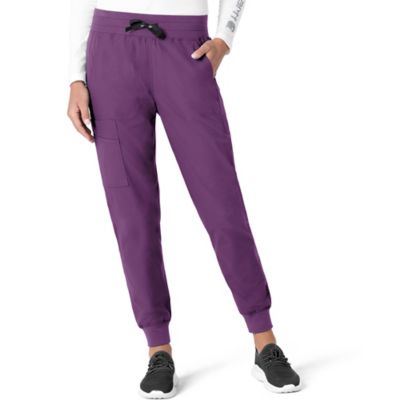
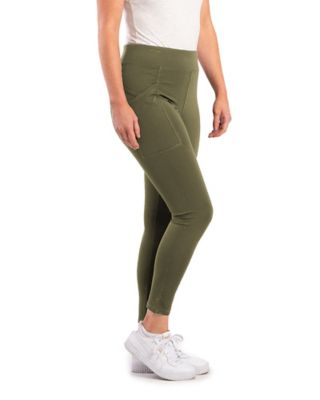
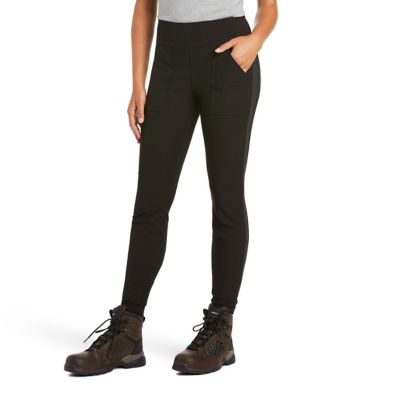
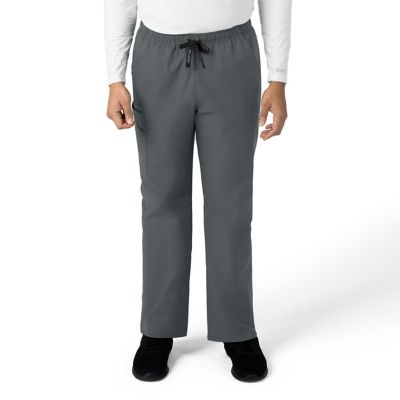
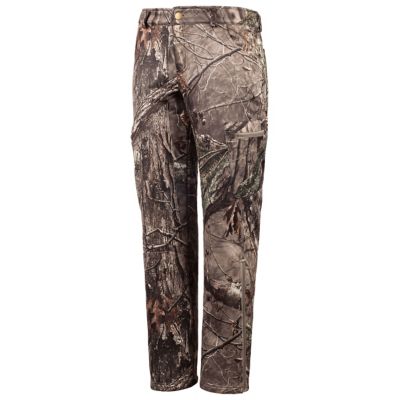
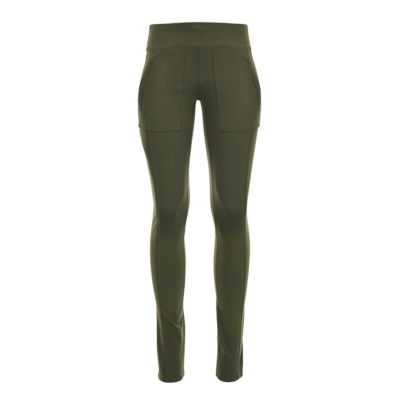
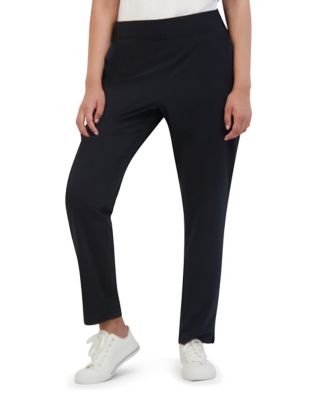
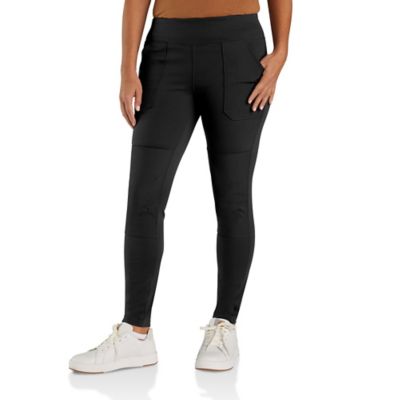
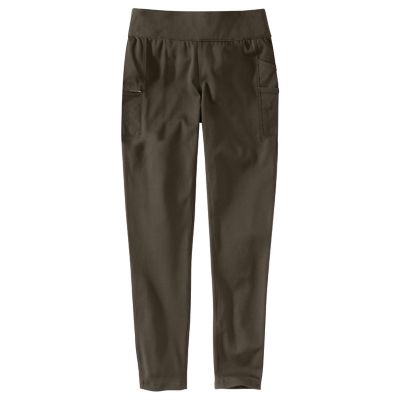
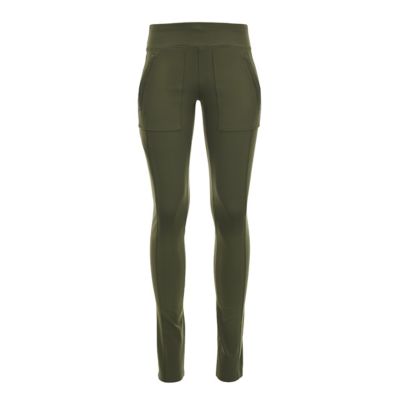
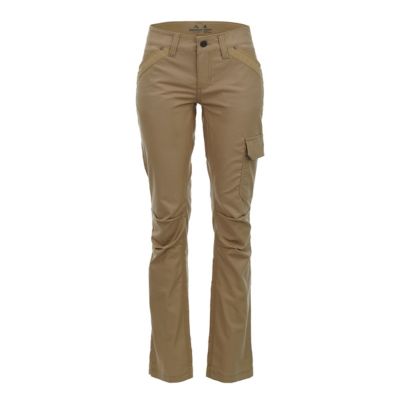
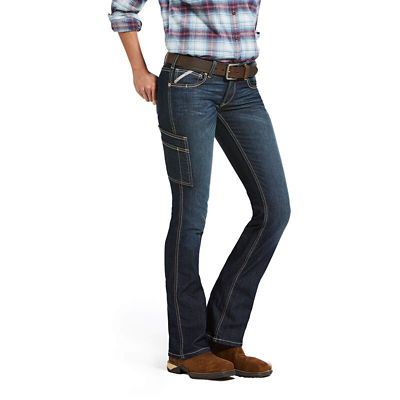
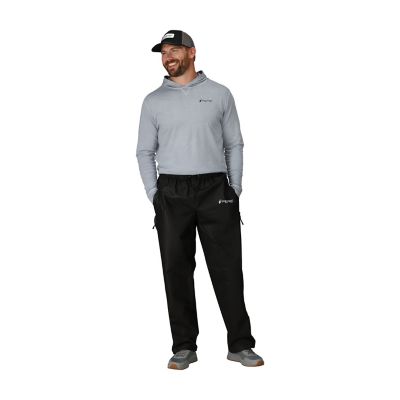
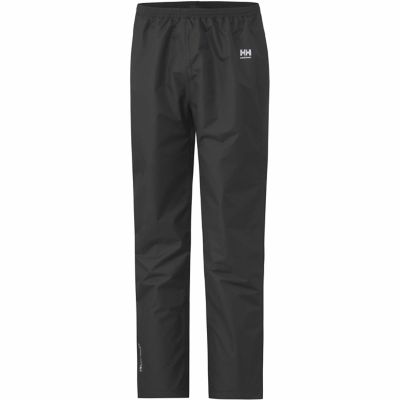
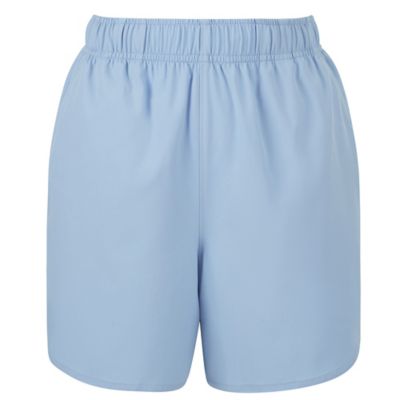
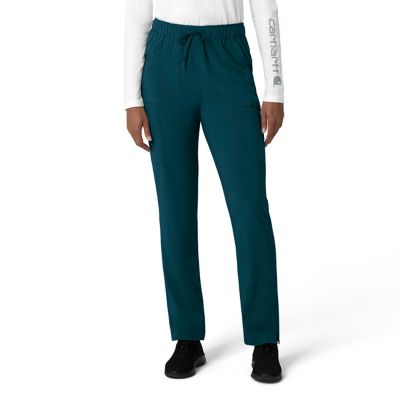
Women's stretch pants with an elastic waist bring a little more give to days that involve plenty of getting up, sitting down, and moving from one task to the next. Pulling weeds along a fence line, loading groceries into the truck, or settling in for a long drive all call for pants that move without a stiff waistband digging in. The right pair balances a comfortable waist with enough shape through the seat and legs to feel put together beyond the house. Fabric makes a noticeable difference in that balance. Cotton-rich blends generally have a soft, familiar feel, while polyester or nylon blends can add a smoother surface and help the fabric hold its shape. A small amount of spandex or elastane supplies stretch, though the percentage alone doesn't tell the whole story. Fabric weight, knit or woven construction, and the direction of the stretch also affect how pants feel when bending or reaching. Knit fabrics often have a relaxed, flexible feel, while stretch woven fabrics can offer a more structured look. A fabric that stretches comfortably and returns toward its original shape helps limit bagging at the knees and seat. Fit matters just as much as fiber content. An elastic waistband should sit comfortably without rolling, pinching, or needing constant adjustment. A higher rise can provide more coverage when leaning over, while a mid-rise fit may feel less restrictive through the torso. Waist measurements, hip measurements, and inseam length are all worth checking against the size chart, especially when comparing close-fitting legs with straight or relaxed cuts. Stretch adds freedom to move, but it isn't a substitute for enough room through the hips and thighs. A comfortable fit leaves space to sit on a porch step, climb into a pickup, or kneel beside a garden bed without tugging at the waistband afterward. That everyday ease is what makes elastic-waist stretch pants useful across a full day, rather than only during downtime.
Waistband construction can change the feel of women's stretch pants as much as the cut of the leg. A wide, flat elastic waist spreads contact across a larger area, while a gathered waistband offers a softer, more relaxed appearance. A fully elastic waist provides give all the way around; a flat-front style with elastic at the back or sides can create a smoother look under an untucked shirt. An adjustable drawstring adds another way to fine-tune the fit, particularly when pockets carry a phone or keys. Pocket placement deserves attention, too. Front pockets that lie flat can feel less bulky at the hips, and deeper pockets may help keep small belongings from slipping out when sitting. Closures can add security, though no pocket should carry something that makes bending uncomfortable. Through the legs, a straight cut offers room without a close fit, a tapered cut narrows toward the ankle, and a relaxed cut leaves more space through the thigh. The best match depends on the job and the footwear. A hem that clears the ground stays out from under a heel, while an opening with enough room can sit comfortably over everyday boots. For chores that involve crouching, a gusseted crotch or thoughtfully placed seams may reduce pulling. Reinforcement at high-friction areas can also be helpful when the day includes kneeling, carrying, or brushing against rough surfaces. Those details don't turn everyday pants into protective workwear, so tasks with special safety requirements still call for clothing rated for the work. Loose hems and hanging drawcords also need consideration around moving equipment. For ordinary errands, household projects, or time around the property, the appeal is simpler: a waist that gives when sitting and legs that allow an easy stride. Fabric thickness and coverage matter here as well, particularly in close-fitting styles. Stretch pants should feel comfortable in motion without becoming sheer across the seat or knees when the fabric is under tension.
Care plays a big part in how well elastic-waist pants keep their fit over time. The care label is the starting point because cotton blends, synthetic blends, and different waistband constructions don't all respond the same way to washing and drying. Excess heat can be hard on stretch fibers and elastic, so a lower dryer setting or air drying may be appropriate when the label allows it. Closing zippers and fastening hook-and-loop tabs on other garments can help reduce snagging in a mixed load, while turning pants inside out may limit surface rubbing. Giving dirt and stains attention before washing can make cleanup easier, but any treatment should suit the fabric and its care directions. Between wears, checking the waistband stitching, pocket corners, and inner-leg seams helps catch small issues before they become bigger repairs. Pants that hold their shape and feel good through repeated wear tend to earn a regular place in the drawer. Styling can stay just as practical as the care routine. Straight-leg stretch pants pair easily with a simple T-shirt and lace-up shoes, while a neater pull-on cut can work with a button-front shirt for errands or a casual meal out. Relaxed fits offer room for unwinding after chores without making a complete change of clothes necessary. When choosing pants as a gift, a familiar rise, preferred leg shape, and known inseam are more helpful than guessing from a usual size alone. For someone putting together comfortable everyday clothing for another member of the household,
men's work pants with an elastic waist offer a related place to explore. Across either category, the most useful details are the ones that suit the wearer's routine: enough stretch to move, a waistband that stays comfortable while seated, pockets that serve a purpose, and a cut that works with the shoes worn most often.