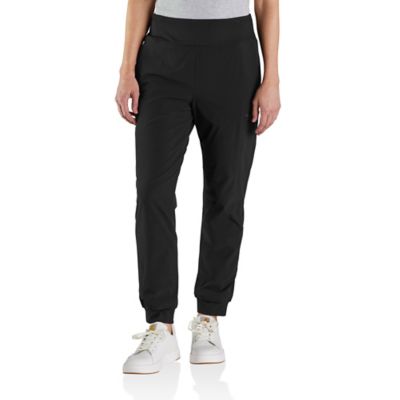
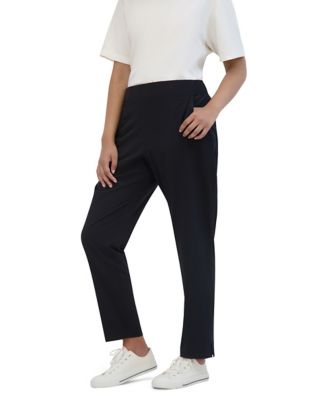
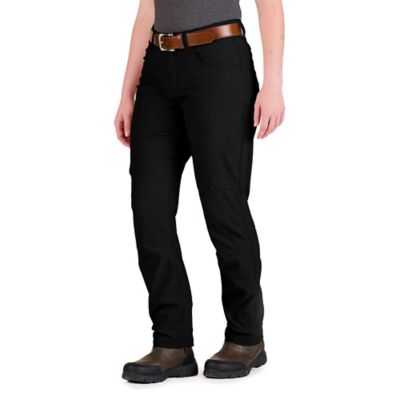
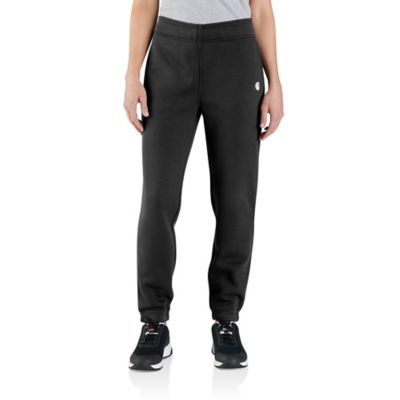
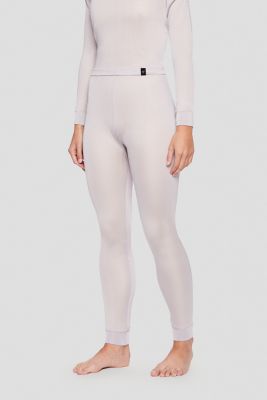
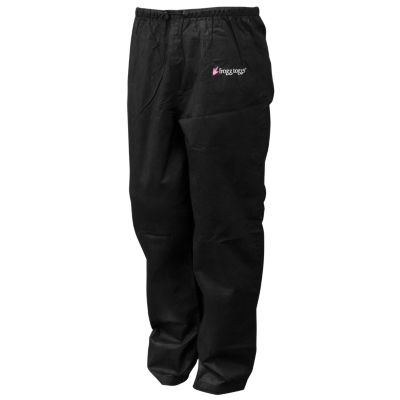
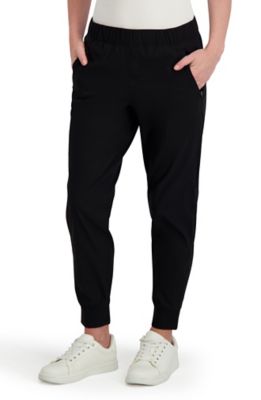
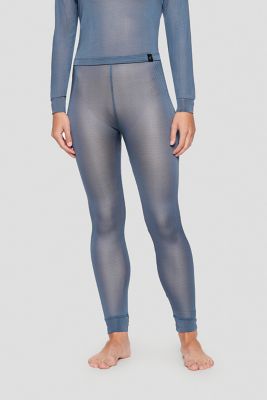
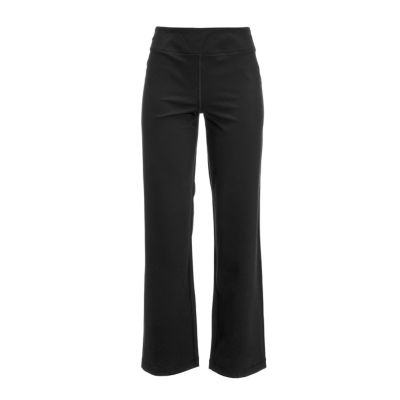
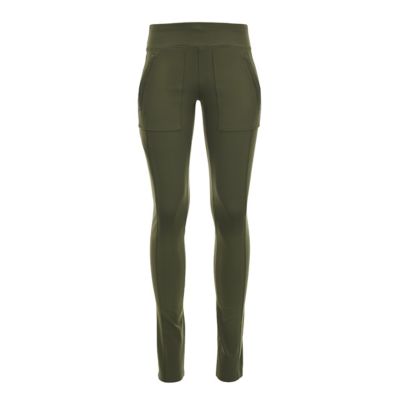
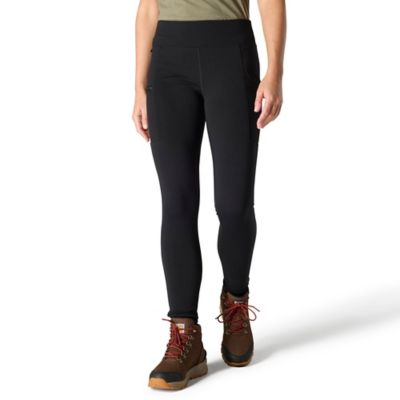
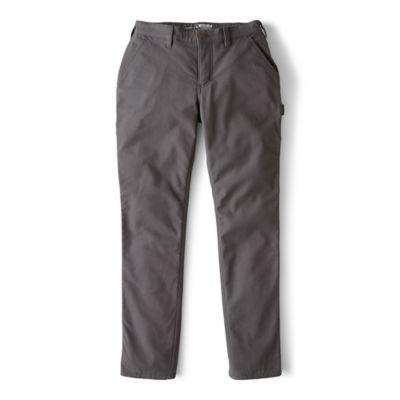
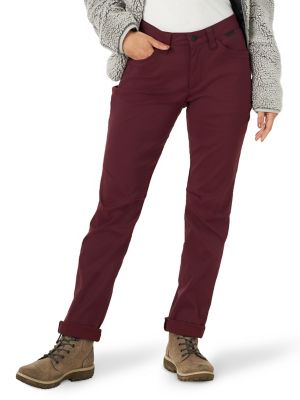
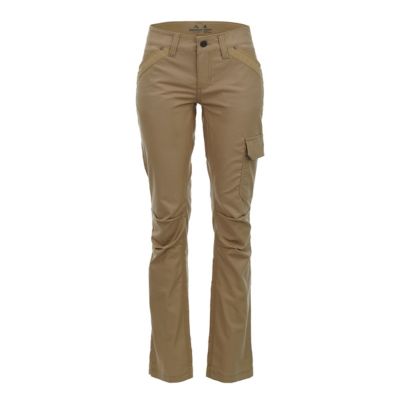
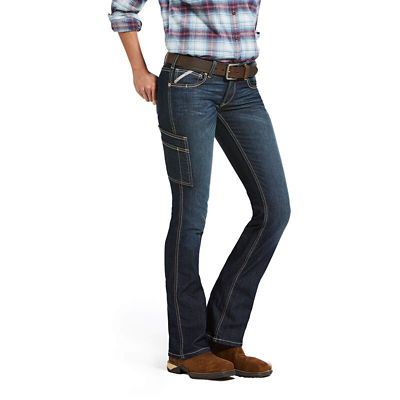
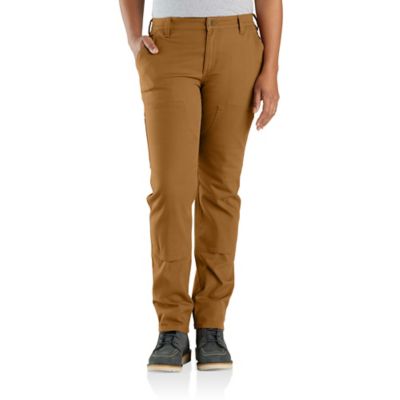
Women’s active pants include leggings, joggers, straight-leg pants and relaxed styles made for movement, whether that means a workout, a walk down the gravel lane or a day of errands in town. The common thread is a fit that lets the body bend, stretch and stride without constant tugging or adjusting. Unlike pants intended mainly for sitting or dressing up, active styles put more emphasis on flexible fabrics, practical waistbands and freedom through the hips and knees. Leggings follow the shape of the body and keep extra fabric out of the way during floor exercises, stretching and steady-paced walks. Joggers leave a little more room through the leg, with cuffs that help keep hems clear of shoes. Straight-leg and wide-leg active pants give the lower leg more space and can feel less restrictive for everyday wear, while cargo-inspired styles add pockets for small essentials. Fit matters as much as the shape of the leg. A waistband should feel secure without digging in when seated, and the fabric across the hips should lie smoothly rather than pulling sharply at seams. A high rise can provide more coverage while bending, while a mid-rise fit may feel more familiar to someone who prefers a waistband closer to the hips. Stretch should support movement without making the pants feel like they are working against every step. Length also changes how a pair wears: full-length hems should clear the ground, cropped cuts should leave room for comfortable ankle movement, and jogger cuffs should sit without squeezing. For someone moving between a home workout, walking the property and climbing into a pickup, those small fit details can make a noticeable difference. A pair that feels comfortable standing still should also feel comfortable while reaching toward the floor, taking a deep stride or sitting behind the wheel. The best match comes down to how the pants move with the person wearing them, not just how they look on a hanger.
Fabric gives women’s workout pants much of their character. Polyester and nylon blends are common in activewear, often paired with spandex or elastane for stretch and recovery. Recovery is the fabric’s ability to return toward its original shape after stretching, which helps limit bagging at the knees and seat. Cotton-rich knits tend to have a familiar, soft feel, though they can hold more moisture than many performance-oriented blends. Moisture-wicking fabrics are designed to move perspiration away from the skin, and drying speed depends on the fiber blend, fabric weight and construction. Those details matter during a brisk walk, a strength session or any activity that works up a sweat. Knit fabrics generally have a pliable feel, while stretch-woven pants can provide a smoother surface and a more structured shape. Neither is automatically better; the right feel depends on the activity and personal preference. Fabric thickness and coverage deserve attention, too. Material that looks opaque while standing may look different when stretched across the knees or seat, especially in lighter shades. Smooth, low-profile seams can help reduce rubbing during repeated movement, and a gusset at the crotch can allow more room for bending and stepping. Pockets are another practical consideration. A deep side pocket can keep a phone close during a walk, while a zippered pocket adds security for a house key. Pocket placement should keep essentials from bouncing against the leg or pulling the waistband down. Drawcords offer another way to adjust the waist, particularly when pockets carry a little weight. For regular wear, closely stitched seams, firmly attached pocket openings and fabric that resists excessive snagging all contribute to how well pants hold up. Contact with rough benches, gravel and hook-and-loop fasteners can wear down softer fabrics, so active pants make more sense for exercise and everyday movement than for jobs that call for protective workwear. A comfortable pair can cover plenty of ground without being the right clothing for every task around the place.
Care helps preserve the fit and feel that make active pants worth reaching for again. The sewn-in care label is the starting point, since fabric blends, finishes and construction can call for different washing and drying methods. Washing similar fabrics together can limit friction, and keeping activewear away from open zippers or rough hardware helps reduce snags. Turning pants inside out before washing may help protect the outer surface. Many stretch fabrics benefit from gentle washing and less exposure to high dryer heat, but the label should settle the details. Fabric softener can interfere with moisture-management finishes on some garments, so checking care directions matters more than following the same laundry routine for every pair. Giving sweaty clothing a chance to dry before it sits in a hamper can also help keep laundry day more manageable. Between wears, a glance at the waistband, inner thighs and seams can reveal loose threads or thinning fabric before a small issue gets bigger. Beyond care, having pants that suit different activities makes getting dressed simpler. Close-fitting leggings work well when freedom of movement and minimal loose fabric take priority, while relaxed joggers or straight-leg active pants can feel more at home for a long drive, walking the dog or stopping at the feed store. For everyday plans that lean less toward exercise,
women’s casual pants offer another direction without needing the same workout-focused features. Active pants can also make a thoughtful gift for someone who enjoys walking, stretching or staying busy outdoors, provided the size, preferred rise and usual leg shape are familiar. A favorite pair’s measurements often tell more than a size label alone. Whether the routine includes a few miles on foot, a short exercise session at home or plenty of getting up and down throughout the day, comfort comes from the combination of fabric, fit and useful details. Pants that stay put, move easily and suit the task leave more attention for whatever needs doing next.