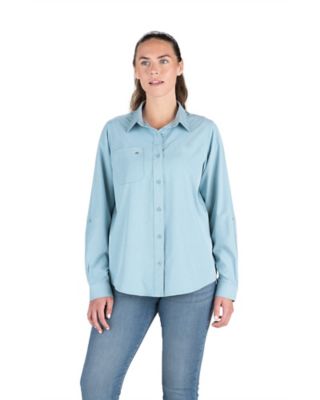
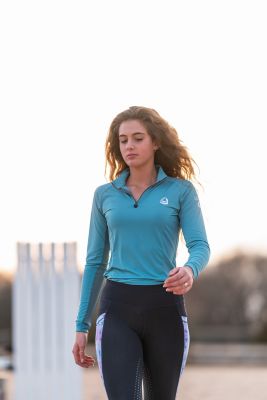
Women’s spandex shirts come in active, compression, and casual styles, with fits that range from close against the body to easy through the waist and hips. What they have in common is a fabric that gives when you move and can pull back into shape afterward. Spandex, also called elastane on clothing labels, is usually a small part of the blend rather than the main fiber. The rest of the fabric makes a difference you can feel. A cotton-spandex knit has the familiar feel of a cotton tee with more give across the shoulders, which suits everyday wear and chores that have you reaching or bending. Cotton tends to hold on to moisture longer than polyester, so a polyester-spandex shirt may feel better for a run or a gym session where you expect to work up a sweat. If moving sweat away from the skin matters, look for a fabric described as moisture-wicking rather than counting on the spandex to do that job. Nylon-spandex blends often have a smooth feel that lets another layer slide over the shirt without catching or bunching. The fiber percentages tell only part of the story, though. A lightweight jersey may fall loosely around the body, while a denser knit with a similar amount of spandex can feel firmer and offer more coverage. Some fabrics give mostly from side to side, while four-way stretch gives both across and along the fabric. That extra direction of stretch can make a difference in a longer shirt, where the fabric needs to give across your back as you reach down without tugging hard at the hem. There’s also a difference between a shirt that feels soft in your hands and one that feels good in motion. A seam that lies flat along the shoulder may matter more than an especially soft knit if a backpack strap or overall bib is going to sit against it for hours.
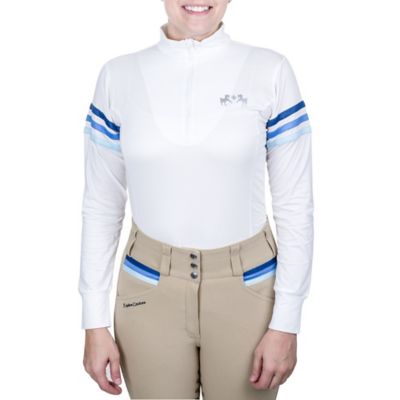
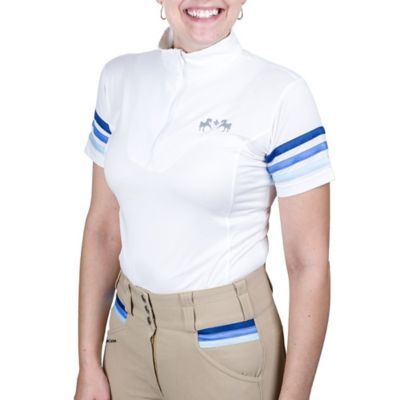
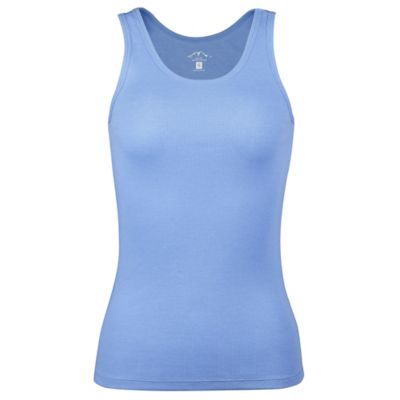
Start with what you’ll be doing in the shirt and how close you like it to fit. For running, a shirt that follows the body without squeezing can cut down on fabric flapping around, and a hem that stays put matters when your arms are swinging for miles. At the gym, a stretch tank leaves the upper arms free for presses and rows, but the armholes should give you the coverage you want when you lean forward or reach overhead. Short sleeves are a middle ground if you like some shoulder coverage without fabric down to the wrist. For workouts where you prefer more arm coverage, narrow the search to
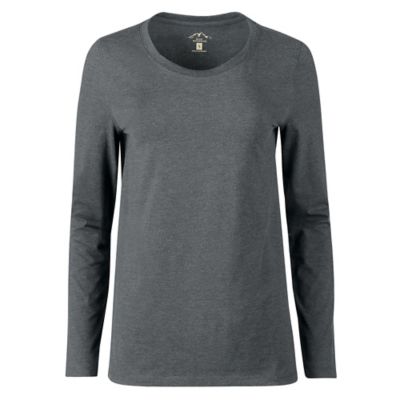
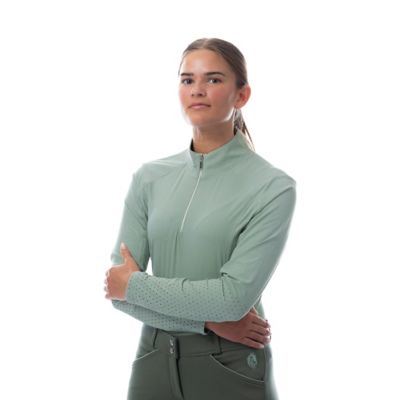
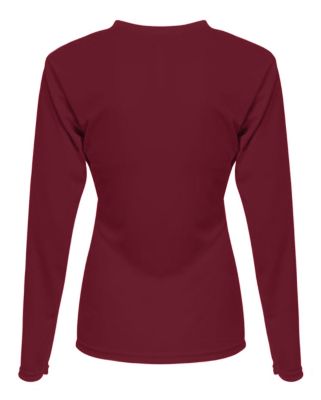
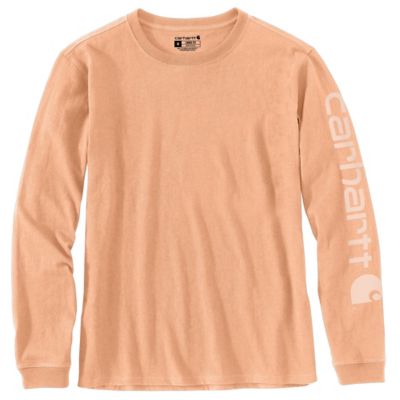
Womens Long Sleeve Gym Shirts. Check how the cuffs sit when your elbows are bent, especially if you wear a watch or don’t like sleeves creeping over your palms. A compression shirt is meant to feel snug more consistently across the torso and, depending on the cut, along the arms. A regular fitted stretch tee can sit close without that same firm feel, and a relaxed shirt can still have plenty of stretch without tracing your waist. For layering under an overshirt or overalls, a closer fit usually leaves less fabric to gather where the layers meet. For a day that starts with feeding animals and ends with a stop in town, a casual stretch tee with room through the middle can be an easy choice. A longer hem gives you something to tuck in before you bend to fill a feed pan, while a shorter hem may sit more neatly over high-rise jeans. Neckline and sleeve cut can affect comfort just as much as the fit through the middle. A neckline that stays close when you bend over a workbench offers more coverage, and a sleeve that’s roomy enough around the upper arm won’t feel like it’s digging in every time you carry a full bucket.
To judge the fit, compare your measurements with the size chart instead of assuming that every stretch shirt in your usual size will feel the same. Spandex can give you room to move, but it won’t make up for a shoulder seam that pulls or a hem that rides up every time you lift your arms. When trying on a shirt, reach forward like you’re closing a gate, then lift your arms like you’re putting a bin on a shelf. Those two moves can show whether the shirt binds across the back, shifts around the neckline, or leaves less coverage at the waist than you want. If coverage is important, notice how the fabric looks when stretched as well as when it’s hanging loose. For regular wear, think about where the shirt will rub. An overall strap that lands on the same spot day after day can leave fuzz on the surface, and loose hardware or open hook-and-loop fasteners can snag a fine knit in the wash. Fastening those closures and washing stretch shirts with other soft garments can help limit that wear. Follow the care label for washing and drying, since the other fibers in the blend have a say in how the shirt should be treated. If the label allows air-drying, it’s a simple way to avoid repeated exposure to dryer heat, which can weaken stretch fibers over time. A women’s spandex shirt can make a practical gift for someone who spends a lot of time at the gym, on the trail, or working around the place. The best clue is a shirt she already reaches for: note where the sleeves end, how far the hem falls, and whether she likes a close fit or room to spare. Those details say more about what she’ll reach for again than the stretch percentage on the tag.