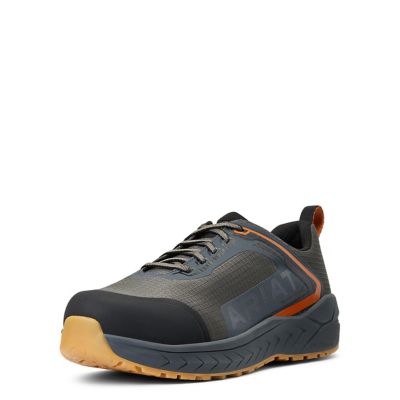
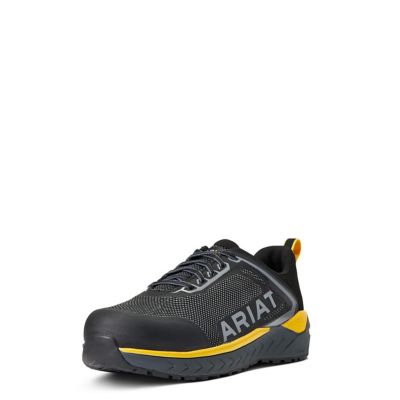
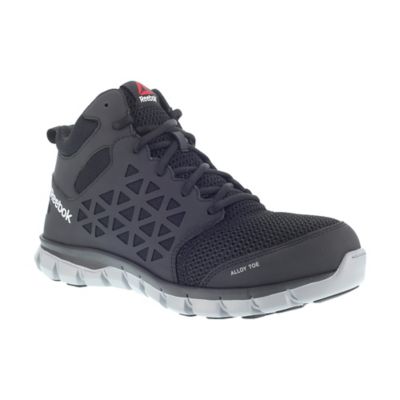
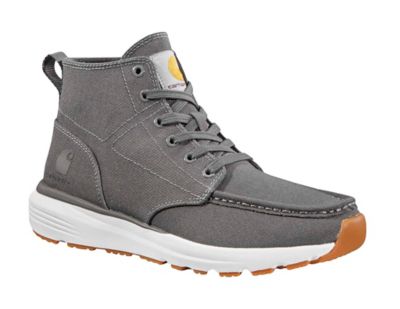
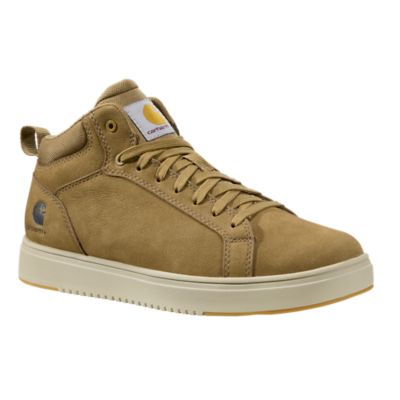
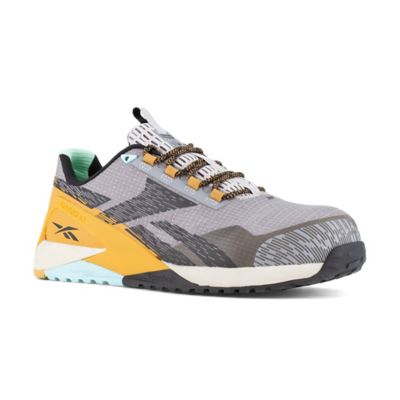
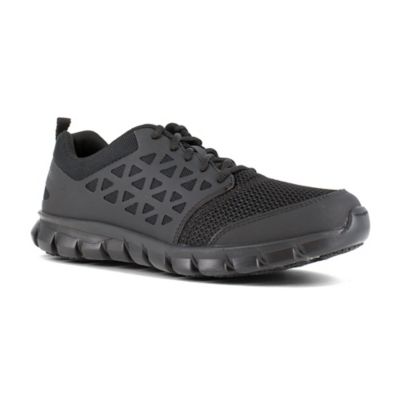
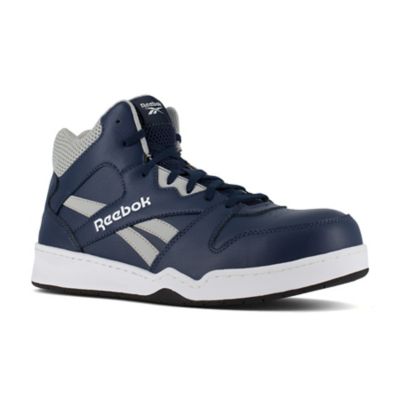
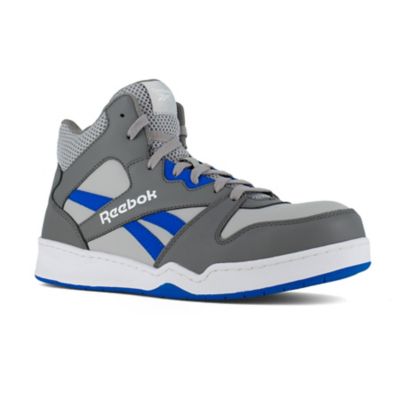
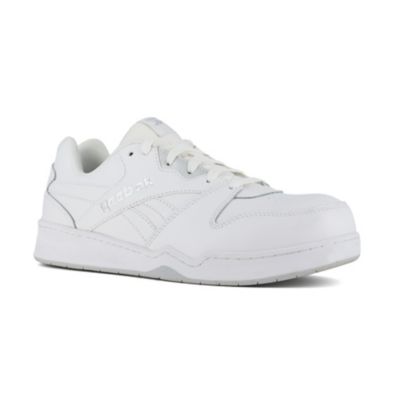
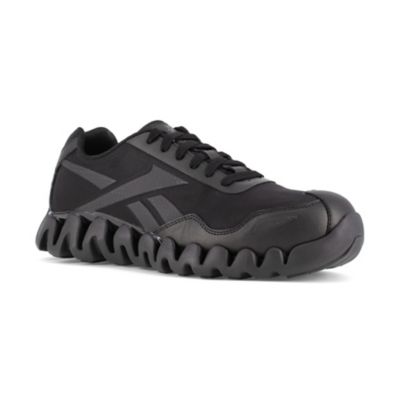
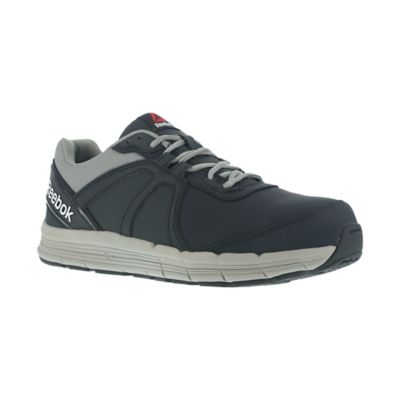
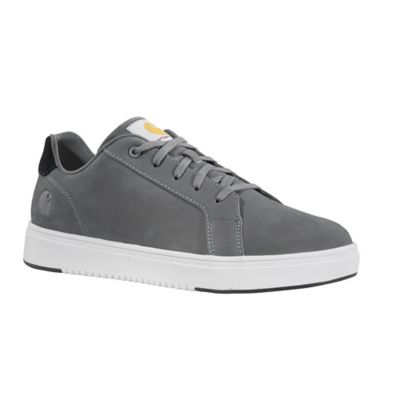
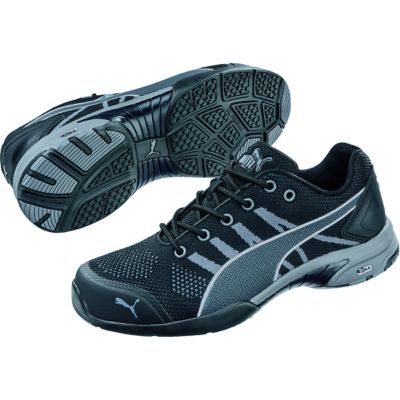
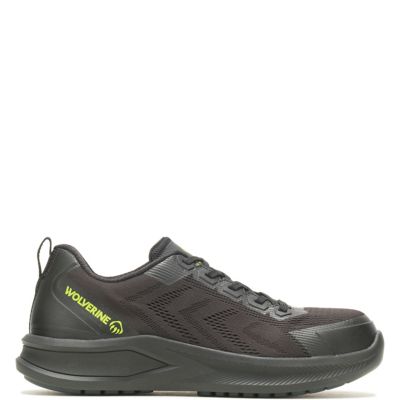
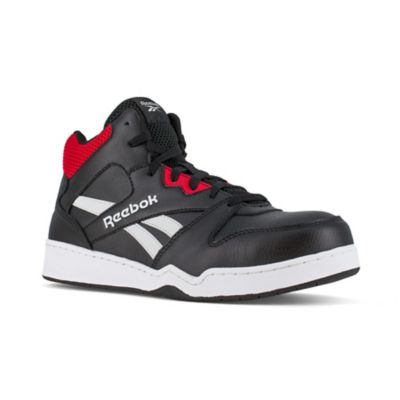
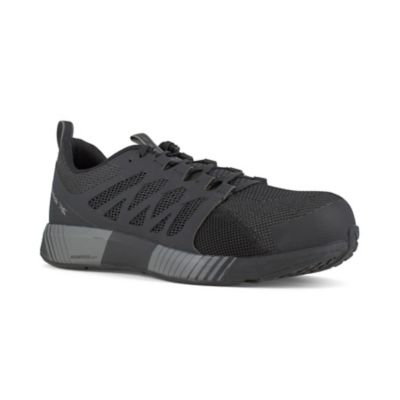
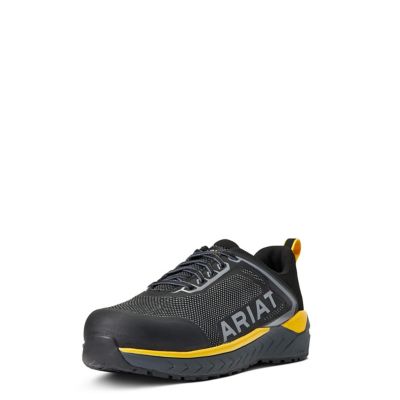
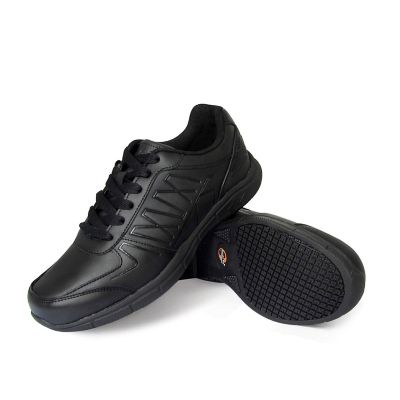
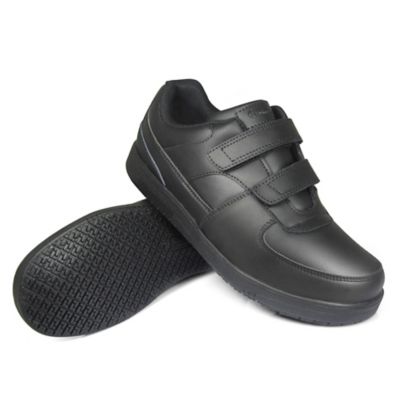
Comfortable work sneakers combine the familiar feel of athletic footwear with cushioning, support and job-specific features for hours spent walking or standing. They fit into workdays that might include checking shelves, moving between a stockroom and sales floor, handling light tasks in a farm office or covering a busy service counter. The right pair depends on what happens underfoot and what the job requires, not just how soft the shoe feels at first try-on. Concrete floors, frequent turns and repeated trips across a large building place different demands on footwear than mostly seated work. A cushioned midsole helps soften each step, while a steady platform and a secure heel help keep the foot from shifting around inside the shoe. For someone who stands at a counter, balanced support can matter as much as cushioning; for someone who walks aisle after aisle, manageable shoe weight and a natural bend through the forefoot also deserve attention. Materials make a difference in everyday wear. Mesh uppers allow airflow and often feel light, while leather and synthetic uppers can offer a smoother surface that is easier to wipe down after a dusty shift. Reinforced areas around the toe and heel help protect spots that regularly brush against shelving, carts or equipment. Outsole construction matters, too. Slip-resistant work sneakers are intended to improve traction on certain surfaces, but that label does not mean every floor or spill presents the same footing. Tread pattern, outsole material and the condition of the walking surface all play a part. A broad contact area can feel steady on smooth floors, while deeper grooves may suit a different work setting. Low-profile shapes and simple colors can also bridge the gap between hands-on tasks and customer-facing duties without the heavier feel of a traditional work boot. Workplace footwear rules remain the starting point, especially anywhere protective footwear is required.
A comfortable fit leaves room for the toes without letting the heel slide or the foot roll from side to side. Length alone does not tell the whole story: forefoot width, space above the toes and the shape through the middle of the shoe all affect how a pair feels after several hours. Feet can spread and swell over a full shift, so a snug fit that presses against the toes at the start may become distracting later. Work socks belong in the fit equation, particularly when thicker socks or a required insole take up room inside the shoe. Wide-width work sneakers can provide needed space without the extra length that comes from sizing up, and a removable footbed may make room for an appropriate replacement insert. Added cushioning is not always better if it crowds the foot or raises the heel too far out of its intended position. A padded collar can ease contact around the ankle, a well-placed tongue can soften lace pressure and adjustable laces can help hold the foot securely through repeated bending and walking. These small details become noticeable when the day includes crouching to reach a lower shelf, stepping around a workbench or carrying supplies down a hallway. For jobs that call for protection from falling or rolling objects,
Comfortable Steel Toe Sneakers combine an athletic shape with a protective toe cap. The toe cap needs enough clearance that the toes do not rub against it during normal movement. Steel, alloy and composite safety toes have different construction characteristics, but the applicable safety rating and workplace requirements matter more than appearance. Electrical-hazard protection, puncture resistance and other protective features are separate considerations; they should never be assumed from the presence of a safety toe. Soft-toe work sneakers serve a different purpose and are not a substitute where safety-toe footwear is required. Comfort and protection work together best when both match the actual task.
Everyday care helps work sneakers stay comfortable and gives wear-prone areas the attention they need. Dust and grit can settle into fabric, collect along seams and lodge in outsole grooves, especially after trips between a work area, storage shed and shop floor. Brushing away loose dirt and following the footwear maker’s cleaning directions can help keep that buildup under control. Mesh, leather and synthetic materials do not all respond to the same cleaning method, and machine washing is not suitable for every construction. A lightly damp cloth may handle surface marks on some uppers, while certain leather footwear may call for a compatible cleaner or conditioner. Insoles and laces may have their own care directions as well. Letting footwear dry fully before the next wear helps manage moisture inside the shoe, and keeping shoes away from direct heat protects materials and adhesives. For people who work consecutive long shifts, rotating between suitable pairs can give each pair more time to dry. The outsole deserves a regular look, not just a quick glance at the upper. Packed tread, smooth patches, separation around the edges and uneven heel wear can change how a shoe grips or sits underfoot. Cushioning can also lose its spring before the outside looks worn out, leaving a familiar pair feeling flatter or less supportive through the day. Persistent rubbing, a collapsing heel lining or a footbed that no longer sits flat are signs that the fit deserves another look. Intended use matters throughout the shoe’s life: footwear suited to a clean stockroom may not be suited to deep mud, ladder work or tasks involving sharp debris. Comfortable work sneakers earn their place through a practical balance of fit, underfoot support, traction and construction suited to the job. From the first walk across the lot to the last trip through the back room, that balance helps keep attention on the work instead of on shoes that pinch, slip or weigh each step down.