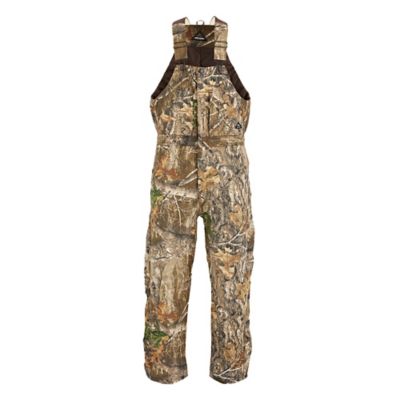
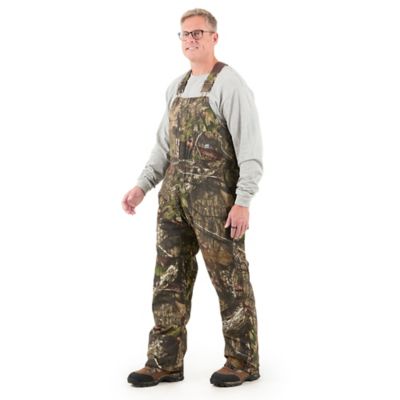
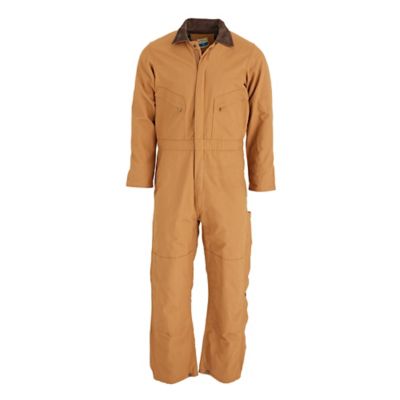
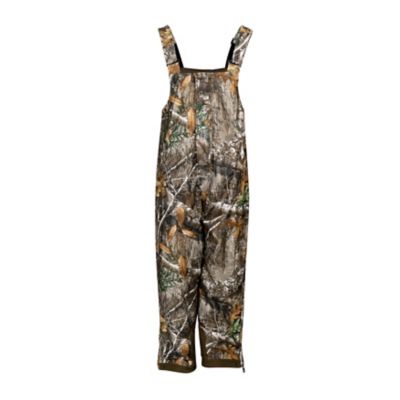
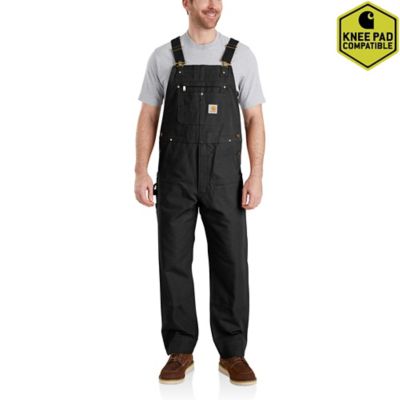
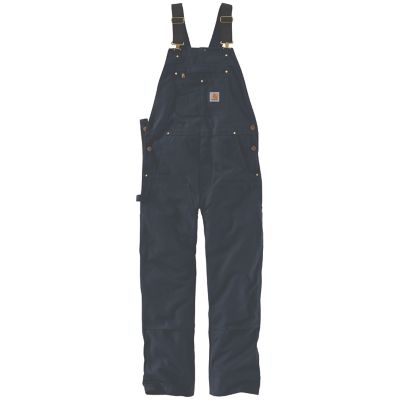
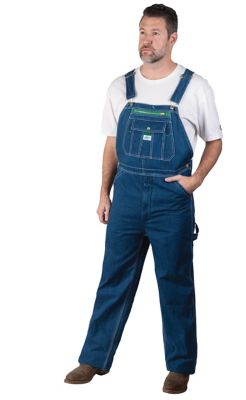
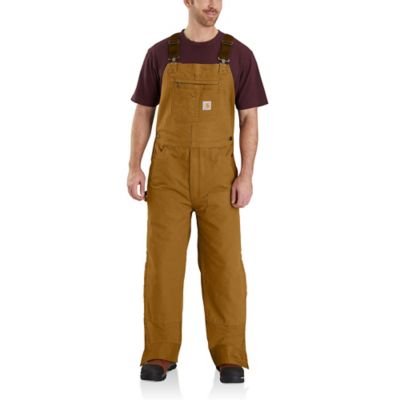
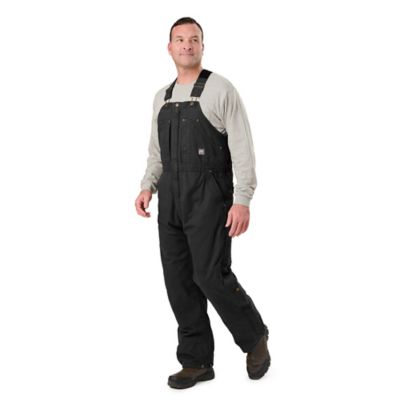
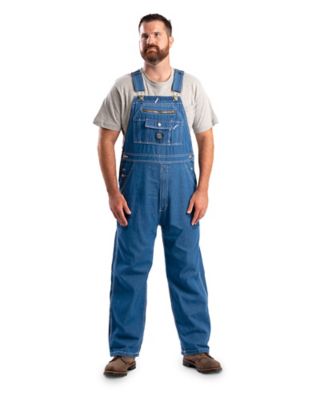
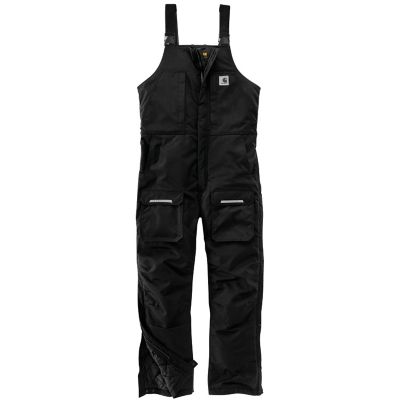
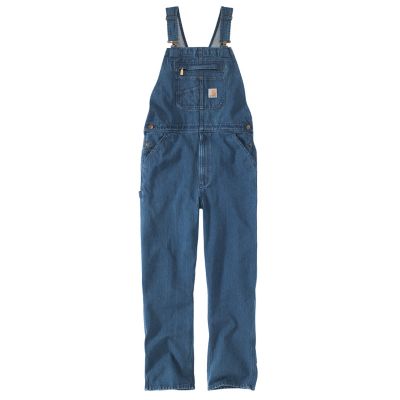
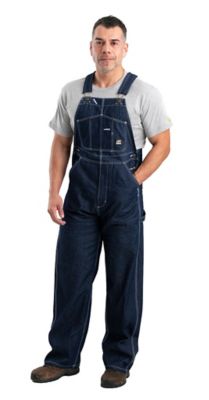
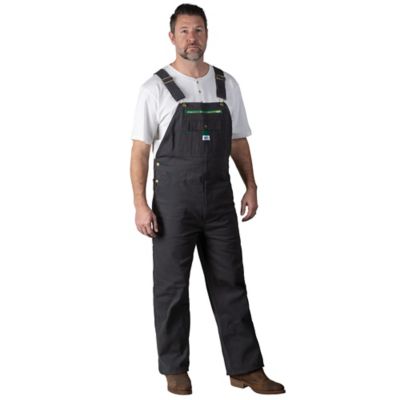
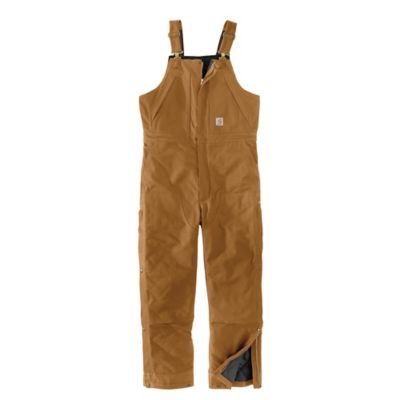
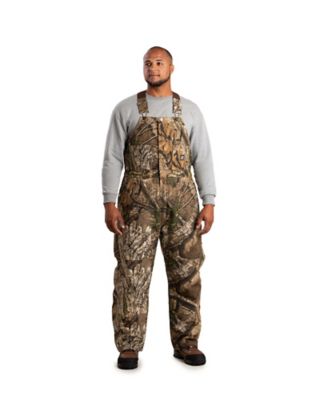
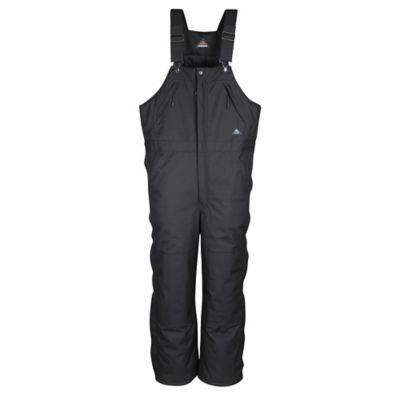
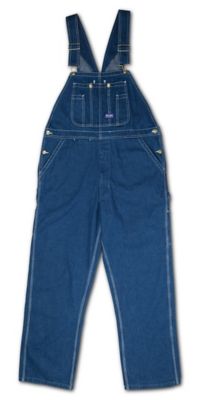
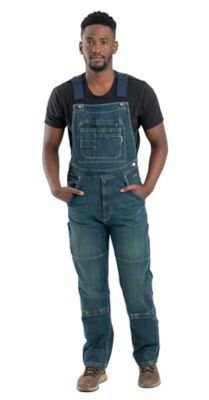
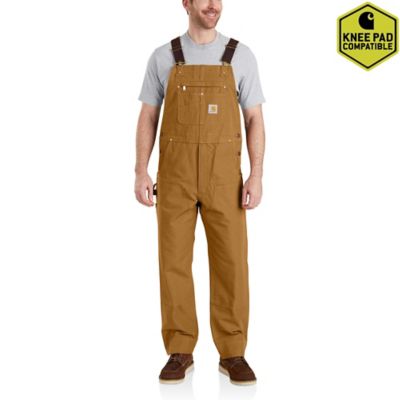
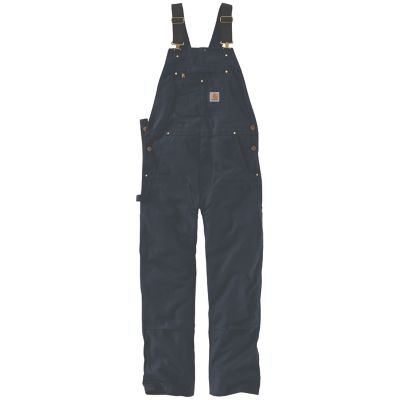
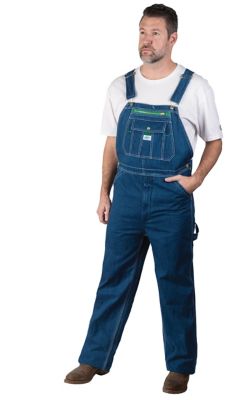
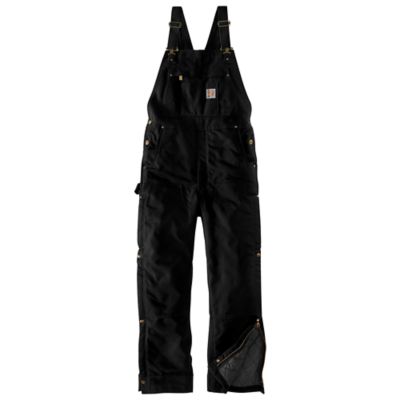
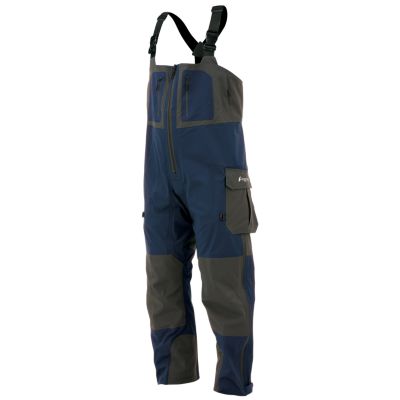
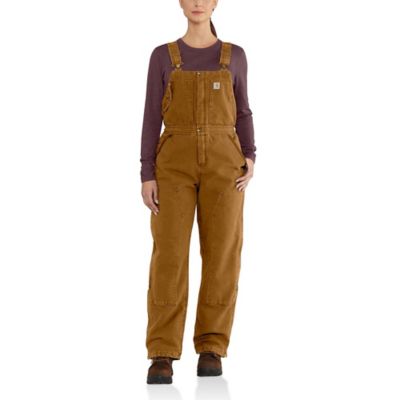
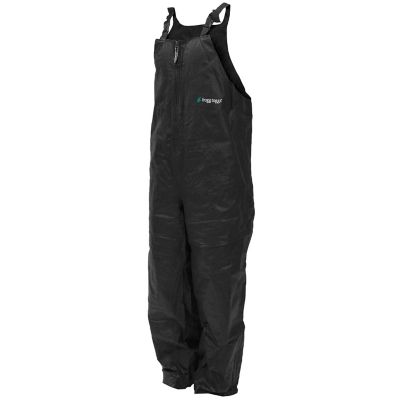
Men’s hunting bib overalls bring extra coverage to days that start before daylight and stretch well past the first chill. The bib front sits higher than a regular waistband, while shoulder straps help hold everything in place when you bend to lace up boots, step across a shallow ditch, or settle onto a ground seat. That coverage can make a difference when a jacket rides up or a cold breeze finds its way around your lower back. For hunters walking field edges, sitting in a blind, or crossing a stretch of timber, the right pair depends as much on the pace of the day as the temperature. Uninsulated hunting bibs leave room to build warmth with base layers and can be a practical match for long walks during milder weather. Insulated bibs help hold warmth during slower stretches, especially when there’s more sitting than moving. Fabric makes its own difference out in the field. Brushed polyester and other soft-faced materials can help limit the swishing sound of clothing rubbing together, while tightly woven shells offer a different feel and level of resistance to brush. Cotton-rich canvas has a substantial feel for rough ground and general outdoor wear, though it can absorb moisture and take longer to dry than many synthetic fabrics. Reinforced knees and seat panels, where included, add material in places that see plenty of rubbing against dirt, bark, and blind benches. Camouflage patterns range from broken woodland shapes to grassy and open-country looks, giving hunters choices that suit the surroundings. Solid colors have their place, too, particularly when bibs need to pull double duty around the property. Clothing color and camouflage don’t replace required hunter-orange garments, so local hunting rules still matter. From dry leaves underfoot to damp grass along a fence line, men’s hunting bibs work best when their materials and coverage line up with the conditions and the way the day will unfold.
A good fit leaves room for the layers underneath without turning every step into a shuffle. Hunting bib overalls often go over a thermal top and bottoms, and thicker insulation may call for a little more breathing room through the hips, thighs, and torso. Manufacturer size charts are worth checking against body measurements and the layers planned for the hunt, since sizing can vary between designs. Adjustable shoulder straps help position the bib front comfortably, but they shouldn’t have to carry the load of a fit that pulls at the crotch or binds across the back. There should be enough ease to sit on a low stool, climb a gentle bank, and kneel without tight fabric pressing against the knees. Too much extra length, on the other hand, can leave cuffs dragging through mud or catching beneath a boot heel. Articulated knees and gusseted construction, when offered, give movement a little more room without needing an overly loose cut. Leg openings deserve attention as well. Long side zippers can make it easier to get bibs on and off around hunting boots, while shorter ankle zippers help cuffs settle over footwear. Storm flaps over zippers can add protection from wind and moisture, depending on the garment’s construction. Pocket layout matters on a day when small things need to stay close. A chest pocket can keep a license or folded map within reach, and secure closures help keep gloves and other essentials from slipping out when you sit down. Bulky pocket loads can press against the body or knock together, so placement is just as important as pocket count. For colder, wetter outings,
Men's Insulated Waterproof Bibs bring together two features worth considering. Water-resistant fabric can shed light moisture, but it isn’t the same as a waterproof construction. Sealed seams, protected closures, and the manufacturer’s stated weather protection help tell the fuller story. Breathability also matters when a brisk walk to the blind gives way to a long, still wait.
Taking care of hunting bibs helps them stay ready for muddy approaches, frosty mornings, and the wear that comes with spending time outdoors. The care label is the starting point because insulated fabrics, waterproof membranes, and exterior water-repellent finishes don’t all tolerate the same washing and drying methods. Loose dirt and dried mud can often be brushed away before laundering, and pockets need a thorough check for burrs, twigs, and forgotten supplies. Closing zippers and fastening hook-and-loop tabs before washing can help limit snagging. When the manufacturer recommends a particular cleaner or advises against fabric softener, those details matter to how the fabric performs. Some water-repellent finishes need occasional treatment, but any spray, wash-in treatment, or dryer setting should be compatible with the garment. Bibs also need to dry fully before going into storage; packing them away damp can leave odors and mildew behind. Hanging them in a dry place between outings gives moisture a chance to escape and makes it easier to spot a loose buckle, worn cuff, or seam that needs attention. Strong stitching, sturdy strap hardware, and reinforcement at high-friction areas are useful construction details to look for, though no fabric is proof against every thorn, sharp edge, or snag. Keeping cuffs clear of the ground and handling zippers gently when they’re muddy or icy can help prevent needless wear. For someone who hunts regularly, bibs can be a thoughtful gift when their size, usual layers, and hunting style are already known. A hunter who spends hours tucked into a blind may value insulation and easy-access pockets, while someone covering miles of rolling ground may prefer less weight and more freedom to move. Beyond hunting season, suitable bibs can earn their keep checking fence lines, tending outdoor chores, or spending a cold morning around camp. The most useful pair isn’t necessarily the heaviest or the one with the most pockets. It’s the pair that fits comfortably, handles the expected weather, and lets the wearer get on with the day without constant tugging, adjusting, or fuss.