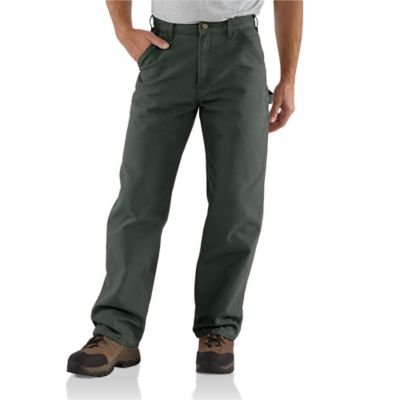
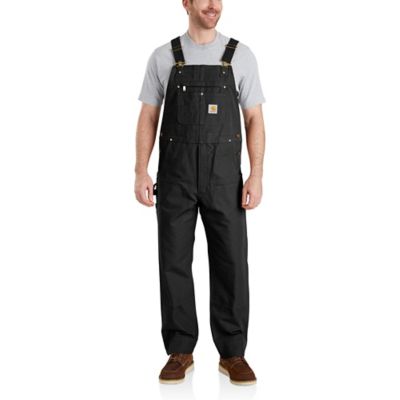
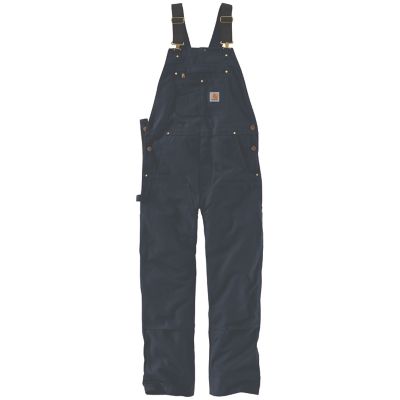
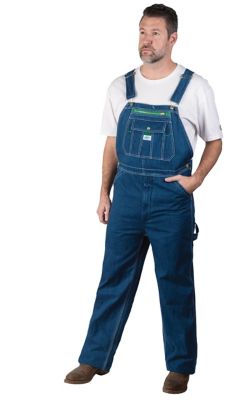
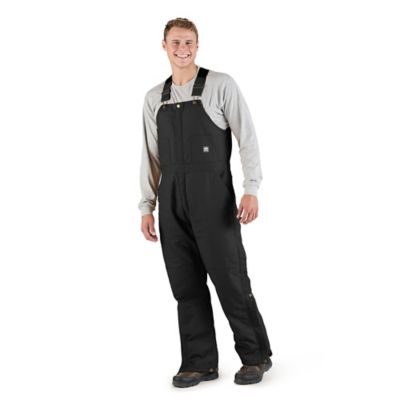
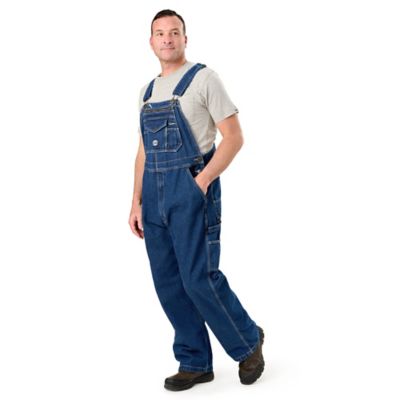
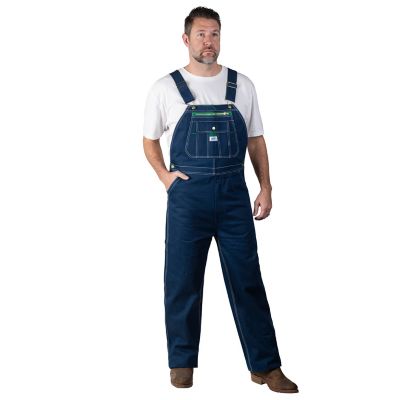
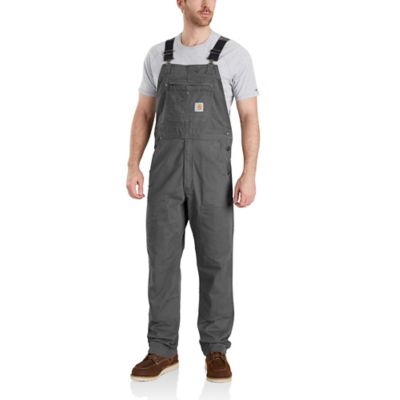
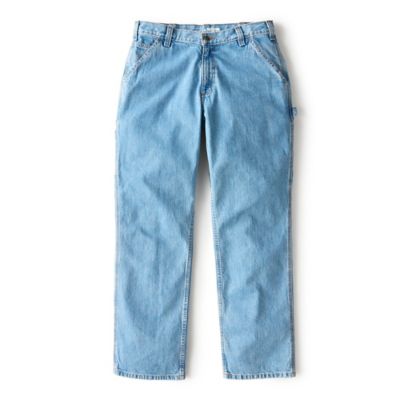
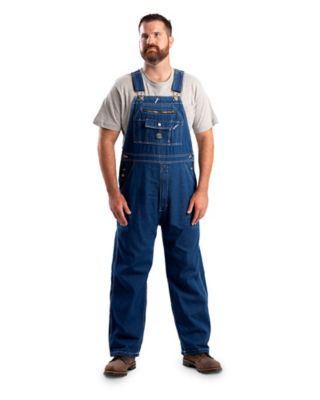
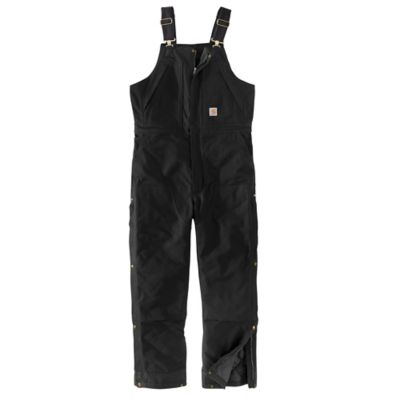
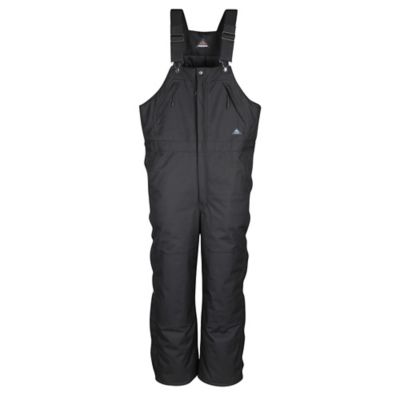
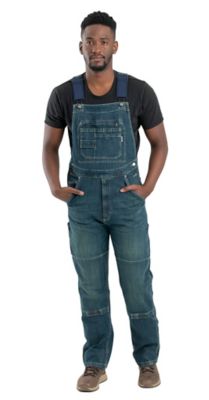
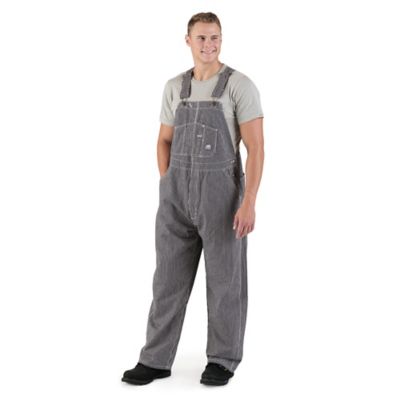
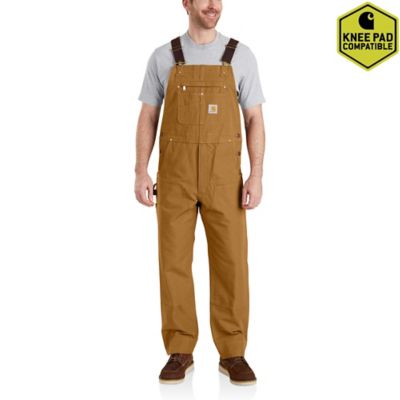
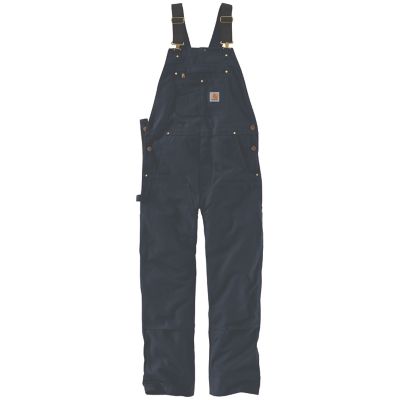
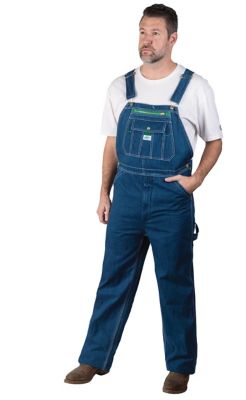
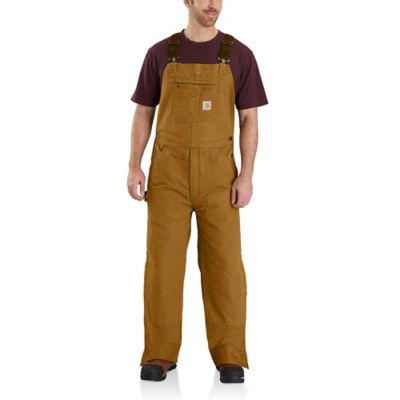
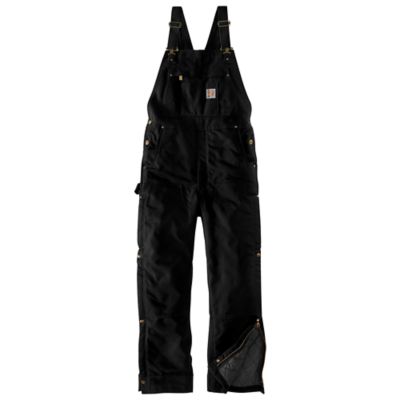
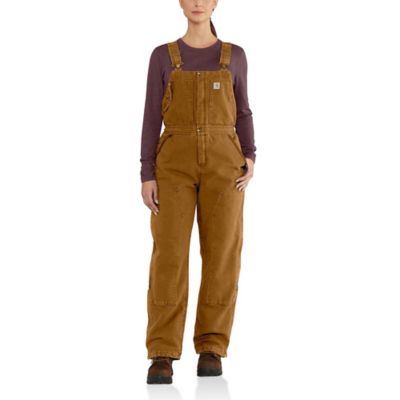
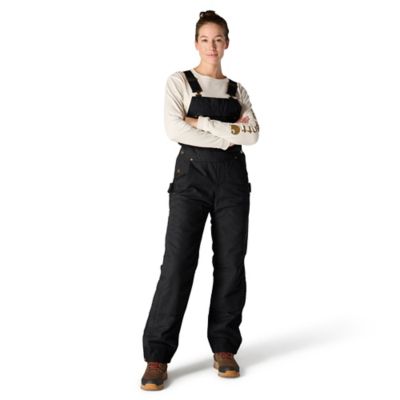
Men’s work overalls combine pants with a chest-high bib and shoulder straps, giving hardworking folks coverage that stays put through lifting, reaching, and bending. Unlike coveralls, which typically cover the arms and torso as well as the legs, bib overalls leave room to move without sleeves attached. The familiar shape of
Work Bib Overalls fits right in around livestock pens, repair shops, building sites, and backyard projects. A farmer carrying feed buckets, a carpenter setting cabinets, and a mechanic leaning over an engine all put different demands on the same basic garment. Fabric and construction make a big difference in how that garment handles the day. Denim has a twill weave and a familiar feel that generally softens with washing and wear. Cotton duck is a tightly woven canvas that often starts out firmer, making it worth paying attention to fabric weight and the amount of give through the seat and knees. Lighter canvas can feel less cumbersome during frequent movement, while heavier fabrics put more material between clothing and rough surfaces. Cotton blends may bring together the feel of cotton with other fibers that affect drying, shape retention, or stretch. A small amount of stretch can help when stepping onto a tractor platform or crouching beside a gate hinge, though the cut still needs to provide enough room. Reinforced knees, doubled fabric panels, and extra stitching at stress points are construction details that matter where garments take repeated rubbing and pulling. Those details vary by style, and heavier fabric alone doesn’t tell the whole story. Seam placement, pocket attachment, and the way straps connect to the bib also affect everyday wear. For someone moving between the feed room, equipment shed, and fence line, a comfortable pair should feel like part of the workday rather than something that needs constant tugging back into place.
Fit in men’s bib overalls involves more than matching a familiar jeans size. The waist, inseam, torso length, and space through the hips and thighs all work together, and sizing can differ from one style to another. Some cuts leave room over regular work clothes; others sit closer to the body. The intended layers matter, especially around the waist and seat, where extra fabric underneath can turn an otherwise comfortable fit into a tight one. Adjustable straps help position the bib, but they can’t make up for a torso that’s too short or a seat that binds when sitting. A good working fit leaves enough reach to grab a shelf, enough knee room to squat beside a water line, and enough space to settle into a truck seat without pulling at the crotch. The bib should rest comfortably across the chest, with straps lying flat rather than digging into the shoulders or slipping off. Side openings and waist closures affect how easily the garment goes on and how closely it sits around the middle. Leg shape deserves attention, too. Straight or roomier openings may sit over work boots more easily, while excess length can drag under a heel and wear away at the hem. Checking inseam measurements against the boots normally worn helps keep cuffs clear of the ground. Pockets are another part of fit and function, not just a place to stash everything within reach. A chest pocket can keep a pencil or small notebook handy, while deeper hip pockets and tool loops serve different tasks. Closures can help keep small belongings from falling out when leaning forward, but pocket dimensions still need to suit what’s carried. Heavy tools hanging from one side can pull on the garment and get in the way of movement. For a practical gift, the recipient’s measurements, preferred fit, and usual work routine matter more than guessing from shirt size alone. Familiar details, such as a preferred pocket layout or buckle style, can make the pair feel right from the start.
Everyday wear and care help determine how long work overalls stay ready for chores. Someone kneeling on a shop floor may put the knees through more wear than someone spending most of the day walking fence rows, while repeated contact with rough lumber can wear on thighs and pocket edges. Reinforcement is most useful when it lines up with those actual contact points. Knee-pad pockets, where included, need to match the intended inserts and position them correctly when kneeling; extra fabric at the knee is not the same thing as impact protection. Ordinary work overalls also shouldn’t be treated as flame-resistant clothing, chemical protection, or protection around moving machinery unless the garment carries the appropriate designation for the task. Loose straps, dangling loops, and unsecured belongings need particular attention near equipment. Between jobs, emptying pockets and brushing off dried dirt can keep grit and forgotten hardware from following the garment into the wash. The care label sets the rules for water temperature, drying, and any limits related to fibers, linings, or finishes. Fastening closures as directed and checking pockets before laundering help prevent snags and damage to other clothing. Heavy soil may call for pretreatment with a product suited to the fabric, rather than a harsher wash that the label doesn’t permit. Cotton garments can change dimensions with washing and drying, so shrinkage information matters when choosing a size and setting up a care routine. Letting wet overalls dry fully before putting them away helps keep them ready for the next round of chores. A loose button, fraying pocket corner, or small seam opening is easier to address before it becomes a bigger tear. Clear pocket access, comfortable straps, sound stitching, and a fit that works from standing to kneeling all contribute to a pair that earns its place on the hook by the door. The right men’s work overalls suit the person wearing them and the work waiting outside, without making simple chores feel any harder than they already are.