Women’s belts for jeans typically measure 1 to 1.5 inches wide, a range that fits many standard denim belt loops. The right width still depends on the jeans: narrow loops call for a slimmer strap, while wider loops can accommodate a more substantial belt without bunching the waistband. Belt length depends on the measurement around the spot where the jeans sit, rather than the jeans size alone. High-rise denim rests at a different point than mid-rise or low-rise jeans, so a belt that feels just right with one pair may fasten at a different hole with another. A comfortable fit leaves room to sit, bend, and move without the buckle digging in or the strap pulling tightly across the waist. That matters whether the day involves hauling feed, driving into town, or spending hours on your feet. A belt can help keep a waistband settled, but it should not have to gather several inches of extra fabric to hold jeans in place. Enough adjustment holes and a keeper loop that holds the loose end close make everyday wear simpler, especially when switching between denim cuts. Many sizing charts measure from the buckle attachment point to the center hole rather than the full length of the strap, although measuring methods vary by maker. Comparing the size chart with a belt that already fits well offers a better starting point than guessing from a clothing label. The buckle deserves a little attention, too. A flatter buckle generally sits closer beneath an untucked shirt, while a larger buckle makes more of a statement with a tucked-in tee or snap-front shirt. For someone who spends plenty of time seated in a truck or leaning over a workbench, the buckle’s shape and placement can matter as much as the strap itself. The most comfortable combination lets the jeans sit naturally, keeps the belt level through the loops, and leaves a manageable amount of strap beyond the fastening point.
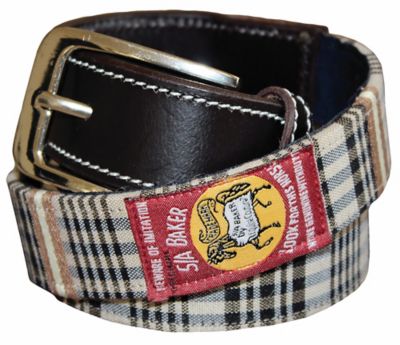
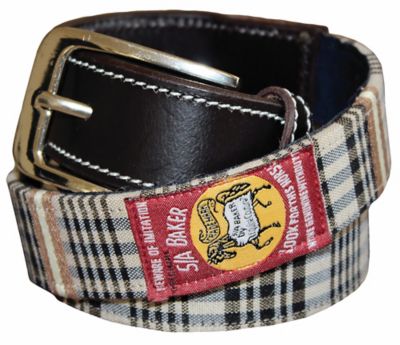
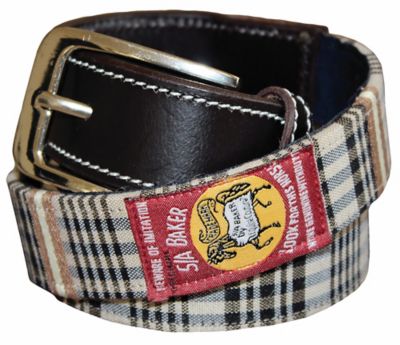
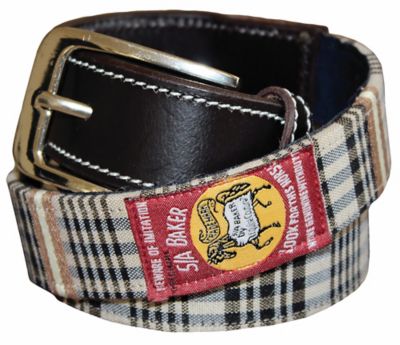
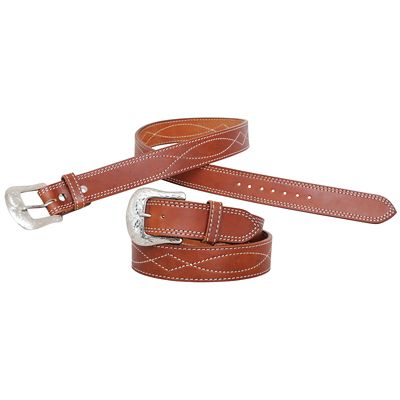
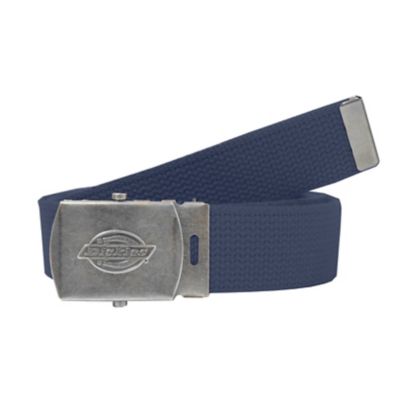
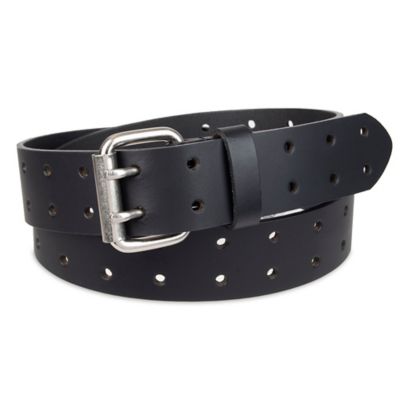
Materials and construction shape how women’s belts for jeans feel at first and how they handle repeated wear. Leather has a familiar place alongside denim because it offers structure and gradually develops creases and character where it bends. Full-grain leather retains the hide’s natural surface, while top-grain leather has a surface that has been refined for a more even appearance. Neither label tells the whole story on its own; strap thickness, stitching, edge finishing, and buckle attachment also affect how a belt holds up. A thick leather strap may feel firm initially, whereas a thinner one can bend more easily around the waist. Smooth edges are especially welcome where the belt passes through snug loops, and even stitching helps keep layered sections together. Bonded leather contains leather fibers joined with binders, so its construction and care needs differ from those of a solid leather strap. Synthetic materials offer another choice for shoppers who prefer a nonleather belt, with flexibility, surface texture, and maintenance needs varying by material. Woven fabric belts bring a softer, more relaxed feel to casual denim, and some woven designs allow adjustment between the strands rather than at fixed holes. Stretch styles can provide extra give with movement, though the amount of support depends on the weave and buckle. Hardware is another part of the picture: a securely attached buckle, a prong that seats cleanly in the holes, and a keeper that holds its shape all contribute to everyday function. For a different fastening layout and a more pronounced pattern along the strap,
Double-Hole Belts For Jeans bring paired rows of holes into the mix. With any style, the buckle needs to work smoothly with the strap rather than catch or require a hard tug. Belts worn around chores also benefit from a straightforward shape that stays close to the body, without a long loose tail getting in the way.
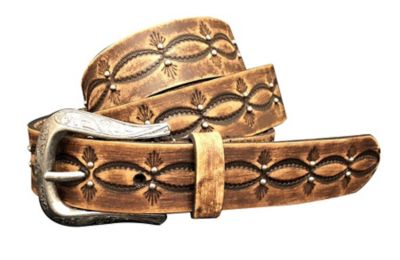
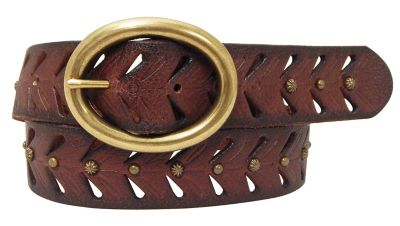
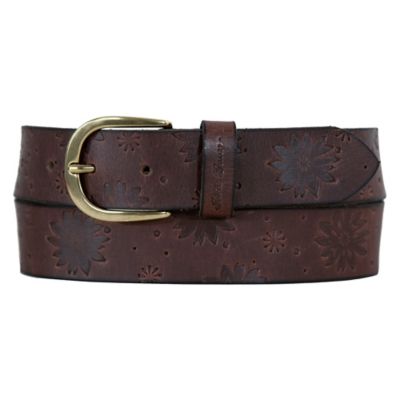
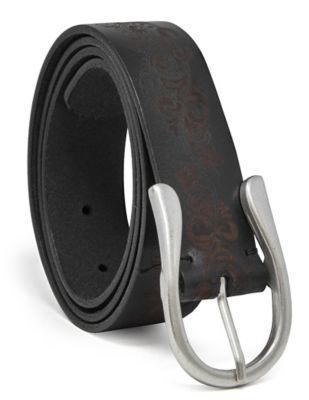
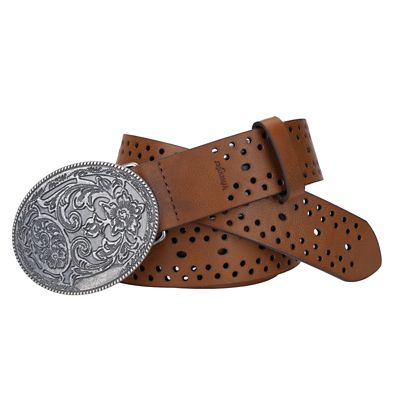
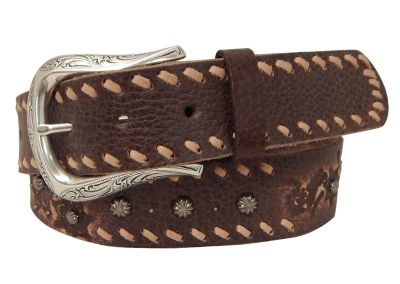
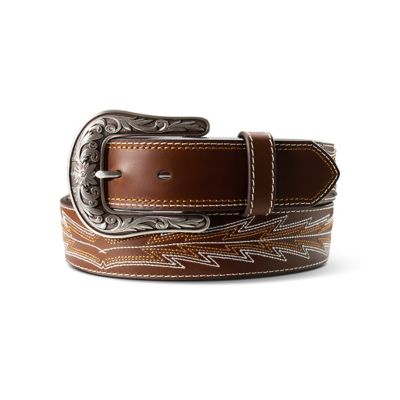
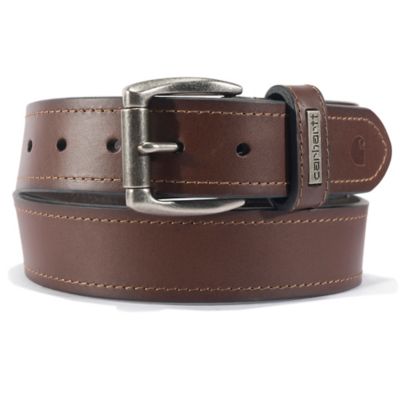
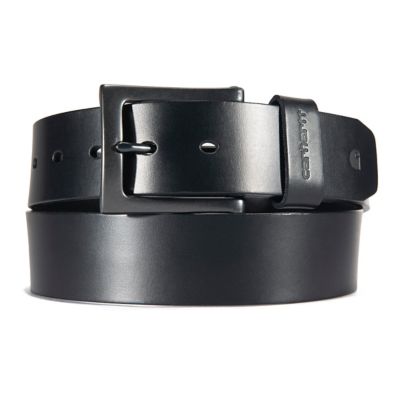
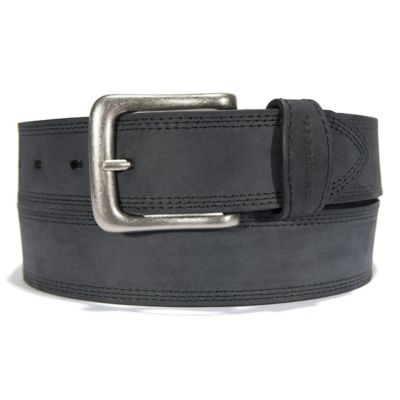
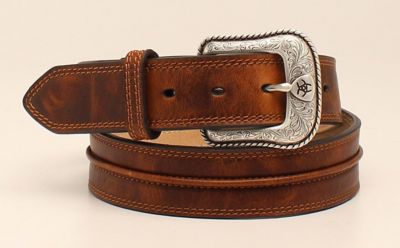
Style comes down to how the belt fits into the clothes already hanging by the bedroom door. A plain brown leather belt sits comfortably alongside blue jeans, work boots, and a tucked-in cotton shirt, while black offers a clean contrast with darker denim and black footwear. Matching every finish exactly is not necessary; similar leather tones or hardware colors can tie an outfit together without making it feel fussy. Western-inspired tooling, embossed patterns, shaped buckles, and metal accents give women’s jean belts more presence when the rest of an outfit is simple. A narrower strap can keep the look understated, while a wider one puts more emphasis at the waist, provided the loops have room for it. For chores followed by supper in town, a straightforward belt with restrained hardware can carry through both without needing a change. Keeping that belt in good shape usually takes more attention than effort. Dust and grit can collect along stitching and around the buckle, so a soft cloth is a sensible first step after a dirty day. Leather generally does best without soaking or direct heat; if it gets wet, gentle blotting and air-drying away from a heater help protect its shape. Conditioner should suit the leather and its finish, with any treatment tested in an inconspicuous spot before broader application. Synthetic and fabric belts have their own cleaning needs, making the care label the best reference before washing or applying a cleaner. Hanging a belt straight or rolling it loosely helps avoid sharp storage folds, and fastening through the holes rather than pulling hard against the prong limits unnecessary strain. A belt also makes a practical gift for someone who wears jeans most days, especially when the giver knows the recipient’s belt measurement, preferred buckle size, and usual leather color. Those details make it easier to choose something that belongs in an everyday rotation, from mornings around the barn to errands and evenings out.