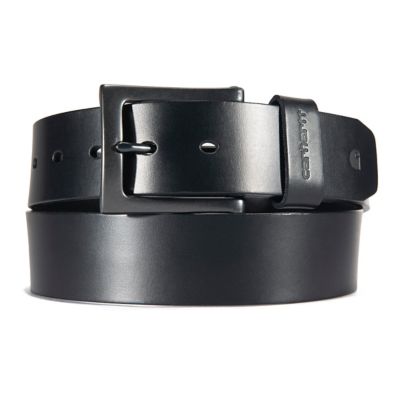
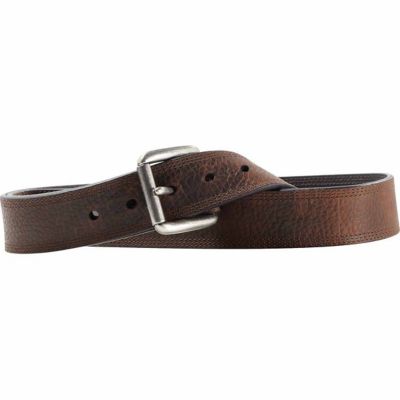
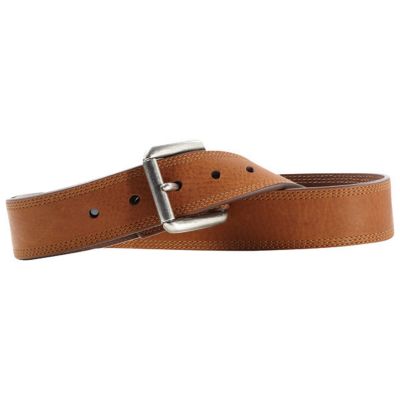
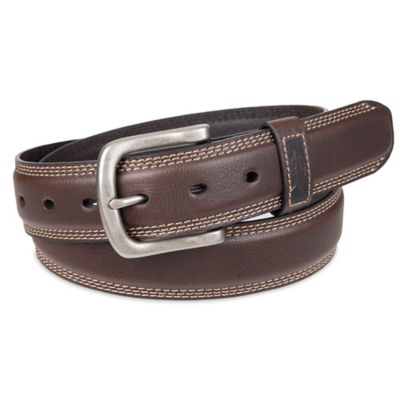
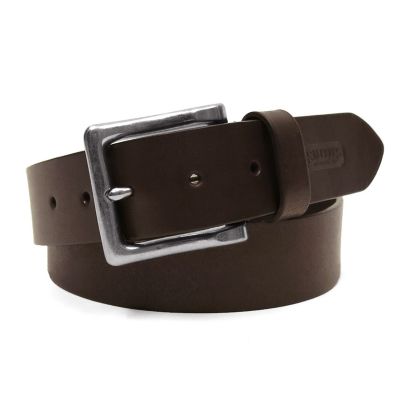
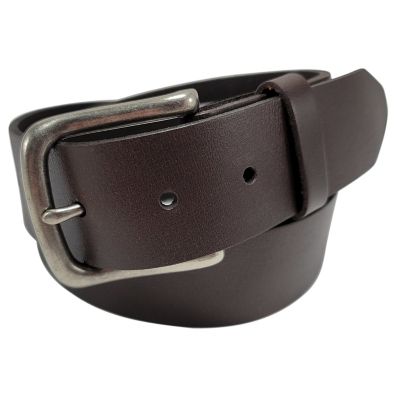
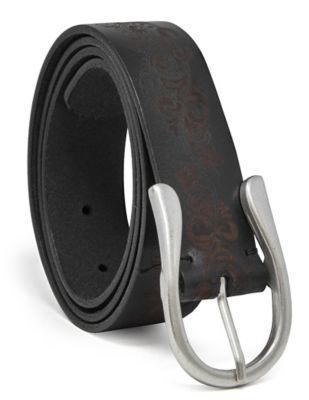
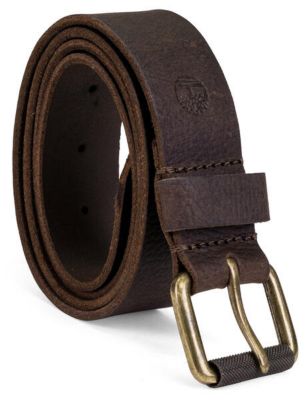
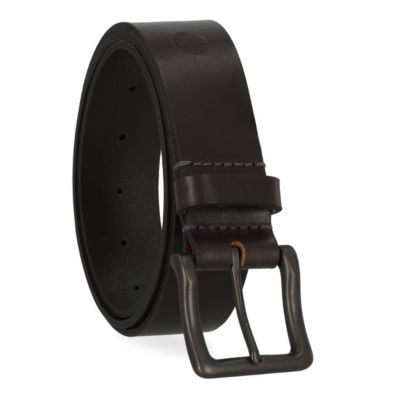
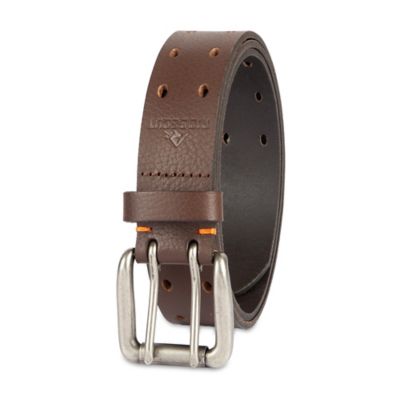
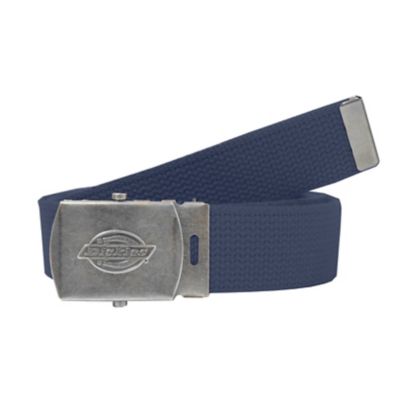
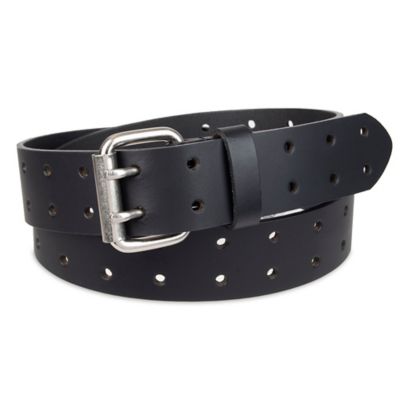
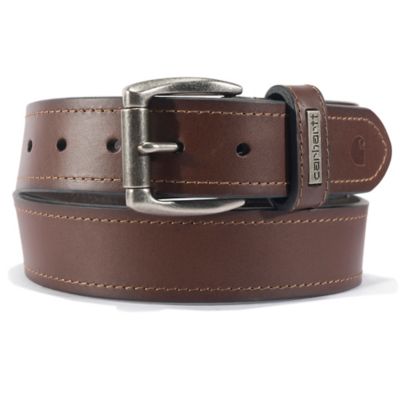
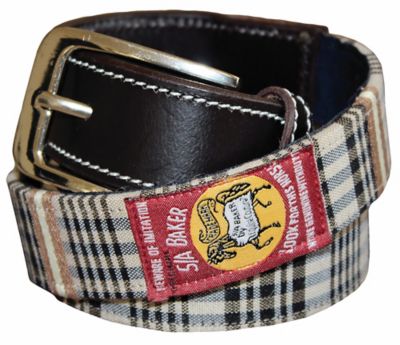
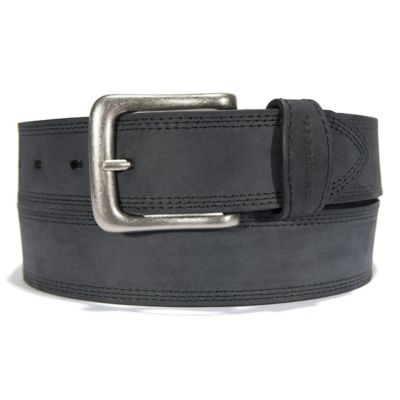
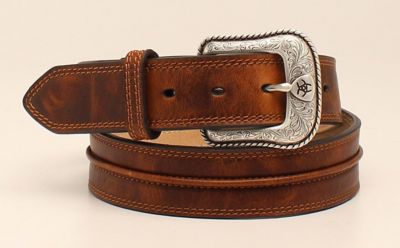
Belts for jeans are commonly about 1.5 inches wide, while widths up to 1.75 inches can work with denim that has roomier belt loops. The belt needs to slide through every loop without folding at the edges or pulling against the stitching. Full-grain leather and sturdy canvas are practical choices for everyday wear, with the material, construction, and buckle all playing a part in comfort and durability. A leather belt has enough body to sit neatly against denim and develops character as it bends and wears. Full-grain leather keeps the natural grain of the hide, so small markings and changes in color are part of its appearance. Top-grain leather offers another option, often with a smoother, more even surface. A smooth finish works with a plain T-shirt or a tucked-in button-down, while a pebbled surface brings texture without a busy pattern. Canvas has a more relaxed feel and can be a good match for days spent moving between the house, barn, and pickup. Nylon and other webbing materials provide another option for folks who prefer a lighter strap or a less traditional look. Stretch belts offer some give when sitting, bending, or reaching, though the amount of stretch and the way the belt holds its shape vary by construction. Material thickness matters alongside width: a thick strap may feel substantial in the hand but bunch at tight loops, while a very thin one may not give heavier denim the support it needs. Even stitching, finished edges, and a secure buckle attachment are useful details to look for, whether the belt is headed to a jobsite or a Saturday meal in town.
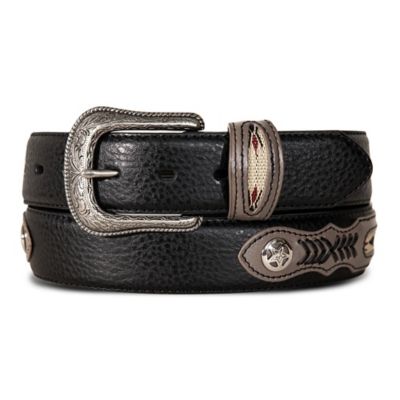
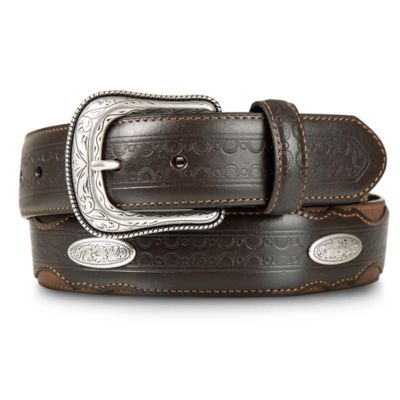
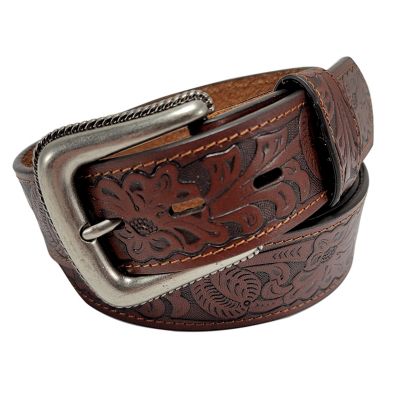
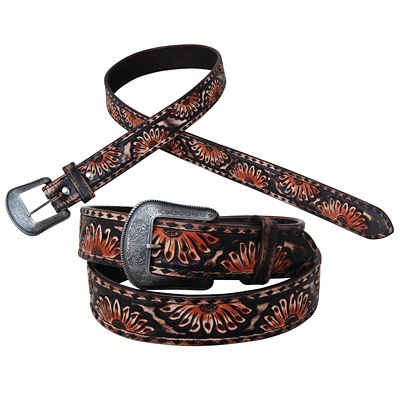
A comfortable fit holds jeans in place without squeezing at the waist or leaving a long tail flapping past the belt loops. Belt sizing and pants sizing are not always the same. Many belts have a size roughly 2 inches larger than the labeled pants waist, but that is a starting point rather than a rule. Jeans that sit lower on the hips may call for a different belt length than a pair that rests at the natural waist. An existing belt that fits well provides a helpful reference, measured from the point where the strap folds around the buckle to the hole that gets fastened. The maker’s size chart matters, too, since measuring conventions can differ. For belts with punched holes, fastening near the middle of the adjustment range leaves room to loosen or tighten the fit. Woven straps and certain sliding closures allow smaller adjustments, which can feel better through a long drive or a day of climbing on and off equipment. Buckle shape deserves just as much attention as strap length. A low-profile buckle stays out of the way under an untucked shirt, while a larger buckle makes more of a statement with a tucked-in work shirt. Smooth edges can also make a difference when leaning forward or carrying something against the waist. Brown leather pairs easily with blue denim and work boots, while black makes a straightforward match for dark jeans and black footwear. Tan shades bring a softer contrast to darker denim, and canvas adds a casual touch to everyday outfits. For more pronounced leatherwork and statement buckles,
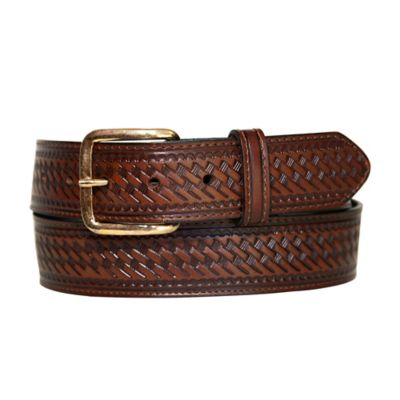
Western Style Belts offer a natural fit with bootcut jeans and ranchwear. Tooled patterns, contrasting stitching, and metal details give a belt more presence without changing its basic job. A strap with a removable buckle also allows a different buckle to take the lead, provided the attachment and strap width match.
Everyday care helps a belt keep its shape and finish through repeated wear. Leather generally benefits from a soft cloth to lift away dust and an occasional wipe with a slightly damp cloth when needed. Soaking, machine washing, and strong household cleaners can damage leather, and direct heat can leave it stiff or cracked. When a leather belt gets wet, letting it dry naturally away from a heater is a gentler approach. A conditioner suited to the leather’s finish can help maintain flexibility, but care directions should come first, especially for suede, coated surfaces, and lighter colors that may darken with treatment. Canvas and webbing have different cleaning needs; some tolerate washing, while others need spot cleaning because of their backing, trim, or buckle. Letting any belt dry completely before putting it away helps protect both the strap and its hardware. Hanging a belt straight or rolling it loosely avoids the sharp bends that can develop from leaving it folded in a drawer. A glance at the holes, edges, stitching, and buckle attachment can reveal stretching or loose hardware before the belt becomes uncomfortable to wear. A belt should support the fit of jeans, not make up for a waistband that is several sizes too large, and an everyday jeans belt is not a substitute for equipment designed to carry tools. For farm chores, errands, driving, or an evening out, the best match is one that feels right through the whole day. Belts also make practical birthday or graduation gifts for anyone who wears denim regularly, from a teenager settling into a favorite style to someone whose workday starts at the barn. Knowing the recipient’s belt measurement and buckle preference helps narrow the choice. Simple colors suit a wide range of outfits, while a patterned strap or bolder buckle fits someone who likes their everyday gear to show a little personality.