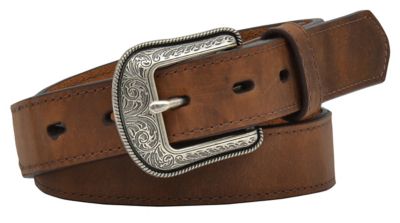
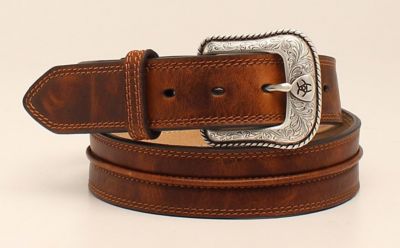
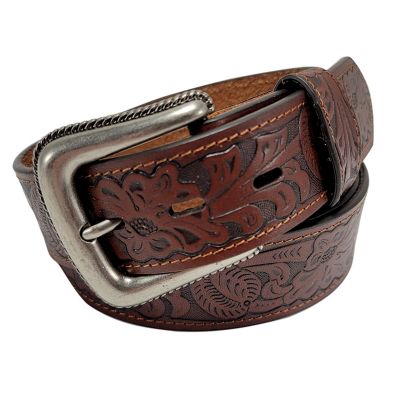
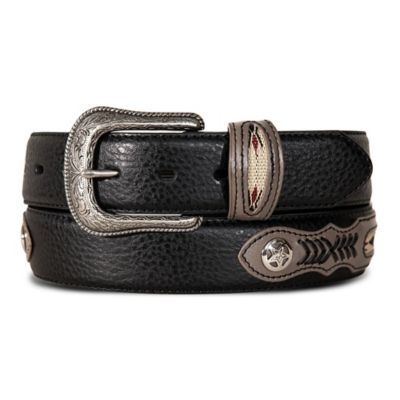
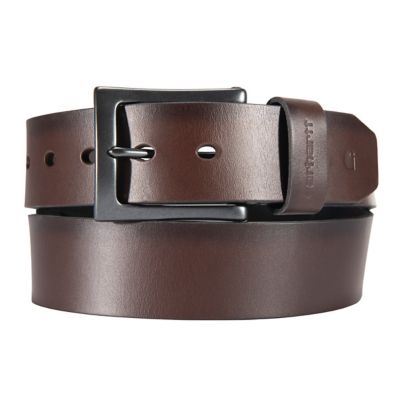
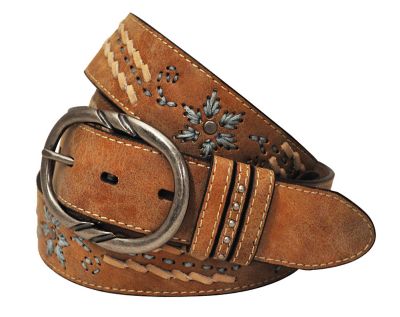
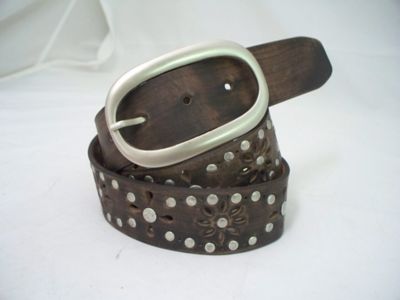
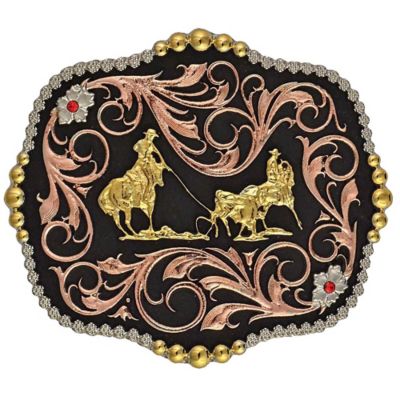
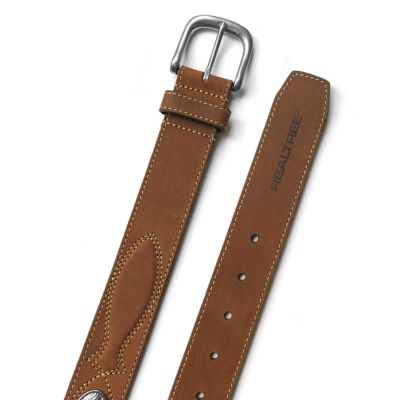
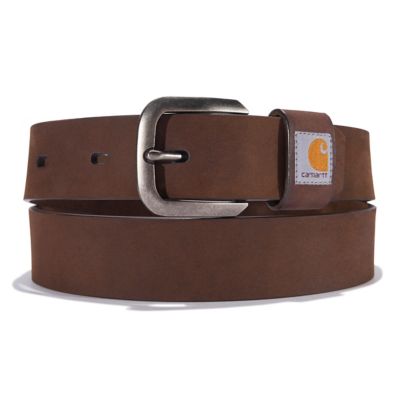
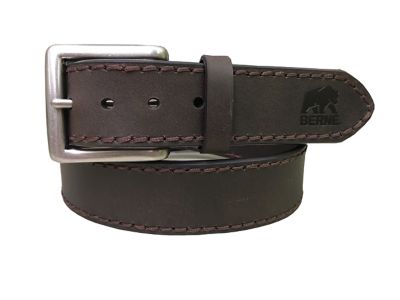
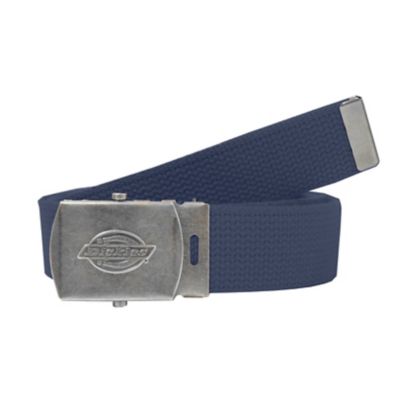
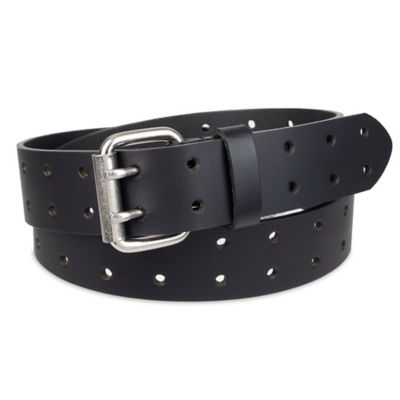
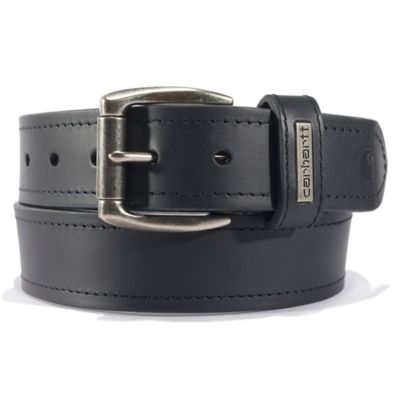
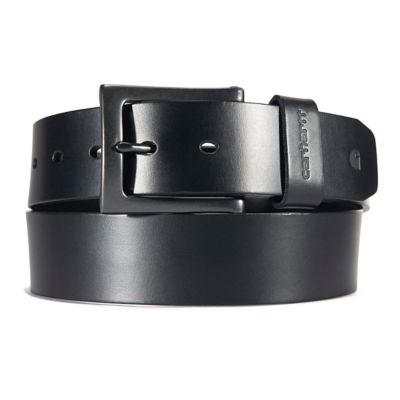
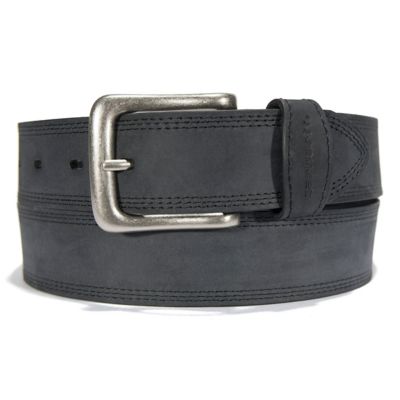
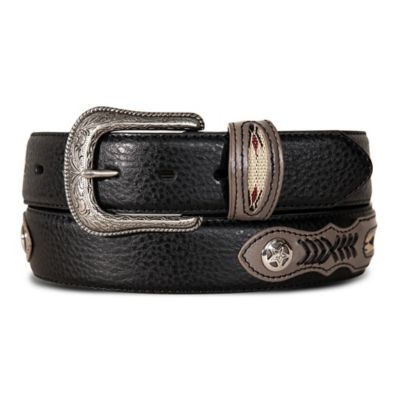
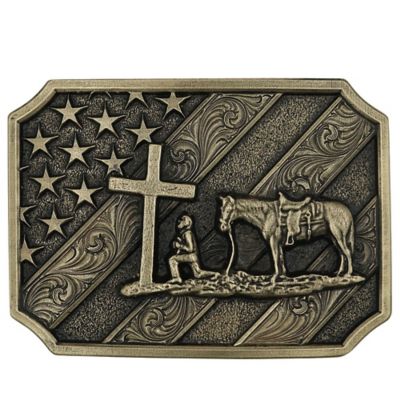
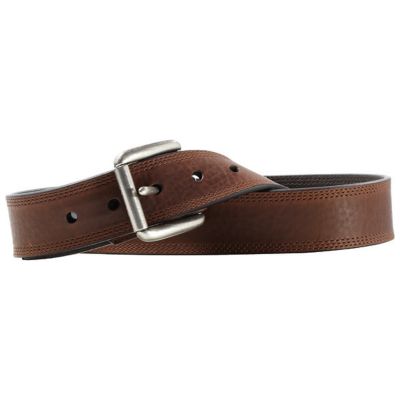
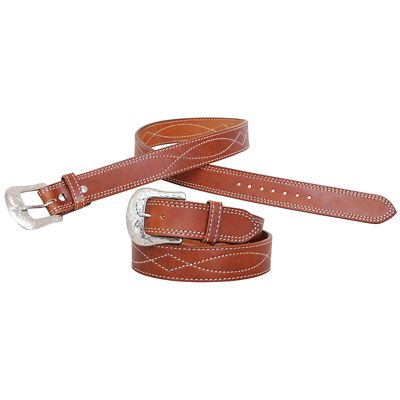
Western style belts bring a little ranch character to everyday clothing while serving a practical purpose at the same time. A well-chosen belt can pull together jeans, boots, a snap-front shirt, or a simple work shirt without making an outfit feel dressed up or fussy. These belts often feature western-inspired details such as tooled patterns, stitched edges, metal accents, textured finishes, or a bold buckle that stands out against denim. Some have a rugged look suited to chores, barn work, and weekends outside, while others fit right in at gatherings, dances, rodeos, and family celebrations. When shopping, start with the way the belt will be worn most often. A belt for work may call for a sturdy strap, a secure fastening system, and a design that sits comfortably through long hours of walking, lifting, or riding. A belt chosen for going out can lean more toward eye-catching patterns, shaped edges, and a buckle with plenty of western character. Think about the belt loops on the pants, too. Narrow loops pair best with a slimmer belt, while wider loops can handle a broader strap and a larger buckle. It also helps to consider the clothing already hanging in the closet. Brown tones tend to sit naturally with denim, tan, canvas, and earth-toned shirts, while black can create a sharper contrast with blue jeans or dark workwear. If the belt will be part of a daily rotation, look for a comfortable fit and materials that feel good against the waist. A belt should hold clothing in place without pinching, sliding, or requiring constant adjustment. For the best fit, measure around the area where the belt will sit rather than relying only on a pant size, since rises and waistbands can vary from one pair of jeans to another. Leave room for the buckle and fastening holes, especially if the belt will be worn over a tucked-in shirt or a heavier layer during cooler months.
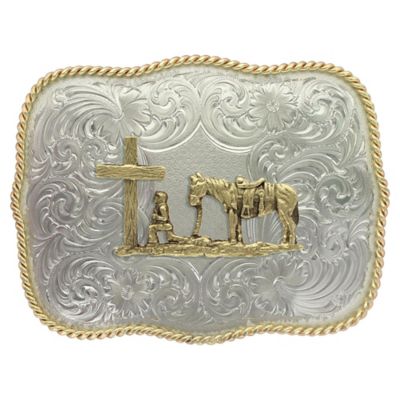
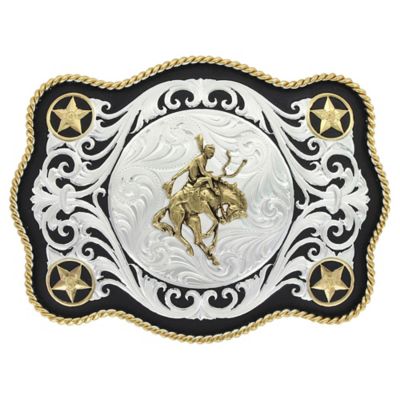
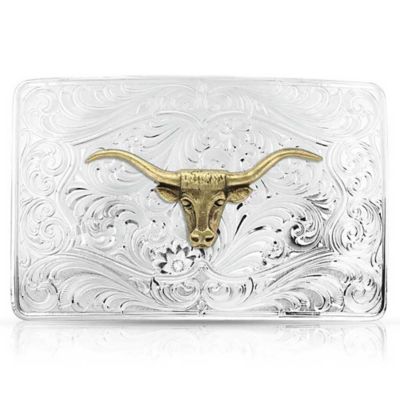
Western style belts can suit plenty of folks, from ranch hands and farm workers to people who simply enjoy a little country character in their everyday wardrobe. Someone spending the day around livestock may favor a straightforward belt with a secure closure and a strap that can stand up to regular trips from the truck to the barn. A hunter, outdoorsman, or weekend trail rider may look for a comfortable fit that stays put while moving through fields, walking fence lines, or sitting in the saddle. For someone who works at a feed store, attends stock shows, or spends weekends at local events, a western belt can add a finished touch without getting in the way. These belts also make thoughtful gifts for a spouse, parent, sibling, friend, or coworker when you know their waist size and have a feel for their style. A person who favors simple workwear may appreciate a belt with a low-key strap and a modest buckle, while someone who enjoys making a statement may prefer bold western details. If you are shopping for a gift but are not sure what look to choose, pay attention to the recipient’s boots, watchband, wallet, or favorite belt. Those small clues can point toward the colors and finishes they are most likely to reach for. For more ways to add personality around the waist, browse
Distinctive Belt Buckles. A second buckle can also give one belt a fresh look for different outfits, making it easier to shift from a day at the ranch to an evening gathering. Before placing an order, check the listed belt length, strap width, buckle style, and fastening details. Some designs fasten through a series of holes, while others rely on a slide or a removable buckle. Knowing how the belt closes makes a difference in both fit and everyday convenience.
A few simple care habits can help a western style belt keep its good appearance through changing seasons. Keep it dry when possible, and if it gets dusty after time outdoors, brush away loose dirt with a soft cloth before storing it. Wipe metal parts gently, and follow the care directions provided for the strap material. Avoid folding the belt tightly, since sharp bends can leave creases and make the belt harder to fasten smoothly. Hanging it from a belt rack or laying it flat in a drawer helps it keep its shape between wears. During the cooler months, belts are often paired with heavier denim, flannel shirts, work jackets, and layers, so consider how much extra clothing will sit beneath the strap. A fit that feels right with a light shirt may need a little more room over thicker clothing. In early fall, western style belts can bring a warm, outdoorsy touch to everyday outfits, and that same look carries naturally into winter gatherings, holiday meals, barn visits, and nights around a fire. Whether you are replacing a favorite belt, adding another option for work and weekends, or choosing a gift for someone who lives in boots and jeans, focus on fit, fastening, strap width, and the kind of details that match their daily routine. The best choice is the one that feels natural from the first step out the door, looks at home with the clothes they already wear, and brings a bit of open-country spirit to ordinary days.