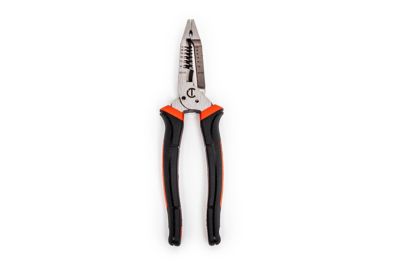
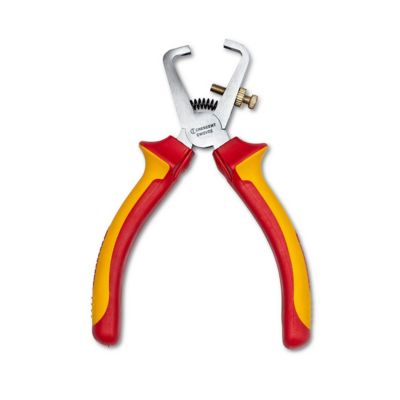
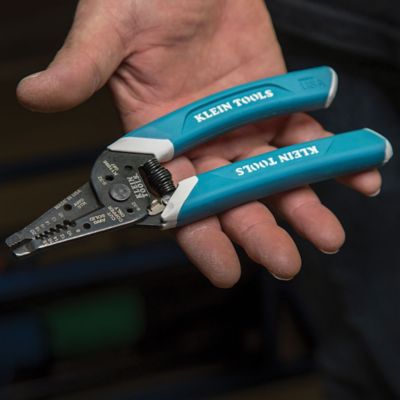
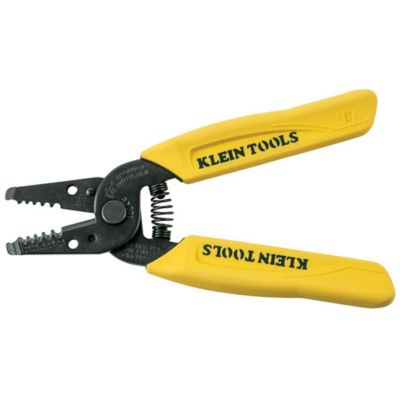
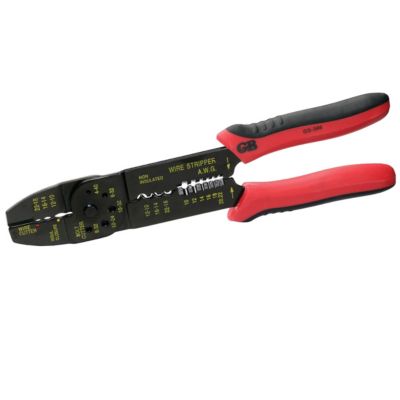
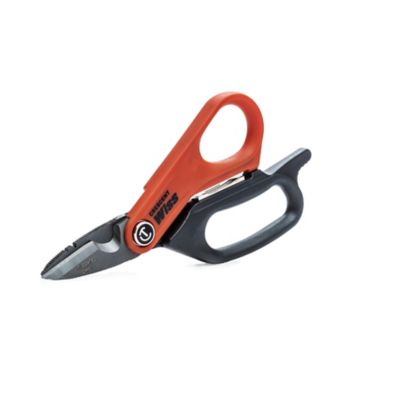
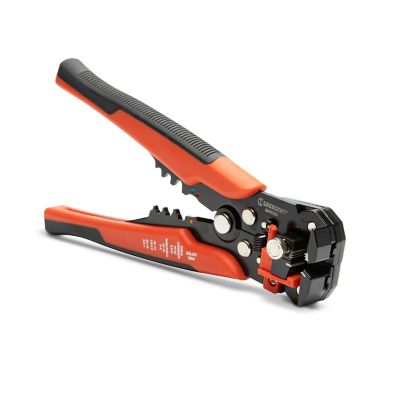
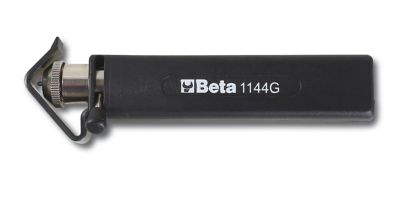
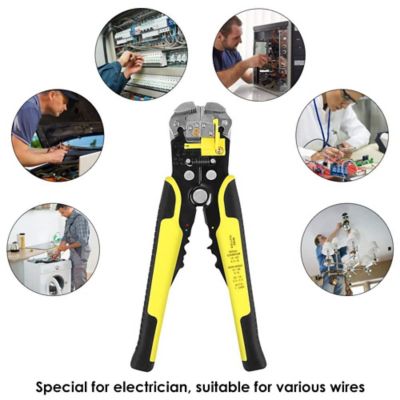
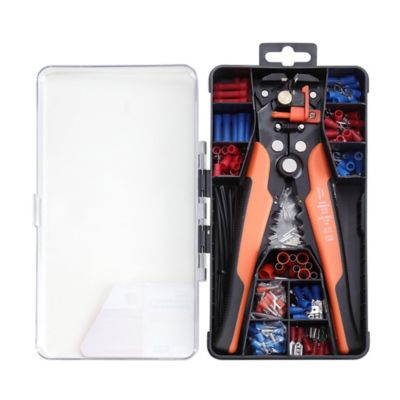
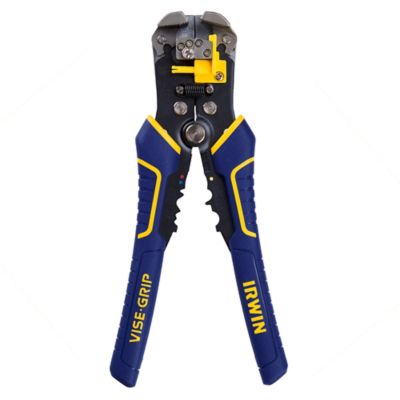
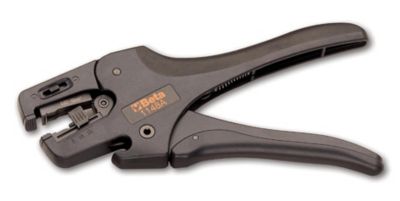
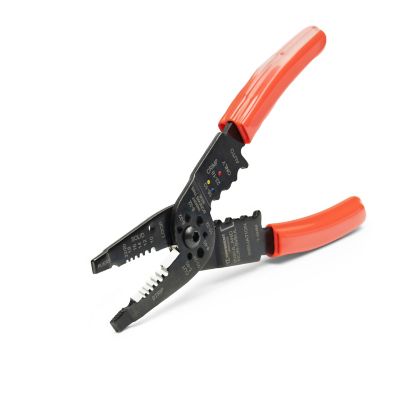
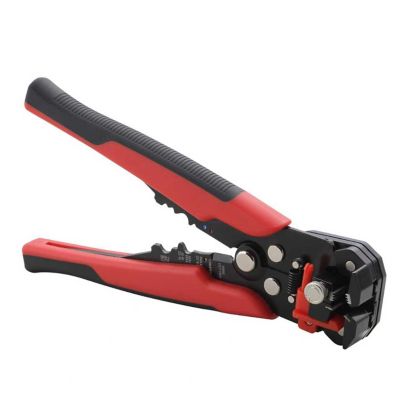
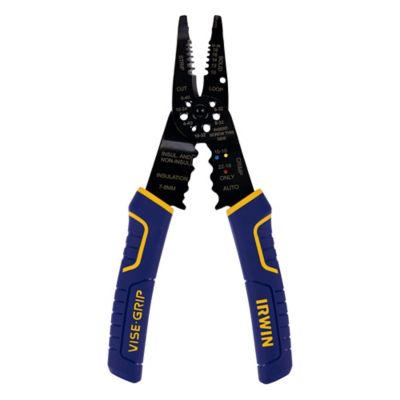
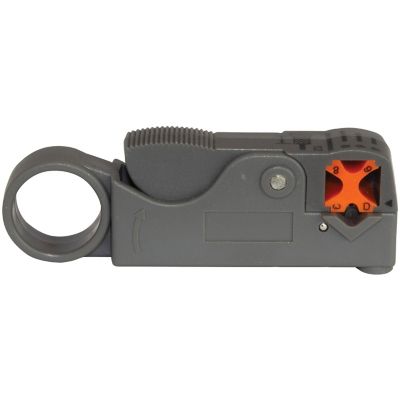
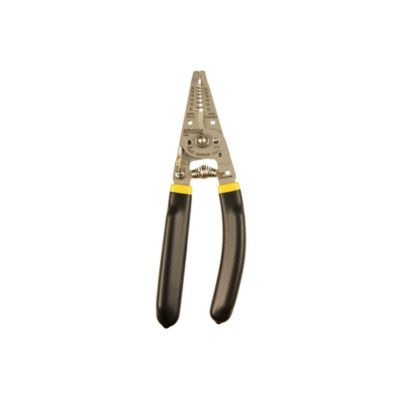
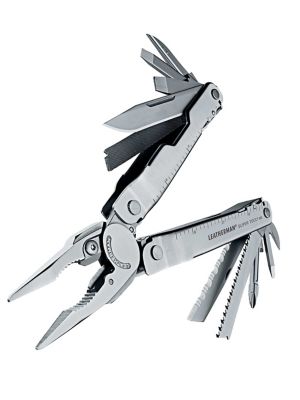
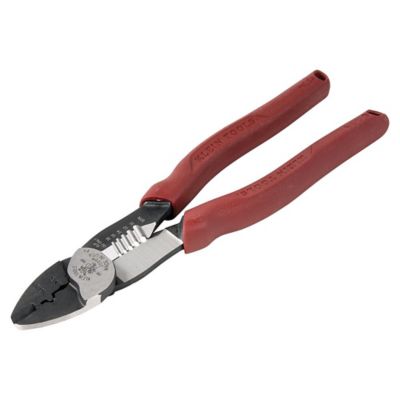
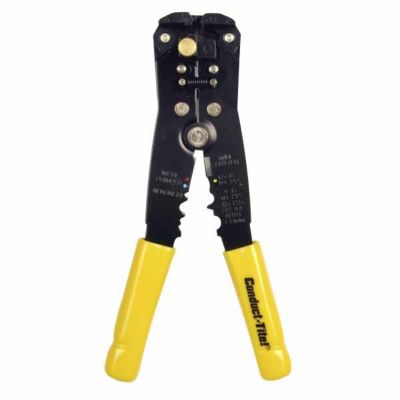
Wire strippers are hand tools designed to remove insulation from electrical wire without damaging the metal conductor underneath. They help prepare wire ends for terminals, connectors, switches, and other electrical connections, whether the job involves a trailer harness, a tractor light circuit, or wiring at the workbench. The right tool depends on the wire’s gauge, conductor type, and insulation, not just how thick the wire looks from the outside. Manual wire strippers have sized notches that correspond to American Wire Gauge, or AWG, measurements. A lower AWG number means a thicker conductor, while a higher number means a thinner one. Clearly marked openings make it easier to match the tool to the wire, especially when several sizes are spread across the bench. Solid and stranded conductors can require different notch sizes, so separate markings for each are worth checking. Solid wire contains a single conductor, while stranded wire has smaller strands bundled together for flexibility. Keeping those strands intact matters when preparing connections on equipment that moves or vibrates. Self-adjusting wire strippers use a gripping and stripping mechanism that accommodates a stated range of wire sizes, reducing the need to choose a separate notch for every wire. Automatic designs can make repeated stripping more convenient, though their wire compatibility and adjustment features vary. Fine electronics wire, heavier equipment wiring, and tough insulation may call for different tools rather than one pair expected to handle everything. Cable construction matters, too: removing an outer cable jacket is a different task from stripping insulation off an individual conductor. A tool rated for one job is not necessarily suited to the other. For a tool pouch that travels between the shop and the equipment shed, a useful starting point is the wire sizes and connection types that show up most often. Matching those everyday needs helps narrow the choice between a straightforward manual stripper, a self-adjusting design, and a tool with several electrical functions.
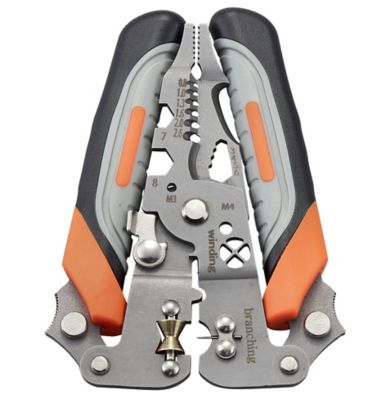
A good fit in the hand makes a difference when a wiring job runs beyond a couple of connections. Handle shape, grip texture, spring action, and overall length all affect how a pair of wire strippers feels during repeated work. Cushioned grips can ease pressure on the palm, while a smaller frame may be easier to position inside a shallow box or behind a light housing. Longer handles can offer more leverage, but they also need room to open. A spring-return design helps reopen the jaws between connections, and a handle lock keeps the tool closed for storage. Neither feature replaces a comfortable grip or a clear view of the wire. Steel jaws and cutting edges need to hold their alignment so the stripping notches meet properly, and heat-treated cutting surfaces can help resist wear from repeated work within the tool’s stated capacity. Protective finishes help limit surface rust, though bare edges still benefit from sensible care. Grip coverings provide comfort and traction; they do not establish that a tool is electrically insulated. For added versatility, some wire stripper designs include a wire cutter, terminal crimper, looping holes, or threaded screw-shearing openings. Those functions are helpful only when they match the materials and sizes involved. A crimping section, for example, should suit the terminal style rather than simply squeeze it flat. An adjustable strip-length stop can help keep repeated wire ends consistent when a connector calls for a particular exposed length. Dedicated
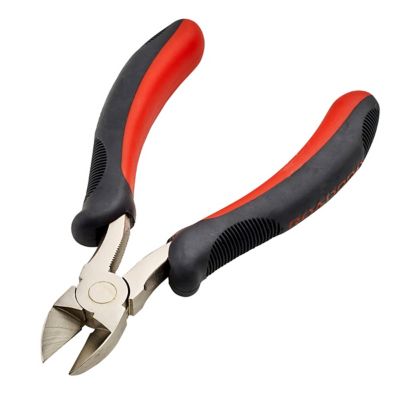
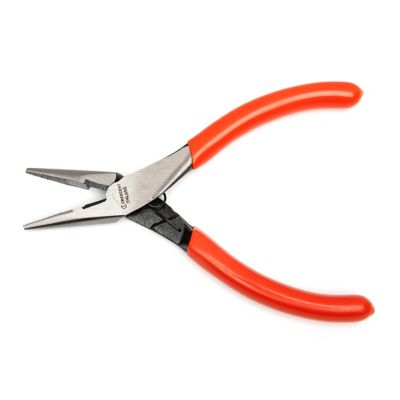
Wire Cutting Pliers can round out an electrical tool kit when cutting is a separate, frequent part of the job. Keeping cutting and stripping needs distinct helps prevent a small stripping tool from being pushed into work beyond its capacity. Hardened steel wire, fencing wire, and heavy cable require tools specifically rated for those materials; an electrical wire stripper is not a stand-in for every cutter in the barn.
Around a farm, garage, or home shop, wire strippers earn their place through small jobs that call for clean connections rather than force. Repairing a disconnected trailer light lead, replacing a low-voltage equipment connector, or preparing wiring for a control panel can involve several conductor sizes in one project. Compact manual strippers fit well in a service pouch for occasional repairs, while a self-adjusting mechanism may suit someone preparing many similar connections at a bench. Folks who work on automotive wiring often need a tool that handles flexible stranded conductors, while electronics work can call for finer gauge openings and more control in tight spaces. Wire condition matters as much as tool selection: brittle insulation, corrosion, or damaged strands can indicate a problem that stripping alone will not fix. Cleanly exposed wire should suit the connector’s specified strip length, with no nicked conductor, missing strands, or excess bare metal outside the connection. These are details that support a sound repair, not reasons to work on an energized circuit. Electrical power should be disconnected and the absence of voltage verified with an appropriate tester before wire preparation begins, including isolation of battery power where applicable. Safety glasses help protect against small pieces of wire and insulation. Building wiring and other work subject to electrical codes belong with someone qualified for the task, with required permits and inspections handled as applicable. Between jobs, removing insulation scraps from the jaws and wiping away dirt helps keep the mechanism moving freely. Follow the tool’s care directions for lubrication, and keep it dry in a pouch, drawer, or toolbox where the cutting edges will not bang against loose hardware. Worn cutting edges, loose pivots, or damaged grips are reasons to inspect the tool before the next repair. For a gift, wire strippers make a practical addition to an equipment owner’s or shop tinkerer’s toolbox when the gauge range fits the work they enjoy. The best match is a pair that feels comfortable, suits the wiring at hand, and has markings that remain easy to read.